Automotive Machining for Precision CNC Auto Parts
Sourcing high-precision components remains a primary challenge for automotive engineers and procurement managers. This technical guide explores how optimized material selection, rigorous tolerance strategies, and advanced automotive machining techniques resolve critical production flaws while maximizing cost efficiencies for critical component manufacturing.
Material Selection Criteria for CNC Machined Auto Parts
Automotive component design demands a meticulous evaluation of metallurgical properties to withstand severe operating environments. When engineering high-performance cnc machined auto parts, selecting the appropriate alloy is the primary step in preventing field failures. In the field of automotive machining, aluminum alloys are widely utilized due to their exceptional strength-to-weight ratios. For example, Grade 6061-T6 aluminum provides superior weldability and corrosion resistance, making it an ideal candidate for fluid manifolds and suspension housings. When extreme mechanical loads are anticipated, Grade 7075-T6 aluminum offers yield strengths comparable to structural steels, providing an excellent fatigue limit for high-stress applications.
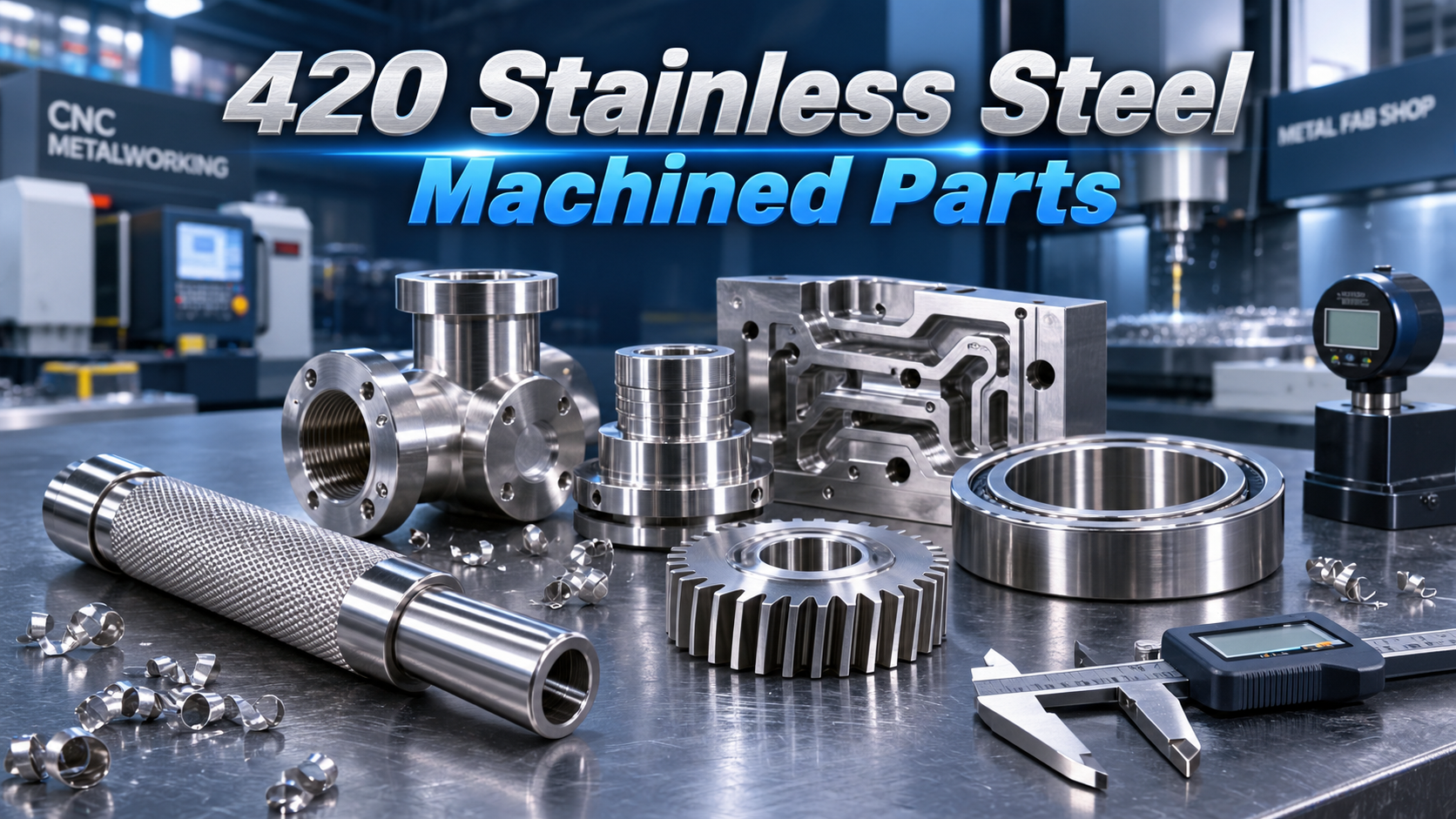
Conversely, powertrain or exhaust components exposed to extreme thermal cycles demand heavy-duty alloys. Stainless steel 316 provides exceptional oxidation resistance at elevated temperatures, ensuring long-term structural integrity. Executing specialized automotive machining protocols for these hard materials requires precise tool geometries and specialized coatings to mitigate work-hardening. Sourcing specialists focused on automotive machining must collaborate with vendors who possess deep metallurgical expertise to avoid incorrect material specification during production runs.
At our tier-one production facilities, material verification is handled via strict spectroscopic analysis before production begins. Integrating comprehensive testing into custom cnc manufacturing lines guarantees compliance with international automotive quality standards. Selecting an agile vendor capable of managing complex material parameters ensures that your high-volume car parts machining projects remain dimensionally stable under severe operational stresses. Furthermore, the rise of electric vehicle (EV) platforms has introduced specialized copper and high-purity aluminum requirements for thermal management systems. Precision automotive machining workflows must adapt to these soft, highly ductile materials without inducing burrs or dimensional distortion. Our advanced engineering teams optimize cutting parameters to deliver defect-free, high-conductivity components for critical battery arrays.
| Material Type | Density (g/cm³) | Yield Strength (MPa) | Thermal Conductivity (W/m·K) | Machinability Rating (%) |
|---|---|---|---|---|
| Aluminum 6061-T6 | 2.70 | 276 | 167 | 50% |
| Aluminum 7075-T6 | 2.81 | 503 | 130 | 70% |
| 4140 Alloy Steel | 7.85 | 415 | 42.6 | 65% |
| 316 Stainless Steel | 8.00 | 290 | 16.3 | 40% |
Tolerance Strategies and GD&T in Automotive Part Machining
Achieving perfect dimensional accuracy across thousands of production cycles is the defining goal of high-end automotive machining. In modern engine assemblies, fuel systems, and steering columns, mating components frequently require sub-micron precision to minimize friction, eliminate vibration, and prevent high-pressure fluid leaks. When configuring an automotive cnc machine setup, engineers must apply realistic tolerance bounds. Tightening tolerances non-essentially increases manufacturing costs exponentially. For instance, holding a ±0.005 mm tolerance on a bearing bore requires specialized diamond boring heads, climate-controlled inspection rooms, and extended cycle times on a high-precision cnc machine automotive parts line.
In contrast, a structural chassis bracket may only require a ±0.1 mm tolerance, easily achieved on standard milling centers. Maintaining consistency within an automotive machining environment requires managing machine thermal expansion and tool deflection. Advanced automotive machining facilities implement real-time compensation software to counteract thermal drift, ensuring that parts machined at various intervals remain perfectly identical.
When analyzing automotive machining tolerance strategies, Geometric Dimensioning and Tolerancing (GD&T) provides the universal language for design validation. By defining geometric characteristics rather than relying purely on linear dimensions, automotive part machining ensures flawless assembly interchangeability. Procurement managers should systematically evaluate a vendor’s metrology capabilities rather than relying solely on post-production inspection reports. Utilizing advanced inspection protocols during automotive part machining prevents quality bottlenecks and guarantees compliance with original equipment manufacturer (OEM) assembly demands.
What is GD&T (Geometric Dimensioning and Tolerancing)?
Geometric Dimensioning and Tolerancing (GD&T) is a standardized system of symbols, rules, and definitions used to define the allowable variation of geometric features on a manufacturing print. Unlike traditional coordinate dimensioning, which only measures linear distance, GD&T explicitly controls relationships like flatness, concentricity, perpendicularity, and true position relative to specific reference datums.
In high-speed automotive machining, GD&T ensures that mating parts (such as a cylinder head and engine block) align perfectly regardless of manufacturing variation, drastically reducing stack-up errors during high-volume assembly.
Cost Optimization Strategies for Car Parts Machining
Maximizing value in car parts machining without compromising structural performance is an ongoing objective for automotive supply chains. Cost structures within automotive machining depend heavily on part design complexity and total processing cycle times. An experienced automotive machining engineer will identify features that drive up production costs and provide alternative design paths during detailed Design for Manufacturability (DFM) reviews.
One of the most prevalent cost drivers in custom cnc workflows is specifying deep, narrow pockets or sharp internal corners. Standard rotating end mills cannot generate sharp square corners without specialized electrical discharge machining (EDM) or custom broaching operations. By increasing internal corner radii to match standard cutting tool profiles, engineers can dramatically decrease cutting times, protect tool life, and lower individual piece prices in car parts machining contracts.
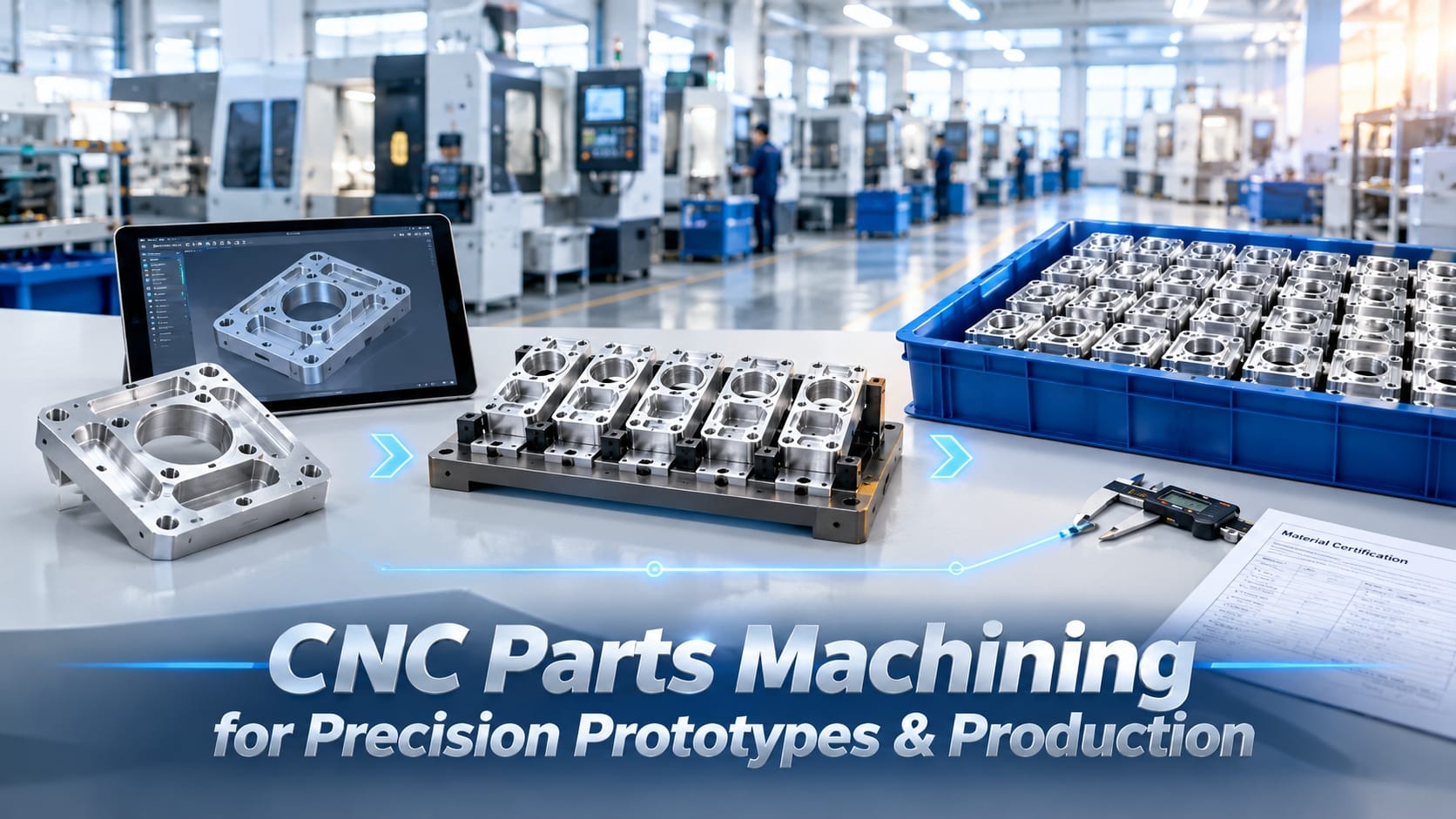
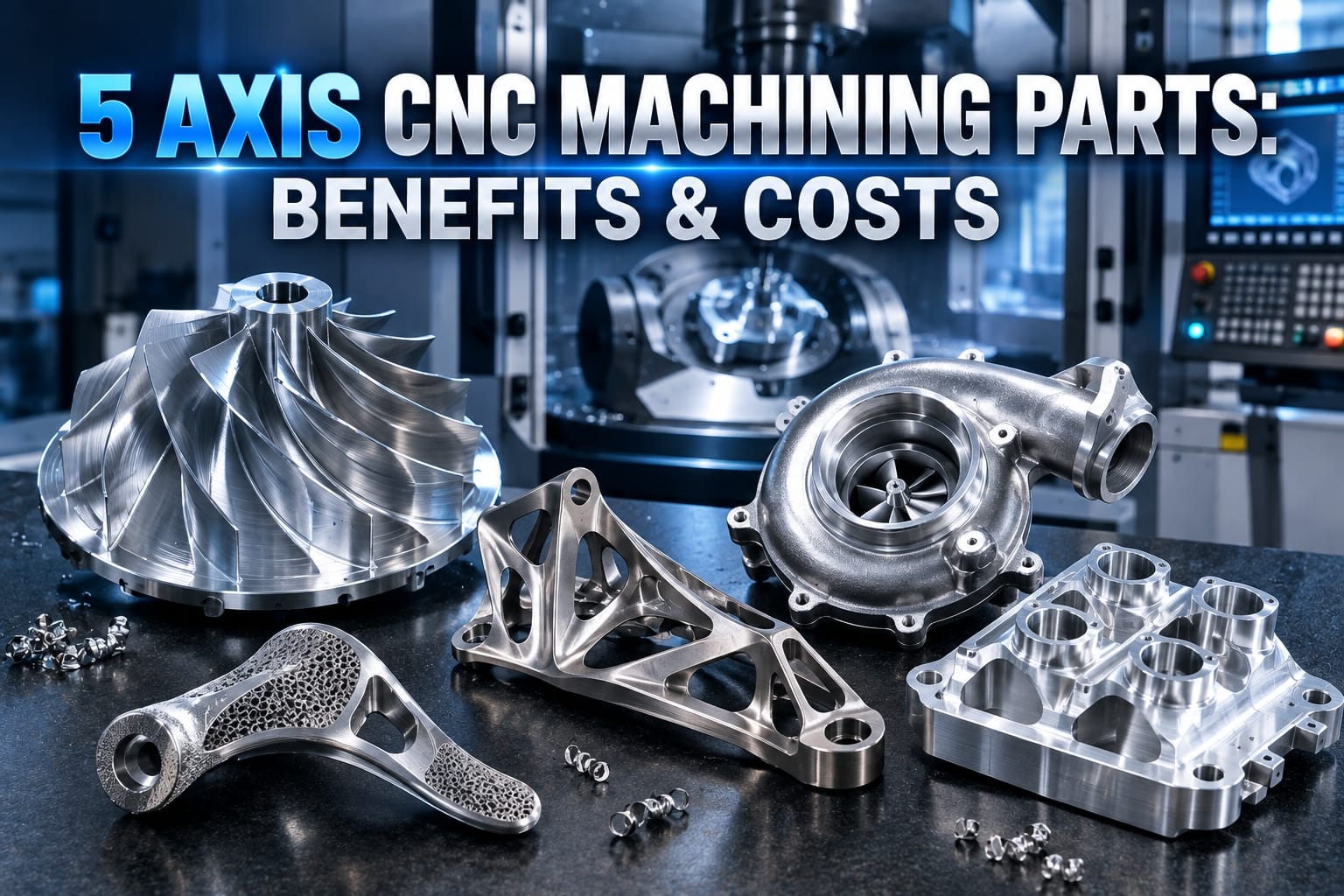
Furthermore, minimizing the number of distinct part setups is critical. Every time an operator repositions a component on a fixture, labor costs climb and minor alignment variations are introduced. Utilizing 5-axis automotive cnc machine configurations allows multi-faceted geometries to be processed in a single operational step, ensuring superior concentricity while slashing lead times. Cost optimization is also driven by strategic material utilization. Ordering custom extruded profiles that approximate the final shape of the component minimizes the volume of metal chips generated during high-speed production on a cnc machine automotive parts line. Partnering with professional china cnc machining suppliers who provide clear DFM optimization feedback enables automotive brands to optimize capital allocation and scale from prototype to mass production efficiently. By addressing these issues directly before production, overall automotive machining costs drop significantly, yielding highly competitive per-unit rates. Sourcing managers must focus on total cost of ownership, accounting for tool wear, raw material utilization rates, and setup times to establish a genuinely cost-effective production strategy.
Request a Custom Automotive Machining Quote
The Convergence of Rapid Prototyping Automotive and CNC Processes
The development lifecycle of modern vehicles has accelerated dramatically, prompting a heavy reliance on high-speed rapid prototyping automotive solutions. Traditionally, creating functional prototypes required expensive casting molds or slow manual fabrication. Today, advanced additive manufacturing techniques coexist alongside subtractive automotive machining to compress R&D timelines for critical powertrain and suspension assemblies.
While 3d printing for automotive applications is perfect for rapid aesthetic mockups and complex, low-stress ducting, it often lacks the structural density and fine surface finishes required for mechanical verification. For example, testing an engine oil pump housing or a suspension knuckle requires identical material properties to the final production component to accurately evaluate stress distributions and fluid pressures. In these demanding validation phases, a hybrid strategy delivers the best results: leveraging 3d printed car parts for early spatial packaging checks, followed by precision automotive machining for functional metal validation units.
Engineers frequently implement 3d printed custom car parts for low-volume racing platforms or specialized components. However, when these assemblies are subjected to high cyclical fatigue or strict sealing tolerances, transitioning the layout to a custom cnc workflow becomes non-negotiable. According to strict engineering standards published by SAE International, components produced via subtractive automotive machining demonstrate completely isotropic material properties, avoiding the internal voids and interlayer weaknesses common in additive parts. Choosing the correct automotive machining roadmap during the transition from plastic additive models to robust cnc machined auto parts is vital for product validation. Utilizing a modern automotive cnc machine setup to refine prototype iterations allows developers to implement software-driven geometry changes seamlessly, completely bypassing the extreme capital requirements of hard tooling.
Strategic Advantages of Sourcing from China CNC Machining Suppliers
Managing a global supply chain requires identifying fabrication partners that deliver technical compliance, strict quality assurance, and predictable delivery schedules. Sourcing components from premium china cnc machining suppliers provides global OEMs with direct access to highly integrated industrial ecosystems. The manufacturing hub of Dongguan, where Boraco Machining operates its 2,000 sqm facility, offers a comprehensive network of specialized raw material vendors and surface finishing shops within a compact localized footprint.
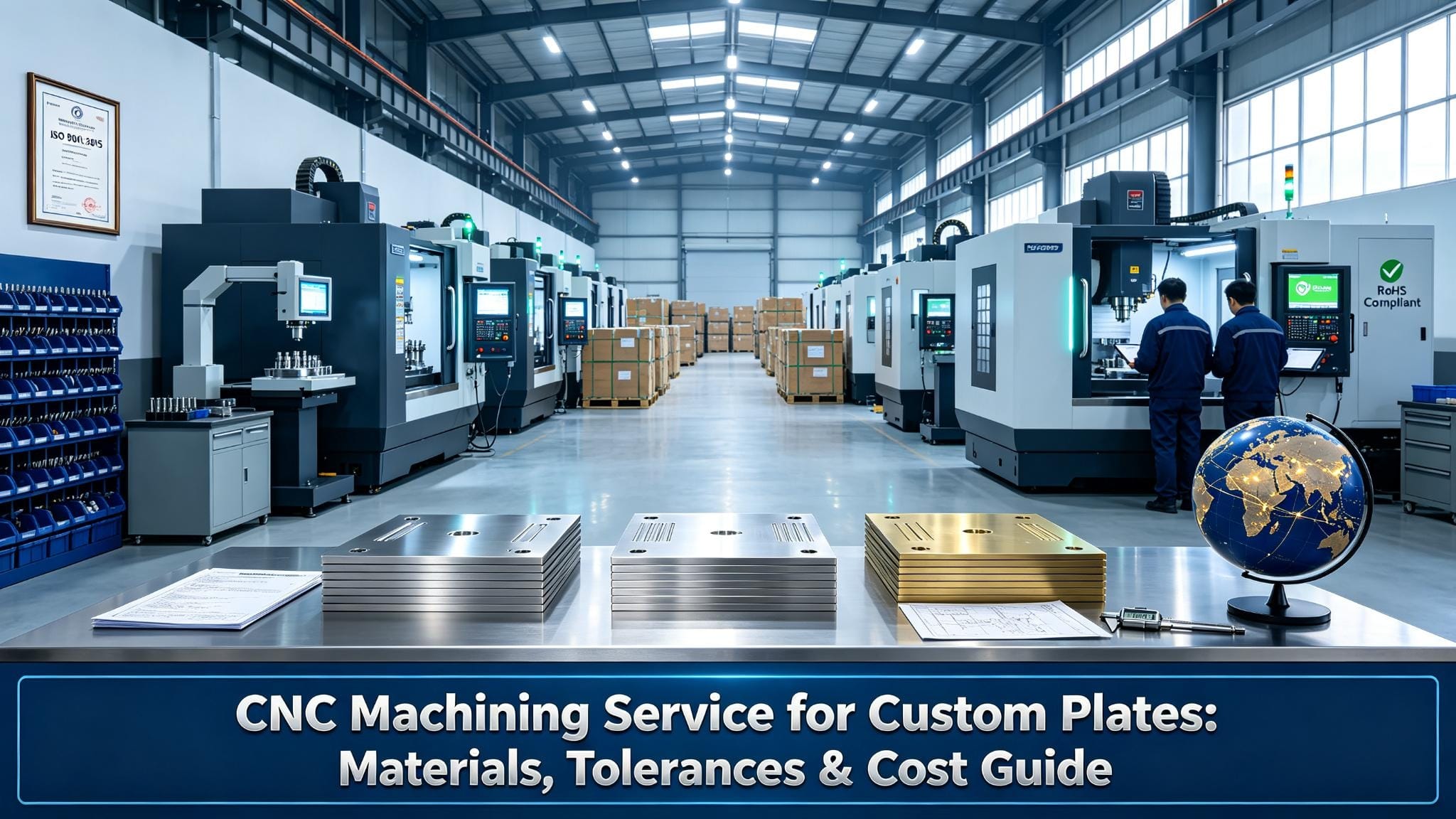
Many procurement managers express initial concerns regarding quality consistency when exploring china machining options. However, modern tier-one china cnc machining facilities have eliminated these historical concerns by investing heavily in high-precision Japanese and German multi-axis machining centers. A reliable overseas manufacturing partner operates under strict compliance with ISO 9001:2015, CE, and RoHS standards, ensuring that every batch of cnc machine automotive parts matches international regulatory criteria. Top tier factories specializing in automotive machining invest in continuous workforce training to maintain an extensive mastery of automotive machining standards.
Furthermore, top-tier vendors offer comprehensive technical support that goes far beyond basic print-to-part manufacturing. By providing transparent material certificates, detailed coordinate measuring machine (CMM) data, and rigorous DFM feedback, these suppliers act as dependable extensions of your internal engineering teams. This collaborative model streamlines automotive part machining and eliminates communication delays. When sourcing automotive machining from overseas, choosing a supplier with robust quality tracking systems protects your brand from assembly delays. Consolidating your car parts machining requirements with an expert that provides integrated finishing services—such as anodizing, passivation, and clear chromate conversion—drastically reduces logistics costs. Ultimately, partnering with a premier Asian manufacturing center allows global automotive firms to accelerate product deployment and improve operational profitability.
Contact Our Engineering Team for a DFM Review
Advanced Metrology and Surface Finishing Quality Controls
The validation of an automotive component is incomplete without rigorous post-machining inspection and surface treatments. In critical safety applications, such as braking and steering units, surface finish parameters ($R_a$) must be tightly controlled to minimize friction wear and eliminate mechanical noise. Sourcing teams must ensure their supplier can achieve precise surface profiles on all cnc machined auto parts.
To ensure parts satisfy strict environmental standards, compliance with ISO standards is mandatory. Our dedicated automotive machining production lines in Dongguan utilize automated 3D optical profilometers and coordinate measuring machines to verify geometric dimensions against initial CAD baselines. Whether your project requires hard anodizing for corrosion resistance or specialized electroplating for electrical conductivity, integrated quality tracking ensures repeatable performance across multi-thousand unit shipments. By utilizing a single vendor for both precision milling and final finishing, procurement managers drastically reduce supply chain touchpoints, mitigating logistical risks and ensuring total traceability from raw billet to finished component.
Conclusion
Optimizing automotive machining workflows requires a comprehensive approach covering precise material selection, strict tolerance validation, and strategic supplier collaboration. By addressing potential design flaws during the DFM phase and partnering with an experienced manufacturing expert, OEMs can successfully reduce production lead times and lower manufacturing costs. Ready to elevate your automotive component quality? Explore our advanced CNC machining services or browse our high-precision components inventory to discover how we can optimize your production lines today.
Frequently Asked Questions (FAQ)
Why is GD&T critical for automotive cnc machine production?
GD&T defines geometric tolerances such as true position, flatness, and concentricity. This prevents dimensional stack-up errors during high-volume assembly, ensuring that parts fit perfectly even when individual dimensions vary within allowable limits.
How does rapid prototyping automotive workflows benefit from CNC machining?
Unlike 3D printing, CNC machining provides functional metal prototypes with isotropic material properties matching full production parts. This allows for accurate stress, vibration, and thermal testing before investing in mass production tooling.
What is the advantage of sourcing car parts machining from China cnc machining suppliers?
Top-tier China suppliers provide a concentrated industrial ecosystem, advanced multi-axis CNC machinery, and compliance with ISO 9001:2015 standards. This gives OEMs a significant cost advantage while matching or exceeding Western quality requirements.