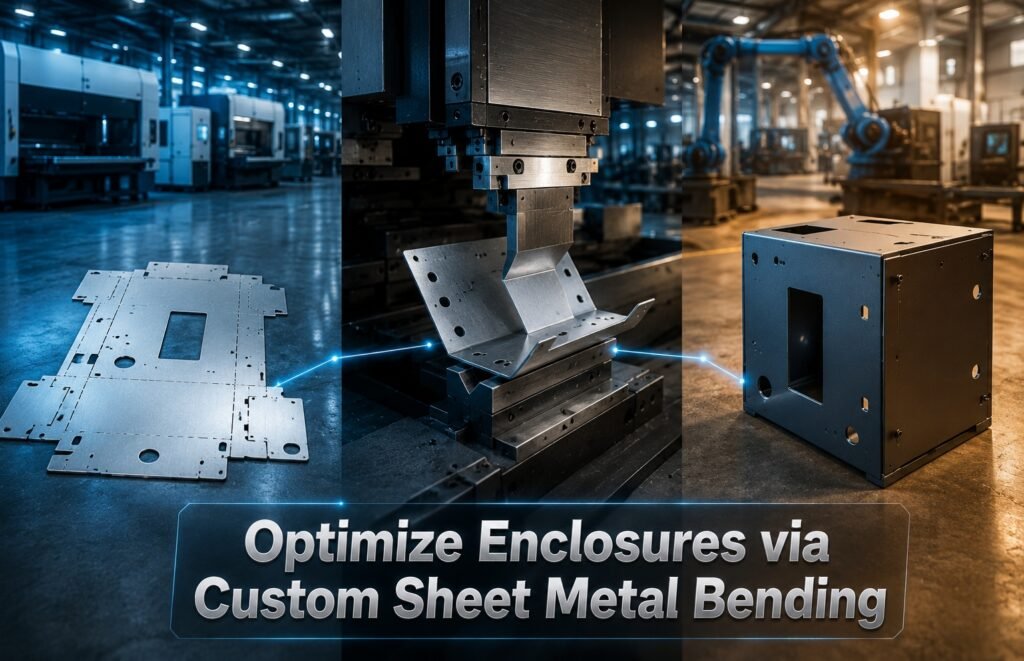
Optimize Enclosures via Custom Sheet Metal Bending
Achieving precise tolerances in electronic enclosures requires deep fabricating expertise. This guide demonstrates how advanced custom sheet metal bending eliminates assembly misalignments, optimizes thermal management, and lowers production costs.
The Role of Precision Custom Machining in Enclosure Fabrication
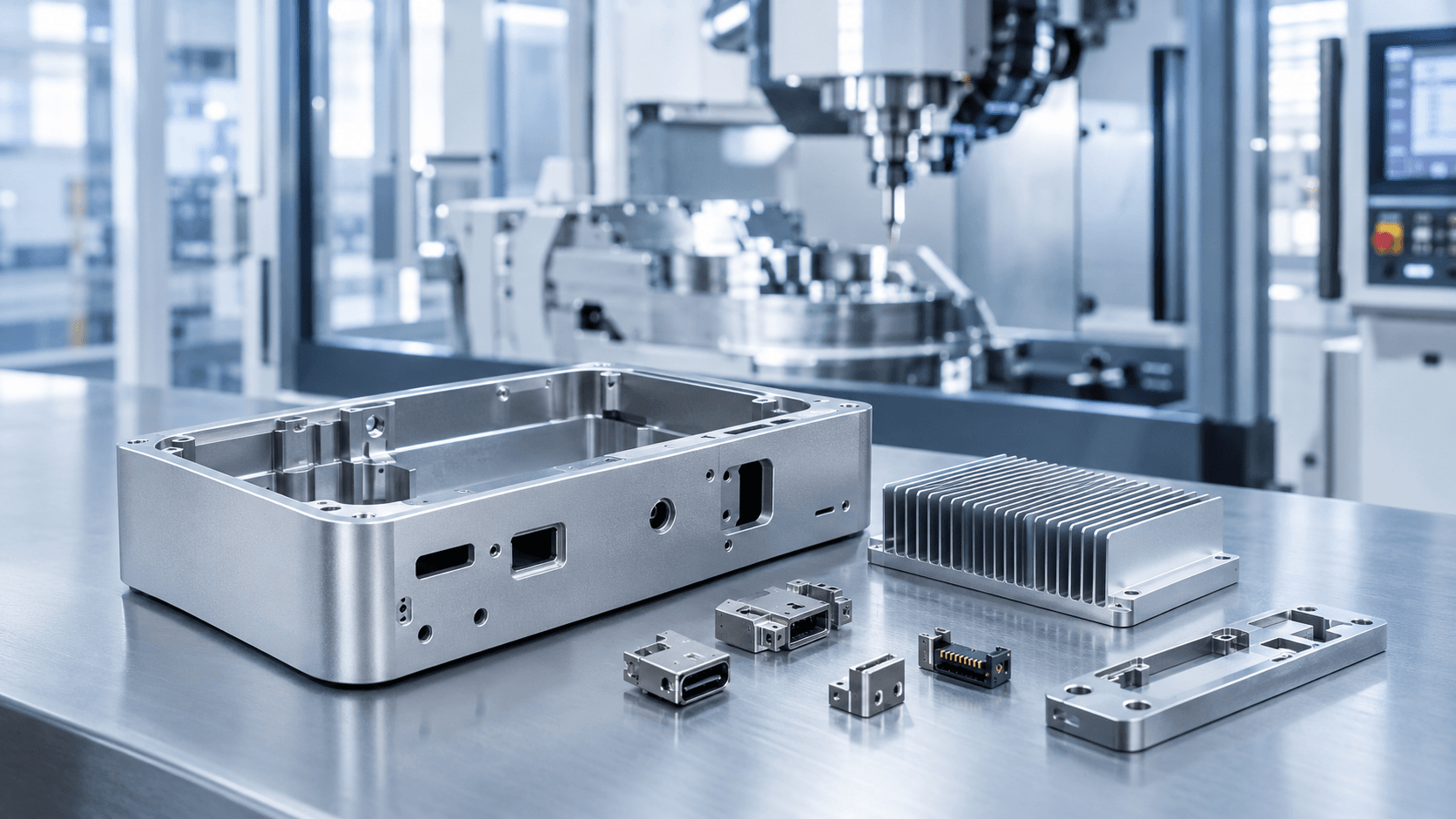
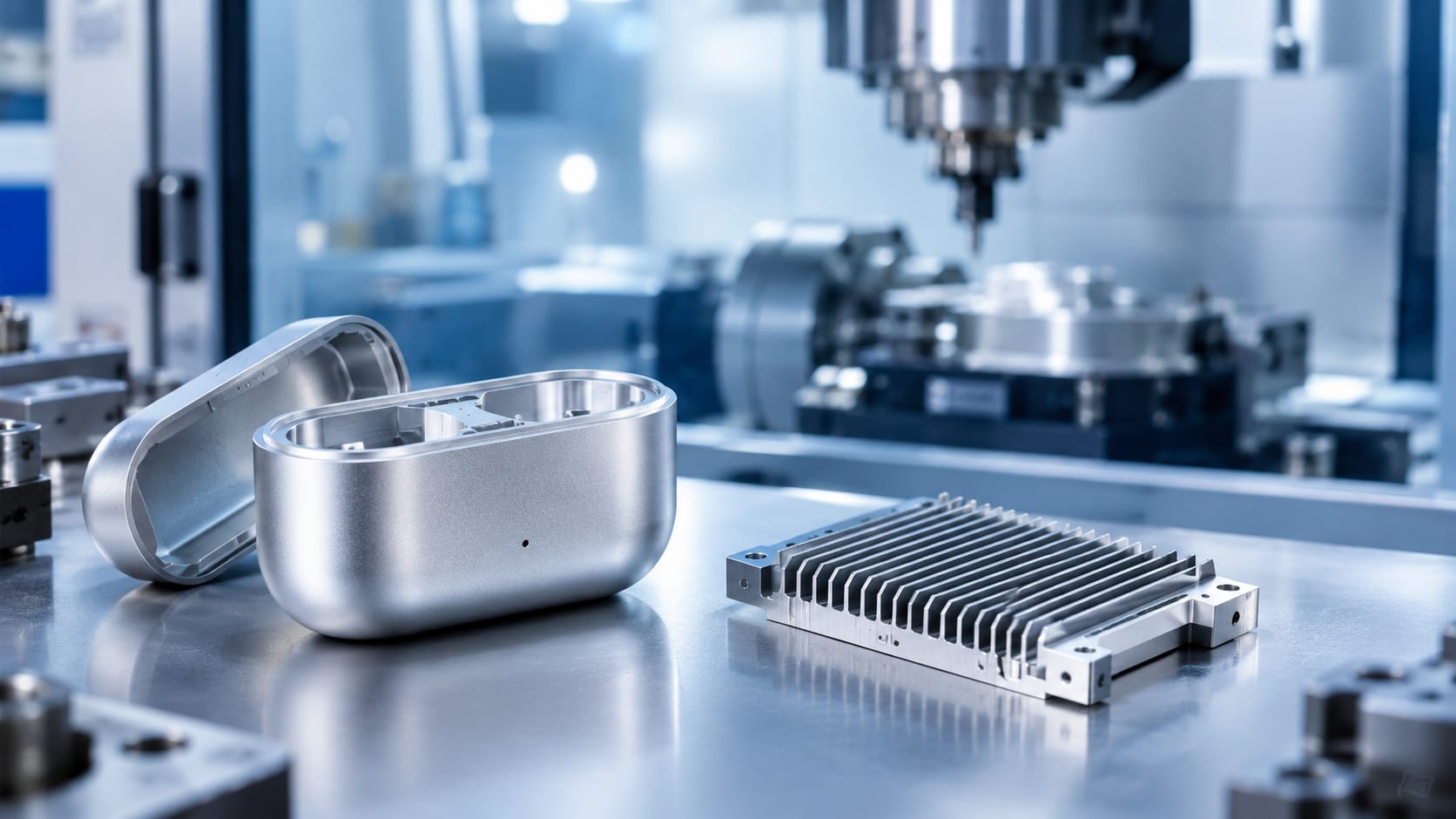
In modern industrial engineering, electronic enclosures serve as more than just protective shells. They act as complex structural systems that must shield sensitive components from electromagnetic interference (EMI), manage severe thermal loads, and fit seamlessly into larger assemblies. Achieving this high level of functionality requires a manufacturing partner capable of executing flawless fabrication. Utilizing high-end precision custom machining ensures that every cut, bend, and tapped hole aligns perfectly with your engineering schematics.
When designing enclosures, mechanical engineers frequently encounter stack-up tolerance errors. If a supplier treats stamping or sheet metal forming as a low-tolerance process, the final enclosure can warp, buckle, or exhibit critical dimensional variations. Incorporating precision CNC machining services into the production workflow helps maintain rigorous geometric tolerances, ensuring that faceplates, connectors, and PCB mounting bosses line up perfectly every time.
High-precision sheet metal fabrication depends heavily on the initial CNC milling and turning stages. By precision-machining the hard tooling, stamping dies, or custom structural brackets that integrate into the sheet metal assembly, manufacturers can achieve tight tolerances that standard bending equipment cannot reach alone. For detailed insight into how integrated production lines reduce geometric deviations, you can review our capabilities on the Boraco Machining homepage.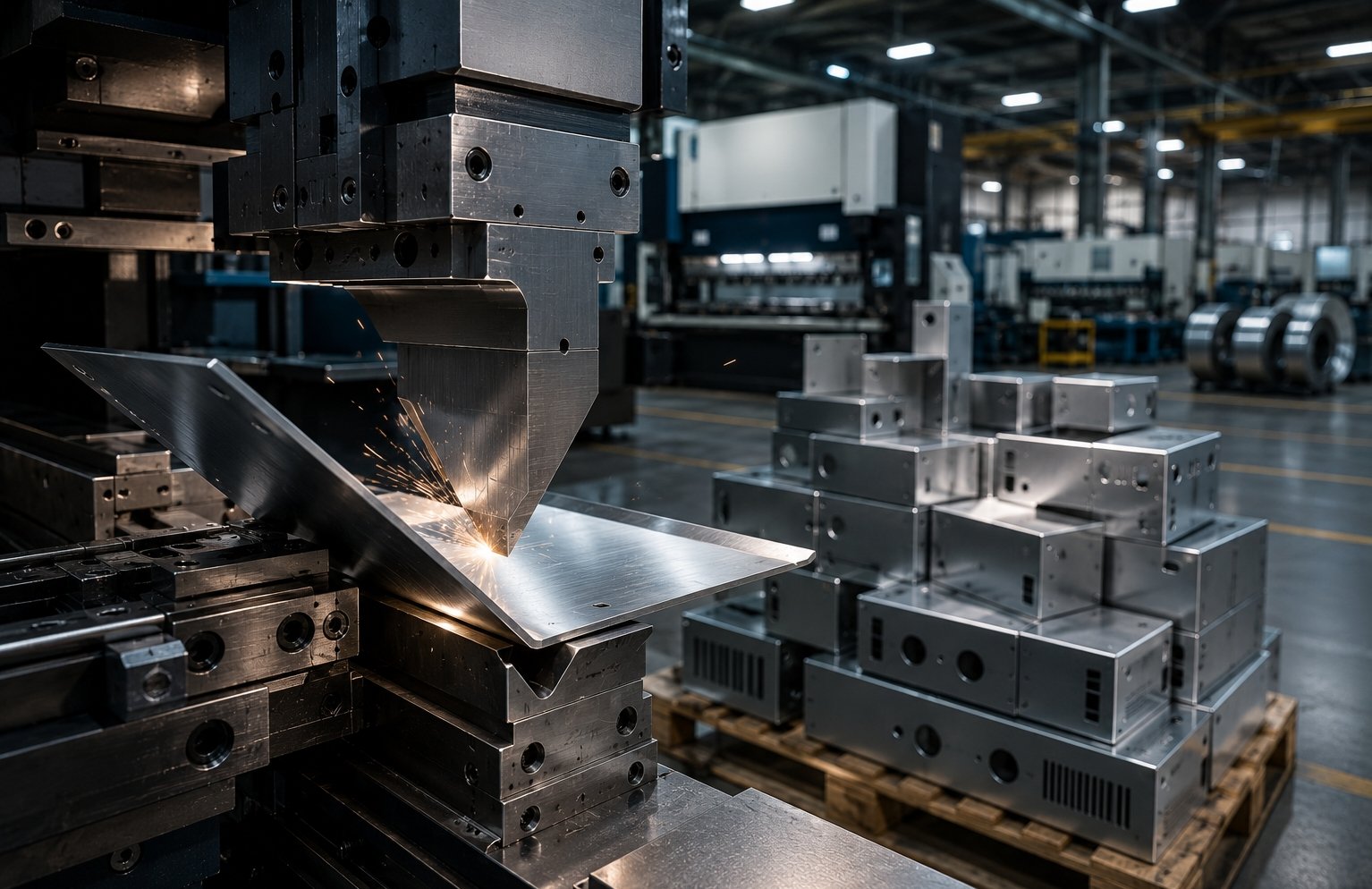
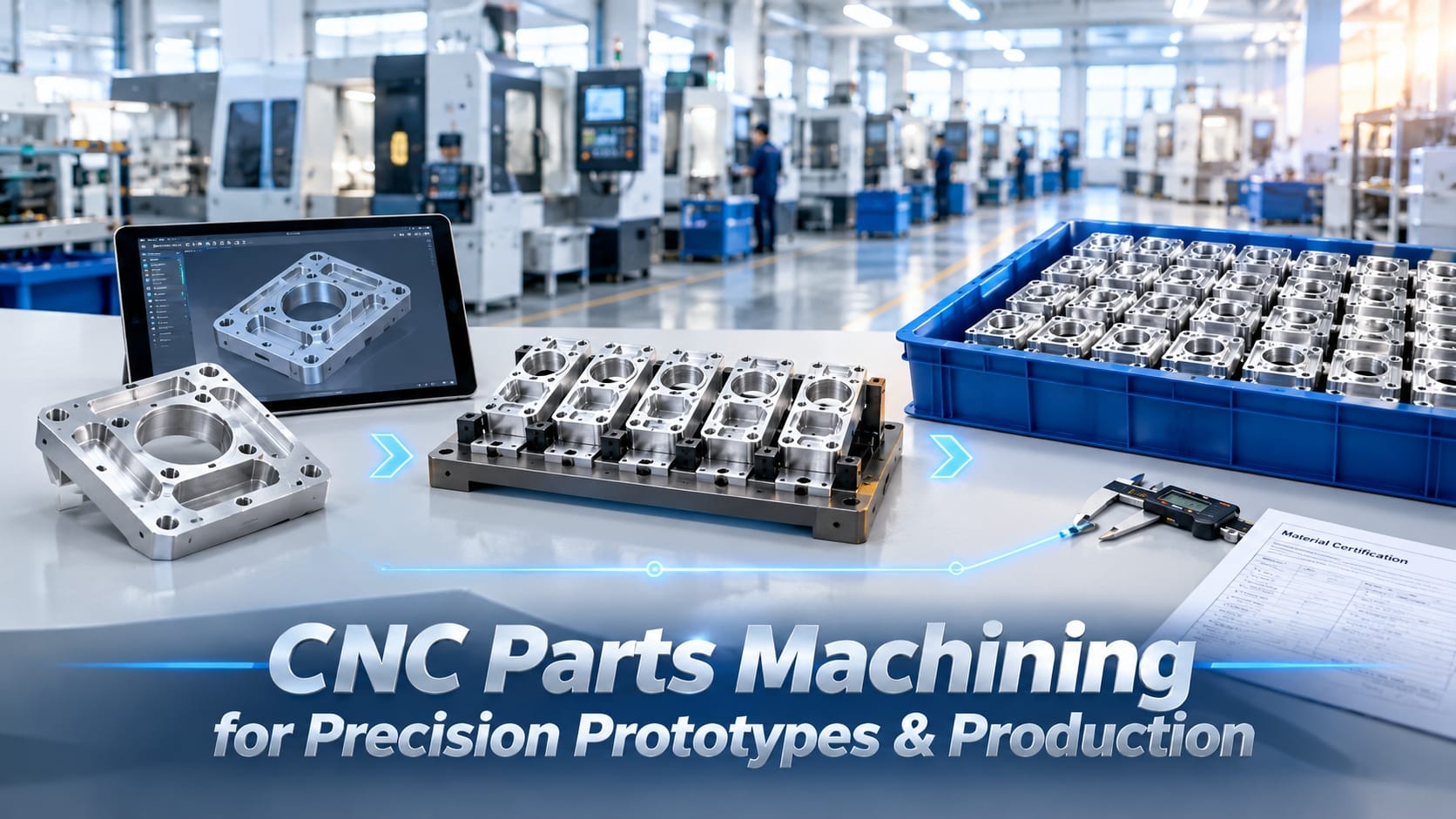
Furthermore, global sourcing managers must balance production quality with cost efficiency. Partnering with reliable china cnc machining suppliers who operate under ISO 9001:2015 quality management systems allows engineering teams to secure robust supply chains without sacrificing technical accuracy. Bridging advanced CNC milling with automated press brakes guarantees that your custom enclosures transition smoothly from initial prototyping to high-volume production.
Technical Insight Block: What is Geometric Dimensioning and Tolerancing (GD&T)?
GD&T is an international engineering language (defined by ASME Y14.5 and ISO 1101 standards) that uses a symbolic language on engineering drawings to specify the exact allowable variation of geometric features. Unlike traditional coordinate dimensioning, GD&T defines the functional relationship between features. In enclosure manufacturing, specifying controls like Flatness, Parallelism, and Profile of a Surface ensures that mating sheet metal panels bolt together effortlessly and form airtight or dust-tight seals without inducing structural stress.
Mastering Material Selection: From Stainless Steel to Aluminum Alloys
Selecting the proper material is a foundational step when designing high-performance enclosures. The chosen alloy directly impacts the minimum bend radius, springback factor, and the overall structural integrity of the component. For harsh environments requiring superior corrosion resistance and high tensile strength, sourcing a custom cut stainless steel solution is often the ideal choice. Stainless steel grades like 304 and 316 yield exceptional durability, though they demand highly rigid press brakes and precise over-bending calculations due to their high yield strength.
To understand the standardized chemical compositions and mechanical limits of these alloys, procurement teams often cross-reference global material databases. For instance, the ASM International Materials Information Network provides exhaustive technical data sheets detailing how thermal treatments alter the formability of structural steels. Additionally, engineers can consult the validation frameworks provided by the ASTM International standards to evaluate specific stress-strain parameters under extreme mechanical loading.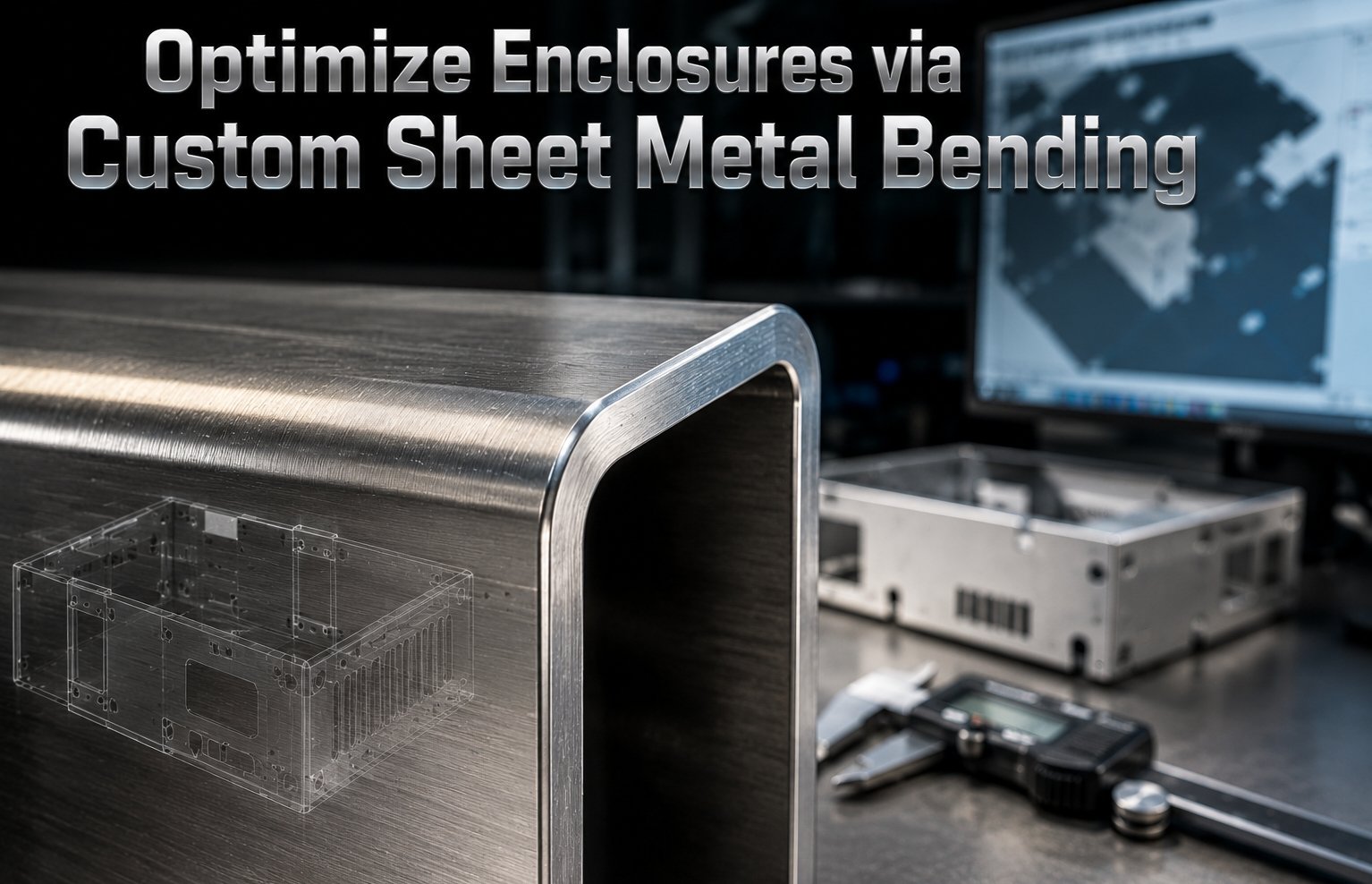
Conversely, when weight reduction and thermal conductivity are paramount—such as in aerospace or consumer electronics housing—aluminum alloys like AL6061 and AL5052 are preferred. To avoid fracturing along the grain line during the bending process, engineers must carefully match the material hardness (temper) with the appropriate inner bend radius.
| Material Type | Yield Strength (MPa) | Recommended Min. Bend Radius | Thermal Conductivity (W/m·K) | Primary Application Focus |
|---|---|---|---|---|
| Aluminum 5052-H32 | 193 | 1.0 × Thickness | 138 | Electronic Chassis, Marine Enclosures |
| Aluminum 6061-T6 | 276 | 1.5 × Thickness | 167 | Aerospace Components, Heat Sinks |
| Stainless Steel 304 | 215 | 1.0 × Thickness | 16.2 | Food Processing, Outdoor Junction Boxes |
| Stainless Steel 316 | 290 | 1.5 × Thickness | 14.3 | Chemical Processing, Medical Enclosures |
Beyond metals, modern electronic assemblies frequently rely on polymer internal components, insulation barriers, or specialized structural frames. Sourcing a provider that can manufacture high-accuracy internal layouts alongside metal chassis allows you to seamlessly order custom plastic parts. Integrating precise engineering across both metallic and polymer substrates prevents common alignment challenges during final assembly.
Overcoming Common Mechanical Defects in Sheet Metal Bending
The custom sheet metal bending process involves complex material deformation. When a flat sheet is compressed by a top punch into a bottom V-die, the material undergoes both tensile stress on the outer radius and compressive stress on the inner radius. This mechanical stress introduces variables like springback, where the metal attempts to return to its original flat shape after the forming pressure is released. Left unmanaged, springback causes out-of-tolerance bend angles that compromise the structural integrity of your enclosure.
To consistently achieve the tight dimensional tolerances required by global procurement professionals, manufacturers rely on CNC-controlled press brakes equipped with real-time angle measurement and automatic crowning compensation systems. This specialized technology calculates the unique material deflection on every single cycle, ensuring a highly repeatable process.
Request a Technical Quote from Our Engineering Team Today
For high-volume production runs, relying on custom stamped metal parts offers excellent part-to-part consistency. Stamping dies can be precision-machined with hard inserts that pierce, coin, and bend complex 3D profiles in a single press stroke. By eliminating secondary manual handling operations, this approach drastically drops unit costs while stabilizing your quality metrics.
The Benefits of Sourcing Custom CNC Machining from China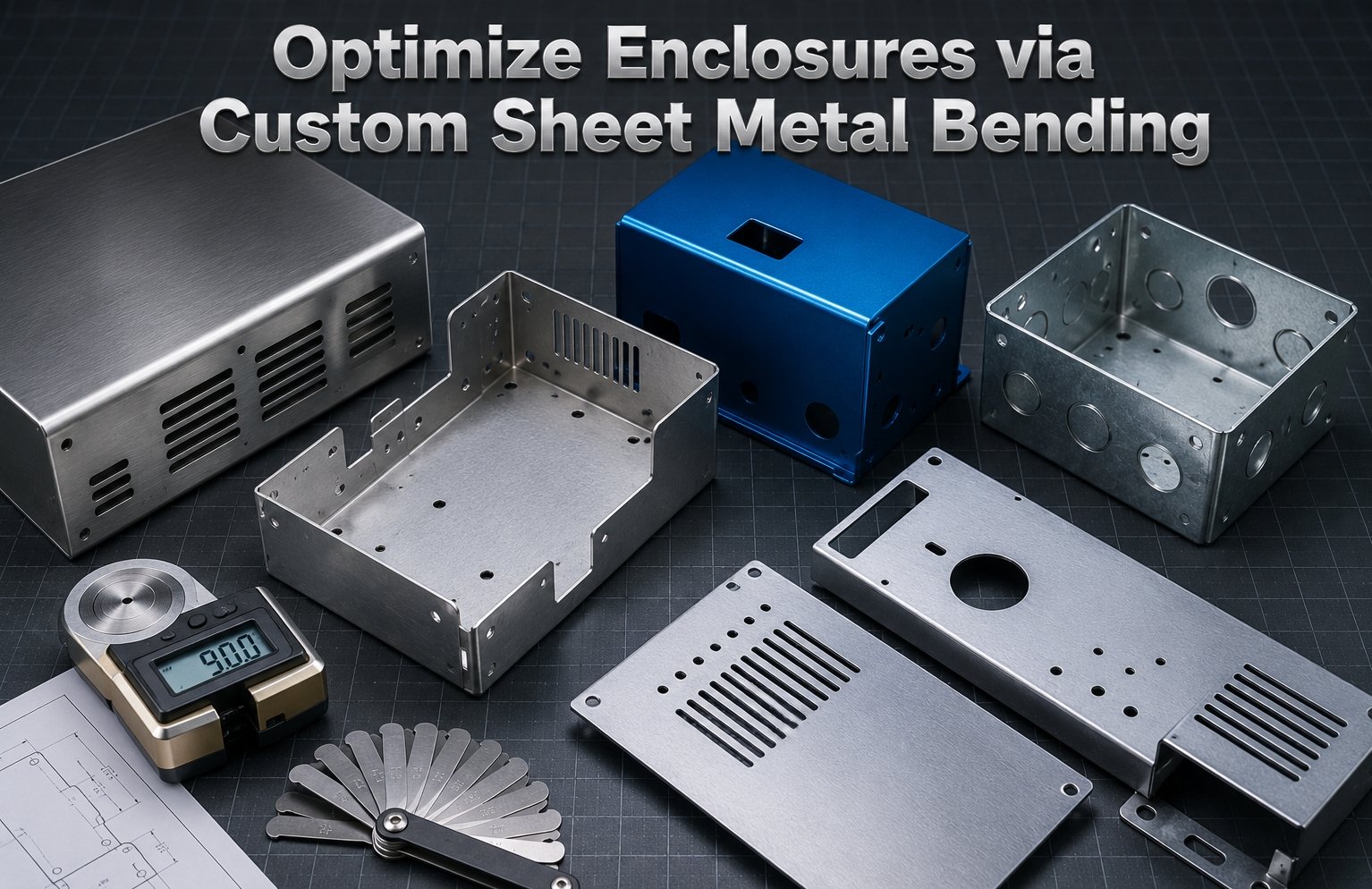
Navigating the global supply chain requires selecting a manufacturing partner that offers the optimal balance of technical capability, scalability, and cost-efficiency. Sourcing custom cnc machining in china provides OEM engineers and procurement managers access to vast ecosystems of raw materials, surface treatment facilities, and highly advanced manufacturing technologies.
According to published engineering guidelines from the American Society of Mechanical Engineers (ASME), integrating multi-axis CNC machining with automated sheet metal forming reduces total production cycle times by up to 35% compared to fragmented, multi-vendor supply chains. This efficiency stems from a deeply integrated ecosystem where 5-axis machining centers, precision turning lathes, and automated sheet metal bending cells operate under a single, unified quality standard.
Furthermore, leading manufacturers leverage hybrid manufacturing setups. For instance, when designing complex structural frames, utilizing custom cnc cast iron parts as the heavy structural base combined with lightweight, custom sheet metal bent panels delivers an optimal balance of structural rigidity, vibration damping, and overall weight management.
Optimizing Designs for Cost-Effective, High-Yield Production
Designing for Manufacturability (DFM) is critical to keeping production costs low while ensuring high component yields. When designing custom sheet metal enclosures, keeping all bend radii uniform across the entire part is a highly effective optimization strategy. Using a single bend radius means the press brake operator can complete the component using one set of tooling, completely eliminating time-consuming setup changes and lowering labor costs.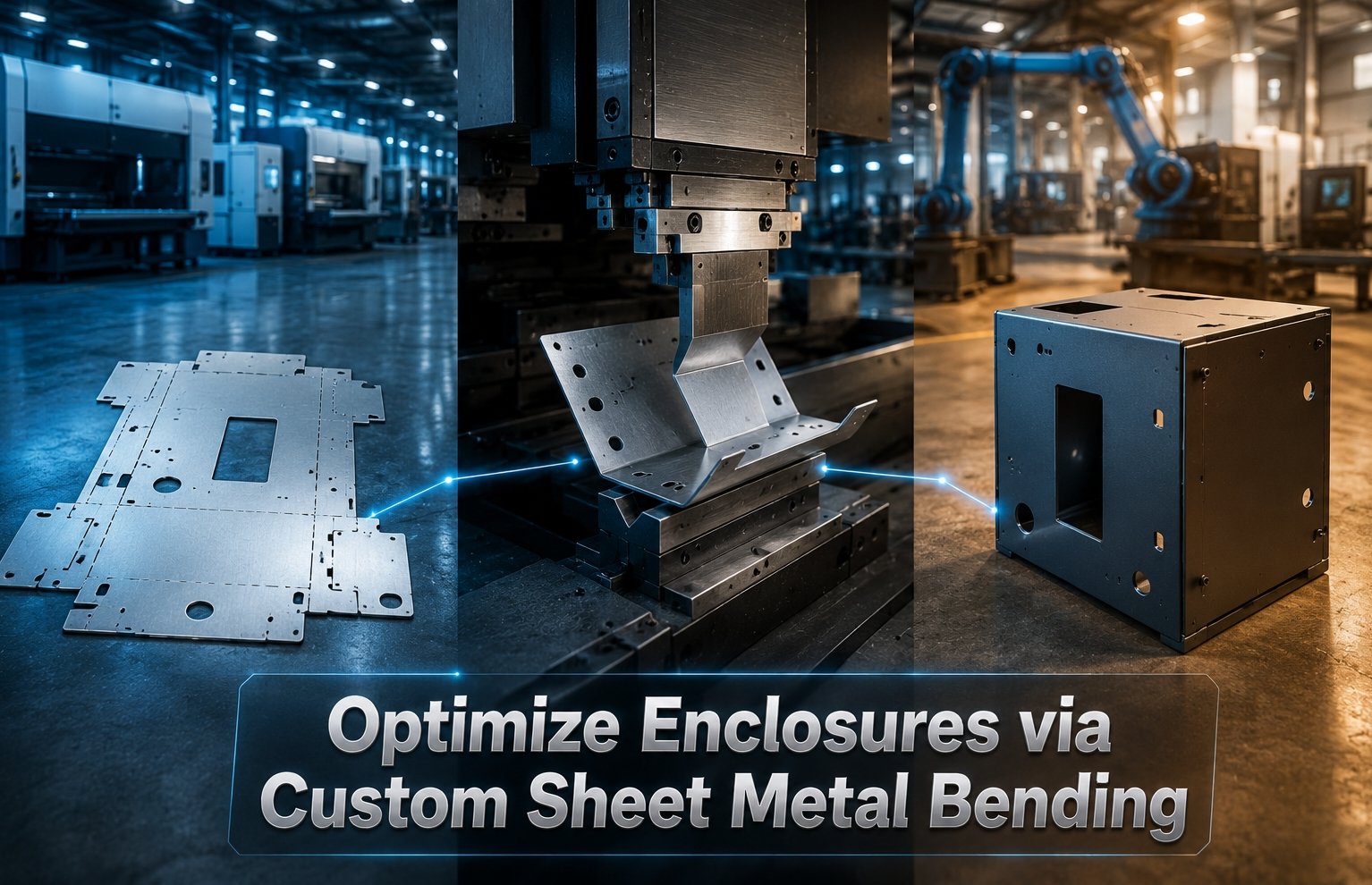
Another key DFM principle is maintaining a safe distance between holes, slots, or cutouts and the bend tangent line. If a hole is placed too close to a bend radius, the metal will stretch and deform during forming, resulting in an out-of-round hole that prevents fasteners from threading correctly. As a general rule of thumb, always position holes at a distance of at least 2.5 to 3 times the material thickness away from the bend line. To deep-dive into comprehensive design limits for industrial enclosures, engineers can consult the peer-reviewed design textbooks hosted on the ScienceDirect Engineering Database.
Contact Our Engineering Desk to Upload Your CAD Files for a Free DFM Review
For enclosures that require highly detailed internal features, complex structural variations, or optical components, integrating advanced precision custom machining alongside your sheet metal panels allows for complex geometries that standard bending or sheet metal stamping simply cannot achieve. This hybrid engineering approach ensures your product stands out in both performance and structural durability.