CNC Machining Manufacturer
CNC Machining Materials
- 200+ Materials
- 24/7 Technical Support
- 25 Years of Experience in CNC
- 97.8% Customer Satisfaction


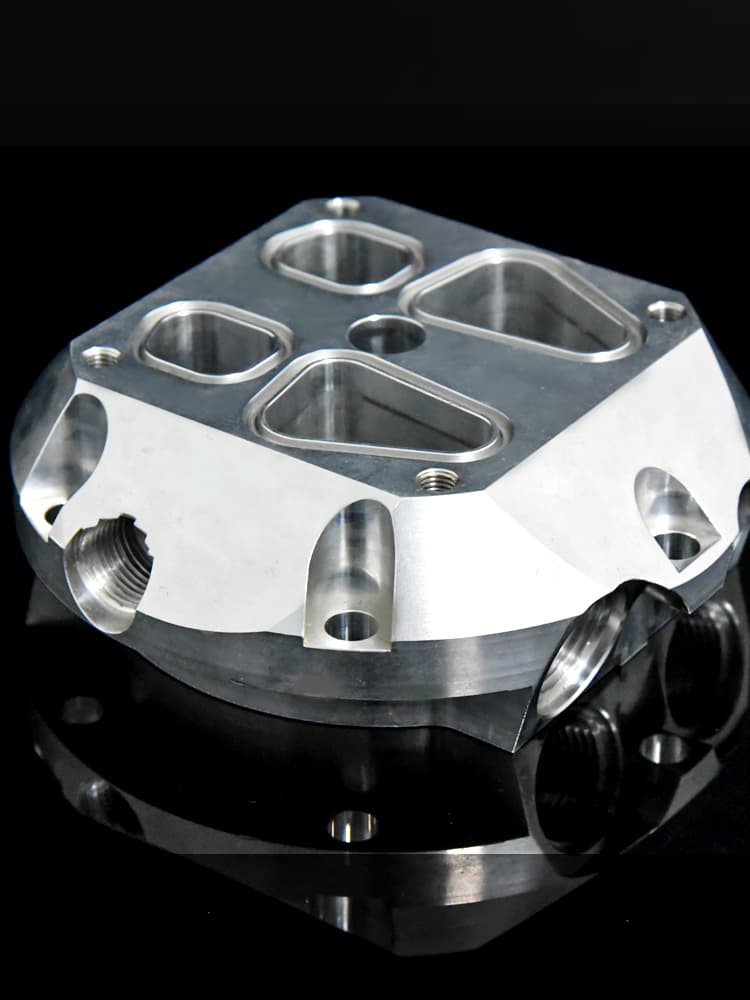
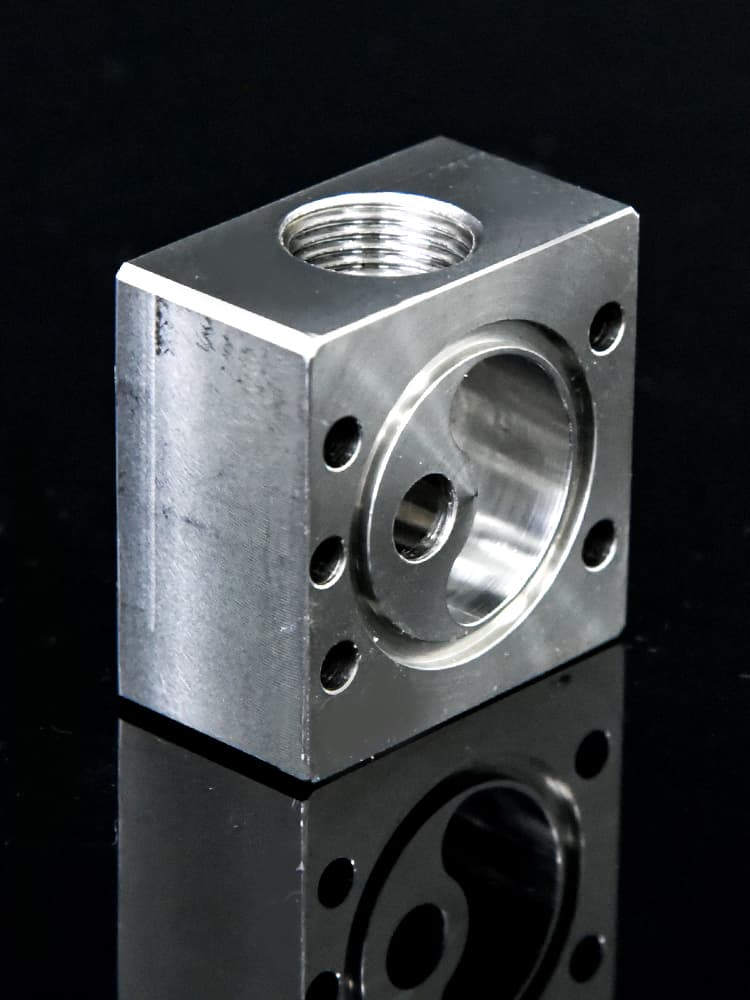
Aluminum
Features: High strength-to-weight ratio, exceptional thermal conductivity, robust corrosion resistance, and superior machinability.
Common Grades: 6061, 7075, 2024, 5052.
Applications: Aerospace structures, automotive components, electronics enclosures, medical devices, and renewable energy sectors.
- Precision Machining: Utilizing state-of-the-art 5-axis CNC machining centers and customized rigid workholding, we consistently achieve tight dimensional tolerances up to ±0.01mm.
- Advanced Surface Finishing: We provide comprehensive surface treatment solutions, including anodizing, precision sandblasting, and mechanical polishing, to fulfill stringent aesthetic and functional requirements.
- Cost-Efficiency & Rapid Delivery: Optimized toolpaths and cutting parameters significantly minimize material scrap, while our streamlined production workflow accelerates delivery cycles by 20% compared to the industry standard.
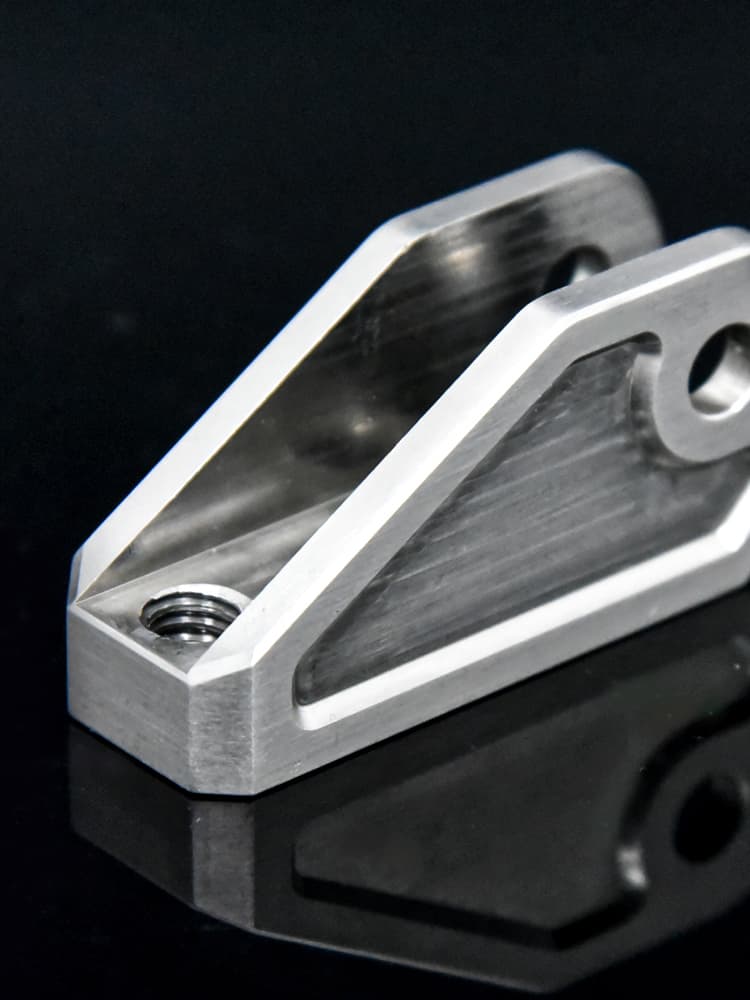
Stainless Steel
Features: Exceptional tensile strength, superior corrosion resistance, high thermal tolerance, and low maintenance requirements.
Common Grades: 304, 316, 410, 17-4PH.
Applications: Food processing machinery, medical devices, marine hardware, automotive engineering, and high-end consumer appliances.
- Overcoming Machining Challenges: Utilizing specialized cutting geometries and advanced high-pressure cooling technologies, we effectively mitigate work hardening, thermal deformation, and accelerated tool wear.
- Corrosion Resistance Assurance: Rigorous machining protocols and precision surface treatments ensure component longevity, delivering a 30% increase in service life.
- Consistent Quality: Comprehensive 100% dimensional inspection and surface hardness testing guarantee a 99.8% qualification rate across all production lots.
Carbon Steel
Low Carbon Steel: Moderate tensile strength combined with superior ductility and formability, ideal for light structural components.
Medium Carbon Steel: Enhanced mechanical strength and yield toughness, perfectly suited for heavy-duty load-bearing parts.
High Carbon Steel: Maximum hardness and wear resistance, engineered for heavy-duty cutting tools and resilient spring components.
Applications: Precision gears, heavy-duty shafts, structural frameworks, complex industrial machinery components, and die/mold fabrications.
- High Efficiency & Cost Control: Through optimized high-velocity cutting toolpaths, we drastically minimize material waste, driving production cost down by 10%.
- Advanced Heat Treatment: We offer comprehensive in-house thermal processing—including quenching, tempering, and annealing—to guarantee precise mechanical properties and structural stability.
- High-Volume Manufacturing: Armed with robust scalable production lines, we comfortably exceed an annual capacity of 500,000 carbon steel components while ensuring accelerated lead times.
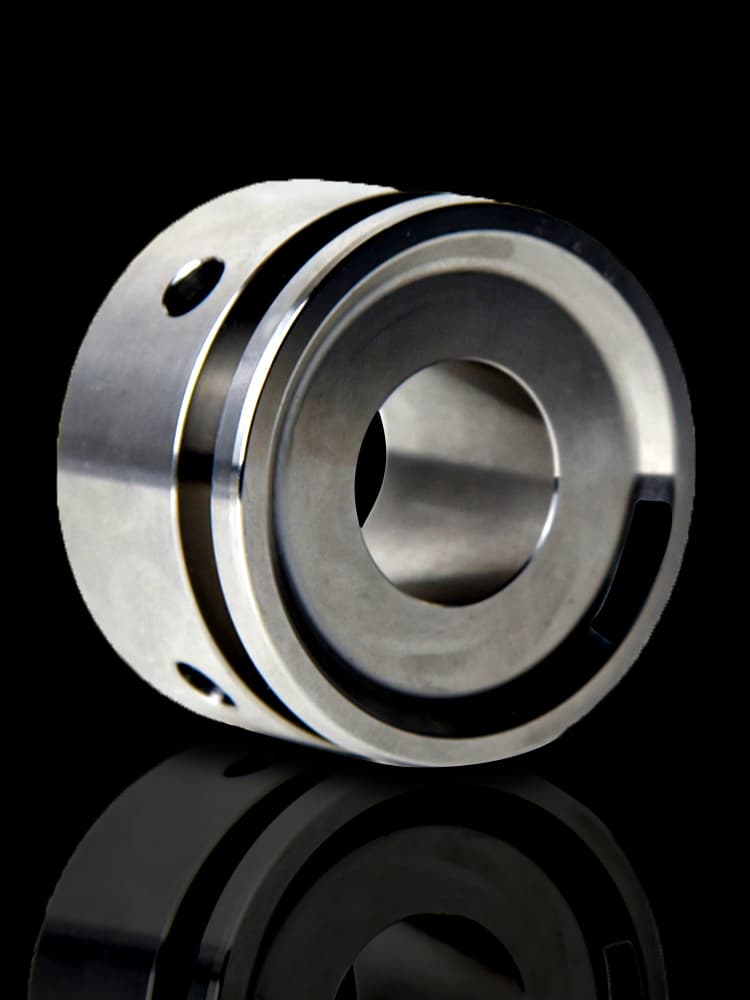
Alloy Steel
4140 Alloy Steel: Exceptional fatigue strength and wear resistance, ideal for heavy-load structural components.
4340 Alloy Steel: Combines deep-hardening fracture toughness with high ductility, engineered for aerospace and heavy industrial applications.
8620 Alloy Steel: Carburizing grade featuring excellent case-hardenability and a highly resilient, tough core, perfectly suited for gears and crankshafts.
- Specialized Tooling & Parameter Optimization: Utilizing high-rigidity cutting tools and synchronized parameter optimization, we effectively conquer high-hardness barriers and mitigate accelerated tool wear.
- Performance & Durability Assurance: Advanced carburizing, quenching, and tempering protocols significantly enhance surface hardness, extending overall part service life by 30%.
- Uncompromising Quality Control: Rigorous 100% Rockwell hardness testing and precision dimensional verification guarantee a 99.8% qualification rate for all components.
Learn more about CNC alloy steel parts materials>>
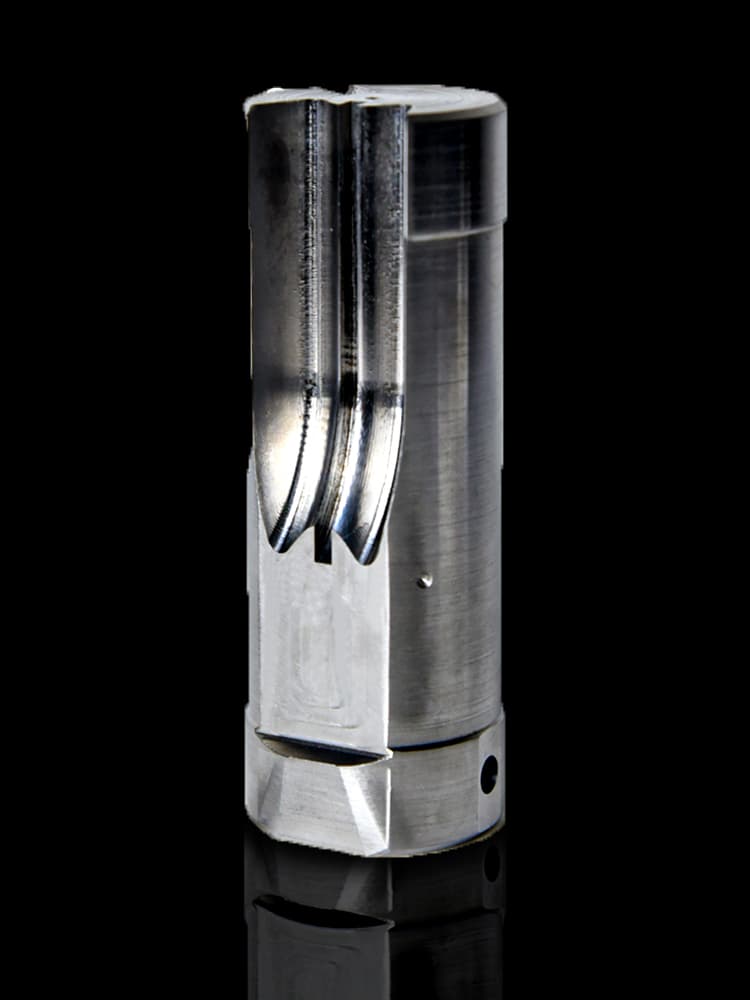
Tool Steel
- Mastering Hard-to-Machine Materials: Decades of specialized tool steel machining expertise allow us to thoroughly control micro-deformation and prevent thermal micro-cracking during processing.
- Ultra-High Precision Tolerances: Consistently achieving dimensional accuracy as tight as ±0.005mm, satisfying the most stringent criteria for critical mold and aerospace-grade tooling components.
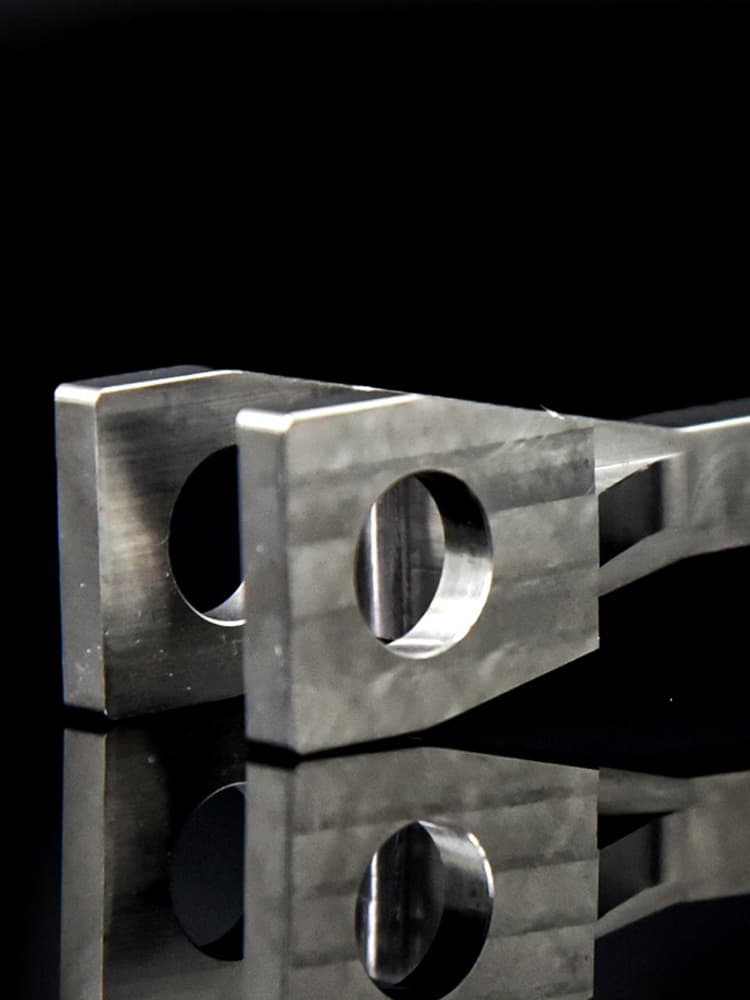
Titanium
Features: Extreme strength-to-weight ratio, low density, ultimate corrosion resistance, and excellent biocompatibility.
Common Grades:
Ti-6Al-4V (Grade 5): The benchmark titanium alloy, widely specified for its supreme mechanical strength and corrosion resistance.
Grade 2 Commercially Pure Titanium: Delivers excellent formability and superior corrosion resistance in aggressive environments.
Applications: Aerospace structures, biomedical implants, chemical processing vessels, and high-end motorsport engineering.
- Solutions for Difficult-to-Machine Materials: By deploying specialized carbide tools and rigid machining parameters, we effectively mitigate titanium’s low thermal conductivity, high spring-back tendencies, and accelerated tool wear.
- Advanced Surface Finishing: Providing precision bead blasting, passivation, and custom anodizing treatments to significantly enhance surface durability, aesthetics, and wear profiles.
- Aerospace-Grade Precision & Reliability: Consistently delivering tight tolerances and structural integrity to meet the uncompromising standards of high-performance mission-critical industries.
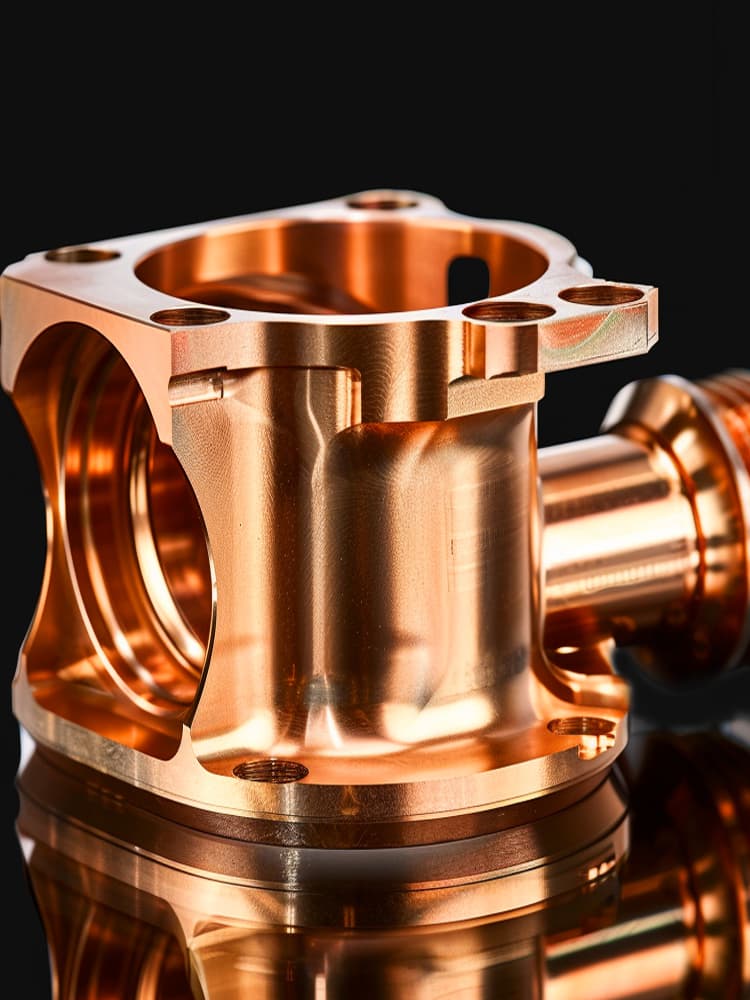
Copper
C110 (Electrolytic Tough Pitch Copper): Features exceptional electrical and thermal conductivity combined with excellent cold working properties.
C101 (Oxygen-Free Electronic Copper): Offers ultimate electrical conductivity and high purity, ideal for high-vacuum, semiconductor, and premium electronics.
Applications: High-performance electrical connectors, semiconductor components, semiconductor packaging, RF shielding, and high-efficiency heat sinks.
- High-Precision Conductive Component Machining: Through specialized tool geometry to prevent material adhesion, we control dimensional tolerances to within ±0.005mm, ensuring stable electrical signal transmission.
- Superior Surface Integrity: Precision diamond polishing and rigorous optical inspection guarantee burr-free edges and an ultra-smooth surface roughness of up to Ra0.4.
- Complex & Intricate Geometry Machining: Advanced 5-axis CNC machining centers efficiently execute intricate internal pathways, thin-walled structures, and highly detailed profiles without material distortion.

Brass
C360 (Free-Cutting Brass): Delivers peak machinability and low tool wear, engineered for ultra-high-speed precision turning and complex component fabrication.
C272 (Yellow Brass): Offers excellent cold-working ductility and formability, ideally suited for architectural, stamped, and decorative components.
Applications: Fluid control manifolds, precision plumbing components, heavy-duty valve internals, electronic connectors, and luxury decorative hardware.
- Superior Surface Finish Quality: Consistently achieving a pristine surface roughness of up to Ra0.4, satisfying the strict cosmetic and contact criteria for high-end connectors and exposed hardware.
- High-Velocity Machining Efficiency: Through tailored high-speed toolpath strategies and synchronized machining parameters, we enhance throughput and cycle efficiency by 20%.
- High-Volume Production Stability: Equipped with automated bar feeders and real-time SPC tracking, we comfortably handle mass production runs with a 99.8% component qualification rate.
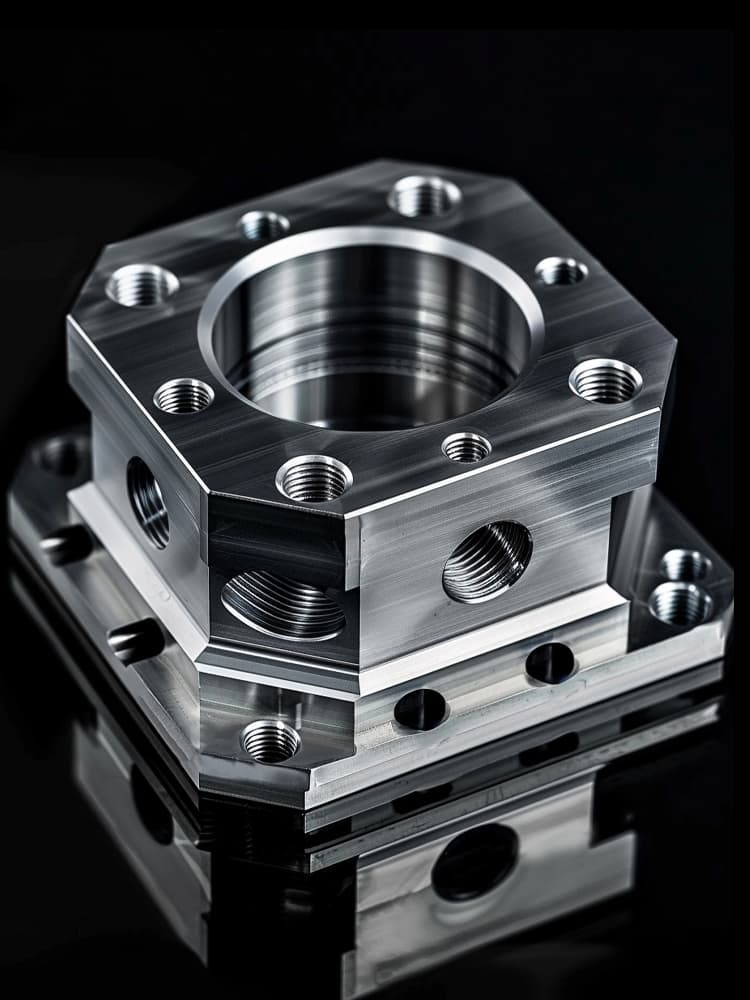
Super Alloys
Features: Exceptional mechanical strength, excellent creep resistance, and superior oxidation/corrosion resistance under extreme elevated temperatures.
Common Grades: Inconel 718, Hastelloy C276, Monel 400.
Applications: Aerospace propulsion engines, gas turbine components, deep-sea oil/gas hardware, and severe-service chemical processing systems.
- Mastering Hard-to-Machine Superalloys: Armed with deep engineering expertise in processing Inconel and Hastelloy, we implement customized rigid setups and advanced cooling strategies to conquer severe work-hardening tendencies and high cutting forces.
- Extreme Durability & High Precision: We deliver flight-ready and mission-critical components that withstand ultra-hostile, thermal, and corrosive environments, consistently maintaining a 99.8% customer acceptance rate.
CNC Machining Materials Selection by Features
Metal Material
Aluminum 6061
√ Good machinability, easy to cut and shape, the most widely used aluminum alloy material.
√ Commonly used in aerospace, automotive parts, and consumer electronics housings.
Stainless Steel 304
√ Good machinability, suitable for most conventional machining techniques.
√ Used in food processing equipment, architectural decoration, and medical devices.
Brass C360
√ Easy to machine, provides good machinability with tight tolerances and smooth surfaces.
√ Commonly used in precision instruments, electrical components, and decorative items.
Plastic Material
Polyether Ether Ketone (PEEK)
√ Highly machinable, endures high temperatures and chemicals, perfect for complex shapes.
√ Used in aerospace, medical devices, and automotive industries for high-performance components.
Nylon 6/6
√ Excellent machinability, high friction and chemical resistance, can be machined using various techniques.
√ Used for manufacturing gears, bearings, and other industrial machinery parts.
Polyoxymethylene (POM)
√ Excellent machinability, high mechanical strength, and high dimensional stability.
√ Widely used for manufacturing precision gears, bearings, sliding parts, and moving parts.
Metal Material
Aluminum 6061-T6
√ Good mechanical properties and corrosion resistance, but may be limited in marine environments.
√ Commonly used in aerospace parts, automotive components, structural frames.
Stainless Steel 316L
√ Excellent resistance to pitting and crevice corrosion.
√ Commonly used in chemical equipment, medical devices, marine engineering, and other high-corrosion-resistant environments.
Titanium Alloy Ti-6Al-4V
√ High strength and excellent corrosion resistance. Highly stable in almost all environments.
√ Commonly used in aerospace components, medical implants, marine engineering parts.
Plastic Material
Polyvinylidene Fluoride (PVDF)
√ Excellent chemical corrosion resistance and mechanical properties.
√ Commonly used in chemical processing equipment, piping systems, pumps, and valves.
Polytetrafluoroethylene (PTFE)
√ A modified PTFE material offering higher mechanical strength and high-temperature performance.
√ Commonly used in seals, gaskets, insulation materials, and corrosion-resistant linings.
Polyether Ether Ketone (PEEK)
√ Excellent chemical corrosion resistance, mechanical strength, and high-temperature performance.
√ Commonly used in aerospace components, automotive parts, medical devices, and chemical equipment.
Metal Material
Carbon Steel (AISI 1018)
√ Low carbon steel with good machinability and toughness and low cost.
√ Used for machine parts, gears, shafts, and bolts.
Aluminum Alloy 6061-T6
√ Excellent machinability, corrosion resistance, and relatively low cost.
√ Used in structural components, automotive parts, aerospace parts, and consumer electronics.
Brass (C36000)
√ Free machining brass with excellent machinability and corrosion resistance.
√ Precision instruments, valves, fittings, and electrical components.
Plastic Material
Polyether Ether Ketone (PEEK)
√ Highly machinable, endures high temperatures and chemicals, perfect for complex shapes.
√ Used in aerospace, medical devices, and automotive industries for high-performance components.
Nylon 6/6
√ Excellent machinability, high friction and chemical resistance, can be machined using various techniques.
√ Used for manufacturing gears, bearings, and other industrial machinery parts.
Polyoxymethylene (POM)
√ Excellent machinability, high mechanical strength, and high dimensional stability.
√ Widely used for manufacturing precision gears, bearings, sliding parts, and moving parts.
Metal Material
Titanium Alloy (Ti-6Al-4V)
√ Excellent fatigue resistance, lightweight, high strength, and corrosion resistance.
√ Aerospace components, medical implants, marine engineering parts.
Stainless Steel (17-4PH)
√ Good fatigue resistance, high strength, and corrosion resistance.
√ Aerospace components, chemical processing equipment, medical instruments.
Aluminum Alloy (7075-T6)
√ Excellent fatigue resistance, high strength, and good machinability.
√ Aerospace structural components, racing parts, bicycle frames.
Plastic Material
Polyether Ether Ketone (PEEK)
√ Extremely high fatigue resistance, high-temperature resistance, and chemical corrosion resistance.
√ Aerospace components, automotive parts, medical devices.
Polyamide (PA) Nylon 6/6
√ Good fatigue resistance, high strength, and wear resistance.
√ Gears, pulleys, mechanical parts, and bearings.
Polycarbonate (PC)
√ Good fatigue resistance, high impact strength, and transparency.
√ Safety protective equipment, optical lenses, electronic housings.
Metal Material
Aluminum Alloy (6061-T6)
√ Excellent dimensional stability, good machinability, and corrosion resistance.
√ Aerospace structural components, automotive parts, mechanical components.
Stainless Steel (303)
√ Good dimensional stability, high strength, and corrosion resistance.
√ Precision instrument parts, bolts, nuts, and bearings.
Carbon Steel (AISI 1045)
√ Good dimensional stability, high strength, easy to machine and heat treat.
√ Shafts, gears, connecting rods, and mechanical parts.
Plastic Material
Polycarbonate (PC)
√ Good dimensional stability, high impact strength, and transparency.
√ Optical lenses, safety protective equipment, electronic housings.
Polyoxymethylene (POM)
√ Excellent dimensional stability, mechanical strength, and wear resistance.
Applications: Precision parts, gears, bearings, and automotive components.
Nylon (PA) Nylon 6/6
√ Good dimensional stability, high strength, and wear resistance.
√ Gears, pulleys, mechanical parts, and bearings.
Metal Material
Aluminum Alloy (6061-T6)
√ Good ductility, excellent machinability, and corrosion resistance.
√ Aerospace structural components, automotive parts, construction materials.
Brass (C26000)
√ Excellent ductility and good machinability, easy to form.
√ Precision instruments, valves, fittings, and electrical components.
Copper (C11000)
√ Extremely high ductility and electrical conductivity, easy to process and form.
√ Electrical components, piping, radiators.
Metal Material
Copper (C11000)
√ Extremely high electrical and thermal conductivity, good ductility, and corrosion resistance.
√ Electrical components, conductive tracks, distribution equipment.
Brass (C36000)
√ Good electrical conductivity, corrosion resistance, and excellent machinability.
√ Precision instruments, connectors, valves, fittings, and electrical components.
Aluminum Alloy (6063-T5)
√ Good electrical conductivity, lightweight, and high corrosion resistance.
√ Conductive busbars, cables, electronic heat sinks.
Plastic Material
Polytetrafluoroethylene (PTFE)
√ Excellent electrical insulation properties, high-temperature resistance, and chemical corrosion resistance.
√ Electrical insulation materials, seals, chemical equipment linings.
Polyoxymethylene (POM)
√ Good electrical insulation properties, mechanical strength, and wear resistance.
√ Precision parts, gears, bearings, and electrical insulation components.
Polyamide (PA) Nylon 6/6
√ Good electrical insulation properties, high strength, and wear resistance.
√ Gears, pulleys, mechanical parts, and electrical insulation components.
Metal Material
Stainless Steel (304)
√ Excellent high-temperature resistance and corrosion resistance, non-combustible, high mechanical strength.
√ Building structural components, kitchen equipment, chemical processing equipment.
Titanium Alloy (Ti-6Al-4V)
√ Excellent high-temperature resistance and mechanical strength, lightweight, non-combustible.
√ Aerospace components, medical implants, high-temperature environment applications.
Aluminum Alloy (6061-T6)
√ Good mechanical properties and high-temperature resistance, non-combustible.
√ Aerospace structural components, automotive parts, construction materials.
Plastic Material
Polycarbonate (PC)
√ Excellent flame resistance, high impact strength, and transparency.
√ Safety protective equipment, optical lenses, electronic housings.
Polyether Ether Ketone (PEEK)
√ Excellent flame resistance, high-temperature resistance, and mechanical strength.
√ Aerospace components, automotive parts, medical devices.
Polyvinylidene Fluoride (PVDF)
√ Excellent flame resistance, chemical corrosion resistance, and mechanical strength.
√ Chemical processing equipment, electrical insulation, piping systems.
Metal Material
Stainless Steel (310S)
√ Excellent high-temperature resistance, withstanding up to 1150°C, and good corrosion resistance.
√ High-temperature furnace components, combustion chambers, heat exchangers.
Titanium Alloy (Ti-6Al-4V)
√ Excellent high-temperature resistance and mechanical strength, lightweight, withstanding up to 700°C.
√ Aerospace components, engine parts, high-temperature environment applications.
Nickel Alloy (Inconel 718)
√ Exceptional high-temperature resistance and oxidation resistance, withstanding up to 700°C, and excellent mechanical strength.
√ Turbine engine parts, nuclear reactor components, aerospace structural components.
Plastic Material
Polyether Ether Ketone (PEEK)
√ Excellent high-temperature resistance, capable of long-term use at temperatures up to 260°C, along with high mechanical strength and chemical corrosion resistance.
√ Aerospace components, automotive parts, medical devices.
Polyimide (PI)
√ Outstanding high-temperature resistance, usable at temperatures up to 400°C, with good electrical insulation properties.
√ Electronic insulation materials, high-temperature seals, aerospace applications.
Metal Material
D2 Tool Steel
√ High-carbon, high-chromium alloy tool steel with excellent wear resistance and high hardness.
√ Molds, cutting tools, knives, bearing components.
Alloy Steel 42CrMo
√ High strength, high toughness, good hardenability, and excellent wear resistance.
√ Gears, shafts, connectors, fasteners, and other high-strength parts.
440C Stainless Steel
√ High-carbon stainless steel with very high hardness and wear resistance, along with good corrosion resistance.
√ Bearings, knives, valve components, molds.
Plastic Material
Polyoxymethylene (POM)
√ Excellent wear resistance, high mechanical strength, low friction coefficient, and chemical resistance.
√ Precision parts, gears, bearings, sliding components.
Polyamide (PA) Nylon 6/6
√ Good wear resistance and mechanical strength, chemical resistance, and low water absorption.
√ Gears, pulleys, mechanical parts, bearings, bushings.
Polyether Ether Ketone (PEEK)
√ Outstanding wear resistance, high mechanical strength, high-temperature resistance, and chemical resistance.
√ Aerospace components, automotive parts, medical devices, sliding components, valve seats.
Metal Material
Aluminum Alloy (6061-T6)
√ Good mechanical properties, corrosion resistance, lightweight, and easy to machine.
√ Aerospace structural components, automotive parts, construction materials.
Density: 2.70 g/cm³
Magnesium Alloy (AZ91D)
√ Extremely lightweight, good mechanical properties, and corrosion resistance.
√ Automotive parts, electronic product housings, aerospace components.
Density: 1.81 g/cm³
Titanium Alloy (Ti-6Al-4V)
√ High strength, lightweight, excellent corrosion resistance, and good high-temperature performance.
√ Aerospace components, medical implants, sports equipment.
Density: 4.43 g/cm³
Plastic Material
Polyethylene (PE)
√ Lightweight, high flexibility, chemical corrosion resistance, and impact resistance.
√ Soft packaging, films, containers, pipes.
Density: 0.91 – 0.94 g/cm³
Polypropylene (PP)
√ Lightweight, good mechanical properties, and chemical corrosion resistance.
√ Packaging materials, containers, fibers, automotive parts.
Density: 0.89 – 0.92 g/cm³
Polycarbonate (PC)
√ Good mechanical properties, high impact strength, transparency, and lightweight.
√ Safety protective equipment, optical lenses, electronic housings.
Density: 1.20 – 1.22 g/cm³
Metal Material
Stainless Steel (316L)
√ Excellent UV resistance, corrosion resistance, and high strength. Suitable for long-term outdoor use without UV damage.
√ Precision mechanical parts, marine equipment, outdoor construction components, chemical equipment parts.
Aluminum Alloy (6061-T6)
√ Good UV resistance, corrosion resistance, and lightweight. Suitable for outdoor applications, maintaining performance under prolonged sunlight exposure.
√ Precision instrument housings, aerospace structural components, automotive parts, construction materials.
Titanium Alloy (Ti-6Al-4V)
√ High strength, excellent UV resistance, and good corrosion resistance. Ideal for long-term outdoor exposure.
√ Precision aerospace components, outdoor sports equipment, medical devices, building facades.
Plastic Material
Polyoxymethylene (POM) Delrin® UV
√ Excellent UV resistance, high mechanical strength, low friction coefficient, and chemical resistance. Designed for outdoor use, it withstands prolonged UV exposure without degradation.
√ Precision gears, sliding components, bearings, outdoor instrument parts.
Polyether Ether Ketone (PEEK UV)
√ Excellent UV resistance, high mechanical strength, high temperature resistance, and chemical resistance. Maintains performance under high UV exposure.
√ Precision instrument parts, automotive components, medical devices, outdoor application parts.
Polyamide (PA) Nylon 6/6 UV Stabilized
√ Good UV resistance, wear resistance, and mechanical strength. Enhanced with UV stabilizers to withstand prolonged UV exposure without degradation.
√ Precision gears, sliding components, mechanical parts, outdoor equipment parts.
Metal Material
Aluminum Alloy (5052-H32)
√ Good noise reduction and corrosion resistance, lightweight, suitable for manufacturing soundproofing and vibration-damping components.
√ Car body panels, machinery equipment housings, soundproof walls.
Stainless Steel (304)
√ Good noise reduction and corrosion resistance, high mechanical strength, suitable for manufacturing high-strength soundproof components.
√ Machinery equipment housings, pipe soundproof sleeves, building soundproof materials.
Nickel Alloy (Inconel 625)
√ Excellent noise reduction, high-temperature resistance, and corrosion resistance, suitable for soundproofing applications in extreme environments.
√ Turbine engine soundproof covers, high-temperature soundproof components, aerospace noise reduction parts.
Plastic Material
Polyurethane (PU)
√ Excellent noise reduction and vibration absorption properties, with good flexibility and wear resistance. Suitable for manufacturing soundproofing and vibration-damping parts.
√ Soundproof panels, seals, vibration-damping pads, precision mechanical components.
Polyethylene (PE)
√ Good noise reduction properties, impact resistance, and chemical resistance. Lightweight and flexible, suitable for manufacturing various noise reduction parts.
√ Soundproof mats, pipe soundproof sleeves, noise-reduction components for machinery.
Polyester Fiber (PET Fiber)
√ Excellent sound absorption and noise reduction properties, with good wear resistance and chemical resistance. Suitable for manufacturing high-efficiency sound-absorbing materials.
√ Sound-absorbing panels, soundproof materials, precision mechanical components, automotive interiors.
Metal Material
Stainless Steel (304)
√ Excellent compressive strength, corrosion resistance, and high strength. Suitable for applications in high-strength and high-pressure environments.
√ High-pressure vessels, structural components, pump and valve parts, building components.
Aluminum Alloy (7075-T6)
√ Extremely high compressive strength, strength, and hardness, while being lightweight. Suitable for high-strength and high-load applications.
√ Aerospace structural components, automotive parts, high-pressure vessels.
Titanium Alloy (Ti-6Al-4V)
√ High strength, excellent compressive strength, and corrosion resistance, while being lightweight. Suitable for high-pressure and high-strength applications.
√ High-pressure vessels, aerospace components, medical devices, structural components.
Plastic Material
Polyether Ether Ketone (PEEK)
√ Excellent compressive strength, high mechanical strength, high-temperature resistance, and chemical resistance. Capable of long-term use in high-pressure environments without deformation.
√ High-pressure seals, aerospace components, automotive parts, medical devices.
Polyoxymethylene (POM)
√ Good compressive strength, high mechanical strength, and wear resistance. Ideal for applications demanding exceptional strength and rigidity.
√ Precision gears, bearings, valve components, sliding parts.
Polyamide (PA) Nylon 6/6
√ Good compressive strength, mechanical strength, and wear resistance. Suitable for high-stress and high-load applications.
√ Gears, pulleys, mechanical parts, bearings, structural components.
Plastic Material
Polycarbonate (PC)
√ Excellent transparency, high impact strength, and heat resistance. Suitable for applications requiring high clarity and strength.
√ Optical lenses, safety protective equipment, electronic housings, automotive lamp covers.
Acrylic (PMMA)
√ Exceptional transparency, optical properties, and weather resistance. Lighter and more impact-resistant than glass.
√ Transparent covers, displays, protective shields, optical components.
Polyester (PET)
√ Good transparency and high mechanical strength, with excellent chemical resistance.
√ Optical films, electronic displays, packaging materials, optical elements.
Metal Material
Stainless Steel (304)
√ Excellent weldability and corrosion resistance, with minimal risk of cracking and deformation after welding.
√ Building structural components, kitchen equipment, medical devices, chemical processing equipment.
Aluminum Alloy (6061-T6)
√ Good weldability, corrosion resistance, and high strength, retaining good mechanical properties after welding.
√ Aerospace structural components, automotive parts, construction materials, sports equipment.
Low Carbon Steel (AISI 1018)
√ Good weldability and machinability, with minimal risk of cracking after welding, and excellent mechanical properties.
√ Mechanical parts, structural components, automotive parts, piping systems.
CNC Machining Materials Selection by Application Area
Metal Material
Stainless Steel (316L)
√ Excellent corrosion resistance and mechanical strength, compliant with food contact safety standards. Extensively utilized in the food processing and pharmaceutical sectors.
√ Food processing equipment, storage tanks, piping, valves, tableware.
Aluminum Alloy (6061-T6) (Food Grade)
√ Good mechanical properties, corrosion resistance, lightweight, and compliant with food contact safety standards.
√ Food processing equipment, tableware, storage tanks, packaging materials.
Stainless Steel (304)
√ Good corrosion resistance and mechanical strength, compliant with food contact safety standards. Commonly employed in the food processing and pharmaceutical industries.
√ Food processing equipment, storage tanks, piping, valves, tableware.
Plastic Material
High-Density Polyethylene (HDPE, Food Grade)
√ Good chemical resistance, high strength, and excellent food contact safety. Compliant with FDA standards, suitable for food processing and packaging.
√ Food processing equipment parts, conveyor parts, bearings, sliding components.
Polypropylene (PP, Food Grade)
√ Good chemical resistance, high rigidity, and high-temperature resistance. Compliant with FDA standards, suitable for food contact applications.
√ Food processing equipment parts, piping, valves, bushings, seals.
Polyoxymethylene (POM) Delrin® FG (Food Grade)
√ Excellent mechanical strength, wear resistance, and low friction coefficient, compliant with food contact safety standards.
√ Food processing equipment parts, gears, sliding components, bearings.
CNC Machining Manufacturer
China's comprehensive CNC machined parts manufacturer and supplier
At Boraco Machining, we understand that material selection is the foundation of every successful CNC machining project. From lightweight aluminum for aerospace components to corrosion-resistant stainless steel for medical devices, our 2,000-square-meter facility is equipped to precision-machine a comprehensive range of metals and alloys. Whether you need rapid prototyping or high-volume production, our ISO 9001:2015 certified processes ensure your parts meet the tightest tolerances and industry-specific material certifications.
Recommendations for common materials
| Material Name | Features | Examples | Learn More | ||||||||||||
|---|---|---|---|---|---|---|---|---|---|---|---|---|---|---|---|
| Aluminum | Lightweight, corrosion-resistant, good thermal conductivity | 6061-T6, 7075-T6 | Browse CNC aluminum parts materials | ||||||||||||
| Stainless Steel | Corrosion-resistant, high strength | 304, 316 | Browse CNC Stainless Steel parts materials | ||||||||||||
| Carbon Steel | High strength, low cost | A36, 1018 | Browse CNC Carbon Steel parts materials | ||||||||||||
| Alloy Steel | Enhanced performance with added elements | 4140, 4340 | Browse CNC Alloy Steel parts materials | ||||||||||||
| Tool Steel | High hardness, wear-resistant | D2, A2 | Browse CNC Tool Steel parts materials | ||||||||||||
| Brass | Good electrical and thermal conductivity, corrosion-resistant | C36000, C26000 | Browse CNC Brass parts materials | ||||||||||||
| Copper | Excellent electrical and thermal conductivity | C11000 , C93200 | Browse CNC Copper parts materials | ||||||||||||
| Titanium | High strength, low density, corrosion-resistant | Ti-6Al-4V | Browse CNC Titanium parts materials | ||||||||||||
| Plastics | Lightweight, easy to process, chemical-resistant | ABS, PEEK, Nylon 6 | Browse CNC Plastics parts materials | ||||||||||||
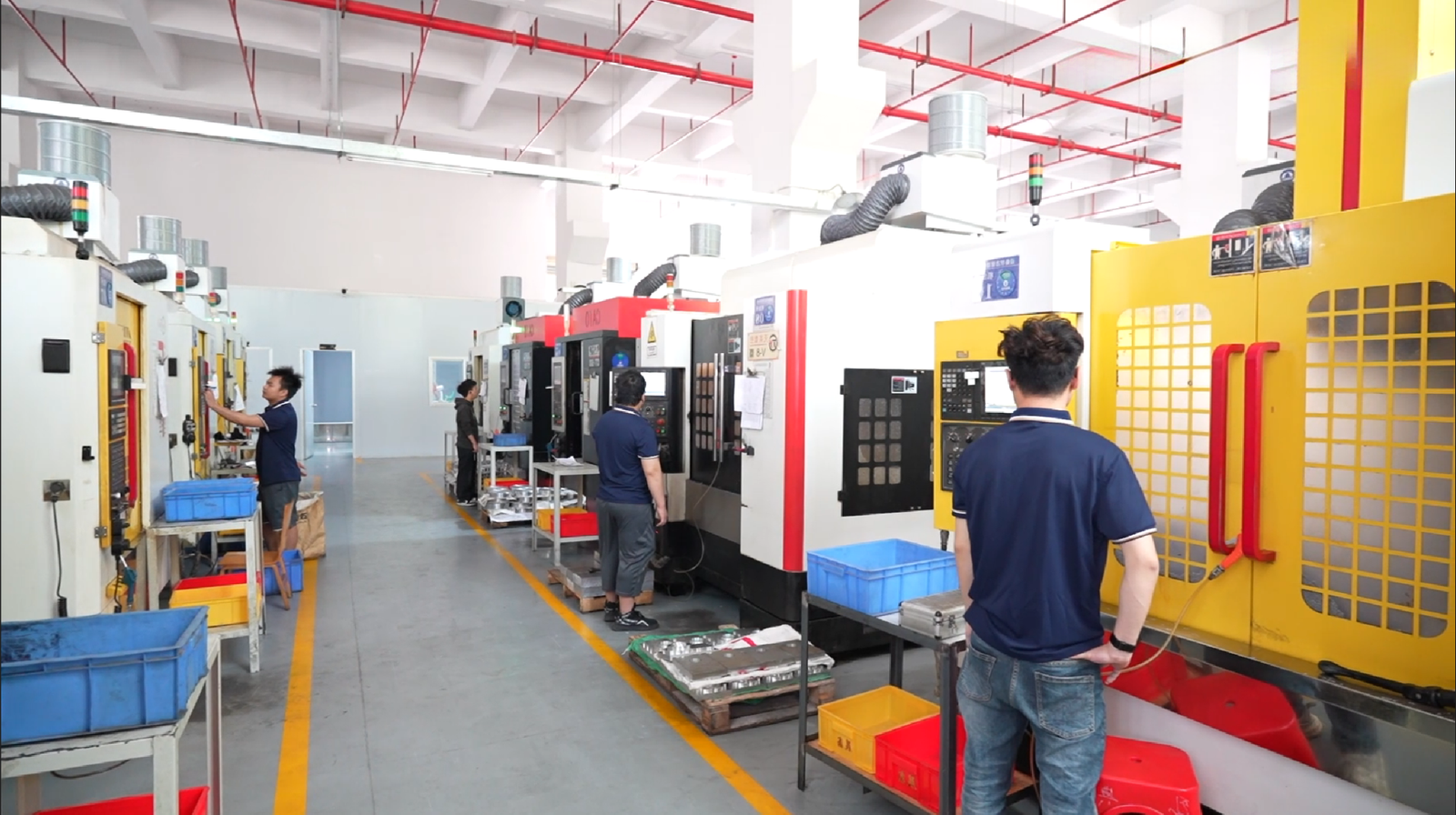
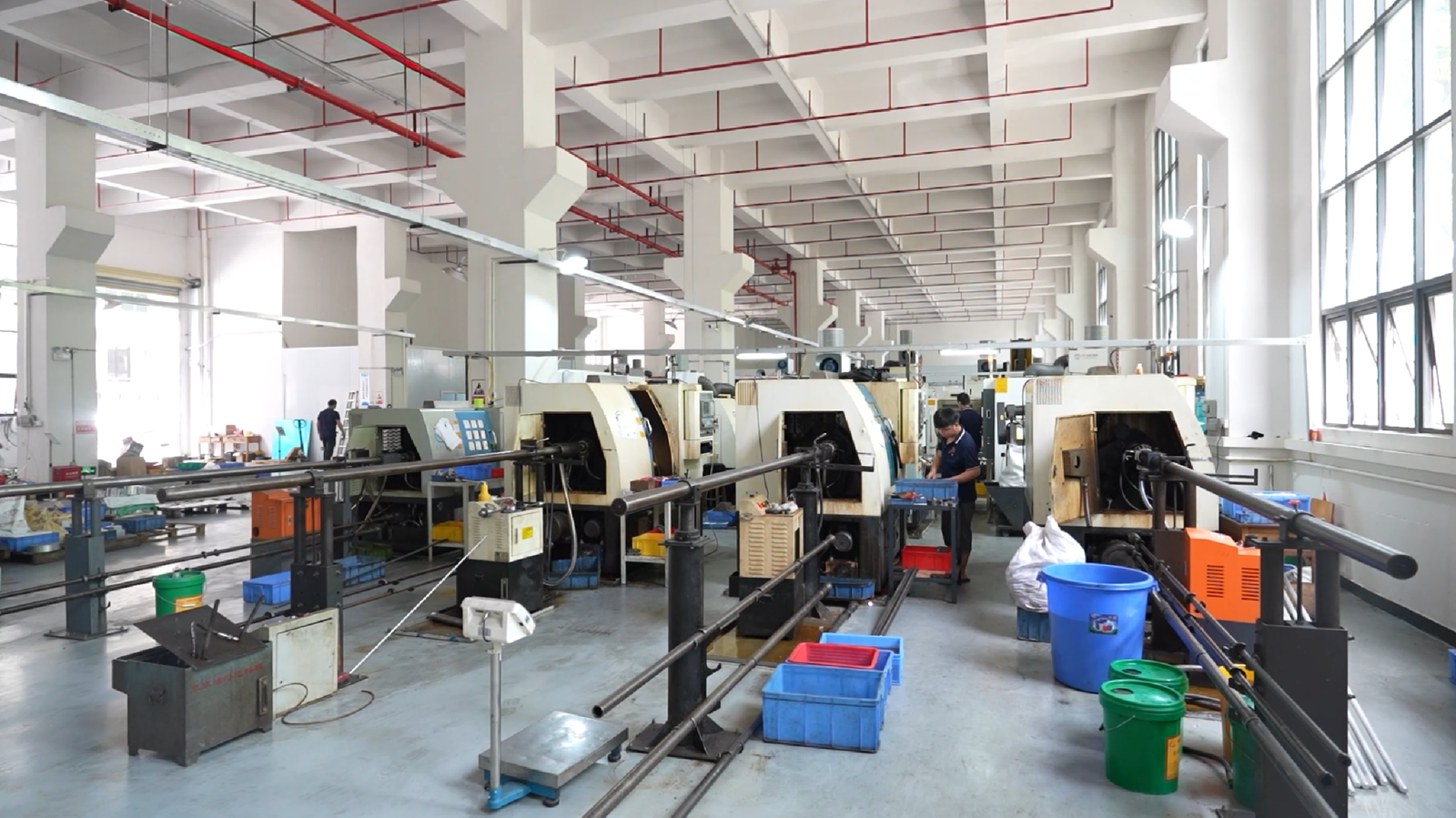
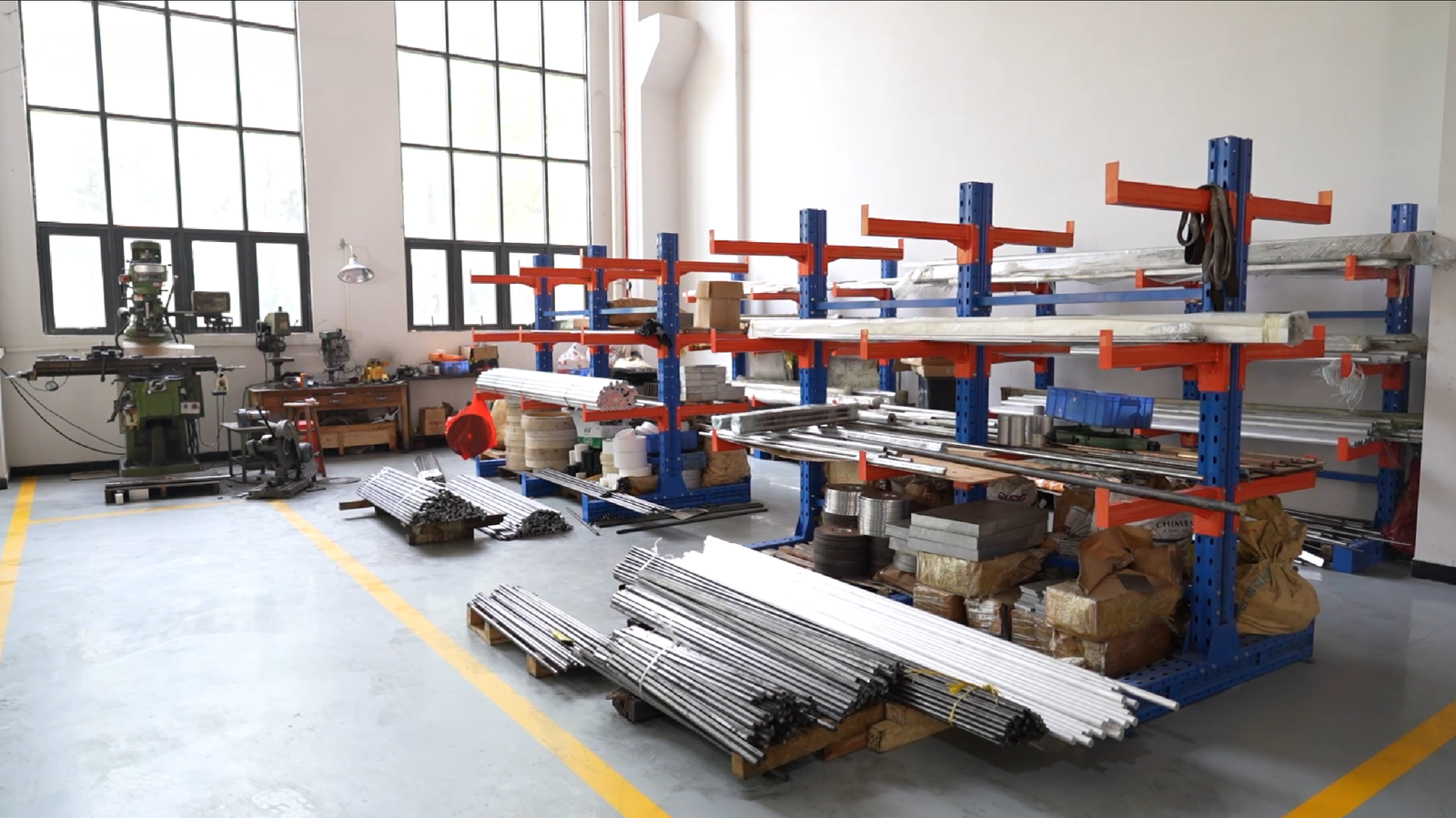
Advantages of Metal machining
1
Unmatched Precision
Maintains tolerances within +/- 0.002 inches, so even the most demanding designs receive the accurate, high-quality parts they require.
2
Material Versatility
Aluminum, steel, titanium, or one of many exotic alloys-the machine accepts whatever stock your application demands without special tooling delays.
3
Scalable Production
Whether you need a handful of prototypes or thousands of finished units, the equipment adjusts easily and cost-effectively to changing order sizes.
Industries We Can Mill For
Precision CNC Auto Parts Manufacturing for the Automotive Industry
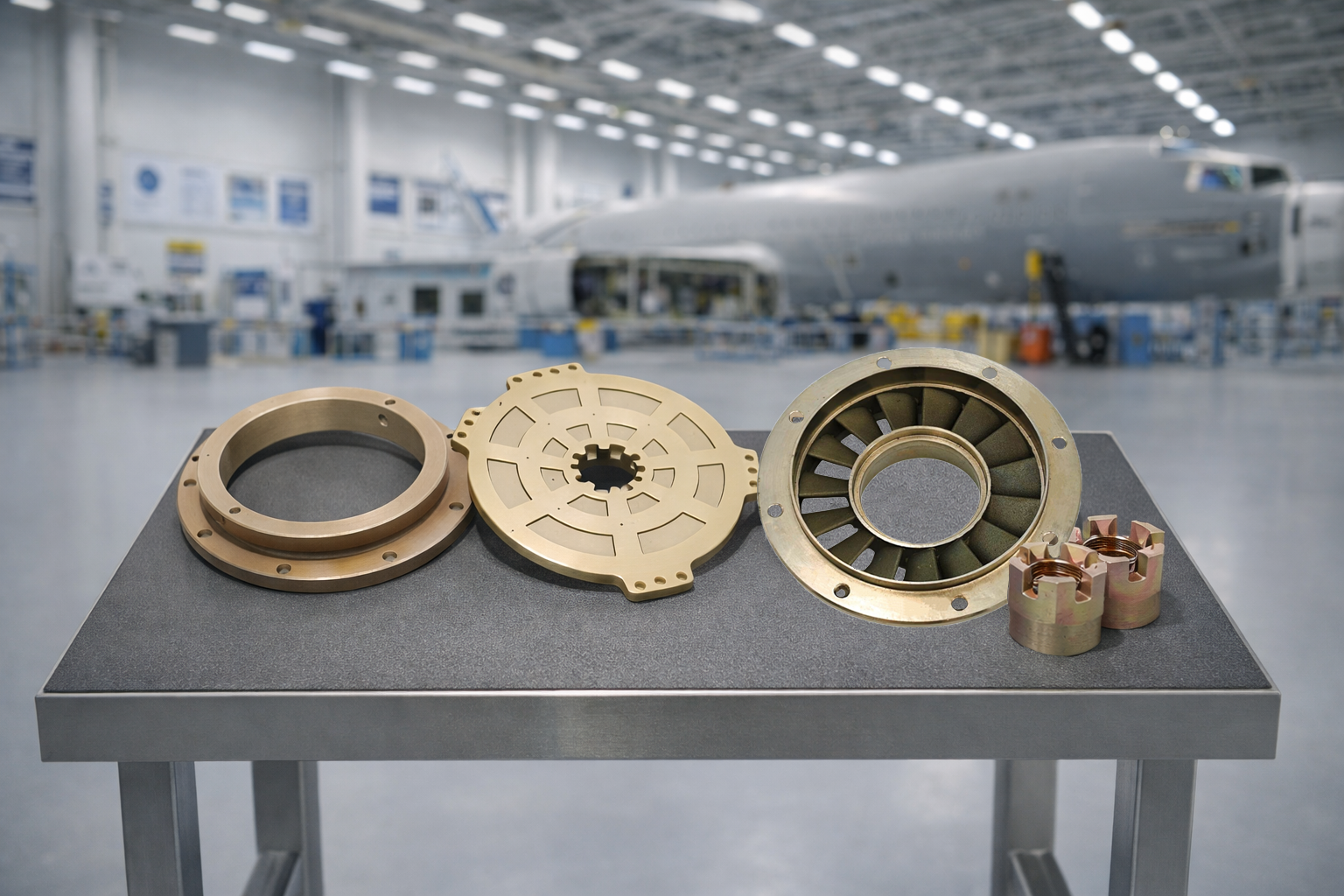
Aerospace
Cabin and exterior, lighting and vents components. jigsand fixtures in the aviation industry
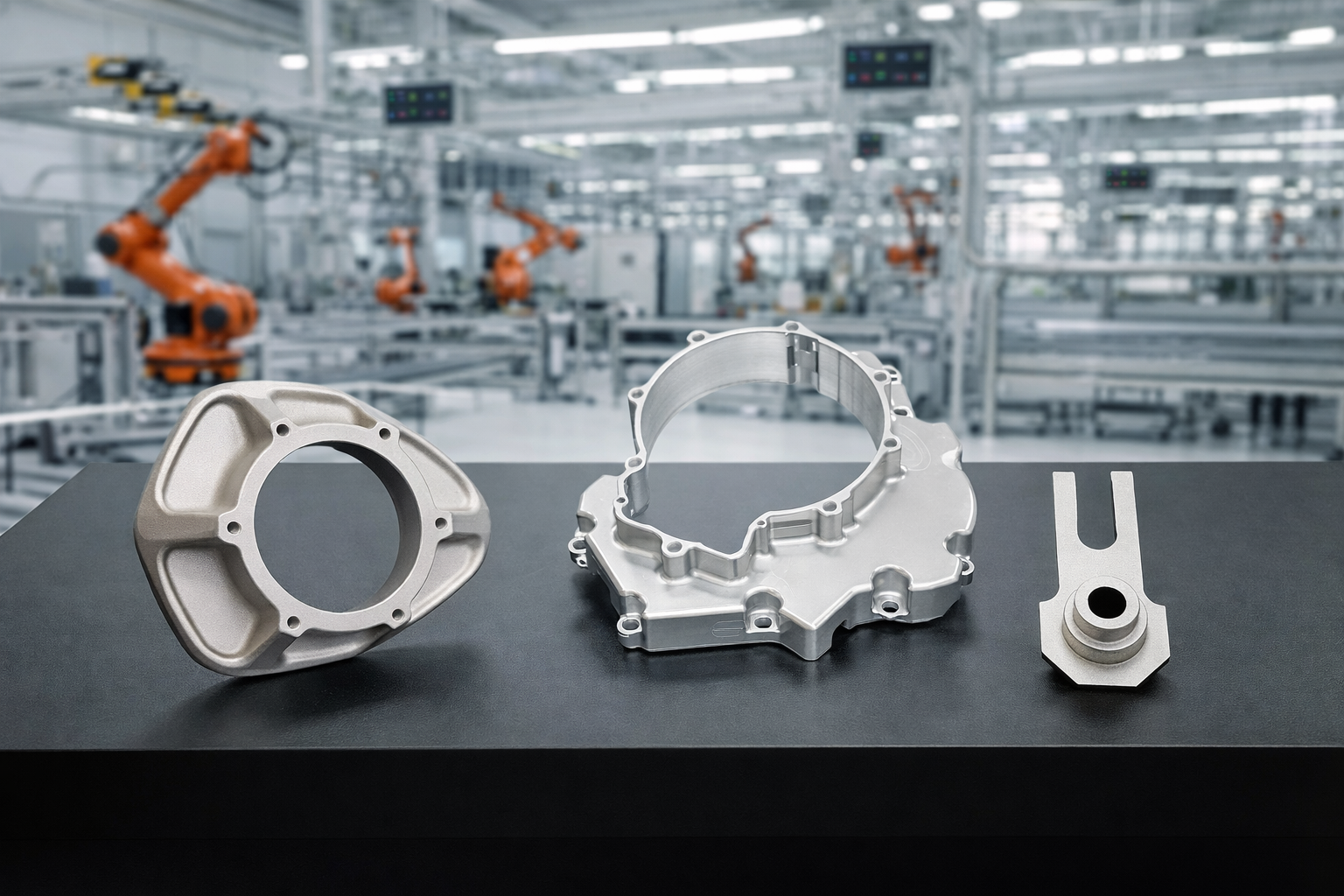
Automotive
Interior and exterior parts, under-the-hood componentsin the automotive and EV industry
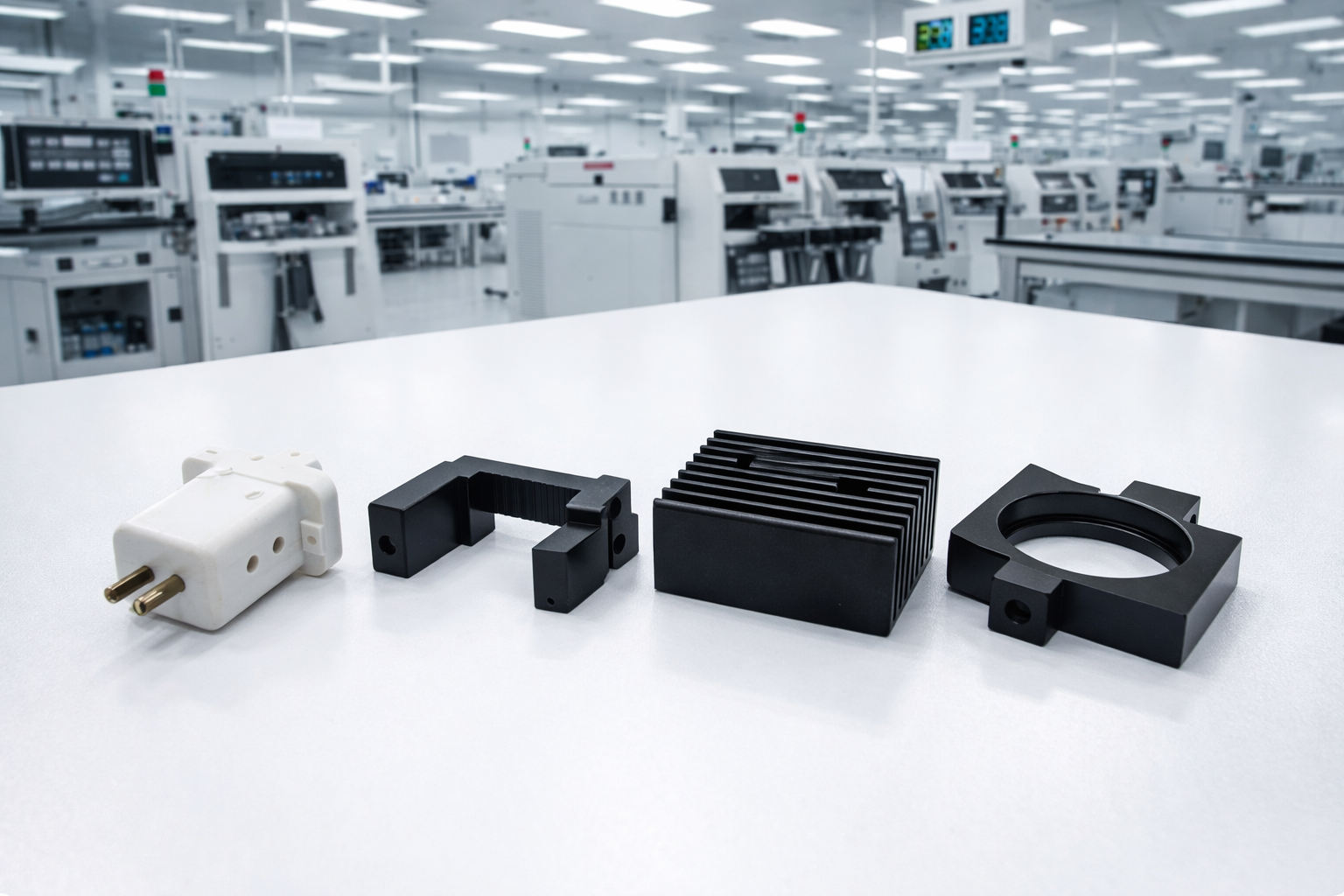
Electronic
Casing. housing and components of cellphones,headphones, game controllers, cameras in theconsumerarea
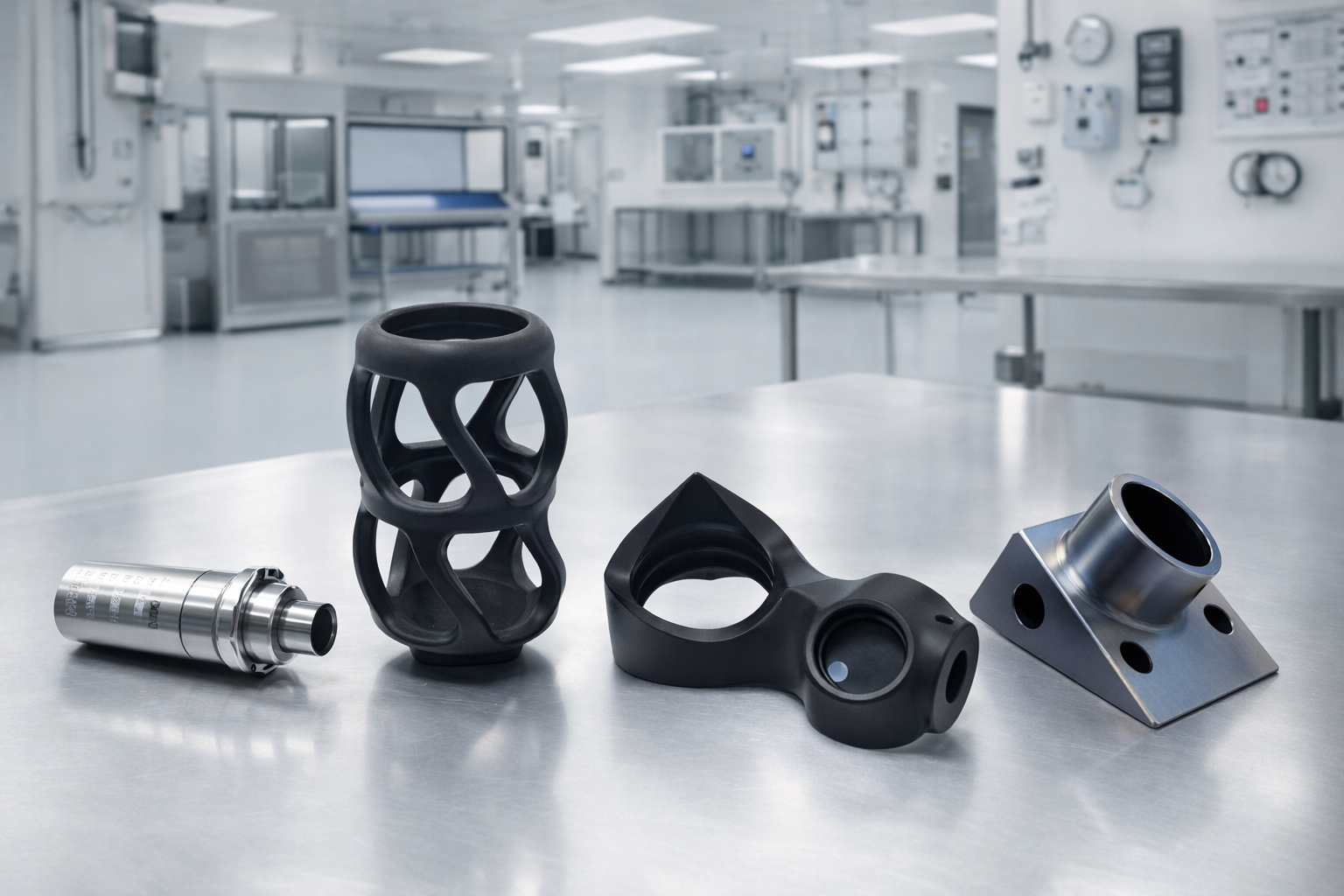
Medical
Medical items and healthcare devices, shells andsurgical instruments in the medical and healthcareindustry
Complete high-precision testing equipment
our expert testing team and advanced equipment ensure top-quality machined parts. Using precision tools like CMMs, hardness testers, and surface roughness gauges, we rigorously inspect every stage—from raw material to final product—guaranteeing unmatched accuracy and reliability.
3D CMM
Roughness Tester
Digital Height Gauge
Coating Tester
Coating Tester
Debbie Hendry
Digital Micrometer
Vernier calipers
Spectrometer
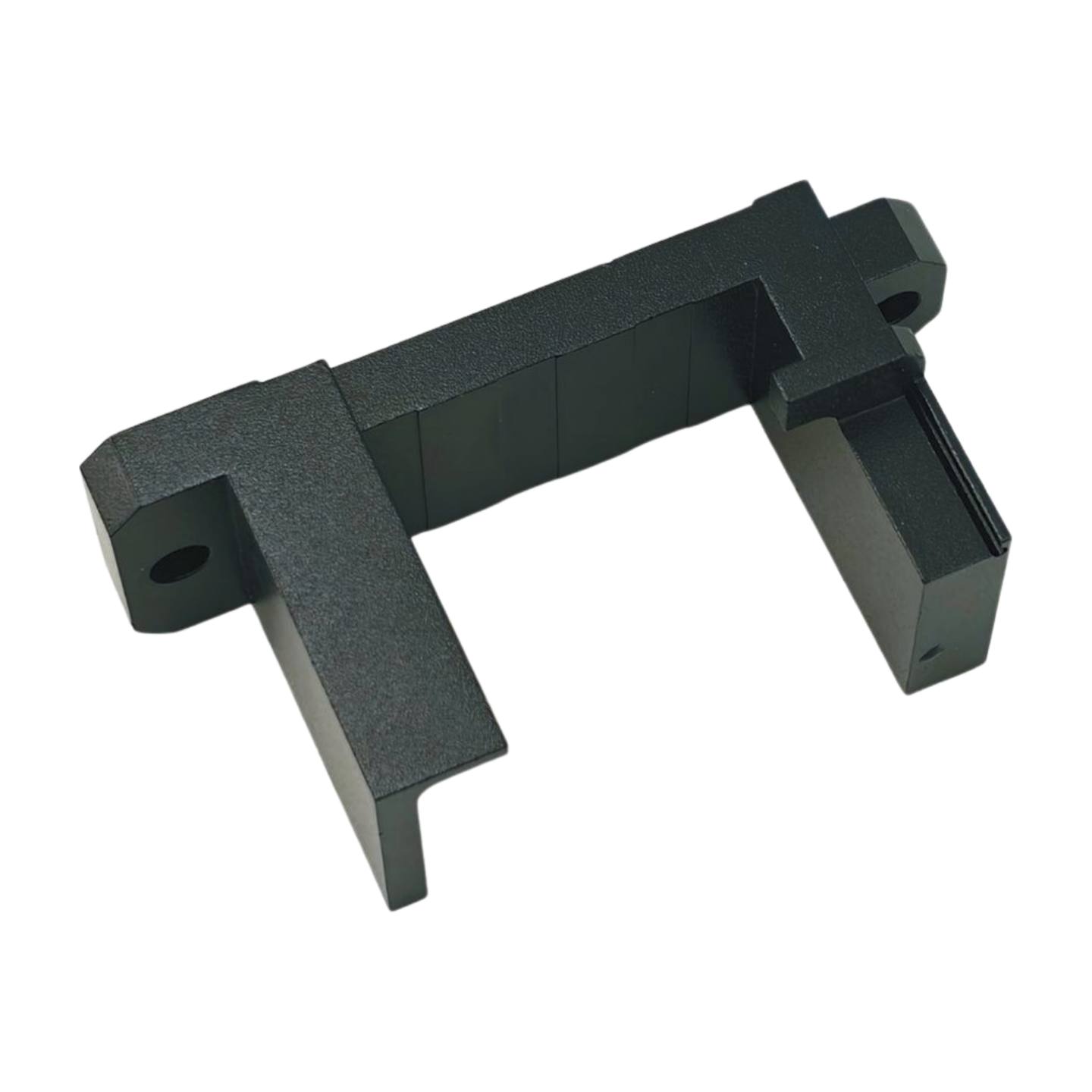
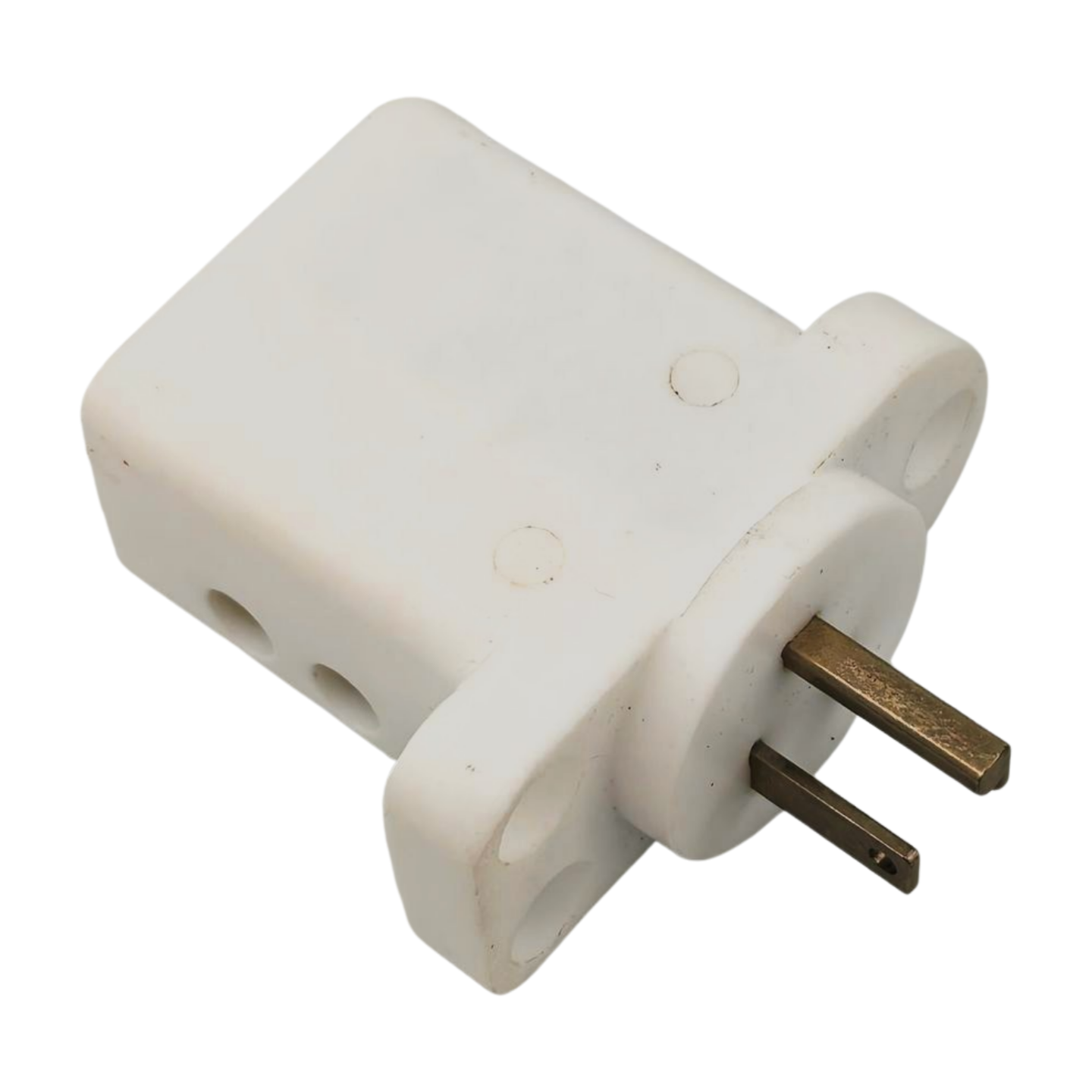
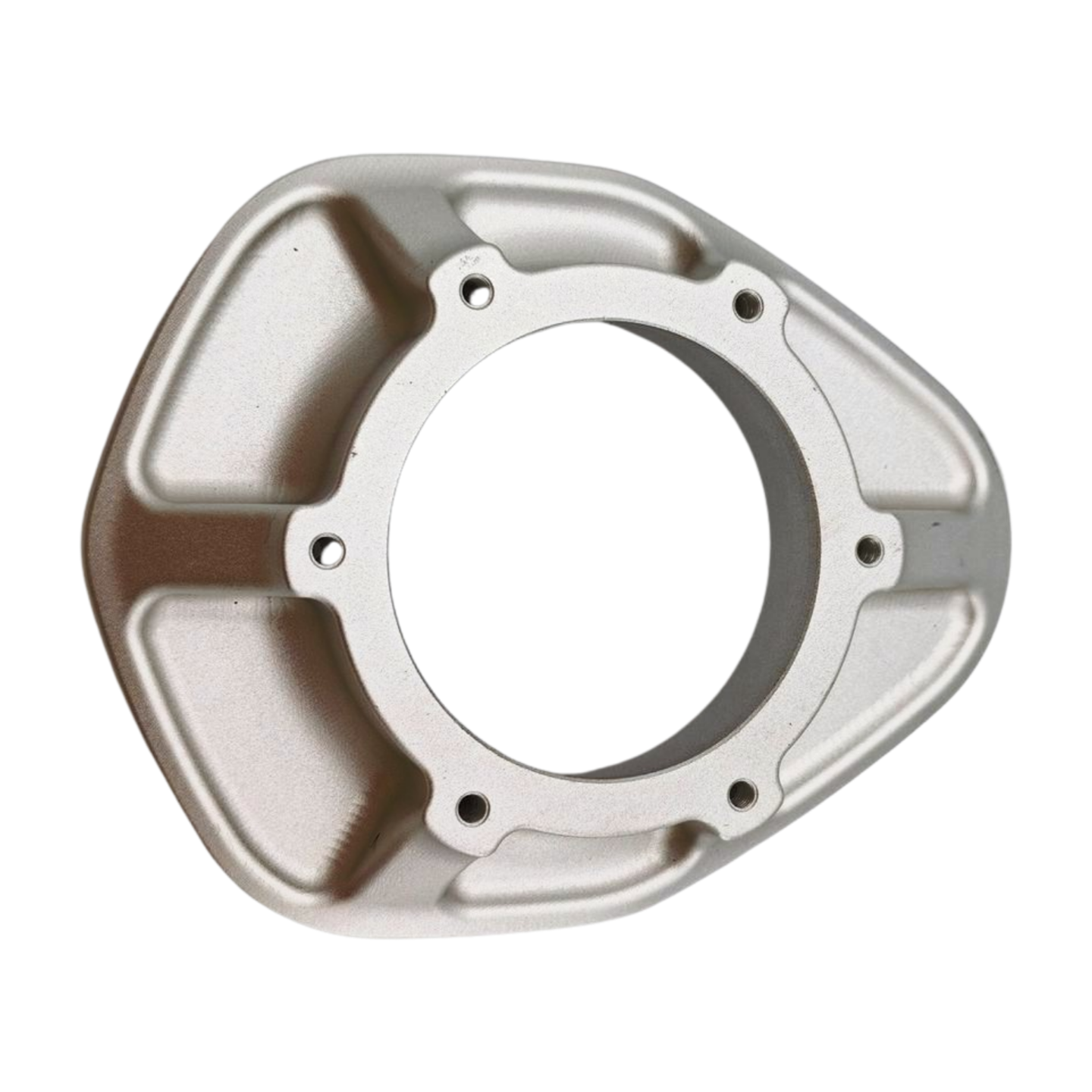
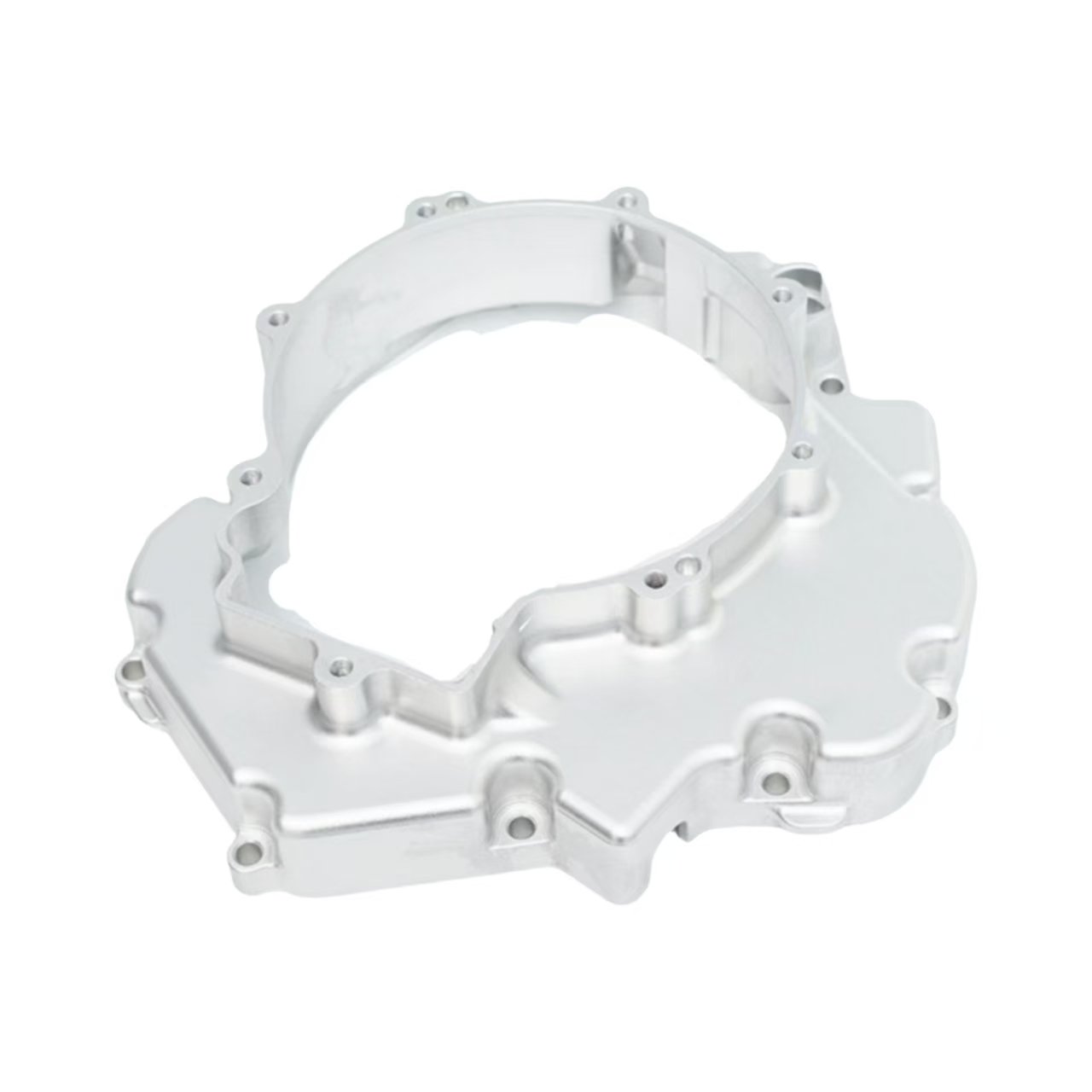
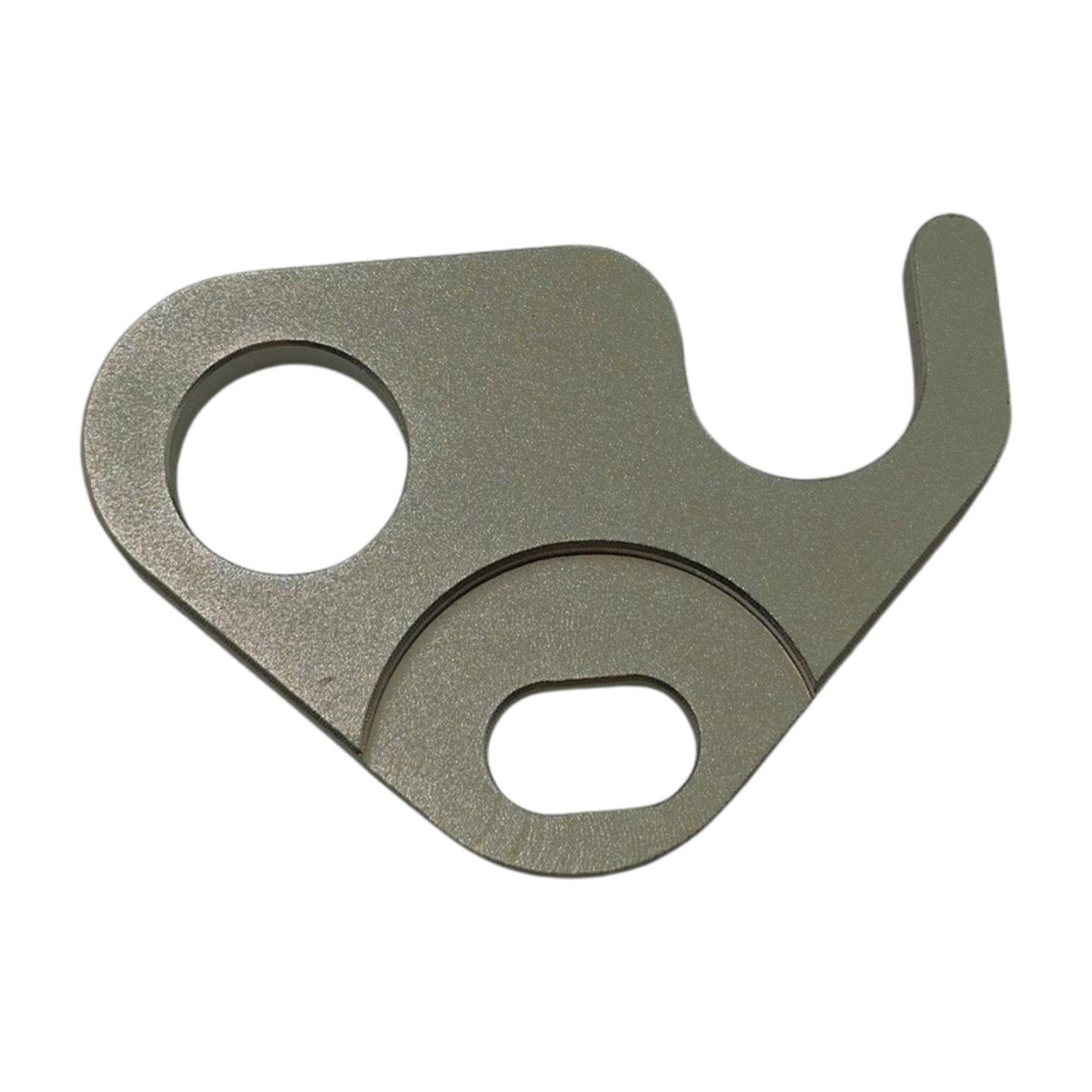
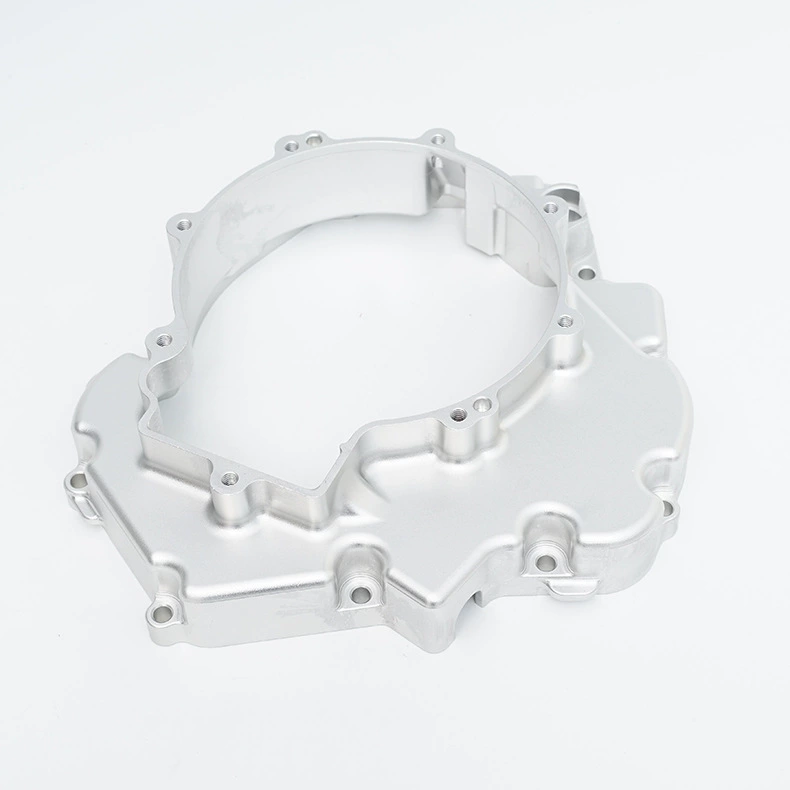
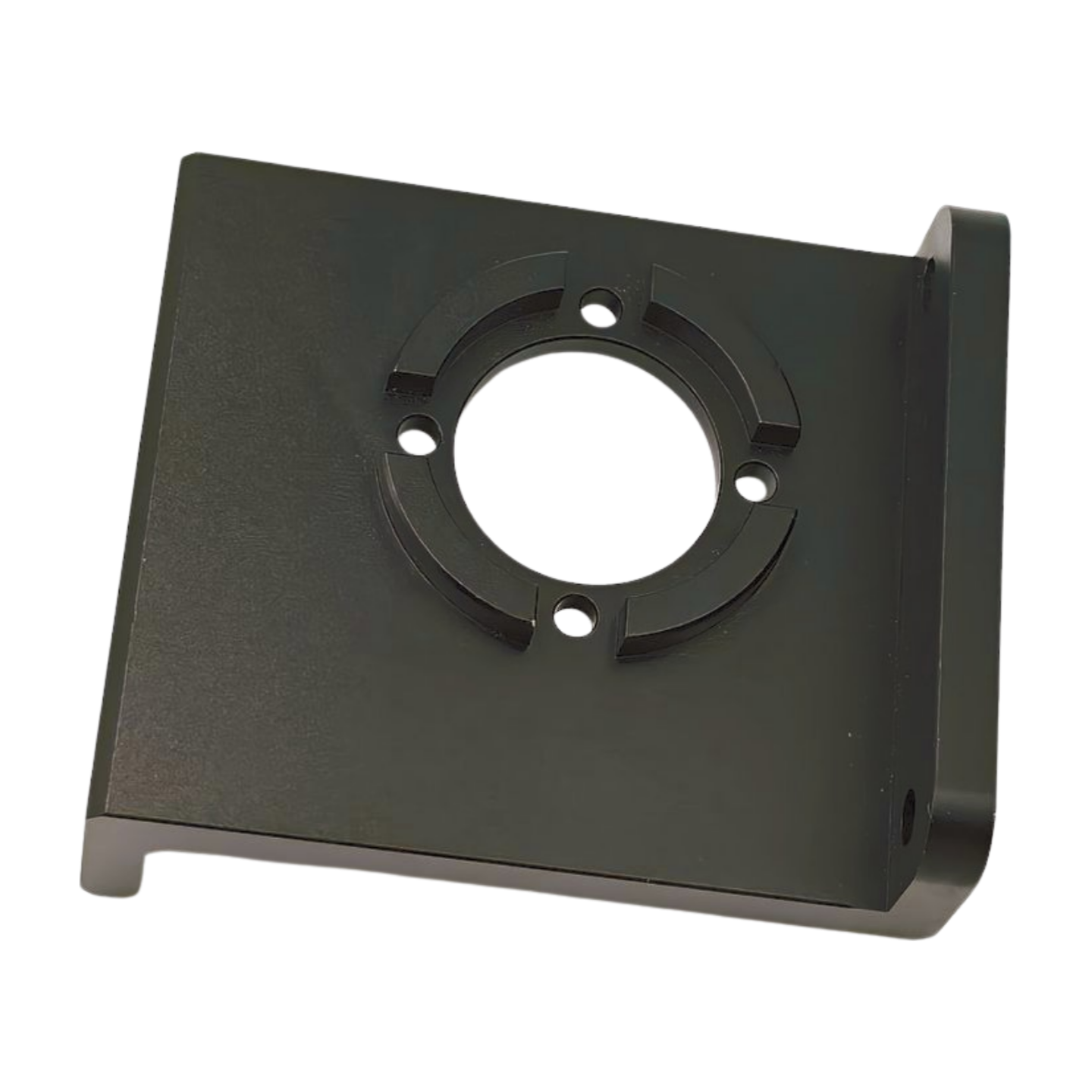
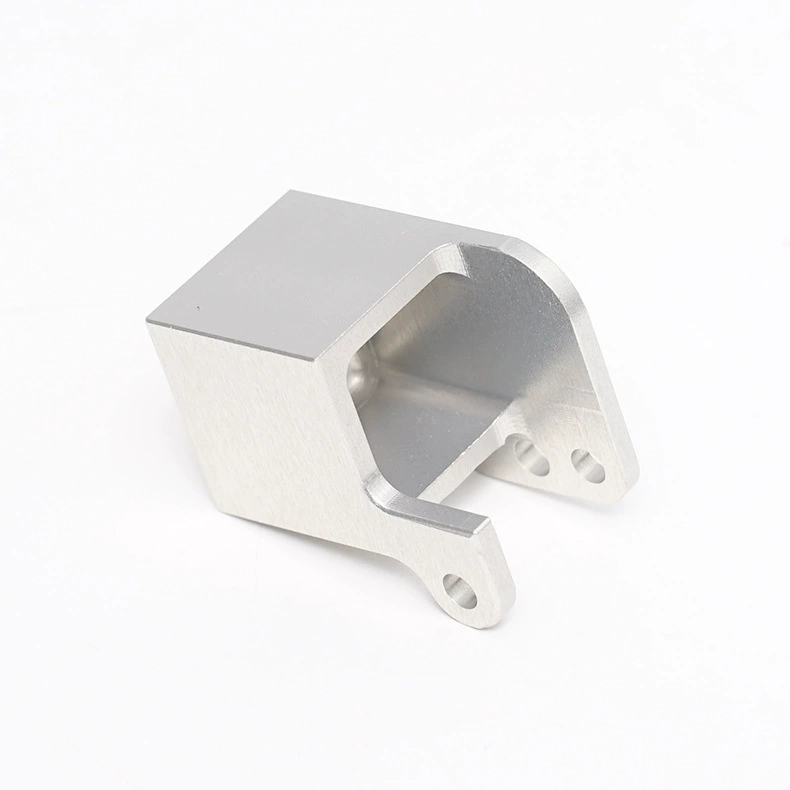
CNC Machining Parts Case Study
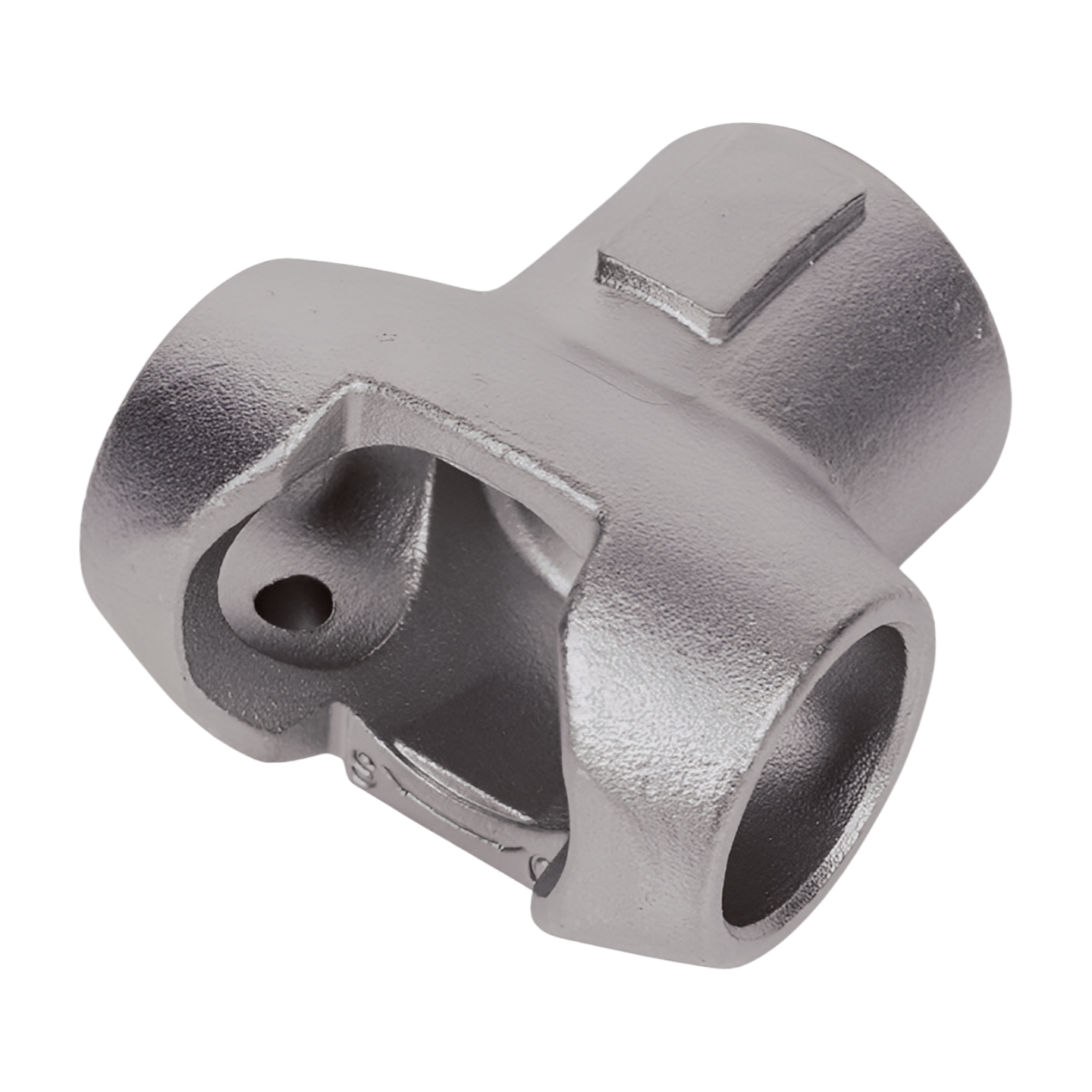
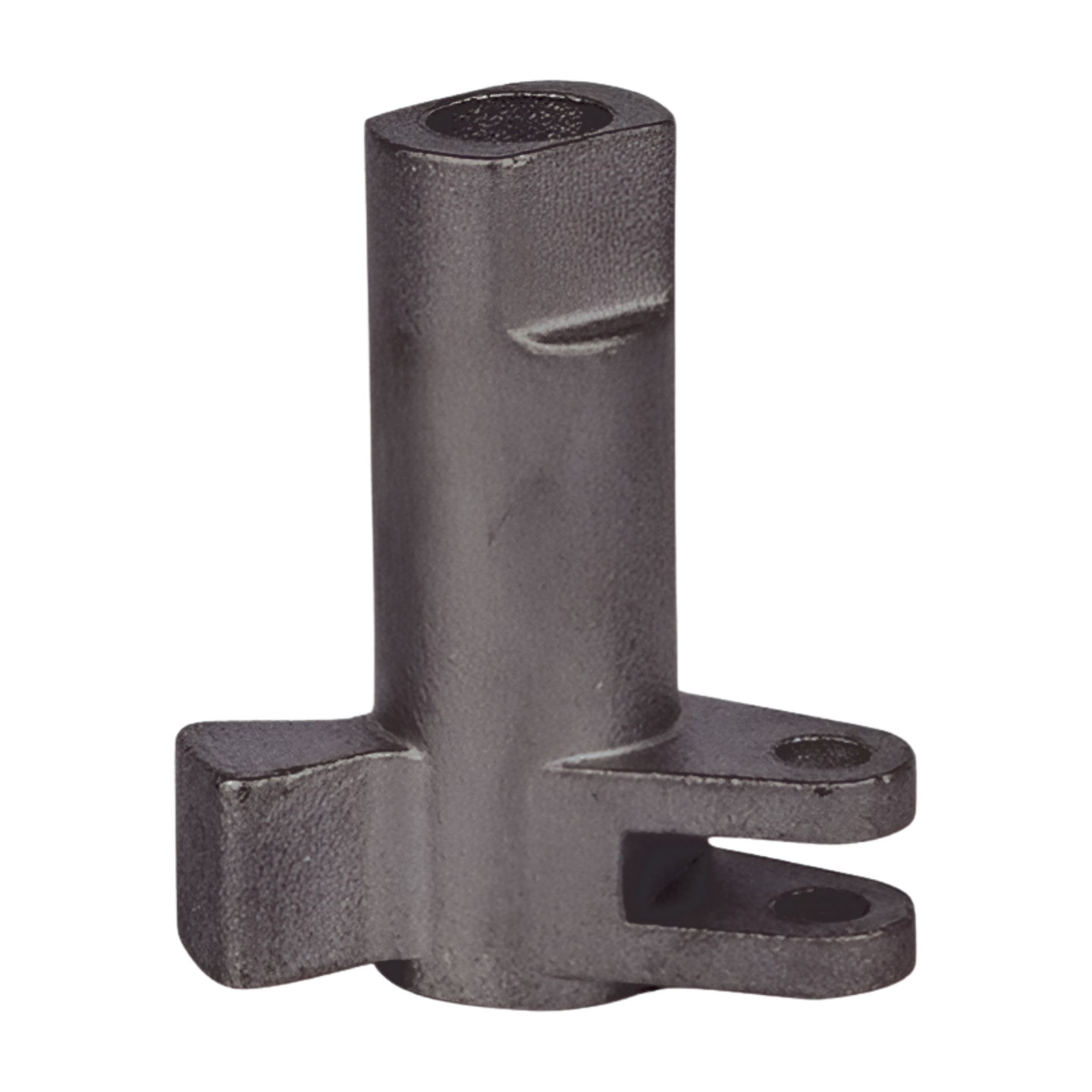
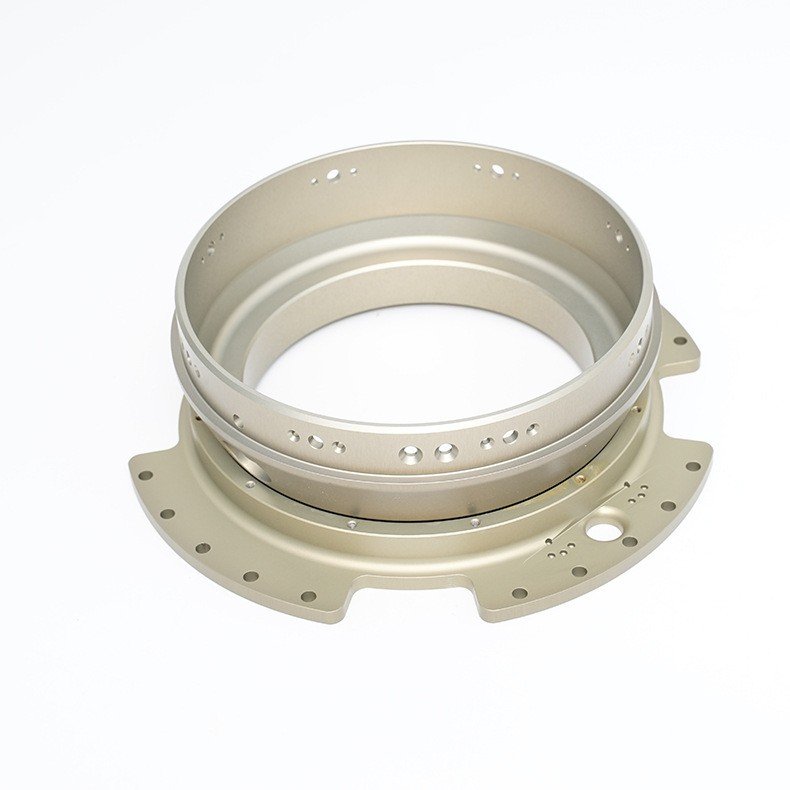

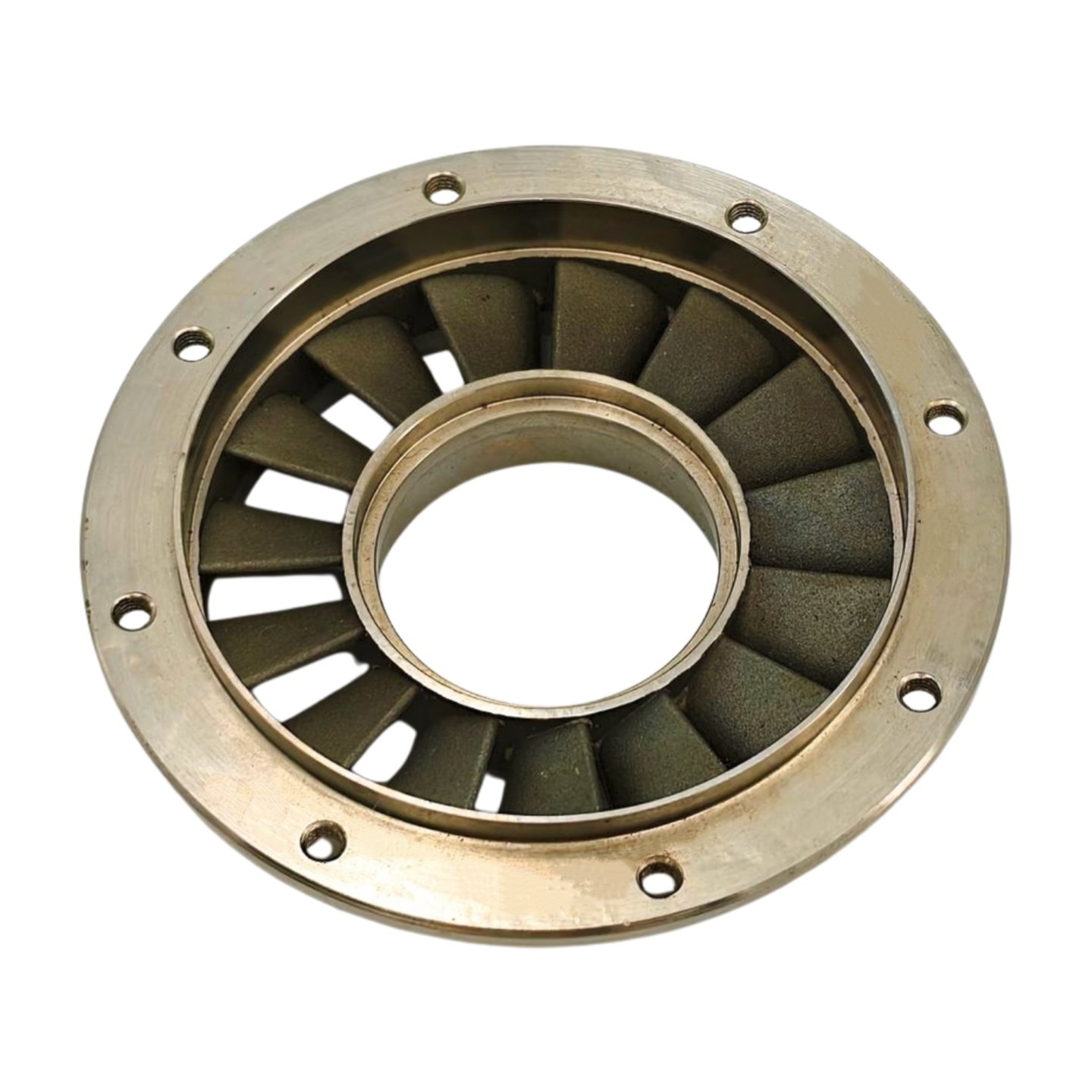
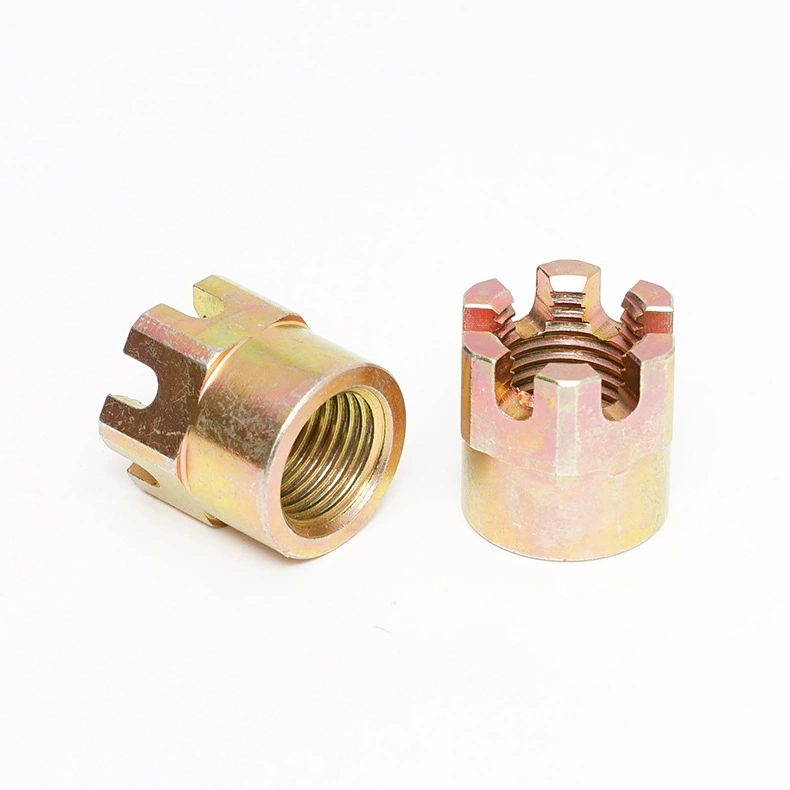
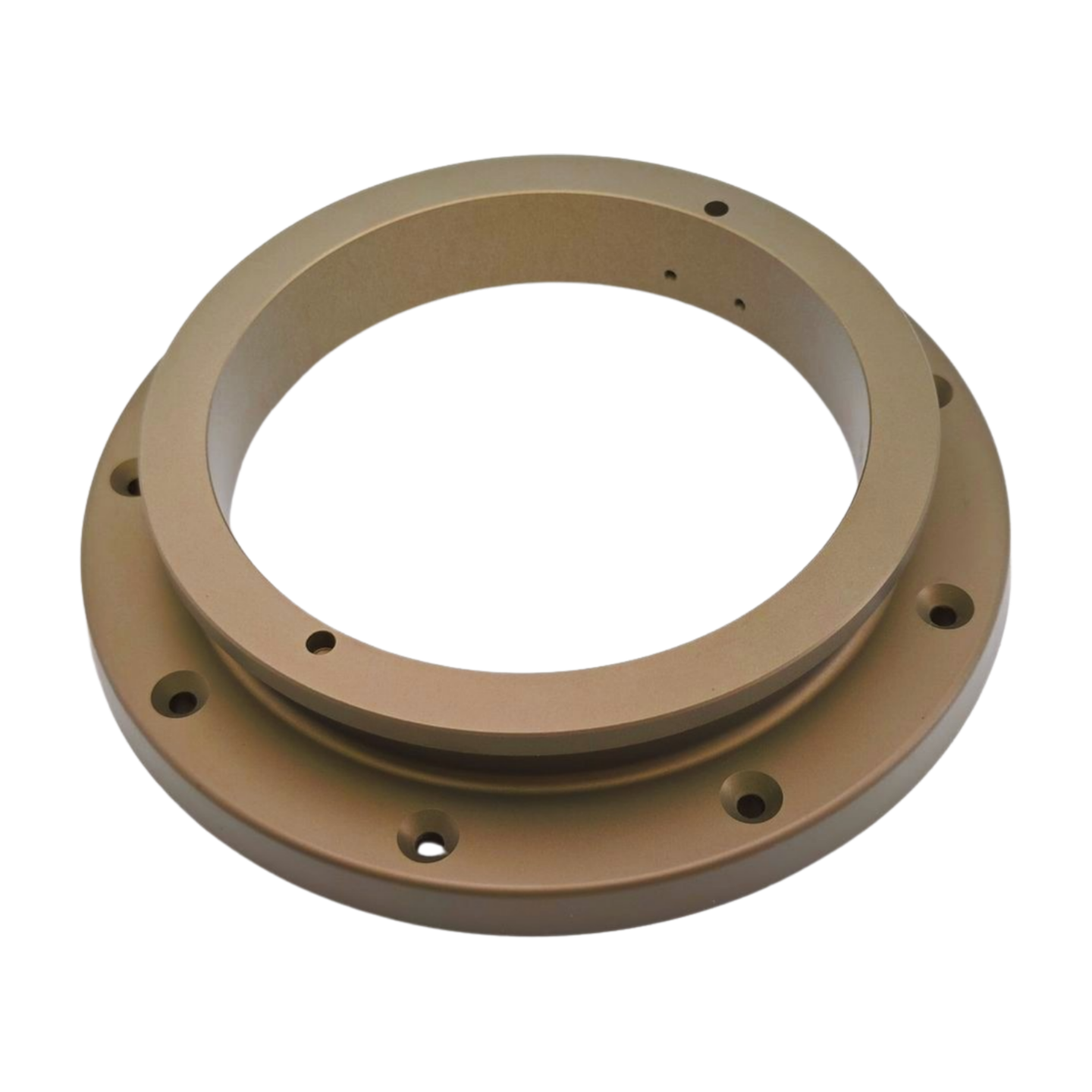
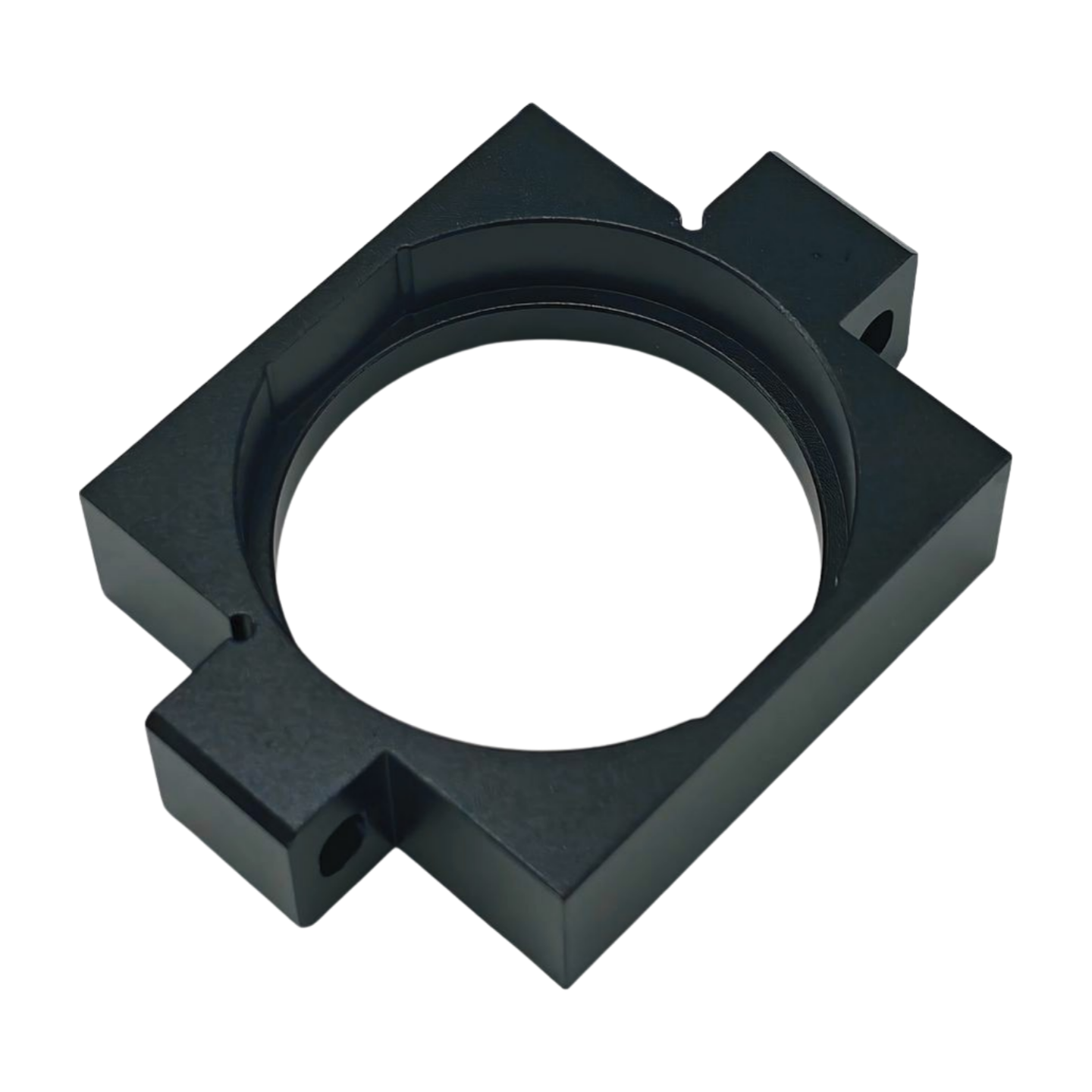
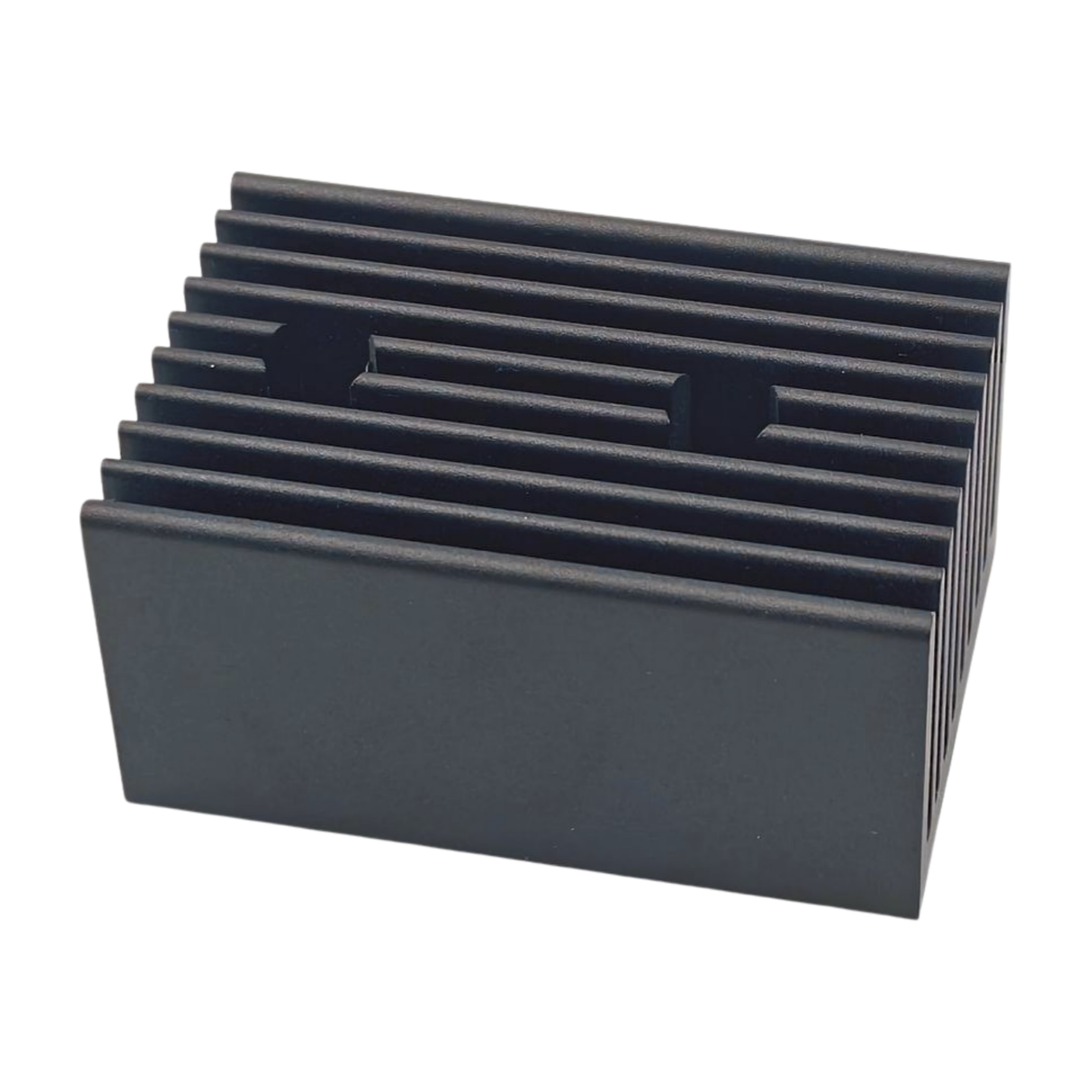
![{"data":{"pictureId":"6d05f6cf3e834696a9fb5c5657111b9a","appversion":"12.1.1","stickerId":"","filterId":"","infoStickerId":"","imageEffectId":"","playId":"","activityName":"","os":"android","product":"retouch","originAppId":"2515","exportType":"","editType":"","alias":"","enterFrom":"enter_launch","capability_key":[],"effect_type":"tool","effect_id":"tool"},"source_type":"douyin_beauty_me"}](https://boracomachining.com/wp-content/uploads/2026/04/汽车1.jpg)
![{"data":{"pictureId":"40656003201749a9abfd09b2089cccba","appversion":"12.1.1","stickerId":"","filterId":"","infoStickerId":"","imageEffectId":"","playId":"","activityName":"","os":"android","product":"retouch","originAppId":"2515","exportType":"","editType":"","alias":"","enterFrom":"enter_launch","capability_key":[],"effect_type":"tool","effect_id":"tool"},"source_type":"douyin_beauty_me"}](https://boracomachining.com/wp-content/uploads/2026/04/3-2-scaled.jpg)
![{"data":{"pictureId":"ae00e65e5a824727ab035c9e6a6b8ea3","appversion":"12.1.1","stickerId":"","filterId":"","infoStickerId":"","imageEffectId":"","playId":"","activityName":"","os":"android","product":"retouch","originAppId":"2515","exportType":"","editType":"","alias":"","enterFrom":"enter_launch","capability_key":[],"effect_type":"tool","effect_id":"tool"},"source_type":"douyin_beauty_me"}](https://boracomachining.com/wp-content/uploads/2026/04/2-1-scaled.jpg)


Unlocking the Potential of CNC Metal Machining: Precision and Efficiency
Precision and Efficiency
With CNC machining, custom metal parts are made faster and more accurately, meeting a wide range of project demands.
How CNC Machines Work
Each machine follows CAD instructions that control every cut, so finished pieces look the same from the first item to the last.
The Machining Process
Digital plans guide durable cutting tools that shape raw stock into tight-tolerance components for nearly any application.
our partners trust us







Stuart Oneil
CEO, Luryc
“The team at Boraco took our difficult project and finished it swiftly, delivering quality we had not expected. Their machining service truly stands apart from the rest.”

Elly Brett
Business Operations, Bewarx
“Despite our demanding technical spec, Boraco delivered a perfect run of parts. Their unwavering focus on detail and quality control really set them apart for us.”

Jenna Ballard
VP Marketing, Wico
“Boraco CNC Turning Service’s capabilities with intricate geometries and their precision saved us weeks in production.”
ready to reach new heights? Let's get there, together.
Trust Boraco CNC Machining Service for exceeding accuracy and speed at cost-effective pricing. Reach out to us right now for your tailored quote and usher in a new episode of manufacturing greatness with Baetro.
Frequently Asked Questions
Most frequent questions and answers
Why is aluminum widely used in CNC machining?
Aluminum is one of the most popular CNC machining materials because it offers an excellent balance of strength, lightweight performance, corrosion resistance, and machinability. It is commonly used in aerospace, automotive, electronics, and industrial applications.
Aluminum also supports faster machining speeds, helping reduce production time and overall manufacturing costs.
Need lightweight yet durable parts? Contact us for custom aluminum machining solutions tailored to your project.
What are the advantages of stainless steel machining?
Stainless steel machining provides excellent corrosion resistance, high strength, and long-term durability. It is ideal for applications exposed to moisture, chemicals, or extreme environments, including medical devices, food equipment, automotive parts, and marine components.
Although stainless steel is more challenging to machine than aluminum, advanced CNC equipment ensures high precision and consistent quality.
Looking for durable and corrosion-resistant parts? Send us your drawings for a professional stainless steel machining quote.
What is steel machining commonly used for?
Steel machining is widely used for manufacturing high-strength mechanical and structural components. Carbon steel and alloy steel are commonly chosen for parts requiring durability, wear resistance, and load-bearing performance.
Typical applications include industrial machinery, automotive components, tools, and heavy equipment parts.
Need reliable steel components for demanding applications? We offer precision steel machining for both prototypes and mass production.
What is galvanneal machining and when should it be used?
Galvanneal machining involves processing galvannealed steel, which is steel coated with a zinc-iron alloy for improved corrosion resistance and paint adhesion. This material is commonly used in automotive, electrical enclosures, and industrial equipment.
Galvanneal combines the strength of steel with enhanced surface protection, making it ideal for applications requiring durability and coating performance.
Need custom galvanneal parts with precision finishing? Our engineering team can help optimize your design and production process.
Why choose copper for CNC machining projects?
Copper is highly valued for its excellent electrical conductivity, thermal conductivity, and corrosion resistance. It is frequently used in electrical components, heat sinks, connectors, and energy-related applications.
Precision CNC machining allows copper parts to maintain tight tolerances and smooth surface finishes despite the material’s softness.
Looking for high-conductivity precision parts? We provide custom copper machining with reliable quality and fast turnaround.
What types of plastics can be CNC machined?
A wide range of engineering plastics can be CNC machined, including:
ABS
Nylon
POM (Delrin)
PTFE (Teflon)
Acrylic
Polycarbonate
PEEK
Plastic machining is ideal for lightweight, corrosion-resistant, and electrically insulating components used in electronics, medical devices, and industrial applications.
Not sure which plastic fits your application? Our engineers can recommend the best material based on your performance requirements.
How do I choose the right machining material for my project?
Choosing the right material depends on several factors, including:
Strength requirements
Corrosion resistance
Weight considerations
Electrical or thermal conductivity
Budget and production volume
For example, aluminum is ideal for lightweight applications, stainless steel offers superior corrosion resistance, and plastics provide insulation and chemical resistance.
Need expert material selection support? Share your project requirements, and we’ll recommend the most cost-effective solution.
Can you machine multiple materials with tight tolerances?
Yes, we specialize in precision CNC machining for a wide range of metals and plastics, including aluminum, stainless steel, steel, copper, galvanneal, and engineering plastics.
With advanced 3-axis, 4-axis, and 5-axis machining centers, we can achieve tolerances up to ±0.005 mm while maintaining consistent quality across all materials.
Have a complex multi-material project? Contact us today for engineering support and a fast quotation.
Latest Technology Sharing Blog