The Role of CNC Machining in Electronics and Consumer Goods
Rapid technological cycles demand flawless execution in hardware development. For procurement managers and engineers, sourcing components that meet exact thermal, electromagnetic, and structural specifications is a persistent challenge. This article details how advanced electronics cnc machining solves these pain points, from initial prototyping through to high-volume market production.
Precision Demands in Modern Electronics Manufacturing
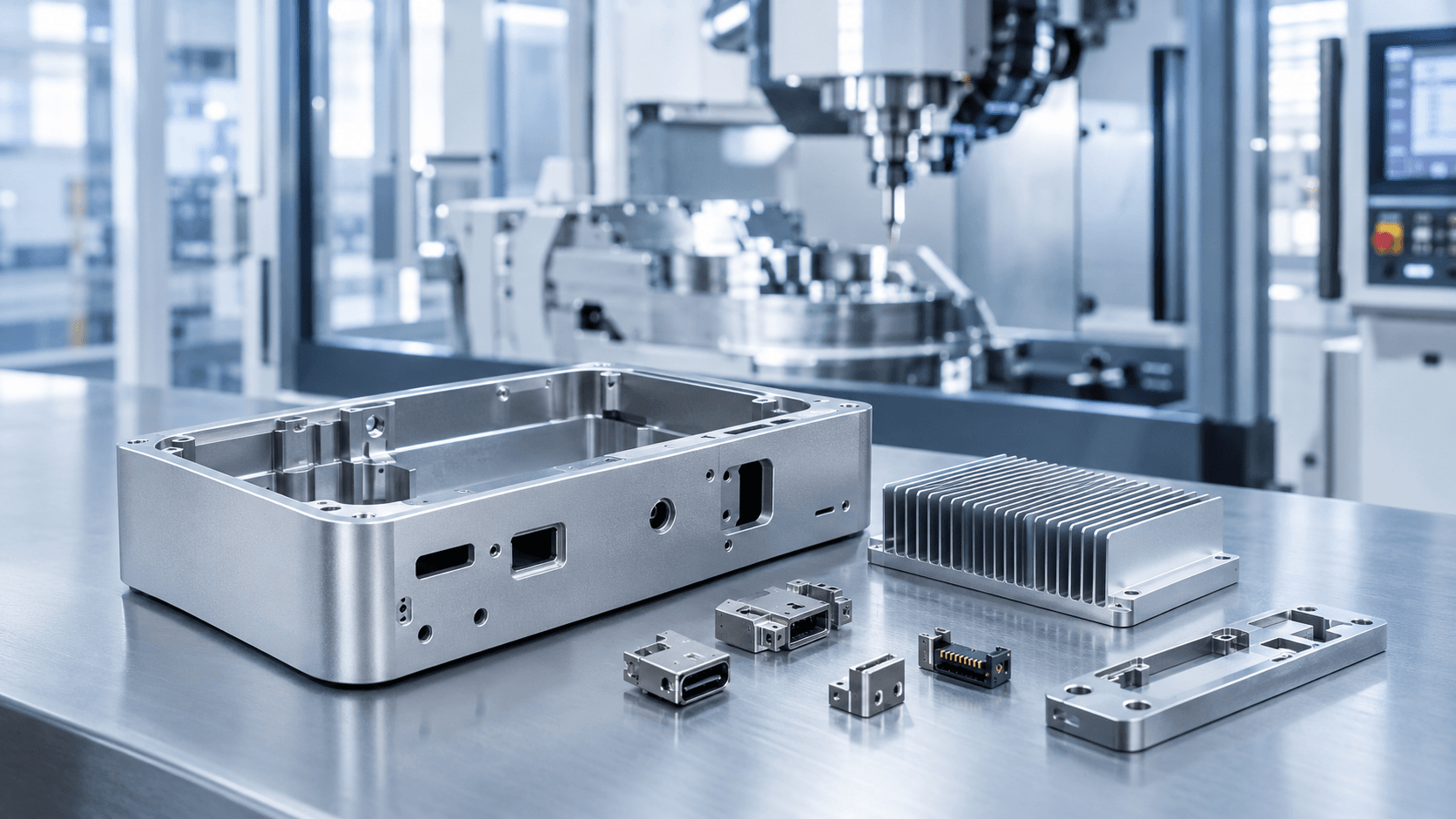
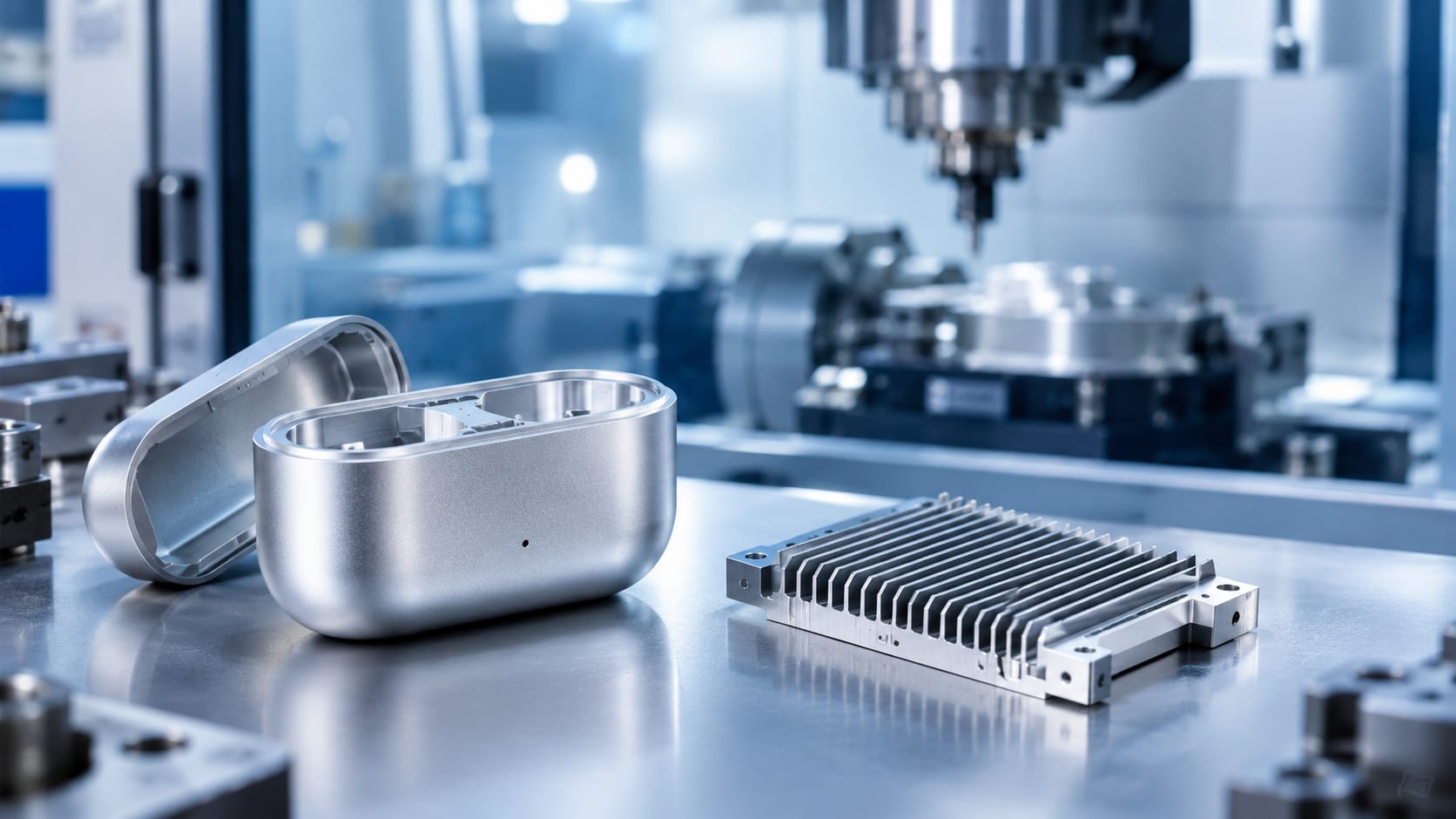
The modern consumer electronics and industrial hardware sectors operate under relentless pressure to downsize form factors while expanding processing capabilities. As devices become more compact, the internal real estate of an enclosure shrinks, requiring ultra-precise machining of internal features, mounting bosses, and heat-sink fins. Within this demanding environment, electronics cnc machining has transitioned from a specialized prototyping method to a core production technology.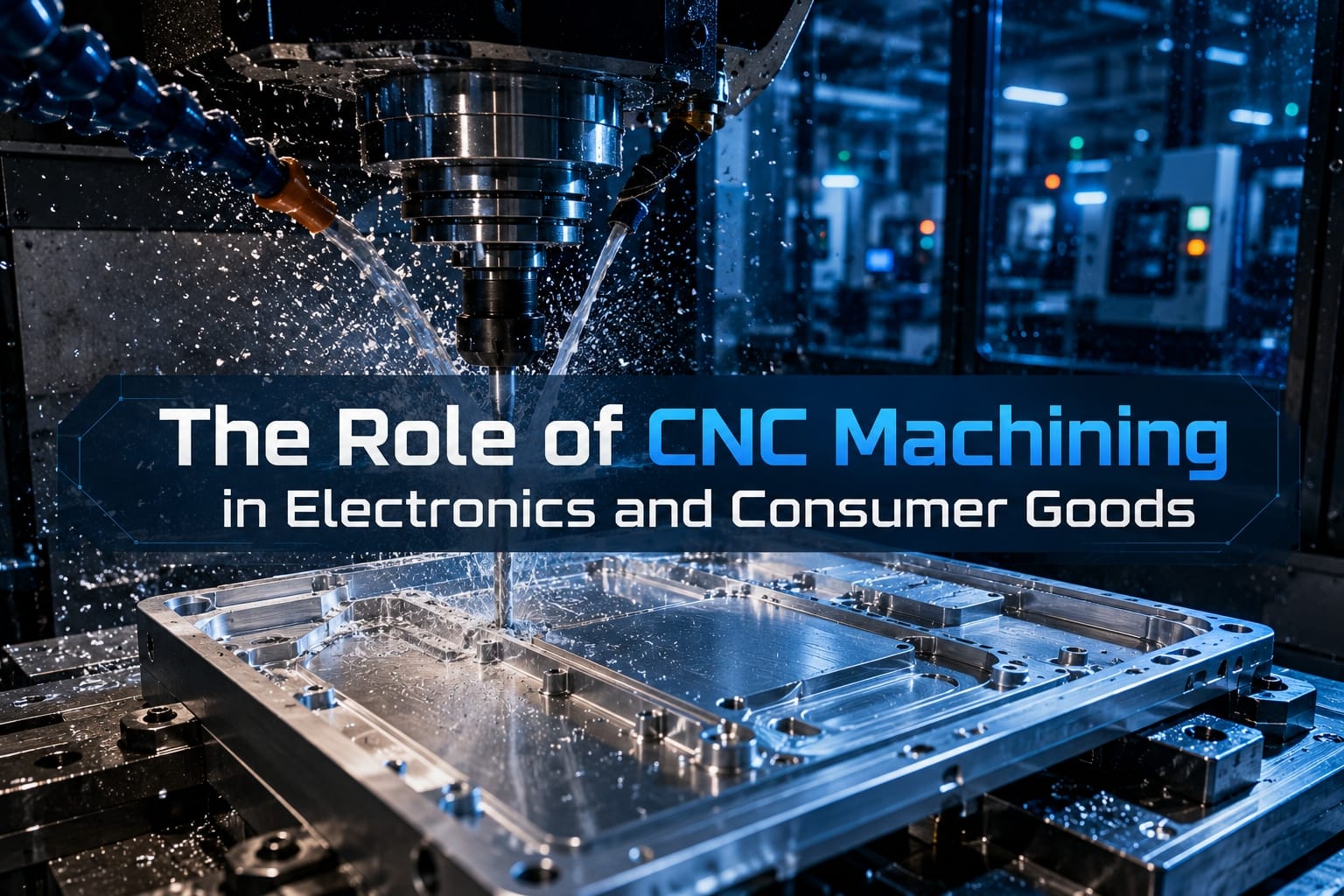
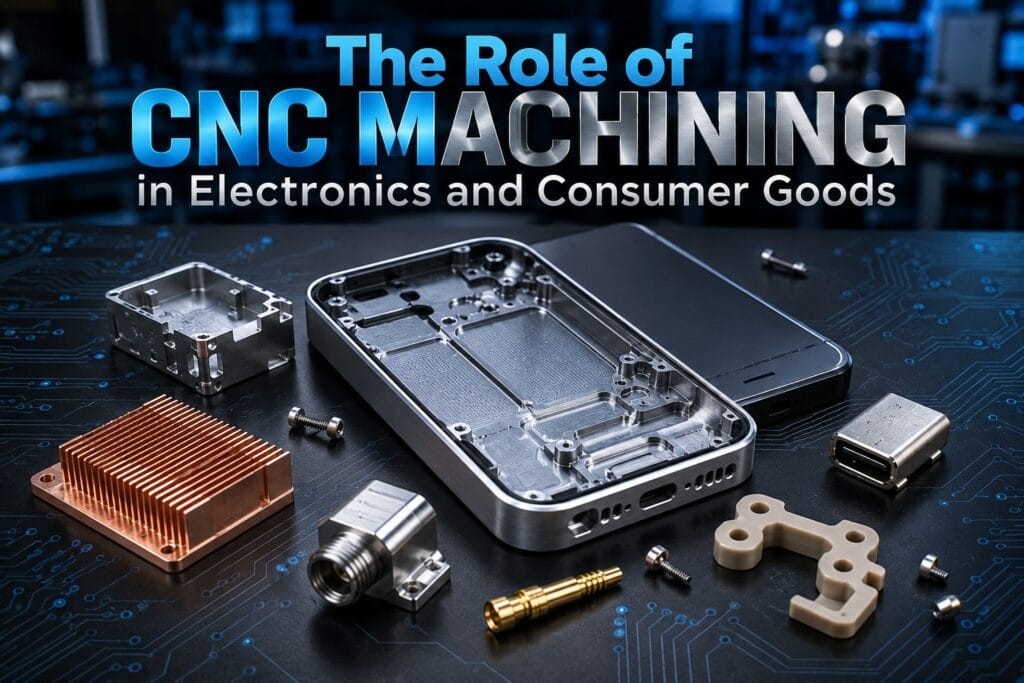
When developing components such as RF shielding enclosures, semiconductor testing sockets, and high-conductivity heat sinks, standard manufacturing methods like injection molding often fall short. Injection molding cannot consistently yield the razor-sharp dimensional accuracy or the specialized material properties required for advanced electromagnetic shielding. High-precision electronics machining provides the structural integrity and micro-tolerances necessary to ensure that sensitive microprocessors and surface-mount components are fully protected from physical and electromagnetic interference (EMI).
For hardware designers, achieving tight spatial tolerances is directly linked to the mechanical performance and service life of the end product. Working with an experienced machining company that understands how to manage material stresses, thermal deformation, and tool deflection during high-speed cutting is critical to preventing project delays and field failures.
What is Machinability?
In precision engineering, machinability is a relative metric used to quantify how easily a material can be cut while maintaining an acceptable surface finish and maximizing tool life. It is calculated based on cutting speed, power consumption, and surface roughness ($R_a$). For a deep technical dive into these material mechanics, engineers refer to the research databases of the American Society of Mechanical Engineers (ASME). For instance, Aluminum 6061 exhibits excellent machinability, making it the industry standard for lightweight, thermally conductive electronics enclosures. In contrast, copper offers superior thermal performance but has a lower machinability rating due to its high ductility, which leads to gummy chip formation and rapid tool wear if cutting parameters are not precisely calibrated.
What is GD&T (Geometric Dimensioning and Tolerancing)?
GD&T is an international symbolic language used on engineering drawings to explicitly define the allowable variation of geometric features. Rather than relying solely on linear coordinate tolerances, GD&T defines relationships like flatness, perpendicularity, concentricity, and true position. This system is governed globally by standards such as ASME Y14.5 in North America and equivalent international standards published by the International Organization for Standardization (ISO). Implementing strict GD&T ensures that mating parts from different production runs assemble seamlessly without interference.
Materials and Tolerances in Electronics CNC Machining
Material selection directly dictates both the mechanical performance of an electronic assembly and the ease with which it can be machined. Aluminum alloys remain the most widely specified materials in the electronics sector due to their favorable strength-to-weight ratio, excellent thermal conductivity, and natural corrosion resistance when properly anodized. However, specialized applications often require harder or more electrically isolating materials, such as stainless steel, brass, copper, and engineering plastics like PEEK or Delrin.
To achieve the extreme tolerances dictated by modern B2B buyers, modern machining centers must control environmental variables and cutting forces with high precision. Achieving tolerances as tight as $\pm 0.005\text{ mm}$ requires rigid machine setups, high-precision spindles, and advanced metrology. For certified material specifications and mechanical baselines, engineers consult authoritative standards such as those from ASTM International. The physical properties of the chosen material dictate the feed rates, spindle speeds, and depth of cut required to prevent structural distortion.
| Material | Thermal Conductivity (W/m·K) | Tensile Strength (MPa) | Machinability Rating (%) | Typical Application |
|---|---|---|---|---|
| Aluminum 6061-T6 | 167 | 310 | 100% (Baseline) | Enclosures, Structural Frames, Heat Sinks |
| Aluminum 7075-T6 | 130 | 572 | 70% | High-Stress Structural Components, Connectors |
| Oxygen-Free Copper | 391 | 220 | 35% | Busbars, RF Shielding, High-Performance Heat Sinks |
| Stainless Steel 316 | 16.3 | 580 | 45% | Corrosive Environment Enclosures, Medical Electronics |
| PEEK (Polyetheretherketone) | 0.25 | 100 | 80% | Insulating Brackets, Semiconductor Test Sockets |
Selecting the correct material is only the first step; achieving the design specifications requires a manufacturing partner with a deep understanding of structural requirements. Boraco Machining operates a 2,000-square-meter facility with certified ISO 9001:2015 quality controls, delivering high-precision components that comply with rigorous international quality standards.
Request a High-Precision Electronics CNC Machining Quote
From Prototype to Production: Overcoming Scale Challenges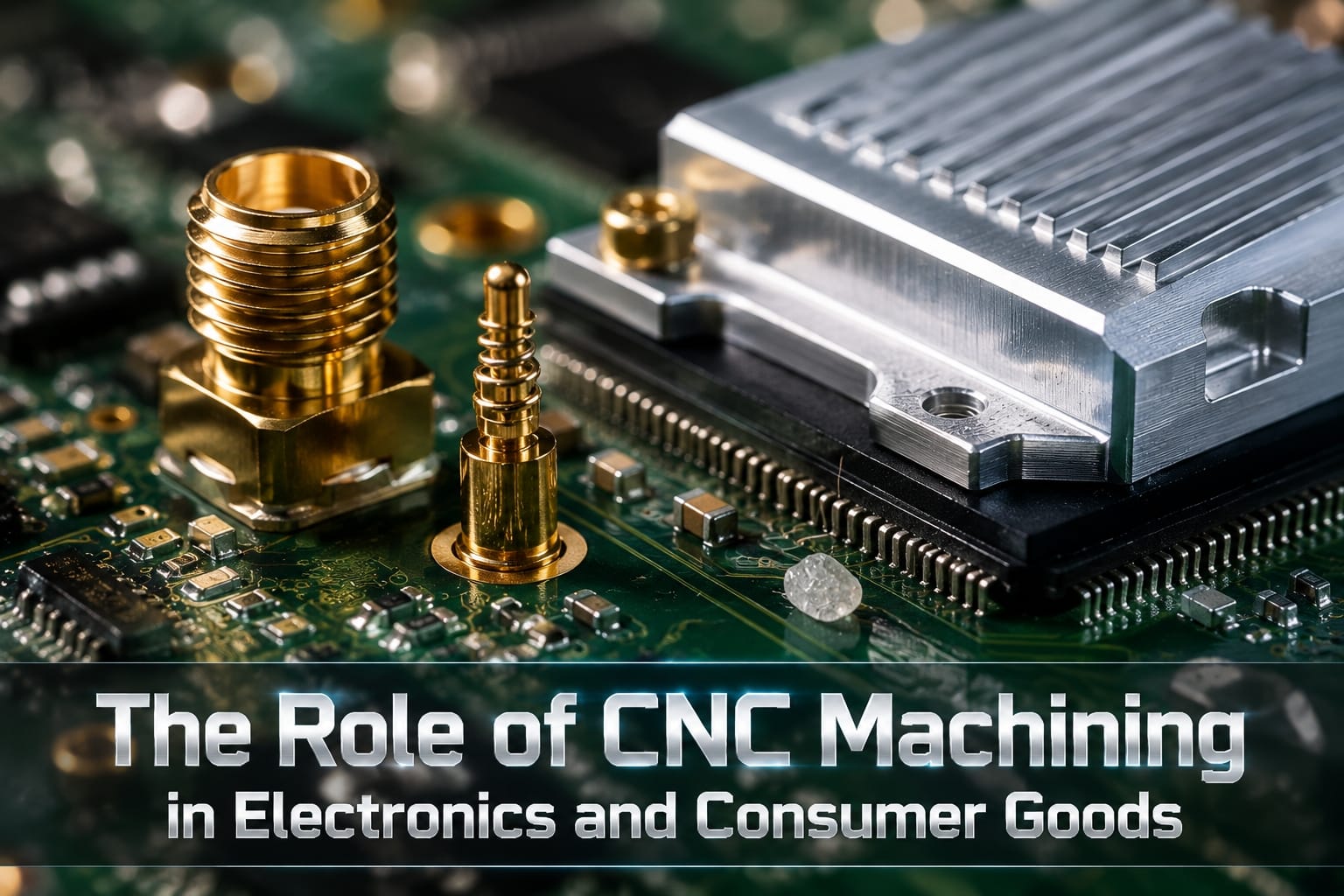
The product lifecycle of high-end consumer electronics and industrial equipment typically begins with low-volume physical testing. Engineering teams rely on a specialized electronic prototyping company to validate the physical design, thermal profile, and RF performance of their assemblies. During this phase, speed and geometrical accuracy are the primary metrics of success. Electronic prototype manufacturers must adapt to rapid, iterative design updates without requiring expensive hard tooling.
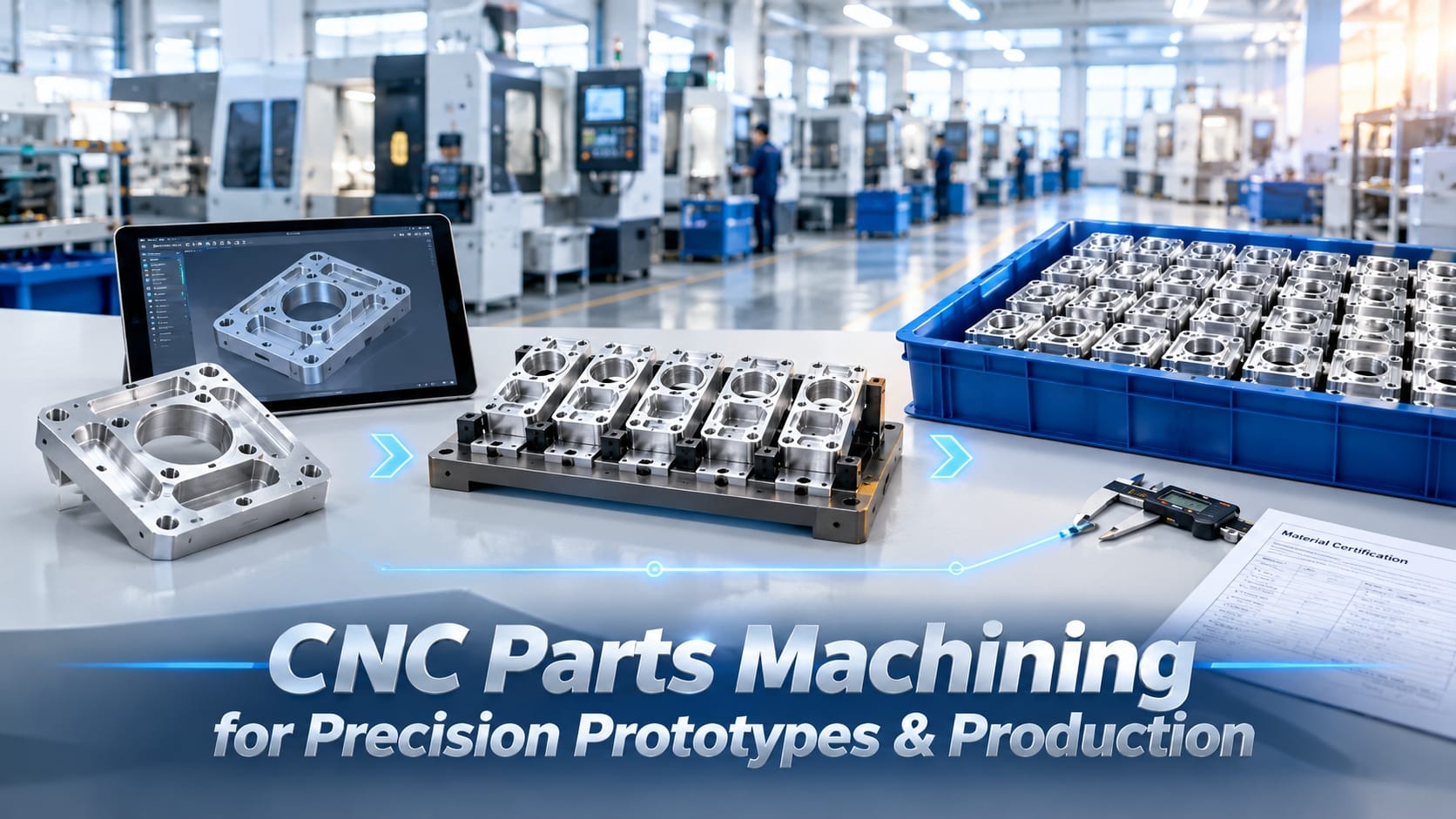
As designs mature, the manufacturing challenge shifts from rapid electronic prototype manufacturing to cost-efficient cnc production machining. Scaling up production demands a rigorous transition plan that incorporates design for assembly (DFA) and design for manufacturing (DFM) methodologies. Tooling paths must be optimized, and cycle times must be minimized to control unit costs.
In large-scale production machining, every second of cycle time directly affects the bottom line. Utilizing multi-axis CNC machines allows complex components to be machined in a single setup, which eliminates human handling errors and ensures consistent part-to-part repeatability across production runs of thousands of units.
Optimizing Cutting Dynamics: Conventional vs. Climb Milling
For high-tolerance components, the specific mechanics of the milling process significantly influence both the dimensional accuracy and the surface finish of the final part. Machinists face a fundamental process decision: choosing between conventional milling and climb milling.
In conventional milling, the cutter rotates against the direction of the feed. The chip thickness starts at zero and increases toward its maximum, causing the tool to rub against the material before cutting. This rubbing can work-harden the material, accelerate tool wear, and degrade the surface finish.
In contrast, during climb machining (or climb milling), the cutter rotates with the direction of the feed. The chip width starts at its maximum and decreases to zero, letting the tool engagement pull the workpiece into the cutter. According to established manufacturing guidelines from the American Society of Mechanical Engineers (ASME), climb milling significantly reduces cutting forces and tool friction, leading to cooler cutting zones, longer tool life, and a superior surface finish ($R_a < 0.8\ \mu\text{m}$). This makes climb milling the preferred choice for finishing operations on high-precision electronics housings.
However, climb milling requires high-rigidity CNC machines equipped with backlash eliminators. If executed on outdated or light-duty equipment, the tool can pull the workpiece forward, leading to tool breakage or chatter marks. Partnering with a robust cnc production supplier ensures the stability and machinery stiffness required to leverage advanced climb milling strategies.
Contact Our Engineering Team for DFM Feedback
Aerospace-Grade Precision in Consumer Electronics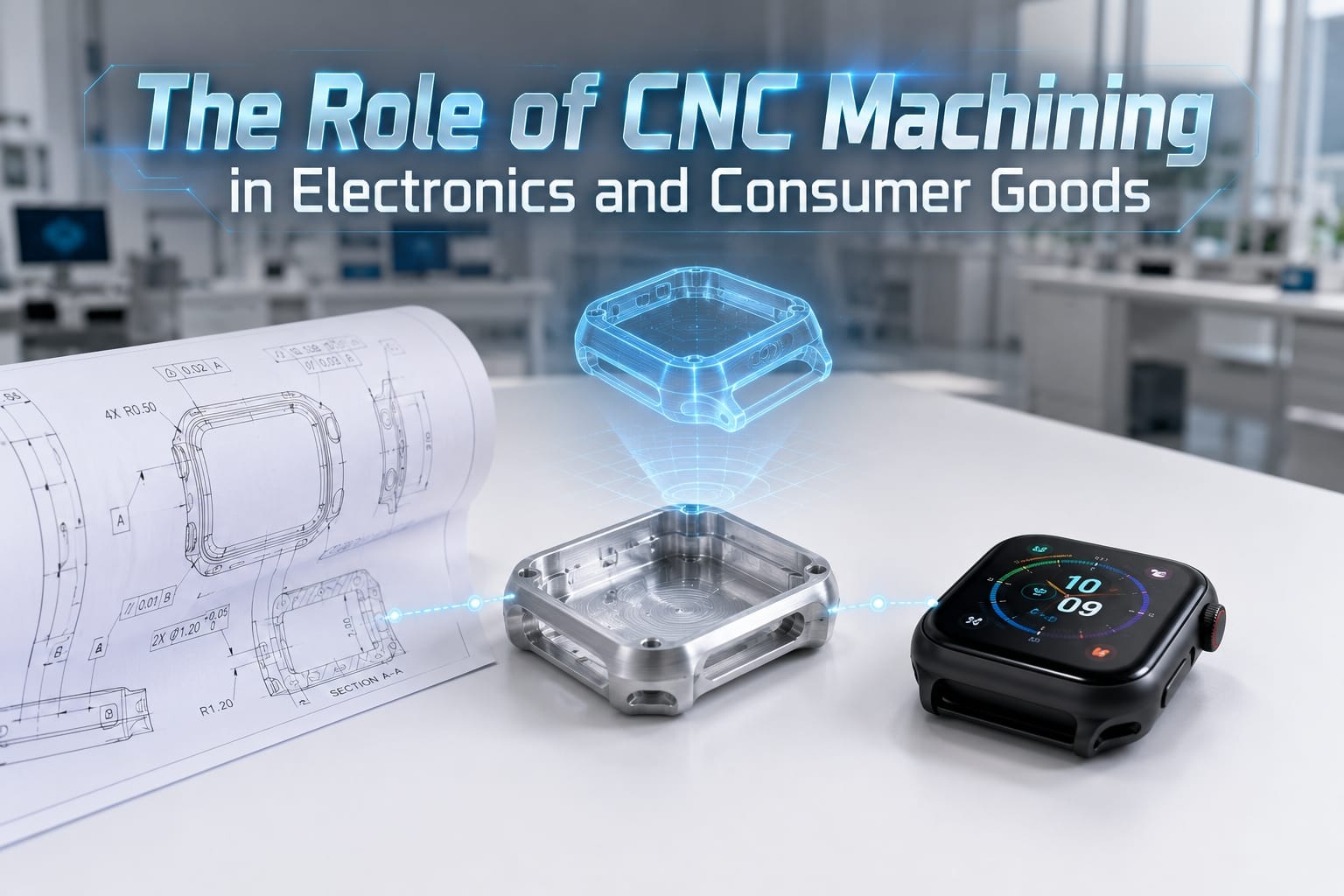
The line between high-end electronics and aerospace-grade hardware is increasingly blurred. Modern consumer electronics often incorporate advanced materials and tight-tolerance configurations originally developed for aerospace applications. Component failure is not an option in critical satellite communications, ruggedized field laptops, or avionics arrays.
Implementing custom aerospace machining practices in consumer and industrial electronics production guarantees a level of reliability that standard consumer-grade suppliers cannot match. The strict quality controls, material traceability, and geometric dimensioning and tolerancing (GD&T) protocols used in the custom machining for aerospace industry translate directly to more robust electronic hardware.
For example, precision internal gear mechanisms, high-reliability connectors, and hermetically sealed enclosures benefit directly from aerospace manufacturing methodologies. By selecting a manufacturer that can bridge these requirements, B2B procurement professionals can secure highly reliable components designed to survive harsh operating conditions.
Why Boraco Machining is Your Strategic Production Partner
Successfully sourcing electronics cnc machining services requires a manufacturing partner that combines technical expertise with reliable capacity. Boraco Machining, located in Dongguan, China, has provided high-precision manufacturing solutions since 2013. Equipped with multi-axis CNC machines and certified under ISO 9001:2015, we support B2B clients through every phase of the product lifecycle—from early-stage prototyping to high-volume production.
Our engineering team reviews your CAD models to apply design for assembly (DFA) principles, helping to optimize manufacturing cycle times and reduce production costs. By combining advanced cutting techniques, rigid quality control, and deep material expertise, we deliver high-precision components that meet the rigorous standards of the electronics, automotive, and industrial sectors.