








5-Axis CNC Machining Services for Complex, High-Precision Parts
Boraco offers custom CNC machining services worldwide, with 5-axis capabilities and tolerances as tight as ±0.005mm.. We work with metal, plastic, and composite materials, whether you need a single part or mass production.
±0.005mm tolerance, 3-day prototyping, ISO 9001. Get instant quote & free DFM.


Who are we?
Boraco Machining—China CNC Machining Services
Boraco is an overseas brand under Chenxin Hardware Co., Ltd., with its office located in Tsim Sha Tsui, Hong Kong.
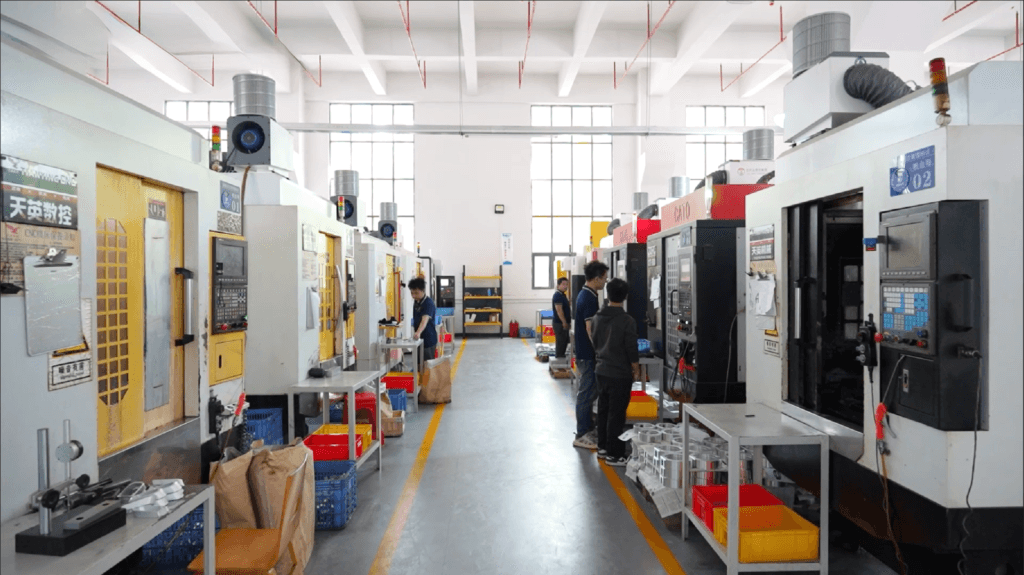
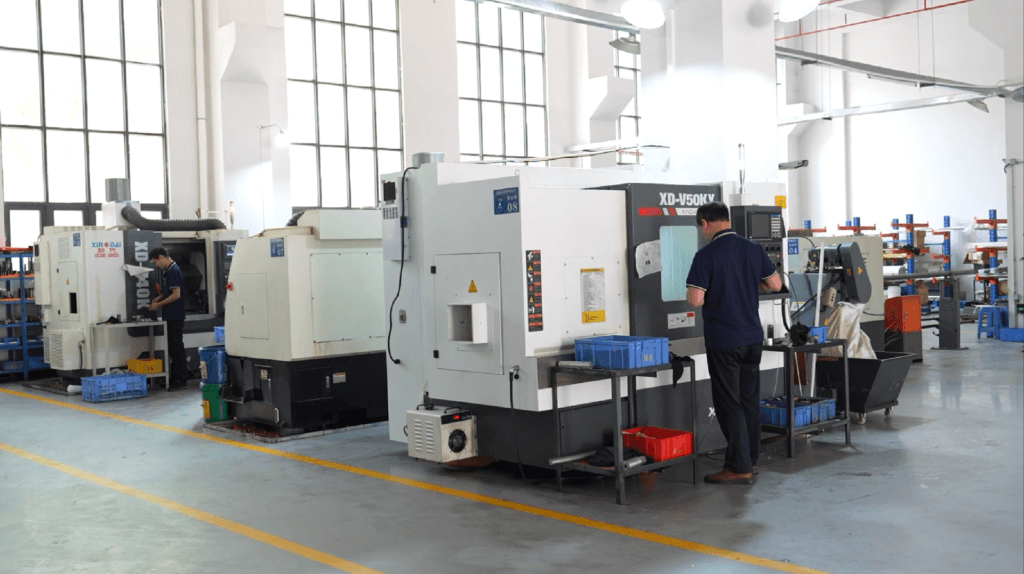
Chenxin Hardware Co., Ltd., established in 2013 and headquartered in Dongguan, Guangdong Province, is a professional manufacturer specializing in high-precision, custom CNC machining solutions. Operating from a state-of-the-art 2,000-square-meter facility and backed by a decade of industry expertise, the company consistently delivers manufacturing excellence and uncompromising quality.
As an integrated precision manufacturing provider, Chenxin Hardware offers comprehensive capabilities—including CNC turning and milling, sheet metal fabrication, die-casting, and related value-added services—serving high-end sectors such as automotive, aerospace, electronics, and medical device industries.
4 Reasons B2B Buyers Choose Boraco for 5-Axis Machining
01
3+2 Machining vs. Simultaneous 5-Axis Machining
Not every five-axis project requires all five axes to move simultaneously. Understanding the difference helps buyers avoid unnecessary machining costs.
02
3+2 Positional 5-Axis Machining
In 3+2 machining, the two rotary axes position the workpiece or tool at a selected angle and then remain fixed while the three linear axes perform the cutting operation.
This approach is suitable for components with angled holes, multiple machined faces, inclined pockets, and features that can be accessed from different orientations.
Key advantages include:
– Fewer workpiece repositioning operations
– Improved access to multiple faces
– Reduced setup complexity for suitable parts
– Lower programming and machining costs than some simultaneous five-axis operations
03
Simultaneous 5-Axis Machining
In simultaneous 5-axis machining, all five axes can move in coordination during cutting. The tool can maintain an appropriate orientation while following complex three-dimensional toolpaths.
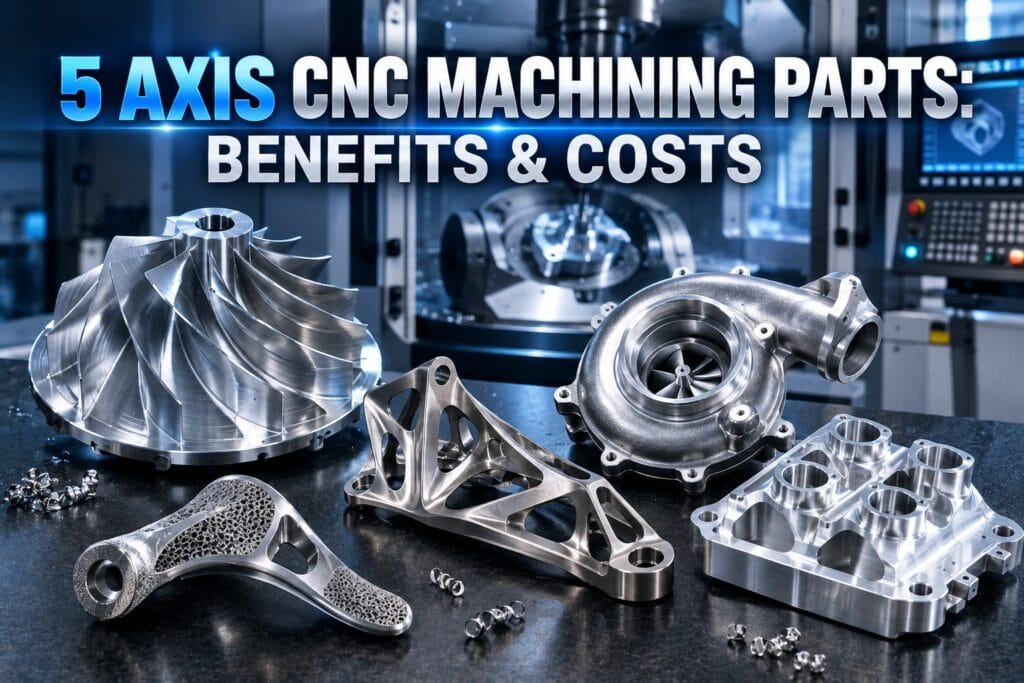
This process is particularly useful for sculptured surfaces, impellers, turbine blades, complex molds, and components with continuously changing surface angles.
Key advantages include:
– Better tool access to complex geometries
– Improved machining efficiency for suitable freeform surfaces
– Reduced need for multiple specialized setups
– Greater flexibility when machining compound curves and complex contours
04
Which process should you choose?
Choose 3+2 machining when your component mainly requires machining several angled faces or indexed features. Consider simultaneous 5-axis machining when your design includes continuously changing surface angles, complex freeform contours, or geometries that cannot be efficiently produced using positional machining.
The most economical solution depends on part geometry, tolerance requirements, machine availability, programming complexity, and production quantity.
Boraco Machining combines precision machining equipment, material options, and manufacturing support to produce custom components for international OEMs, engineers, product developers, and procurement teams.
Our goal is to match the machining strategy to the part rather than applying the same process to every project.
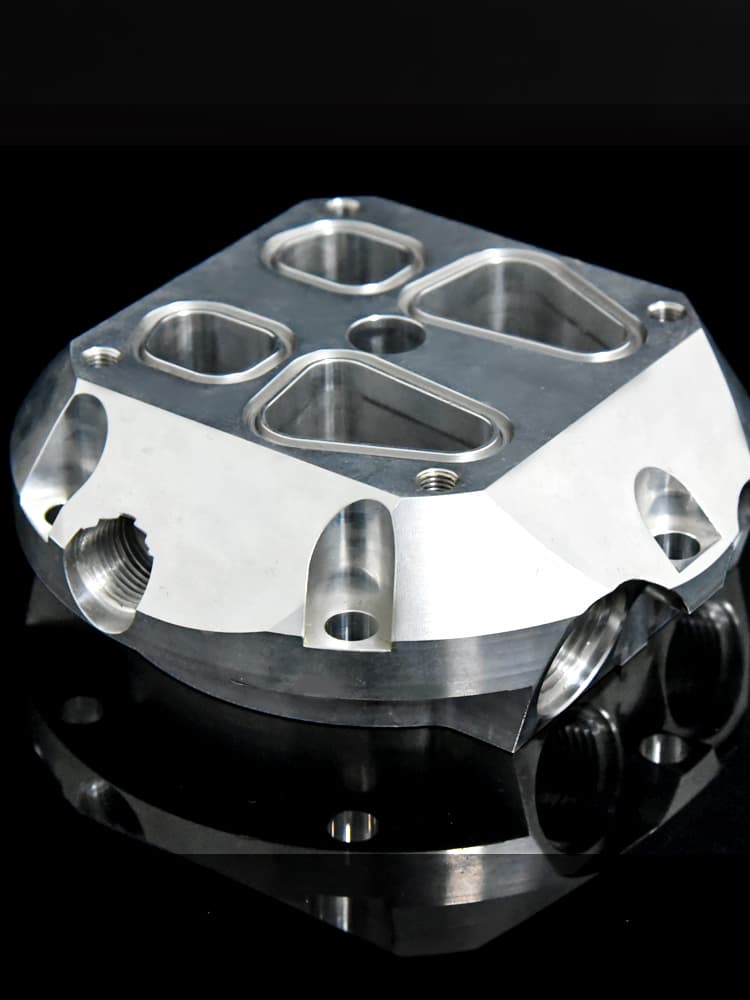
Our 5-axis CNC milling capabilities support components with complex surfaces, multiple angled features, and geometries that are difficult to machine efficiently using conventional setups.
For applicable components, Boraco can work toward tolerances down to approximately ±0.005 mm. Achievable tolerances depend on the material, geometry, part size, feature location, machining process, and inspection requirements.
Sheet Metal Processing
Which process should you choose?
Choose 3+2 machining when your component mainly requires machining several angled faces or indexed features. Consider simultaneous 5-axis machining when your design includes continuously changing surface angles, complex freeform contours, or geometries that cannot be efficiently produced using positional machining.
The most economical solution depends on part geometry, tolerance requirements, machine availability, programming complexity, and production quantity.
Comparing 3-Axis, 4-Axis, 3+2, and Simultaneous 5-Axis Machining
| Machining Process | Axis Configuration | Best Applications | Relative Cost |
|---|---|---|---|
| 3-Axis CNC Machining | X, Y, Z | Flat surfaces, pockets, brackets, simple housings | $ |
| 4-Axis CNC Machining | X, Y, Z + rotary axis | Cylindrical parts, indexed features, components requiring machining around an axis | $$ |
| 3+2 CNC Machining | Three linear axes + two positioned rotary axes | Angled faces, multi-sided machining, complex prismatic parts | $$–$$$ |
| Simultaneous 5-Axis Machining | Three linear axes + two coordinated rotary axes | Impellers, complex contours, aerospace components, intricate molds | $$$ |
These relative costs are indicative rather than fixed quotations. Actual costs depend on material, part dimensions, programming, setup, machining time, inspection, and finishing requirements.
Materials for 5-Axis CNC Machining
Aluminum
Features: High strength-to-weight ratio, exceptional thermal conductivity, robust corrosion resistance, and superior machinability.
Common Grades: 6061, 7075, 2024, 5052.
Applications: Aerospace structures, automotive components, electronics enclosures, medical devices, and renewable energy sectors.
- Precision Machining: Utilizing state-of-the-art 5-axis CNC machining centers and customized rigid workholding, we consistently achieve tight dimensional tolerances up to ±0.01mm.
- Advanced Surface Finishing: We provide comprehensive surface treatment solutions, including anodizing, precision sandblasting, and mechanical polishing, to fulfill stringent aesthetic and functional requirements.
- Cost-Efficiency & Rapid Delivery: Optimized toolpaths and cutting parameters significantly minimize material scrap, while our streamlined production workflow accelerates delivery cycles by 20% compared to the industry standard.
Stainless Steel
Features: Exceptional tensile strength, superior corrosion resistance, high thermal tolerance, and low maintenance requirements.
Common Grades: 304, 316, 410, 17-4PH.
Applications: Food processing machinery, medical devices, marine hardware, automotive engineering, and high-end consumer appliances.
- Overcoming Machining Challenges: Utilizing specialized cutting geometries and advanced high-pressure cooling technologies, we effectively mitigate work hardening, thermal deformation, and accelerated tool wear.
- Corrosion Resistance Assurance: Rigorous machining protocols and precision surface treatments ensure component longevity, delivering a 30% increase in service life.
- Consistent Quality: Comprehensive 100% dimensional inspection and surface hardness testing guarantee a 99.8% qualification rate across all production lots.
Carbon Steel
Low Carbon Steel: Moderate tensile strength combined with superior ductility and formability, ideal for light structural components.
Medium Carbon Steel: Enhanced mechanical strength and yield toughness, perfectly suited for heavy-duty load-bearing parts.
High Carbon Steel: Maximum hardness and wear resistance, engineered for heavy-duty cutting tools and resilient spring components.
Applications: Precision gears, heavy-duty shafts, structural frameworks, complex industrial machinery components, and die/mold fabrications.
- High Efficiency & Cost Control: Through optimized high-velocity cutting toolpaths, we drastically minimize material waste, driving production cost down by 10%.
- Advanced Heat Treatment: We offer comprehensive in-house thermal processing—including quenching, tempering, and annealing—to guarantee precise mechanical properties and structural stability.
- High-Volume Manufacturing: Armed with robust scalable production lines, we comfortably exceed an annual capacity of 500,000 carbon steel components while ensuring accelerated lead times.
Alloy Steel
4140 Alloy Steel: Exceptional fatigue strength and wear resistance, ideal for heavy-load structural components.
4340 Alloy Steel: Combines deep-hardening fracture toughness with high ductility, engineered for aerospace and heavy industrial applications.
8620 Alloy Steel: Carburizing grade featuring excellent case-hardenability and a highly resilient, tough core, perfectly suited for gears and crankshafts.
- Specialized Tooling & Parameter Optimization: Utilizing high-rigidity cutting tools and synchronized parameter optimization, we effectively conquer high-hardness barriers and mitigate accelerated tool wear.
- Performance & Durability Assurance: Advanced carburizing, quenching, and tempering protocols significantly enhance surface hardness, extending overall part service life by 30%.
- Uncompromising Quality Control: Rigorous 100% Rockwell hardness testing and precision dimensional verification guarantee a 99.8% qualification rate for all components.
Learn more about CNC alloy steel parts materials>>
Tool Steel
- Mastering Hard-to-Machine Materials: Decades of specialized tool steel machining expertise allow us to thoroughly control micro-deformation and prevent thermal micro-cracking during processing.
- Ultra-High Precision Tolerances: Consistently achieving dimensional accuracy as tight as ±0.005mm, satisfying the most stringent criteria for critical mold and aerospace-grade tooling components.
Titanium
Features: Extreme strength-to-weight ratio, low density, ultimate corrosion resistance, and excellent biocompatibility.
Common Grades:
Ti-6Al-4V (Grade 5): The benchmark titanium alloy, widely specified for its supreme mechanical strength and corrosion resistance.
Grade 2 Commercially Pure Titanium: Delivers excellent formability and superior corrosion resistance in aggressive environments.
Applications: Aerospace structures, biomedical implants, chemical processing vessels, and high-end motorsport engineering.
- Solutions for Difficult-to-Machine Materials: By deploying specialized carbide tools and rigid machining parameters, we effectively mitigate titanium’s low thermal conductivity, high spring-back tendencies, and accelerated tool wear.
- Advanced Surface Finishing: Providing precision bead blasting, passivation, and custom anodizing treatments to significantly enhance surface durability, aesthetics, and wear profiles.
- Aerospace-Grade Precision & Reliability: Consistently delivering tight tolerances and structural integrity to meet the uncompromising standards of high-performance mission-critical industries.
Copper
C110 (Electrolytic Tough Pitch Copper): Features exceptional electrical and thermal conductivity combined with excellent cold working properties.
C101 (Oxygen-Free Electronic Copper): Offers ultimate electrical conductivity and high purity, ideal for high-vacuum, semiconductor, and premium electronics.
Applications: High-performance electrical connectors, semiconductor components, semiconductor packaging, RF shielding, and high-efficiency heat sinks.
- High-Precision Conductive Component Machining: Through specialized tool geometry to prevent material adhesion, we control dimensional tolerances to within ±0.005mm, ensuring stable electrical signal transmission.
- Superior Surface Integrity: Precision diamond polishing and rigorous optical inspection guarantee burr-free edges and an ultra-smooth surface roughness of up to Ra0.4.
- Complex & Intricate Geometry Machining: Advanced 5-axis CNC machining centers efficiently execute intricate internal pathways, thin-walled structures, and highly detailed profiles without material distortion.
Brass
C360 (Free-Cutting Brass): Delivers peak machinability and low tool wear, engineered for ultra-high-speed precision turning and complex component fabrication.
C272 (Yellow Brass): Offers excellent cold-working ductility and formability, ideally suited for architectural, stamped, and decorative components.
Applications: Fluid control manifolds, precision plumbing components, heavy-duty valve internals, electronic connectors, and luxury decorative hardware.
- Superior Surface Finish Quality: Consistently achieving a pristine surface roughness of up to Ra0.4, satisfying the strict cosmetic and contact criteria for high-end connectors and exposed hardware.
- High-Velocity Machining Efficiency: Through tailored high-speed toolpath strategies and synchronized machining parameters, we enhance throughput and cycle efficiency by 20%.
- High-Volume Production Stability: Equipped with automated bar feeders and real-time SPC tracking, we comfortably handle mass production runs with a 99.8% component qualification rate.
Super Alloys
Features: Exceptional mechanical strength, excellent creep resistance, and superior oxidation/corrosion resistance under extreme elevated temperatures.
Common Grades: Inconel 718, Hastelloy C276, Monel 400.
Applications: Aerospace propulsion engines, gas turbine components, deep-sea oil/gas hardware, and severe-service chemical processing systems.
- Mastering Hard-to-Machine Superalloys: Armed with deep engineering expertise in processing Inconel and Hastelloy, we implement customized rigid setups and advanced cooling strategies to conquer severe work-hardening tendencies and high cutting forces.
- Extreme Durability & High Precision: We deliver flight-ready and mission-critical components that withstand ultra-hostile, thermal, and corrosive environments, consistently maintaining a 99.8% customer acceptance rate.
World's Fastest
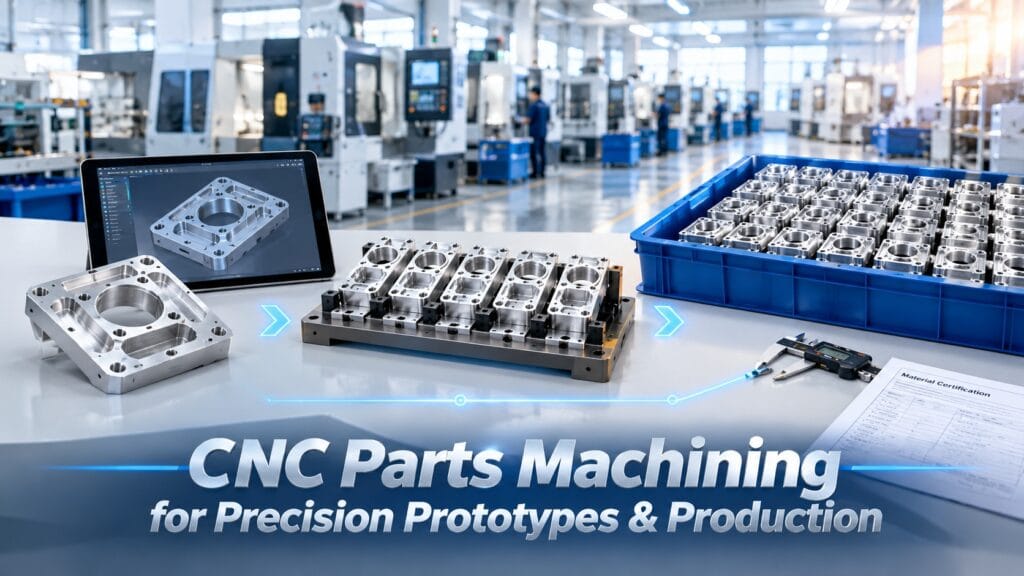
CNC Parts Machining for Precision Prototypes & Production
Step 1: Submit Your CAD Files and Requirements
Send your technical drawings and 3D models in supported formats, such as STEP, STP, IGES, and PDF.
For an accurate quotation, include:
Material grade and quantity
Critical dimensions and tolerances
Surface finish requirements
Functional or assembly requirements
Inspection and documentation requirements
Required delivery date
The more complete the technical information, the easier it is to assess manufacturability and provide an accurate quotation.
Step 2: Confidentiality and File Review
[]
If confidentiality is required, discuss an NDA with our team before sharing sensitive design files.
Our team reviews the geometry, material, tolerance requirements, machining accessibility, and finishing specifications. This helps identify potential manufacturing challenges before production begins.
Step 3: DFM Feedback and Machining Strategy
Design for Manufacturability (DFM) review evaluates whether the part can be produced efficiently while meeting its functional requirements.
Depending on the component, our team may assess:
Whether 3-axis, 3+2, or simultaneous 5-axis machining is most appropriate
Tool access and potential interference
Wall thickness and deep-cavity geometry
Critical datums and dimensional tolerances
Material selection and machining characteristics
Surface finishing and inspection requirements
Where appropriate, alternative machining strategies may help reduce unnecessary setups or production costs.
Step 4: Quotation and Production Planning
After reviewing the requirements, we prepare a quotation based on material, machining complexity, programming, setup, production quantity, finishing, inspection, and delivery.
For suitable projects, the quotation process can also identify opportunities to optimize the design or choose a more economical machining approach.
Step 5: Prototype Machining and Verification
Where prototyping is required, sample parts are produced for dimensional verification and design evaluation.
Critical dimensions and agreed inspection requirements are checked before moving to the next production stage.
Step 6: Production, Inspection, and Delivery
After sample approval where applicable, the project proceeds according to the agreed production plan.
Quality checks, finishing, packaging, and shipping arrangements are determined by the technical specifications and customer requirements.
For international customers, documentation and shipping requirements can be discussed during quotation.
For more information about our manufacturing approach, visit China CNC Machining.
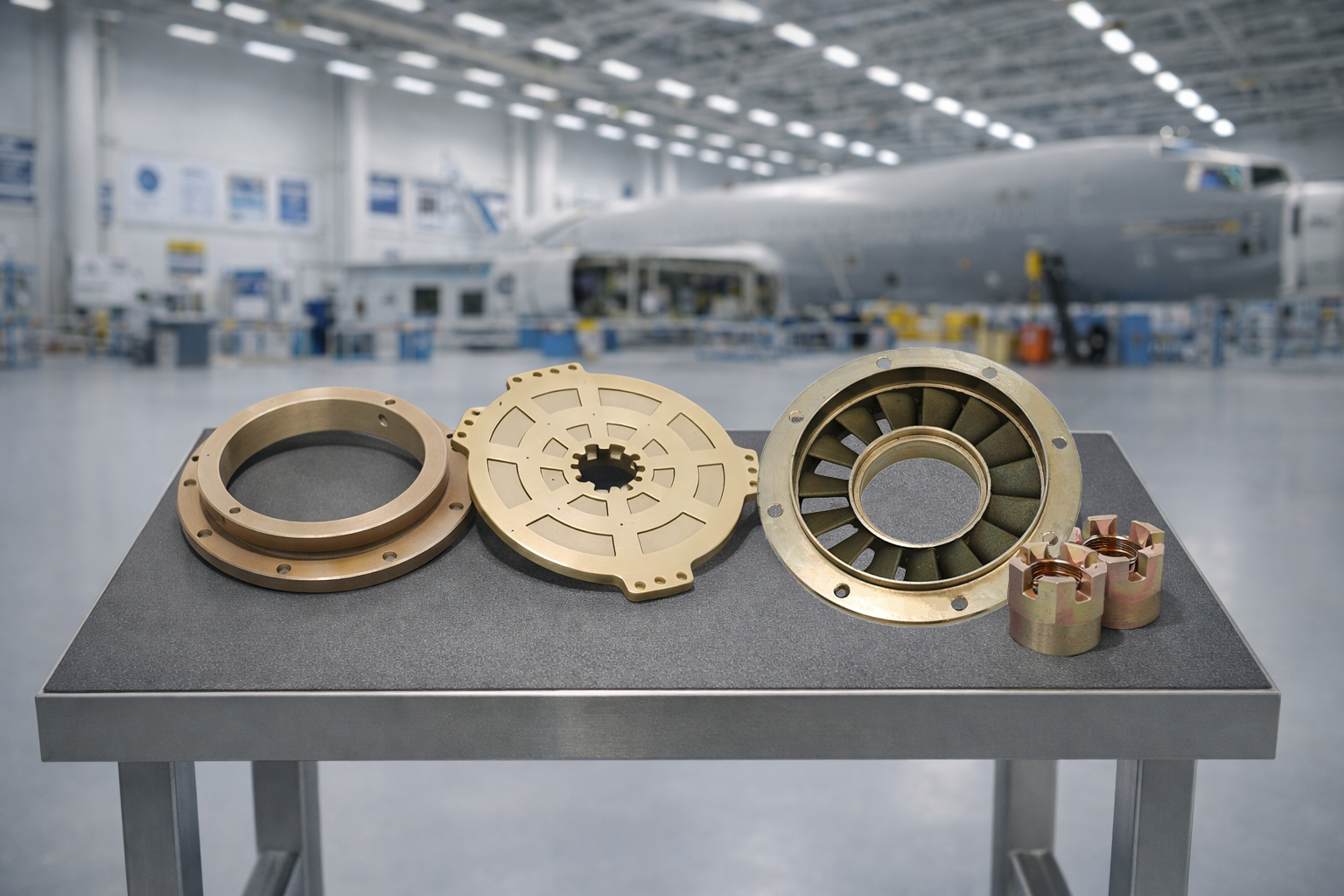
Aerospace
Cabin and exterior, lighting and vents components. jigsand fixtures in the aviation industry
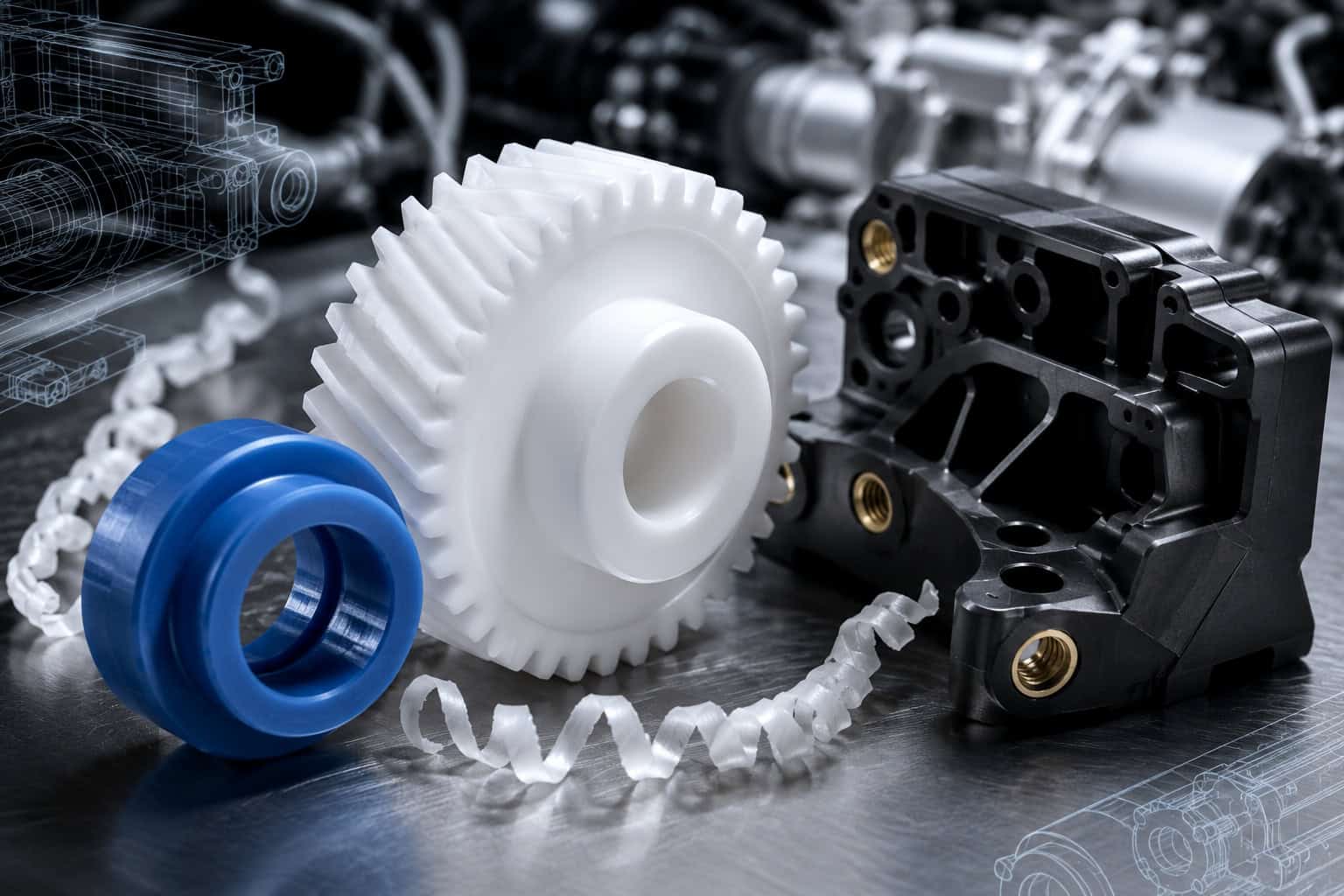
consumer goods machining
Boraco Machining delivers custom CNC machined components for consumer products—from rapid prototypes to 1,000,000+ parts
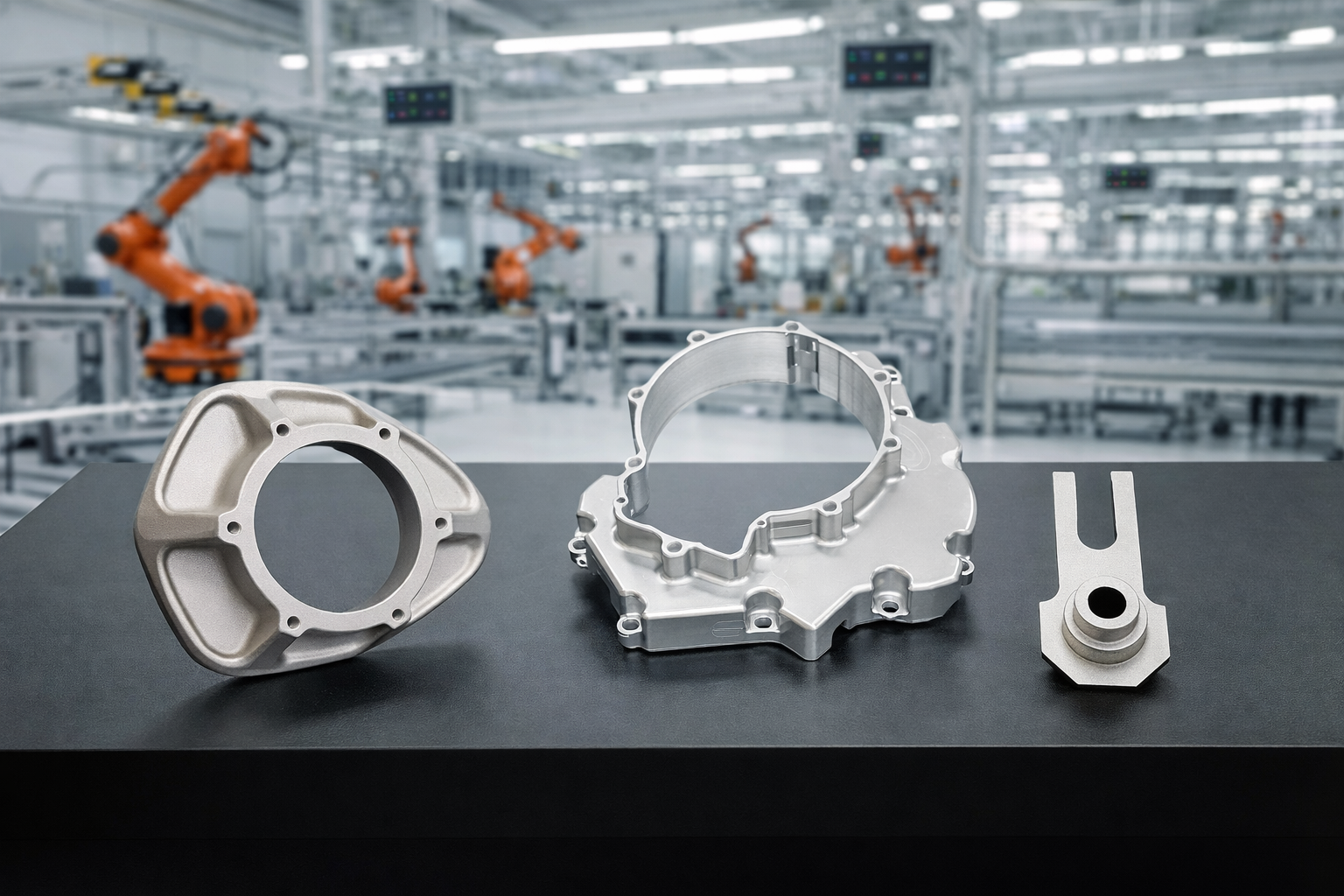
Automotive
Interior and exterior parts, under-the-hood componentsin the automotive and EV industry
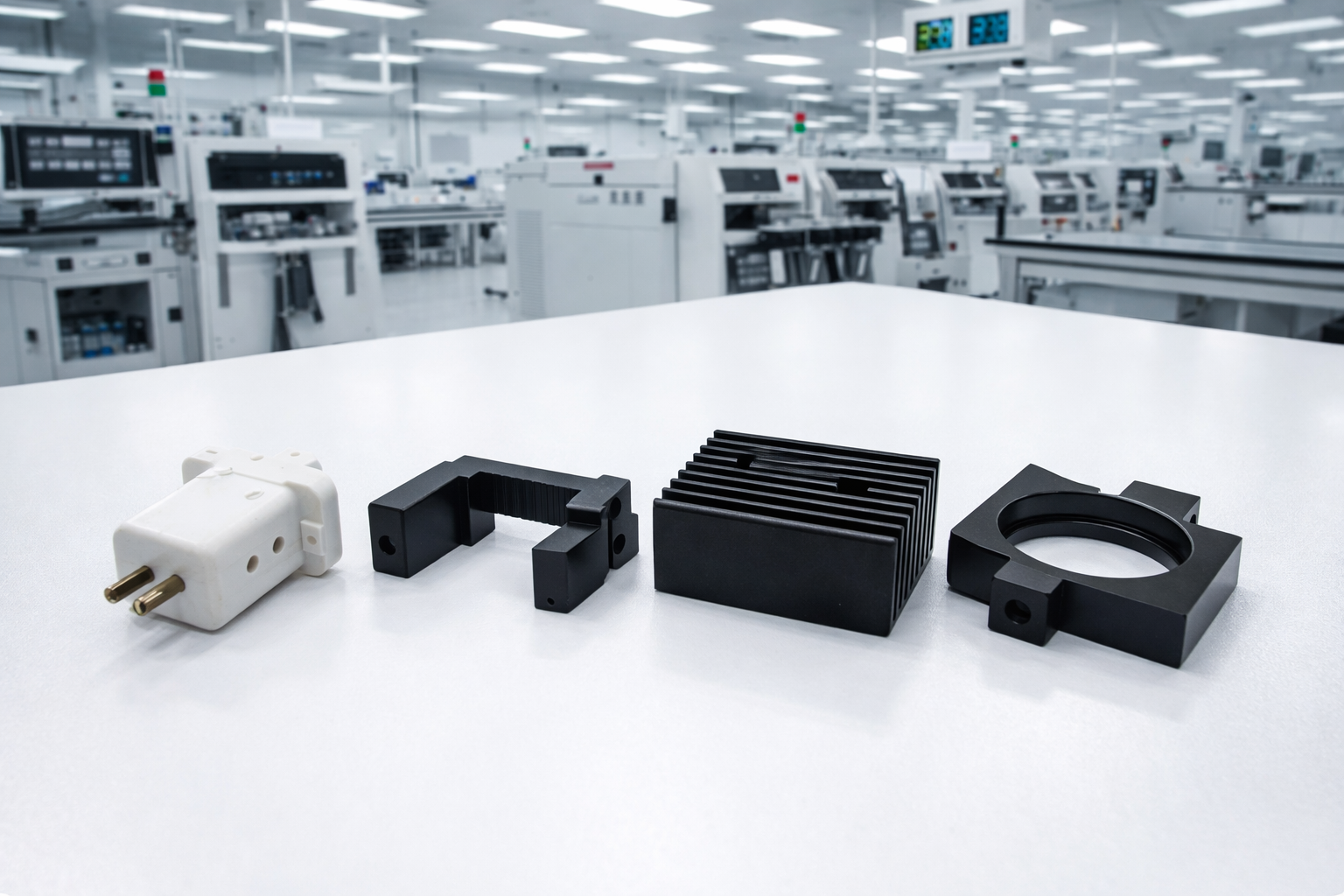
Electronic
Casing. housing and components of cellphones,headphones, game controllers, cameras in theconsumerarea
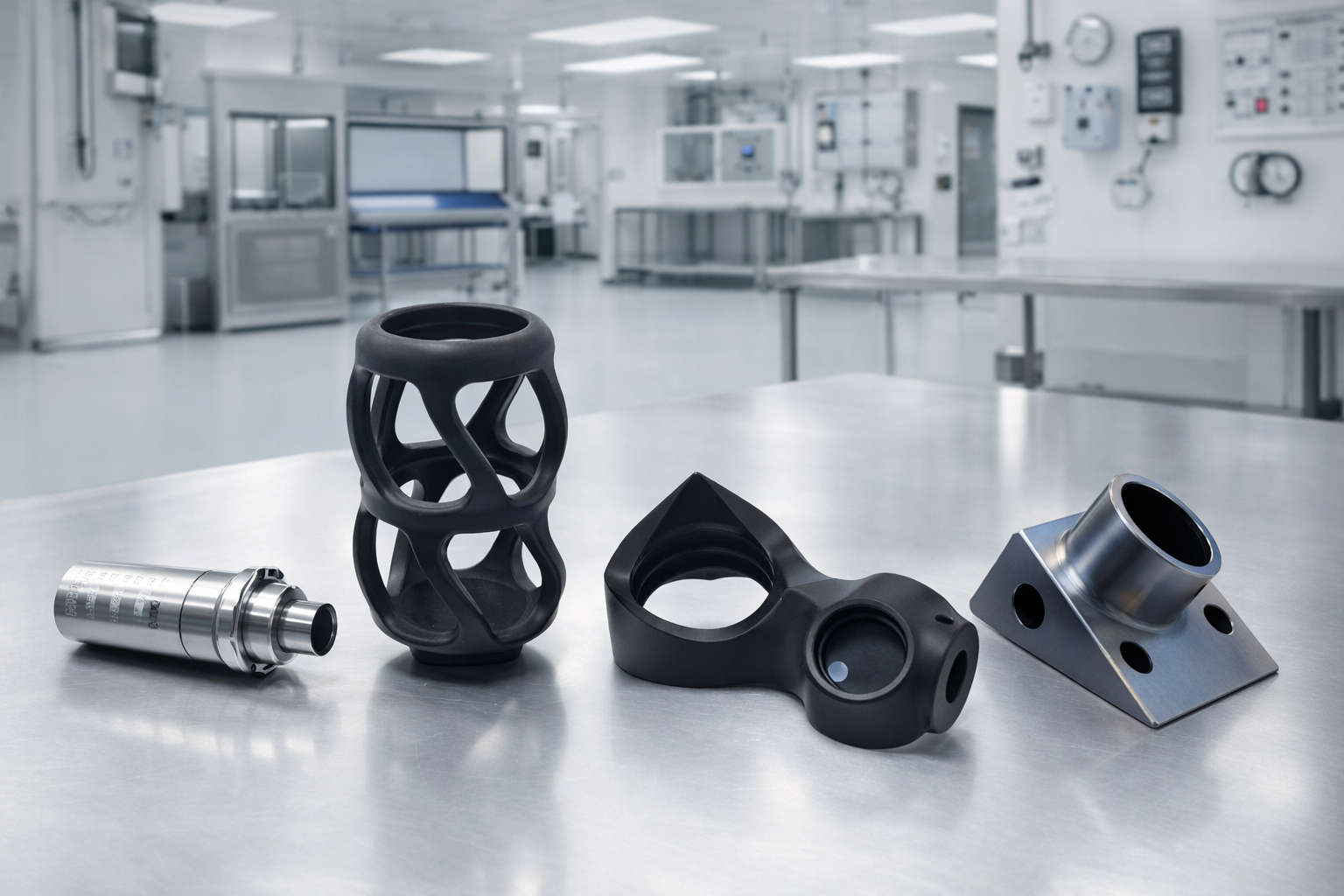
Medical
Medical items and healthcare devices, shells andsurgical instruments in the medical and healthcareindustry
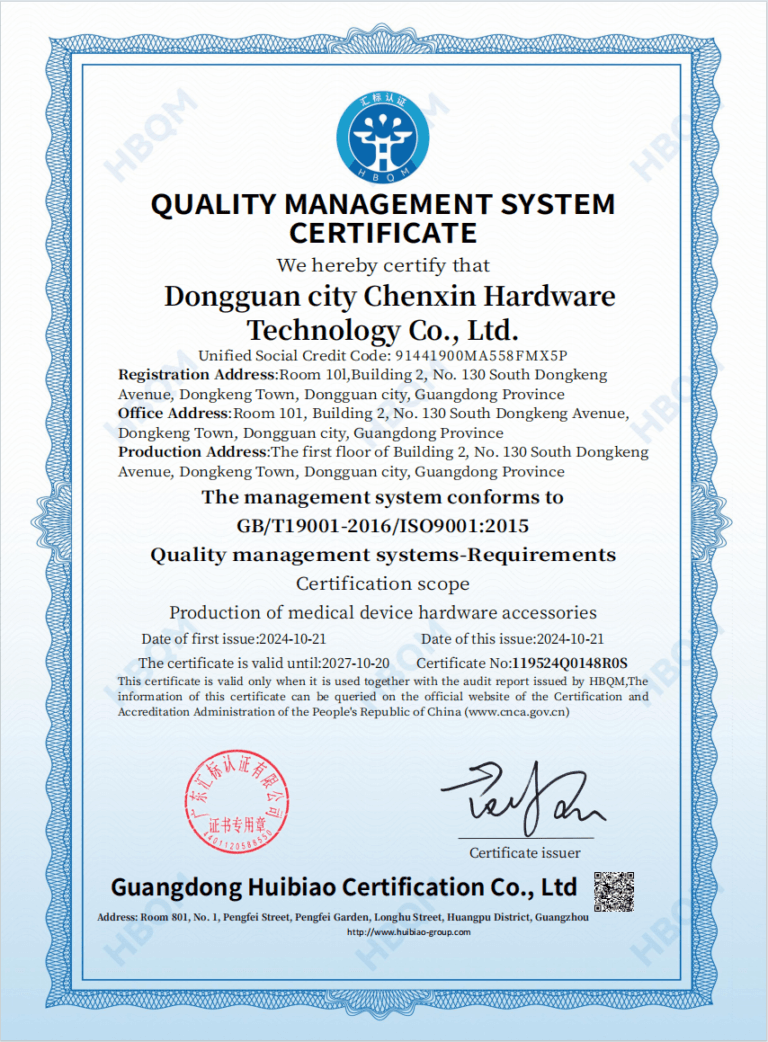
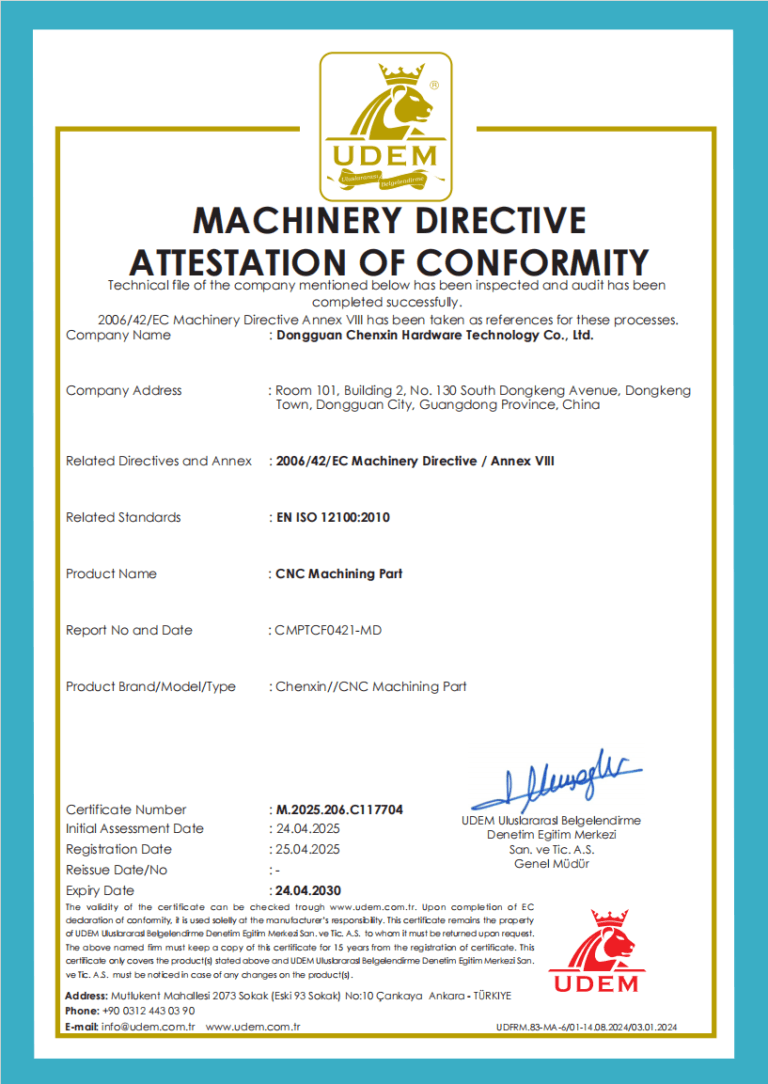
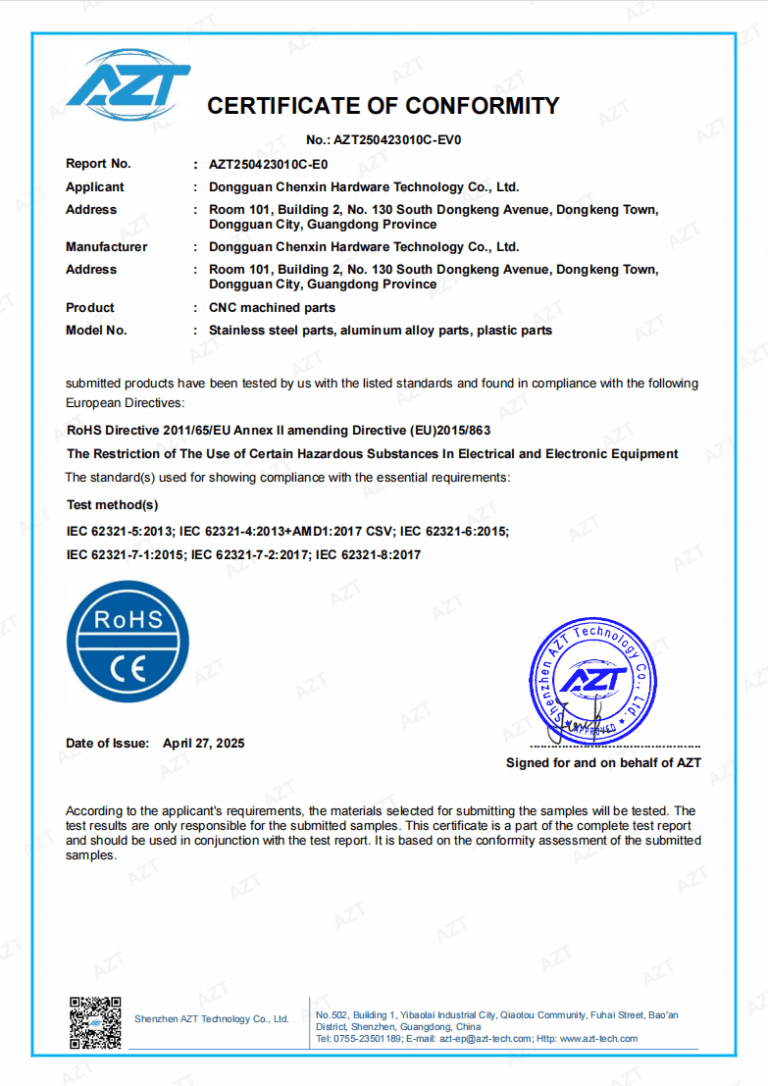
Choosing a China CNC machining supplier is not only about price. Procurement teams need confidence that the supplier has the quality system, equipment, capacity, and process control required for long-term cooperation.
ISO 9001 Quality Management
ISO 9001 certified manufacturing processes help establish a structured quality management framework for CNC machining production.
Precision Inspection
Dimensional inspection is integrated into the production process to help verify critical part requirements and maintain consistency.
Production Security
Customer CAD files, drawings, specifications, and project information should be handled through controlled communication and document-management procedures.
Manufacturing Capacity
2,000㎡ Facility
50+ Advanced Machines
3/4/5-Axis Machining
±0.005mm Accuracy
Industries Served
- Consumer Products
- Consumer Electronics
- Automotive
- Aerospace
- Medical Devices
- Industrial Equipment
our partners trust us
Stuart Oneil
CEO, Luryc
“Boraco’s 5-axis CNC machining handled our most complex impeller geometries in a single setup — something two previous suppliers couldn’t manage. Every dimension matched the model, and their efficiency cut our lead time by nearly half.”
Elly Brett
Business Operations, Bewarx
“From first article to a full production run of 1,200 parts, Boraco held our tightest tolerances on every critical feature. Their 5-axis capability, backed by rigorous in-process inspection, delivered a repeatability we simply didn’t expect from an overseas supplier.”
Jenna Ballard
VP Marketing, Wico
“Boraco’s 5-axis machining let us consolidate five separate components into one precision-machined part. Assembly time dropped by 40% and unit cost landed well under target — their design-for-manufacturability input was invaluable.”
Have a complex component that requires accurate machining, fewer setups, or a more efficient production strategy?
Send your technical drawings or CAD files to discuss your requirements.
Boraco Machining supports international OEMs, procurement teams, and product development engineers with custom CNC machining, engineering review, material selection, prototyping, and production support.
Send your technical drawings or CAD files to discuss your requirements.
Frequently Asked Questions About 5-Axis CNC Machining
Most frequent questions and answers
1. What is the difference between 3+2 and simultaneous 5-axis CNC machining?
3+2 machining positions the two rotary axes and locks them during cutting while the three linear axes perform the machining operation. It is suitable for multi-sided components and angled features.
Simultaneous 5-axis machining coordinates all five axes during cutting. It is better suited to complex freeform surfaces, impellers, turbine blades, and other components requiring continuous changes in tool orientation.
The most appropriate method depends on part geometry, tolerance requirements, programming complexity, and production cost.
2. What tolerances can Boraco achieve with 5-axis CNC machining?
For applicable components, Boraco can work toward tolerances as tight as approximately ±0.005 mm. A more typical target for many precision machining features may be around ±0.01 mm, depending on the design.
Actual achievable tolerances depend on material, part size, geometry, feature location, machining strategy, temperature, finishing, and inspection method.
Critical tolerances should be reviewed against the engineering drawing before quotation. CMM inspection can be arranged when required and confirmed for the project.
3. What materials can be used for 5-axis CNC machining?
Common options include aluminum 6061 and 7075, stainless steel 304 and 316, titanium Grade 5 (Ti-6Al-4V), brass, copper, and engineering plastics such as PEEK and POM.
Material selection depends on mechanical performance, corrosion resistance, weight, temperature, electrical properties, regulatory requirements, and budget.
Boraco can review your application and help assess material and machining options.
4. How long does 5-axis CNC machining take?
For suitable projects, prototype samples may be targeted within approximately 1–3 days. Mass-production lead times may be approximately 4–10 days for applicable orders.
These are indicative targets rather than guaranteed delivery times. Actual lead times depend on part complexity, material availability, order quantity, programming, finishing, inspection, and shipping requirements.
A confirmed schedule can be provided after reviewing your drawings and project details.
5. Which file formats does Boraco accept for CNC machining quotations?
You can submit 3D CAD files in formats such as STEP, STP, and IGES, together with 2D PDF drawings where available.
Include material specifications, critical tolerances, surface finishing requirements, quantities, and delivery expectations to help our team prepare an accurate quotation.
If your design is confidential, contact us to discuss an NDA before sending sensitive files.
6. Is 5-axis CNC machining more expensive than 3-axis machining?
Five-axis machining may have a higher hourly machine rate and more complex programming requirements. However, it can reduce the number of setups, specialized fixtures, and secondary operations for complex parts.
For simple components, 3-axis machining is often more economical. For parts with multiple angled faces, complex contours, or demanding datum relationships, five-axis machining may reduce total manufacturing cost.
Boraco can assess the part geometry and recommend an appropriate process based on your technical and commercial requirements.