China Finishing Services
Finishing Services
- 30+ Finishing Options
- 200+ Available Materials
- Consistent Appearance, Corrosion Resistance, and Durability
- Compliance with RoHS, REACH, and Other Environmental Standards

China Finishing Services
One-stop surface treatment supporting our main processes
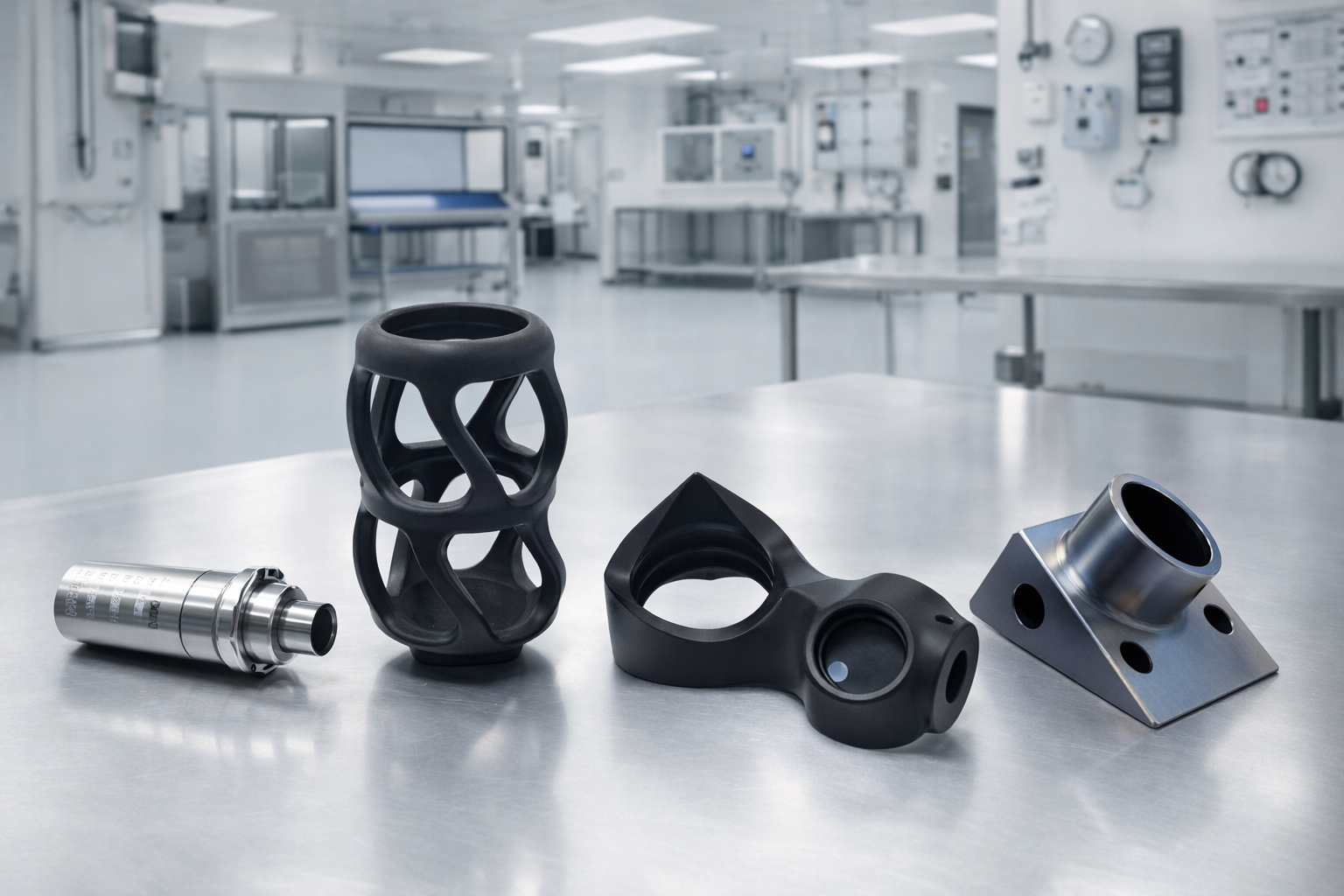
At Boraco, our core business revolves around the manufacturing and processing of plastic and metal parts. To provide our customers with a seamless experience, we offer comprehensive surface treatment services, ensuring your products enjoy a one-stop solution from manufacturing and surface treatment to assembly.
Whether it’s basic finishing, high-end finishing, or functional enhancement, we offer comprehensive surface treatment solutions to meet the needs of various industries and applications. For other surface treatment technologies, we also have long-term partners renowned for their excellent craftsmanship and reasonable prices.
Choose Boraco, and you can rest assured that your products will receive high-quality, efficient, and cost-effective surface treatment services.
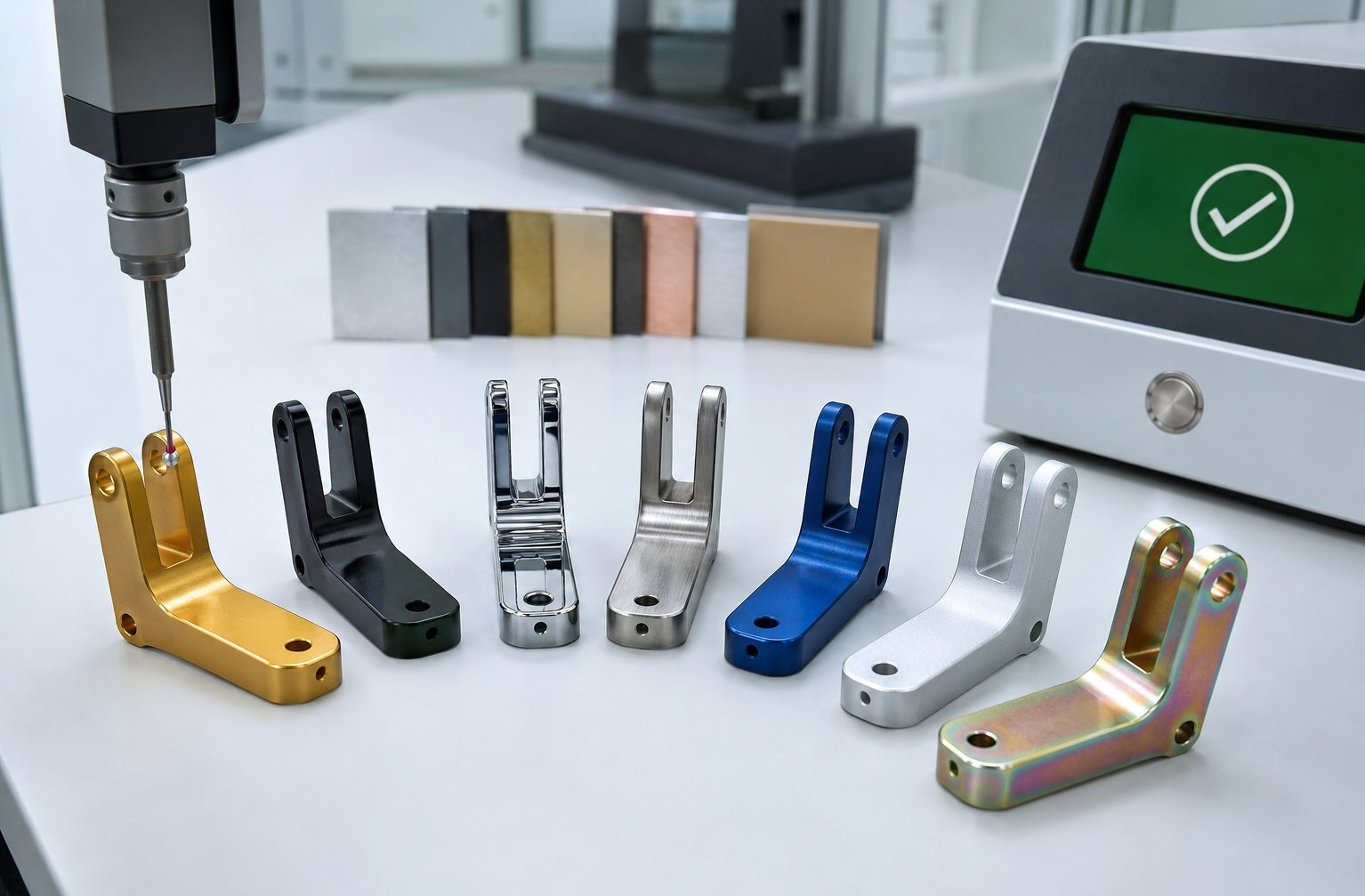
Surface Finishing Options
Whether it’s basic treatment, high-end decoration, or functional enhancement, we provide comprehensive surface treatment solutions to meet the needs of various industries and applications.
Anodizing
Sand Blasting
Polishing
Brushing
Electrophoresis
Heat treatment
plating
Spraying
Laser engraving
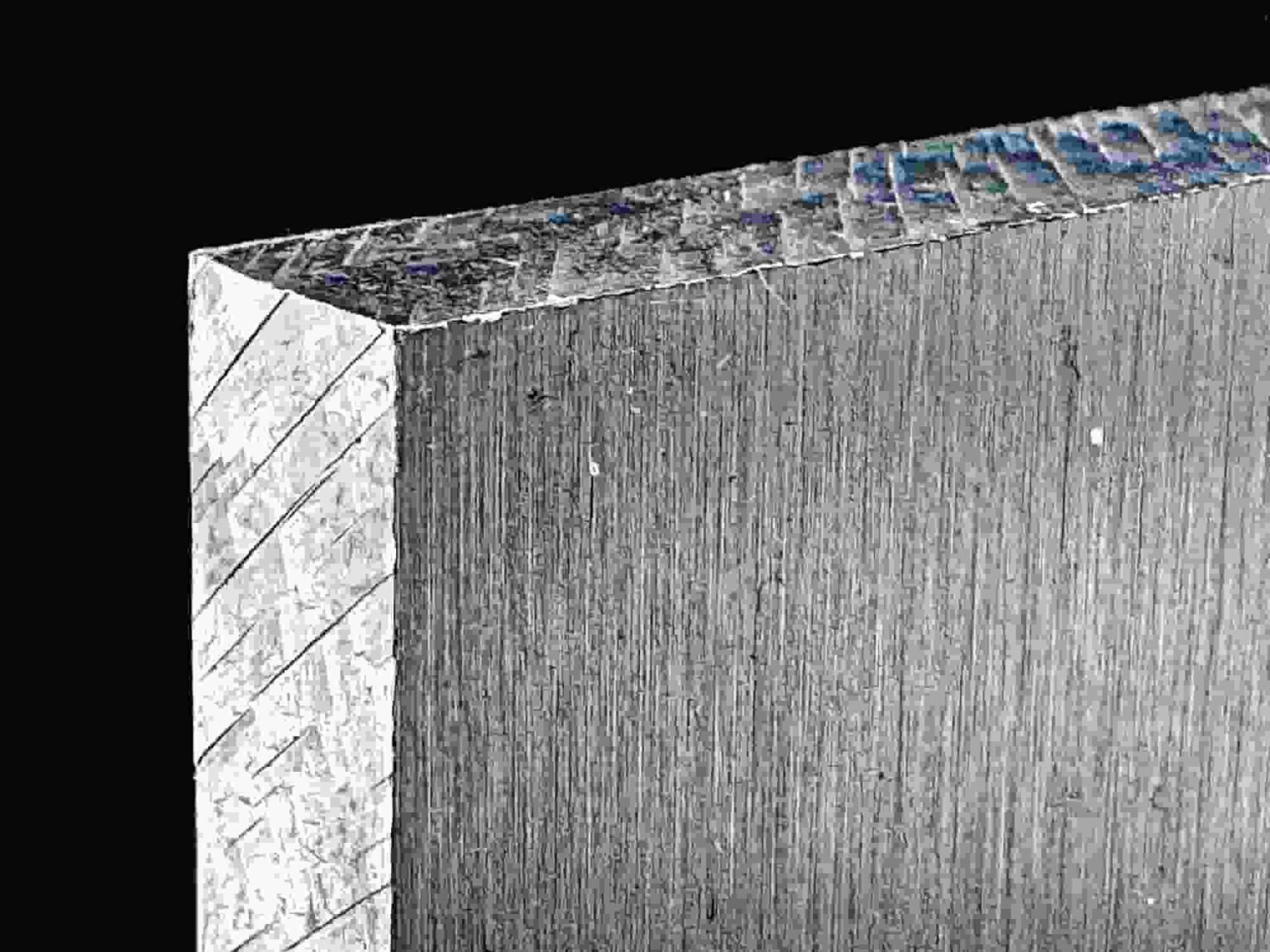
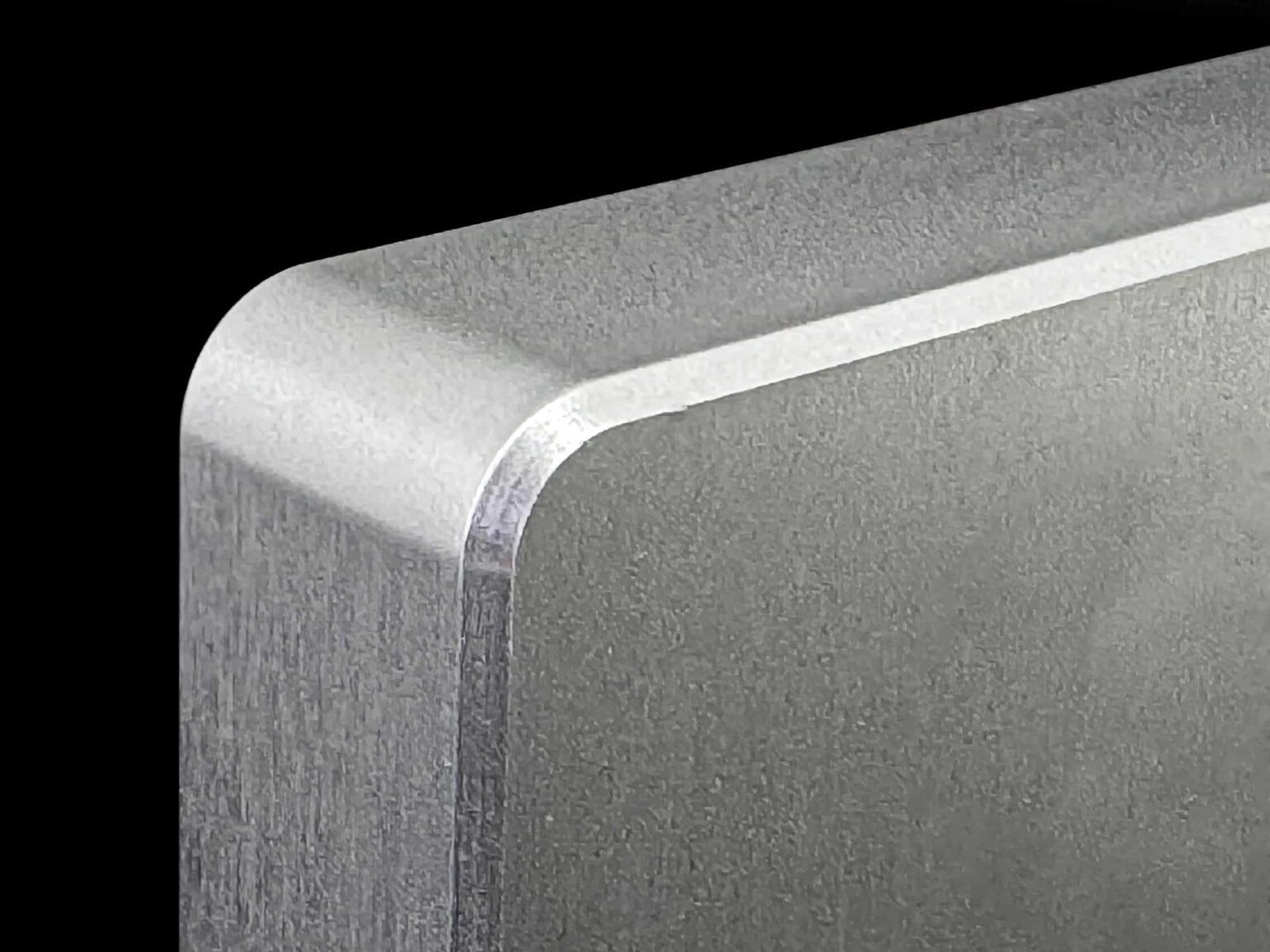
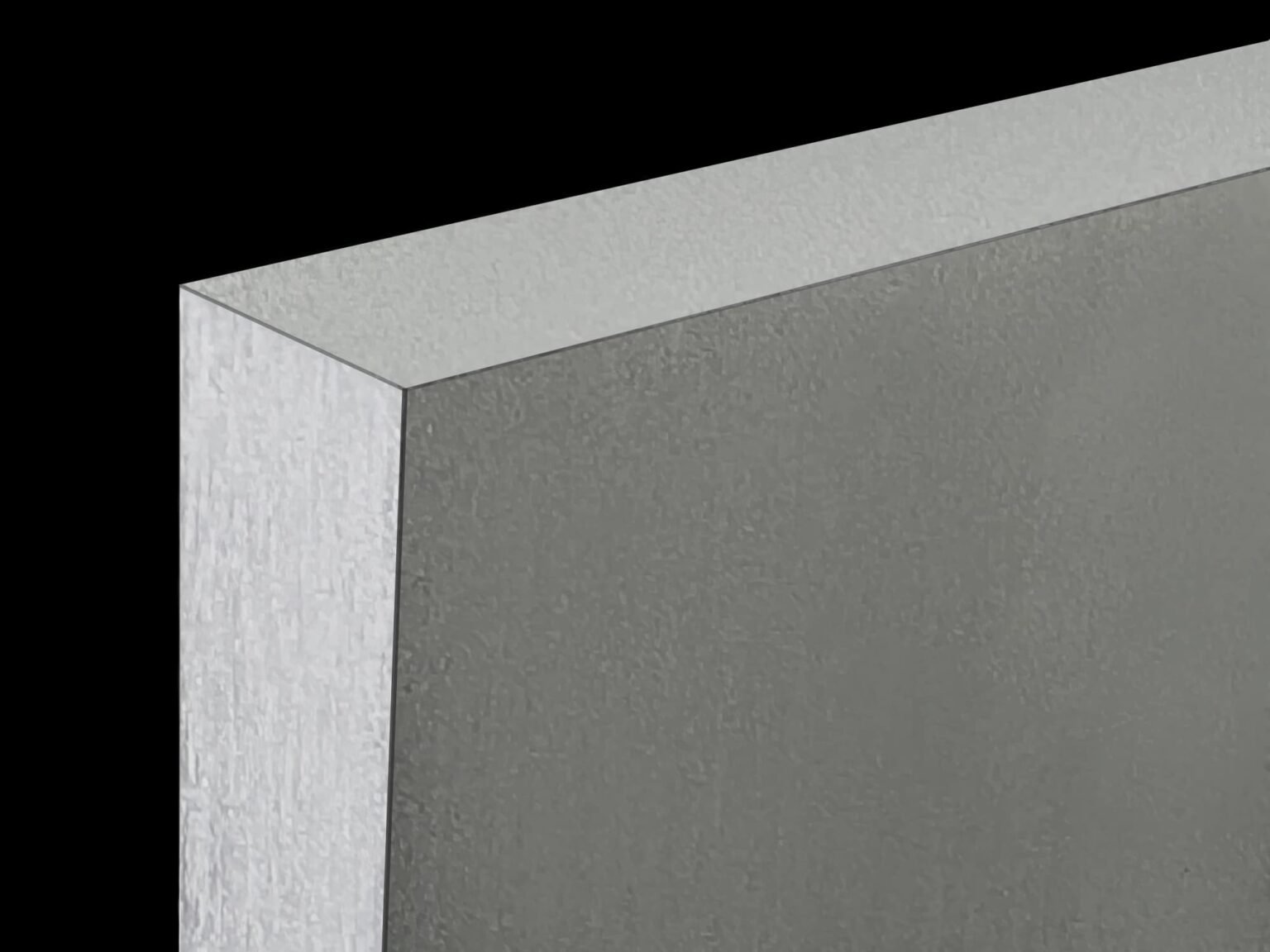
CNC Machined Parts Edge Options
1
Original Machined Edge
Purpose: Retain original burrs and edges. Shape: Rough, irregular with burrs and sharp angles. Application: For parts requiring extra machining or testing.
2
Deburred Edge
Purpose: Remove burrs to ensure smooth and safe edges. Shape: No fixed shape, eliminates sharp protrusions. Application: For all parts to ensure safety and functionality.
3
Chamfered Edge
Purpose: Chamfer for precision and edge removal. Shape: Straight chamfer, typically at a 45-degree angle. Application: For parts requiring precise angles.
Comparison For Different Surface Treatments
Whether it’s basic treatment, high-end decoration, or functional enhancement, we provide comprehensive surface treatment solutions to meet the needs of various industries and applications.
| Finishes Option | Finishes Description | Application Materials | Finishes Color | Finishes Purpose |
| Default Surface | This is the raw machined surface with tool marks, no post-processing, and a rough finish. | Metals, Plastic | Various | Basic finish, cost-effective |
| (depends on material) | ||||
| As machined | Parts are machined, deburred, and chamfered, with visible marks and light scratches. | Metals, Plastic | Various | Machining Decorative Patterns |
| (depends on material) | ||||
| Tumbling | Parts are tumbled with abrasive media to deburr and polish. | Metals, Plastic | None (smooth surface) | Remove burrs, improve smoothness |
| Polishing | A process that reduces surface roughness to achieve a shiny, smooth finish. | Metals, Plastic | Various | Improve the smoothness of the workpiece surface |
| (depends on material) | ||||
| Mirror Polishing | A finishing process that uses finer abrasives to create a reflective, mirror-like surface. | Metals, Plastic | Various | Improve material aesthetics, ease of cleaning, corrosion resistance, optical reflectivity |
| (depends on material) | ||||
| Bead Blasting | A cold working process that enhances fatigue life by blasting the surface with spherical media. | Metals | None (textured surface) | Improve fatigue life, enhance surface strength |
| Sand Blasting | A process that uses compressed air to blast abrasives for cleaning or roughening. | Metals | None (textured surface) | Clean surface, increase roughness |
| Brushing | A machining process where abrasive brushes create fine parallel lines on the surface. | Metals | Silver, Matte finish | Create decorative effect, enhance appearance |
| Anodizing | An electrolytic process that thickens the natural oxide layer on metal parts. | Metals | Various | Improve corrosion resistance, provide decorative effect |
| (including clear, black, blue, red, green) | ||||
| Hardcoat anodizing | An electrochemical process that forms a hard oxide layer on aluminum to improve durability. | Metals | Black, Gray | Improve wear resistance and corrosion resistance |
| Black Oxide | A conversion coating process to blacken ferrous metals and provide corrosion resistance. | Metals | Black | Provide decorative effect, enhance corrosion resistance |
| Passivation | A chemical process that removes iron from metal surfaces to enhance corrosion resistance. | Metals | None (smooth surface) | Improve corrosion resistance, increase smoothness |
| Phosphating | A chemical process that enhances corrosion resistance and paint adhesion on steel. | Metals | Gray | Provide protection, promote paint adhesion |
| Electrophoretic | A process that applies an organic or inorganic coating to metal using electrochemistry. | Metals | Various | Provide decorative effect, improve corrosion resistance |
| (including black white, red, green, champagne, blue) | ||||
| Electroplating | Electrochemical deposition of a metal coating to enhance appearance and corrosion resistance. | Metals | Various | Improve appearance, increase corrosion resistance |
| (depends on plating material) | ||||
| Electropolishing | Electrochemical polishing to smooth the surface, improving brightness and reducing roughness. | Metals | Mirror finish | Improve smoothness, enhance brightness |
| Chrome Plating | Applying a layer of chromium to a metal part to increase wear and corrosion resistance. | Metals | Silver | Improve wear and corrosion resistance |
| Nickel Plating | Applying a layer of nickel to a metal part to improve corrosion resistance and appearance. | Metals | Silver | Improve corrosion resistance, enhance appearance |
| Copper Plating | Applying a copper layer to a metal part, often as a base for plating or as a conductive layer. | Metals | Copper Color | Provide base layer for additional plating, improve conductivity |
| Gold Plating | Applying a gold layer to improve conductivity, corrosion resistance, and decoration. | Metals | Gold | Improve conductivity, enhance corrosion resistance, provide decorative effect |
| Silver Plating | Applying a layer of silver to a metal part to improve conductivity and corrosion resistance. | Metals | Silver | Improve conductivity, enhance corrosion resistance |
| Tin Plating | Applying a tin layer to a metal part to prevent oxidation and improve solderability. | Metals | Silver | Prevent oxidation, improve solderability |
| Zinc Plating | Applying a layer of zinc to a metal part to improve corrosion resistance. | Metals | Silver | Improve corrosion resistance |
| PVD | A PVD process that creates a thin film on metal to improve wear and corrosion resistance. | Metals, Plastic | Various colors | Improve wear and corrosion resistance |
| DLC Coating | Diamond-like carbon (DLC) coating that improves hardness and wear resistance of metal. | Metals | Black | Improve hardness and wear resistance |
| Titanium Nitride Coating(PVD) | Applying a titanium nitride coating through PVD to improve wear and corrosion resistance. | Metals, Plastic | Gold, Black | Improve wear and corrosion resistance |
| Chrome Nitride Coating(PVD) | Applying a chrome nitride coating through PVD to improve wear and corrosion resistance. | Metals, Plastic | Silver | Improve wear and corrosion resistance |
| Powder Coating | Applying a powder coating with electrostatic spray and curing it to form a protective layer. | Metals, Plastic | Various | Provide protective coating, improve appearance |
| (depends on powder color) | ||||
| Painting | Applying paint in layers to the metal surface for protection and decoration. | Metals, Plastic | Various | Provide protective and decorative coating |
| (depends on paint color) | ||||
| Heat Treatment | Using heat to alter the physical and mechanical properties of the metal. | Metals | None | Improve hardness, strength, and durability |
| (depends on material) | ||||
| Laser Marking | Using a laser to mark the metal surface, providing permanent identification. | Metals, Plastic | Various | Provide permanent identification |
| (depends on material) | ||||
| Cleaning | Using various methods to clean the metal surface, removing contaminants and impurities. | Metals, Plastic | None | Remove contaminants, improve surface quality |
| (depends on material) |
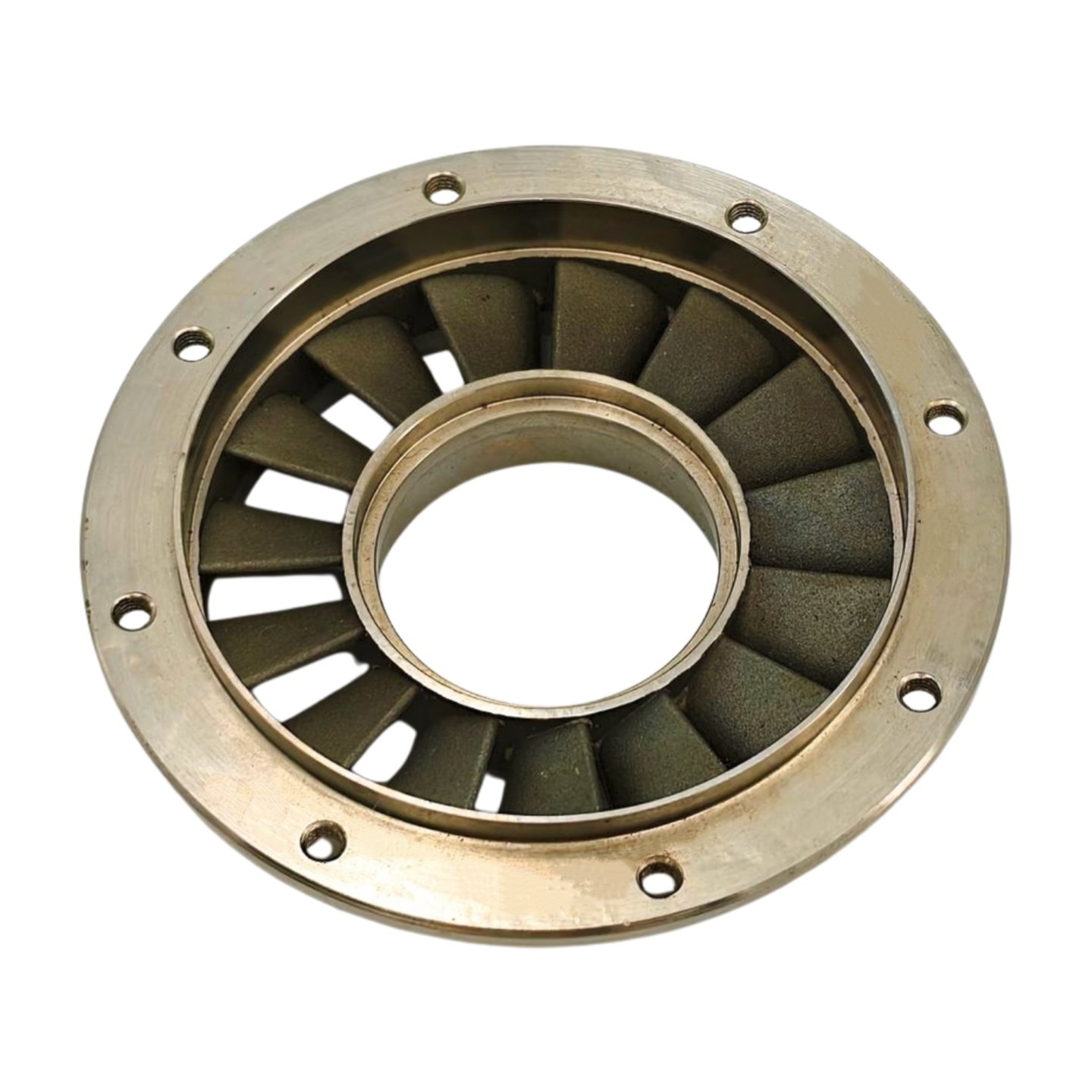
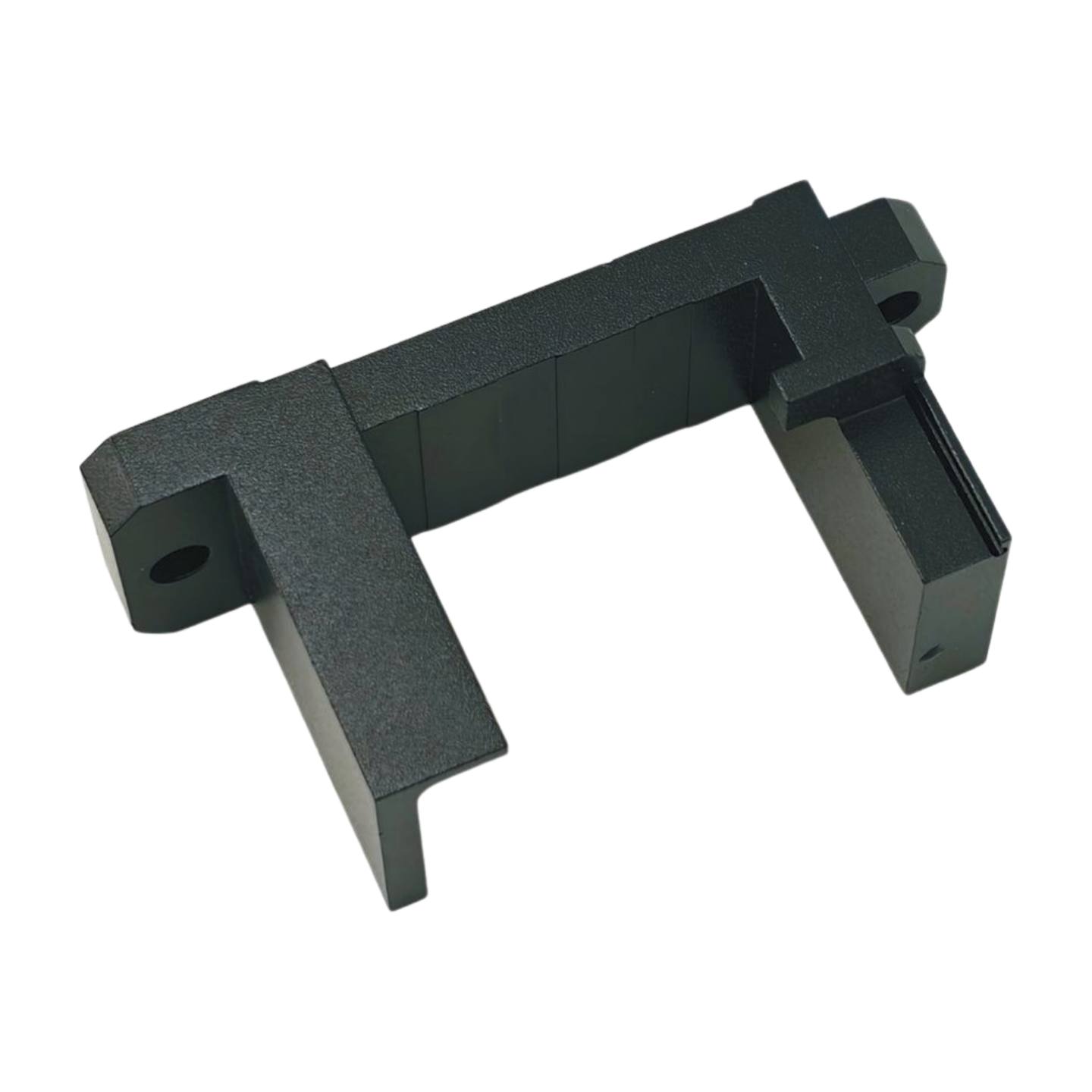
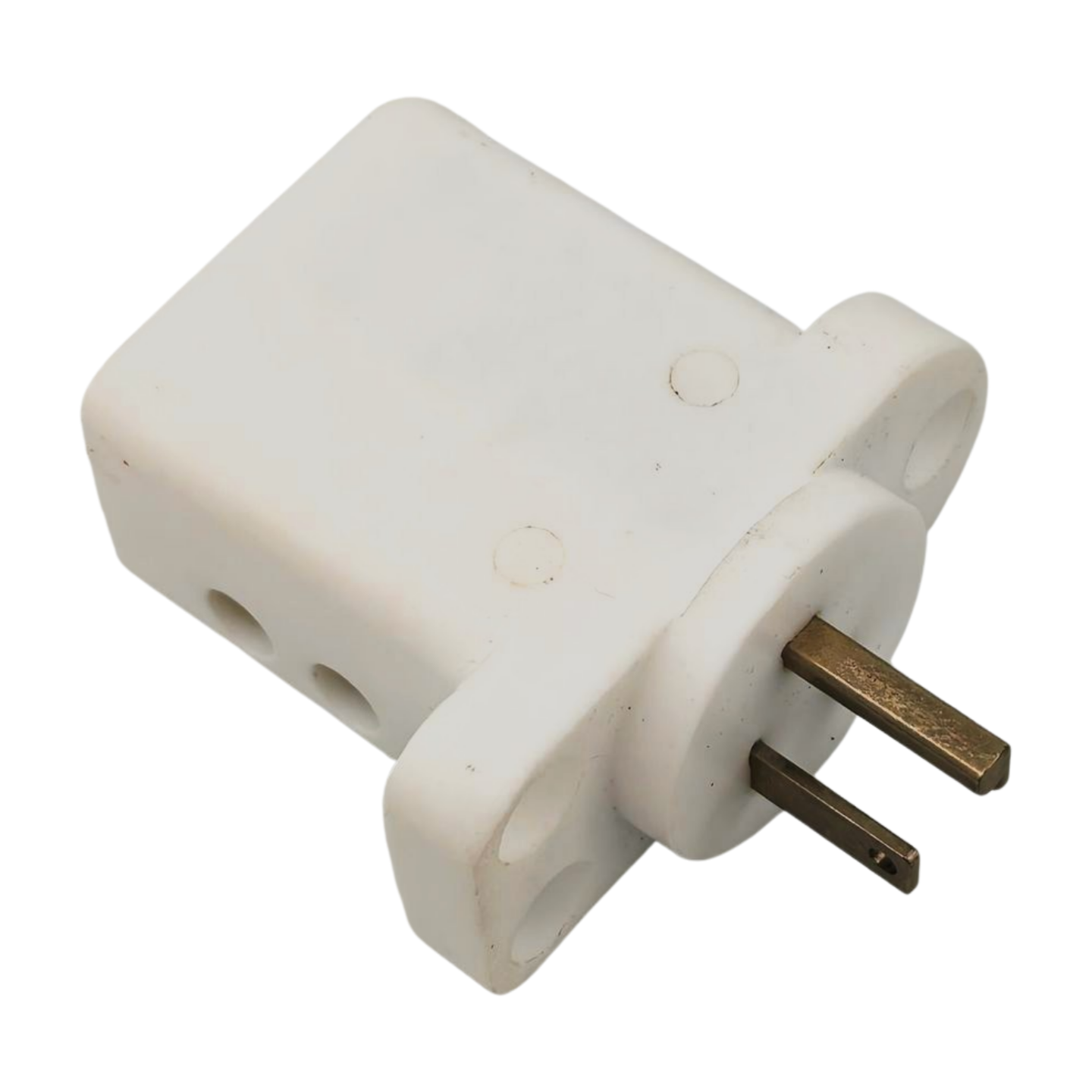
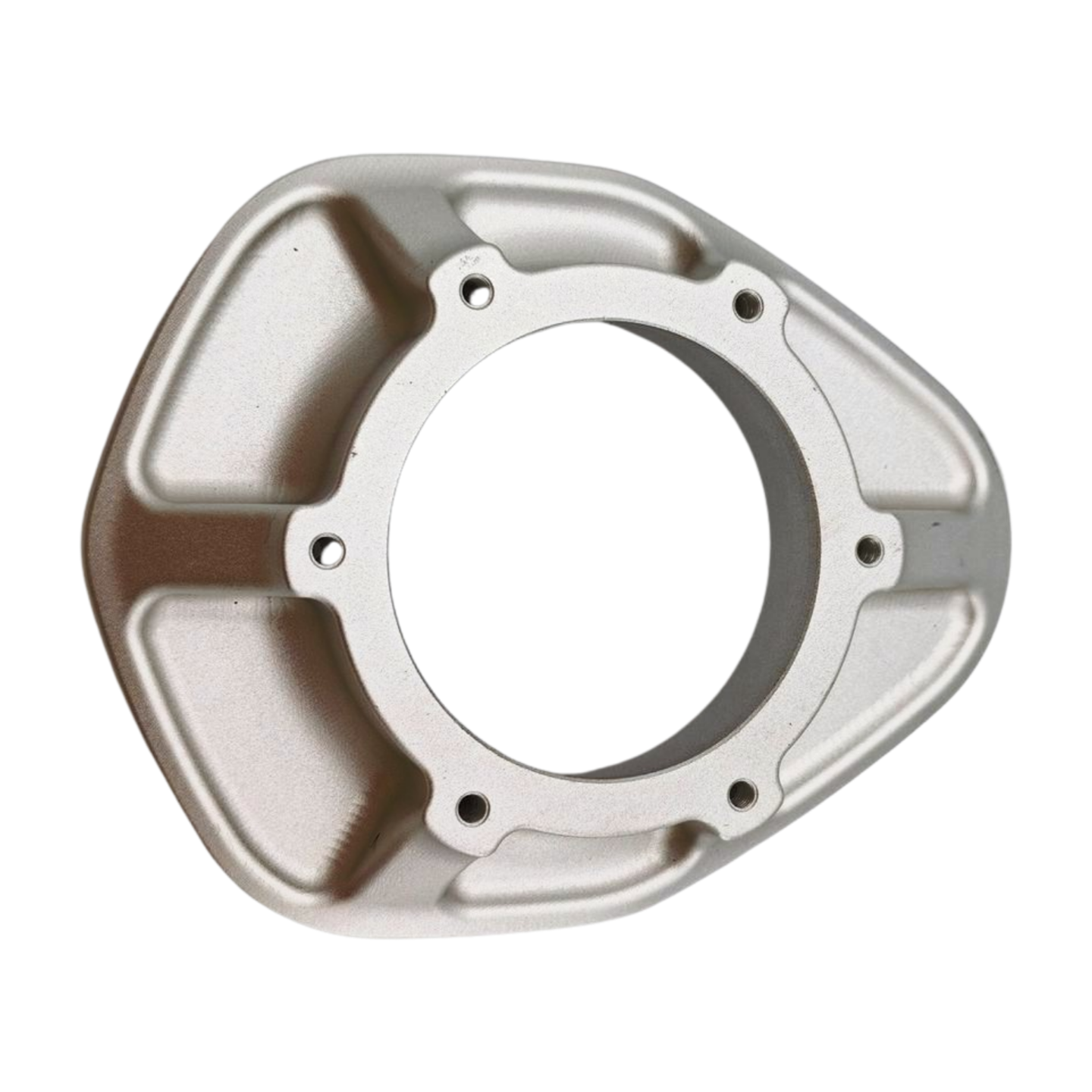
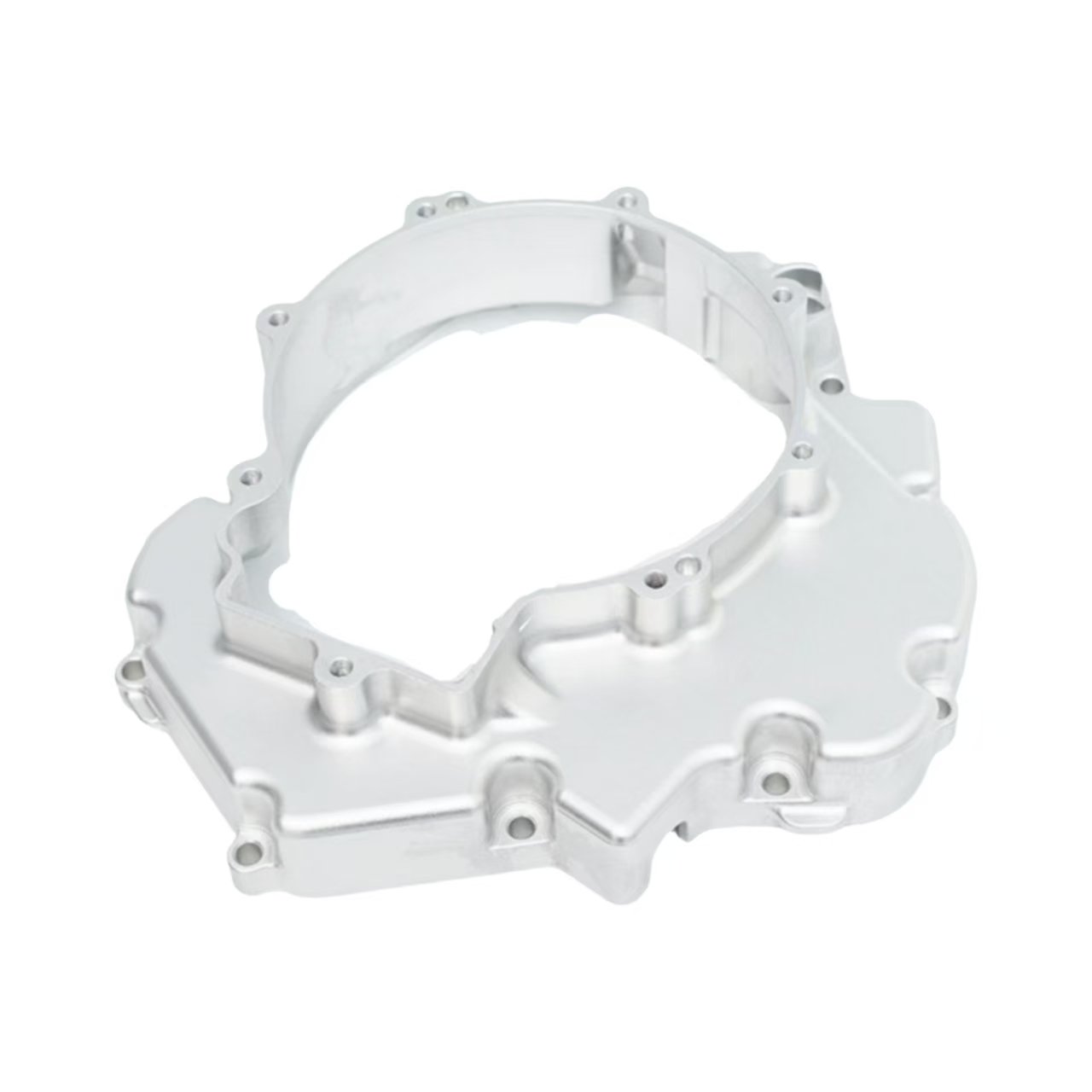
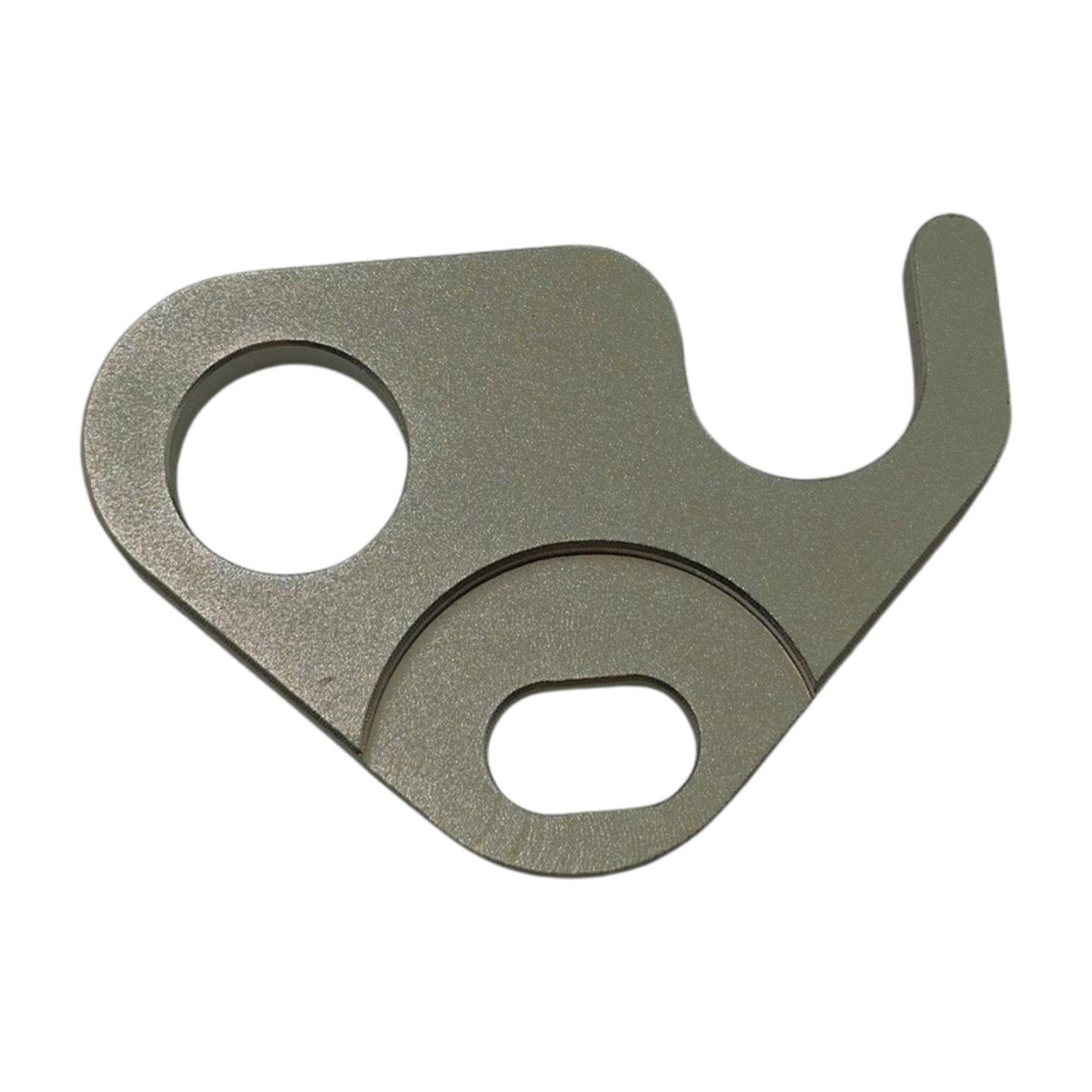
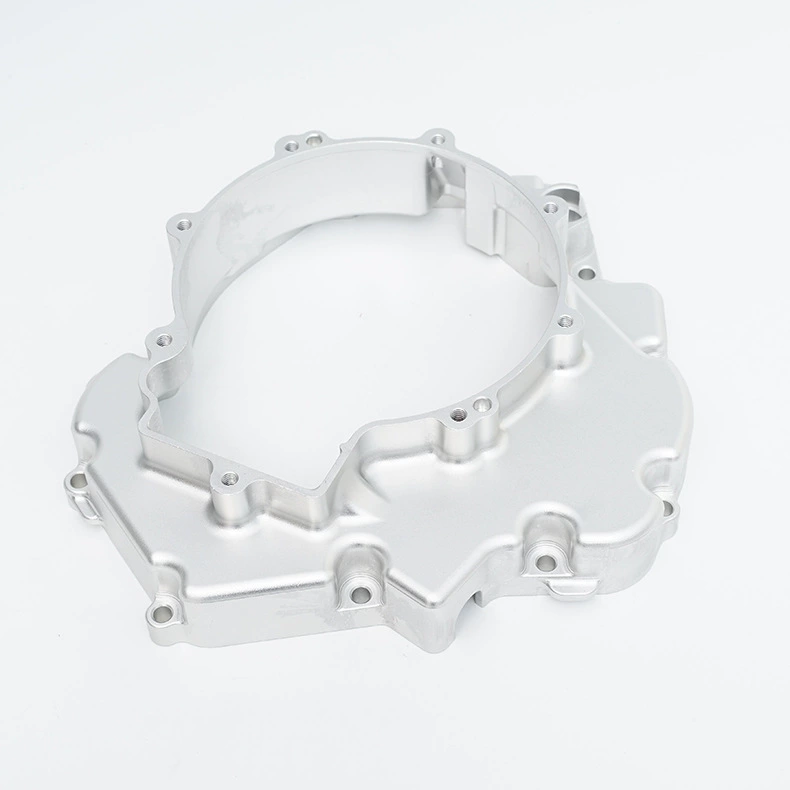
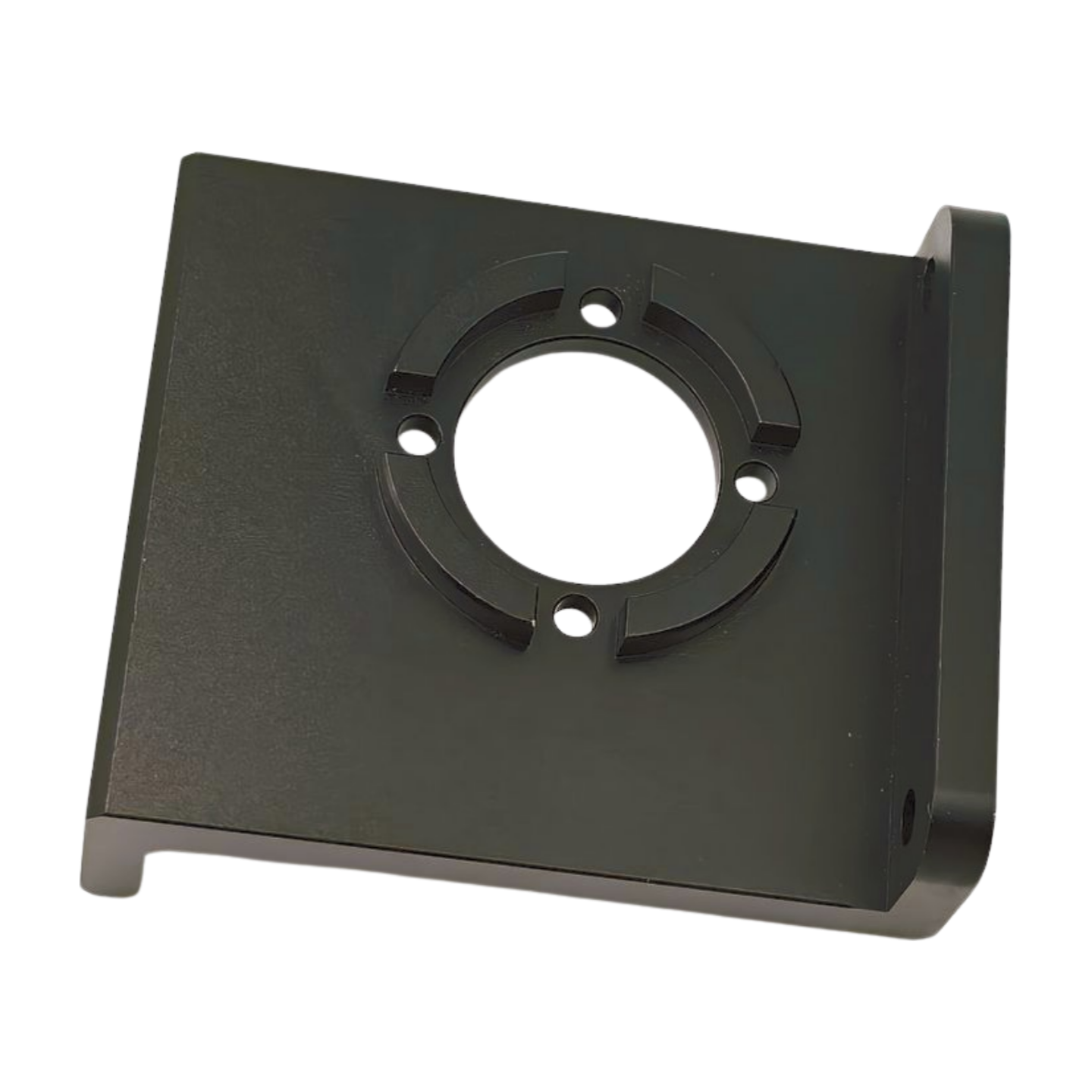
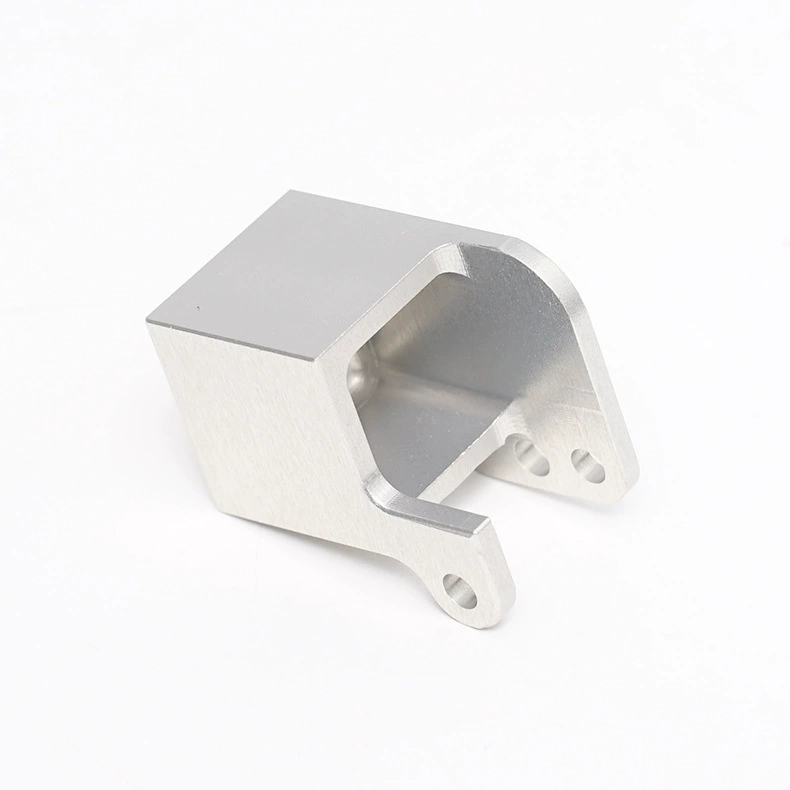
Boraco CNC Machining Parts Case Study
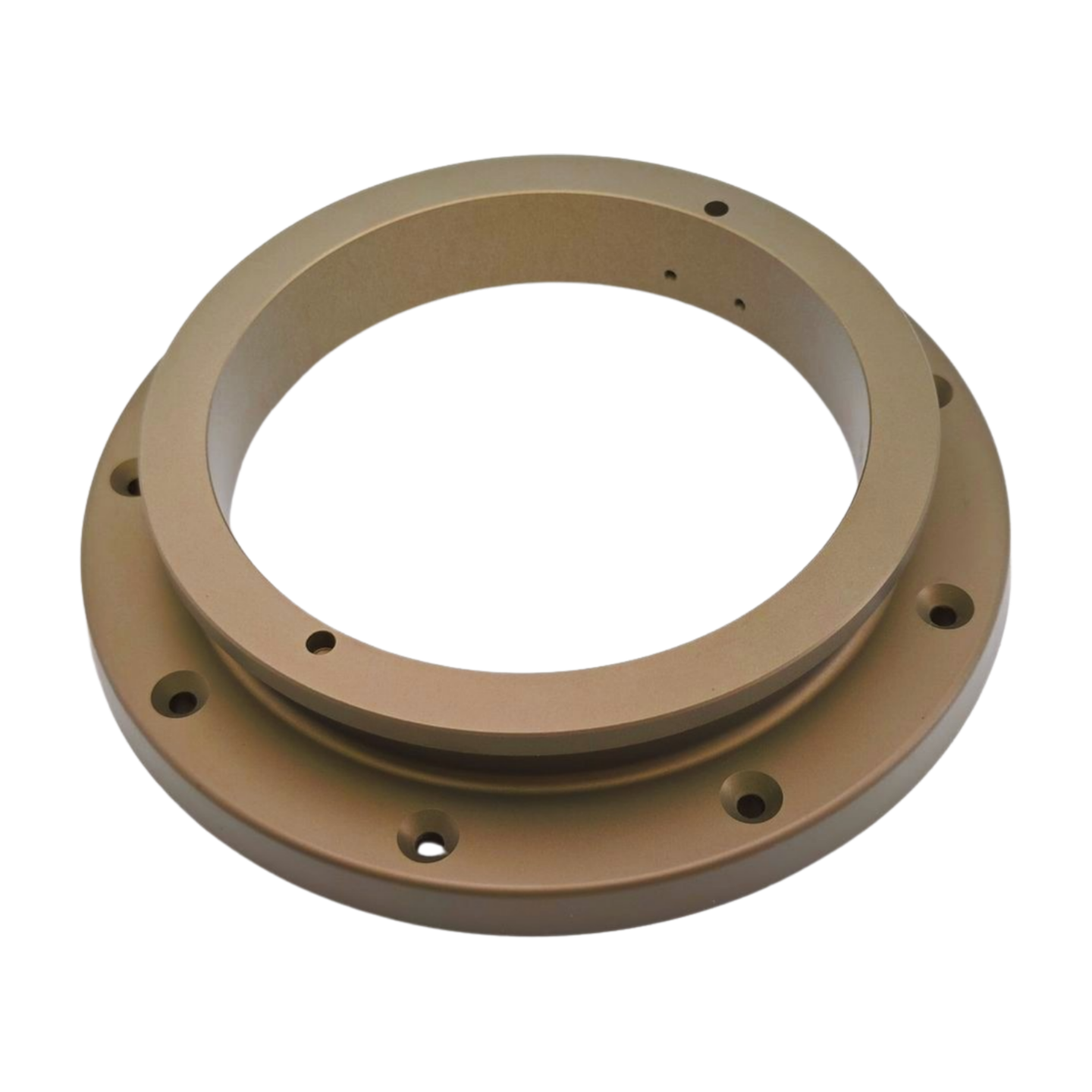
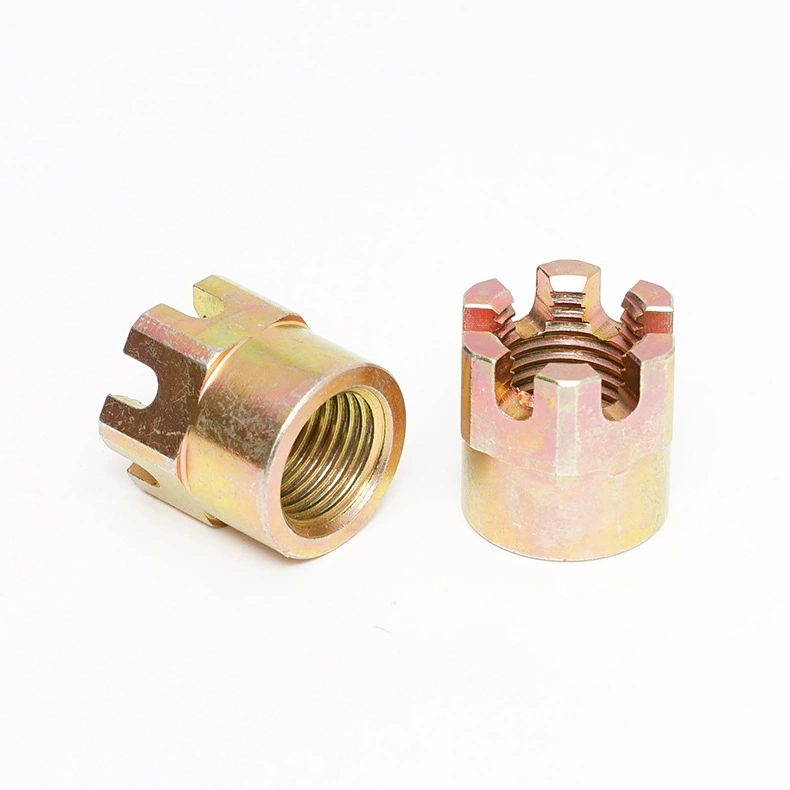
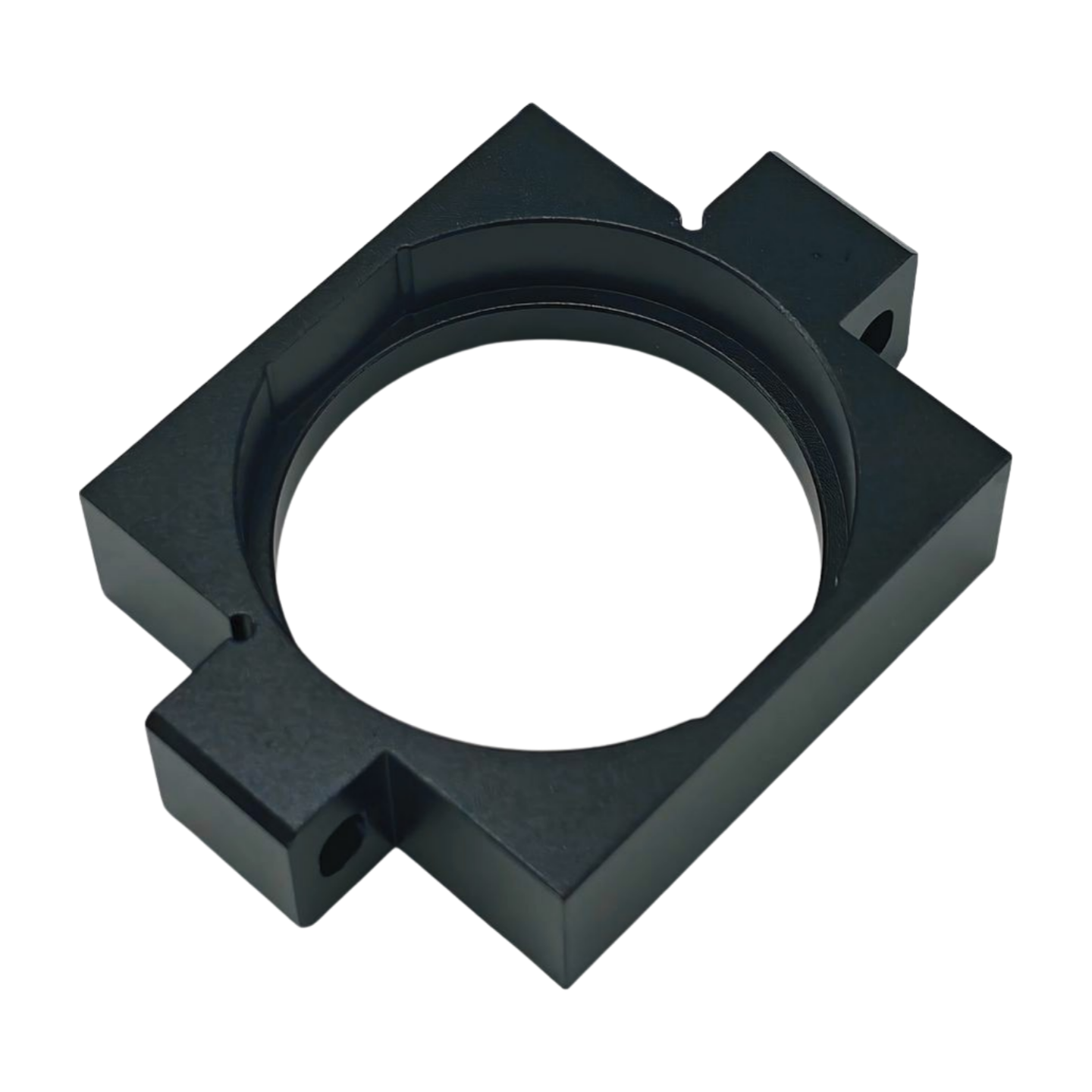
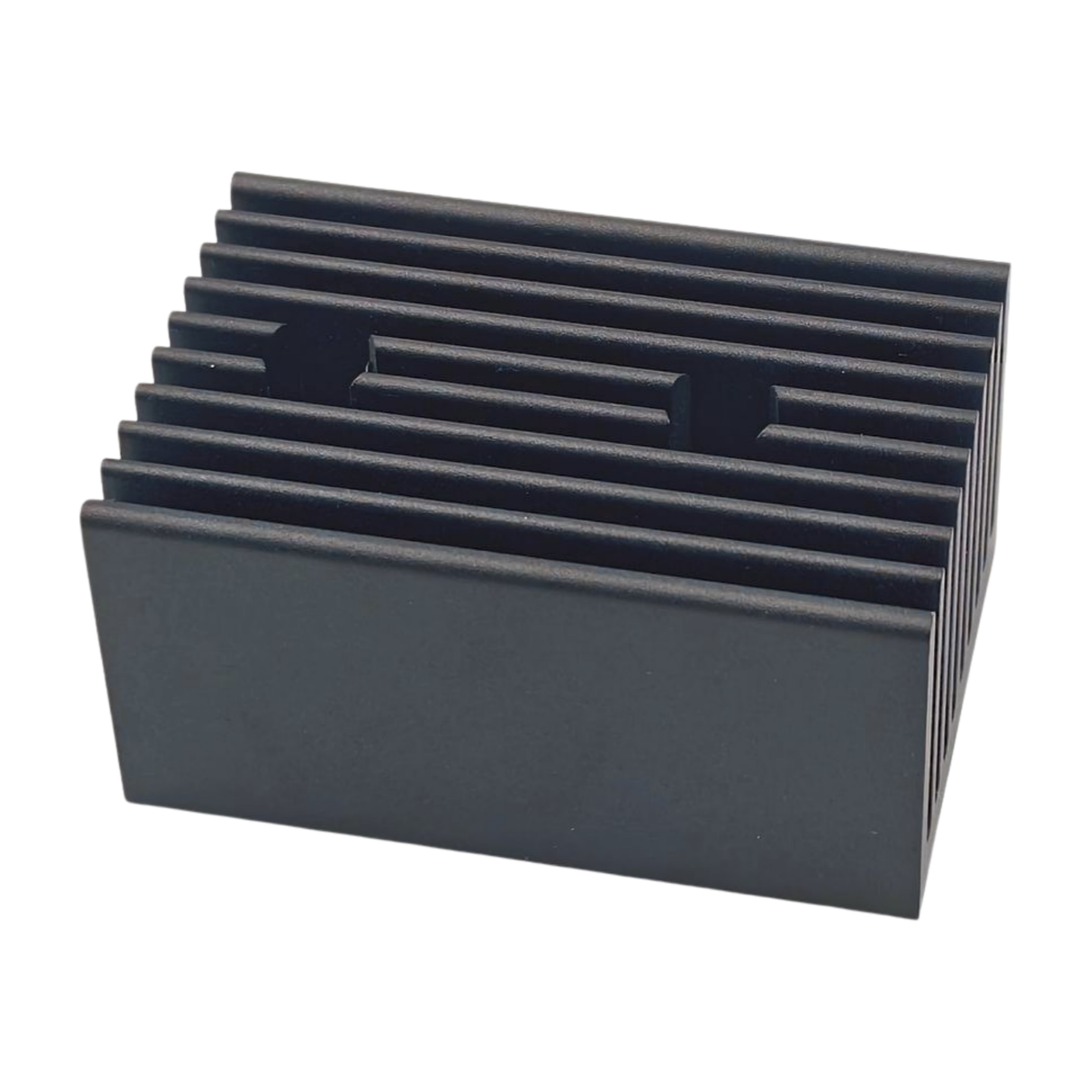
![{"data":{"pictureId":"40656003201749a9abfd09b2089cccba","appversion":"12.1.1","stickerId":"","filterId":"","infoStickerId":"","imageEffectId":"","playId":"","activityName":"","os":"android","product":"retouch","originAppId":"2515","exportType":"","editType":"","alias":"","enterFrom":"enter_launch","capability_key":[],"effect_type":"tool","effect_id":"tool"},"source_type":"douyin_beauty_me"}](https://boracomachining.com/wp-content/uploads/2026/04/3-2-scaled.jpg)
![{"data":{"pictureId":"ae00e65e5a824727ab035c9e6a6b8ea3","appversion":"12.1.1","stickerId":"","filterId":"","infoStickerId":"","imageEffectId":"","playId":"","activityName":"","os":"android","product":"retouch","originAppId":"2515","exportType":"","editType":"","alias":"","enterFrom":"enter_launch","capability_key":[],"effect_type":"tool","effect_id":"tool"},"source_type":"douyin_beauty_me"}](https://boracomachining.com/wp-content/uploads/2026/04/2-1-scaled.jpg)
![{"data":{"pictureId":"6d05f6cf3e834696a9fb5c5657111b9a","appversion":"12.1.1","stickerId":"","filterId":"","infoStickerId":"","imageEffectId":"","playId":"","activityName":"","os":"android","product":"retouch","originAppId":"2515","exportType":"","editType":"","alias":"","enterFrom":"enter_launch","capability_key":[],"effect_type":"tool","effect_id":"tool"},"source_type":"douyin_beauty_me"}](https://boracomachining.com/wp-content/uploads/2026/04/汽车1.jpg)
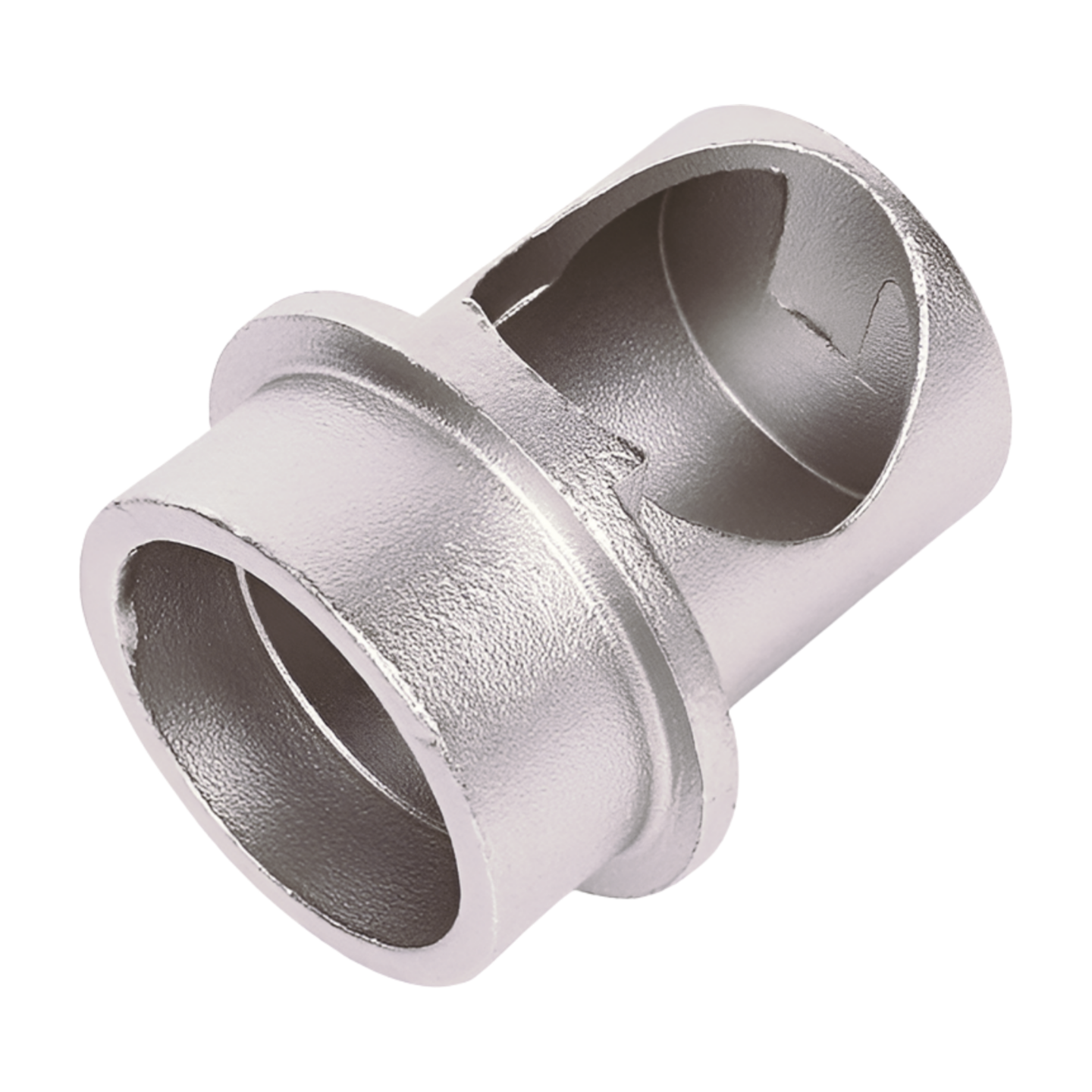
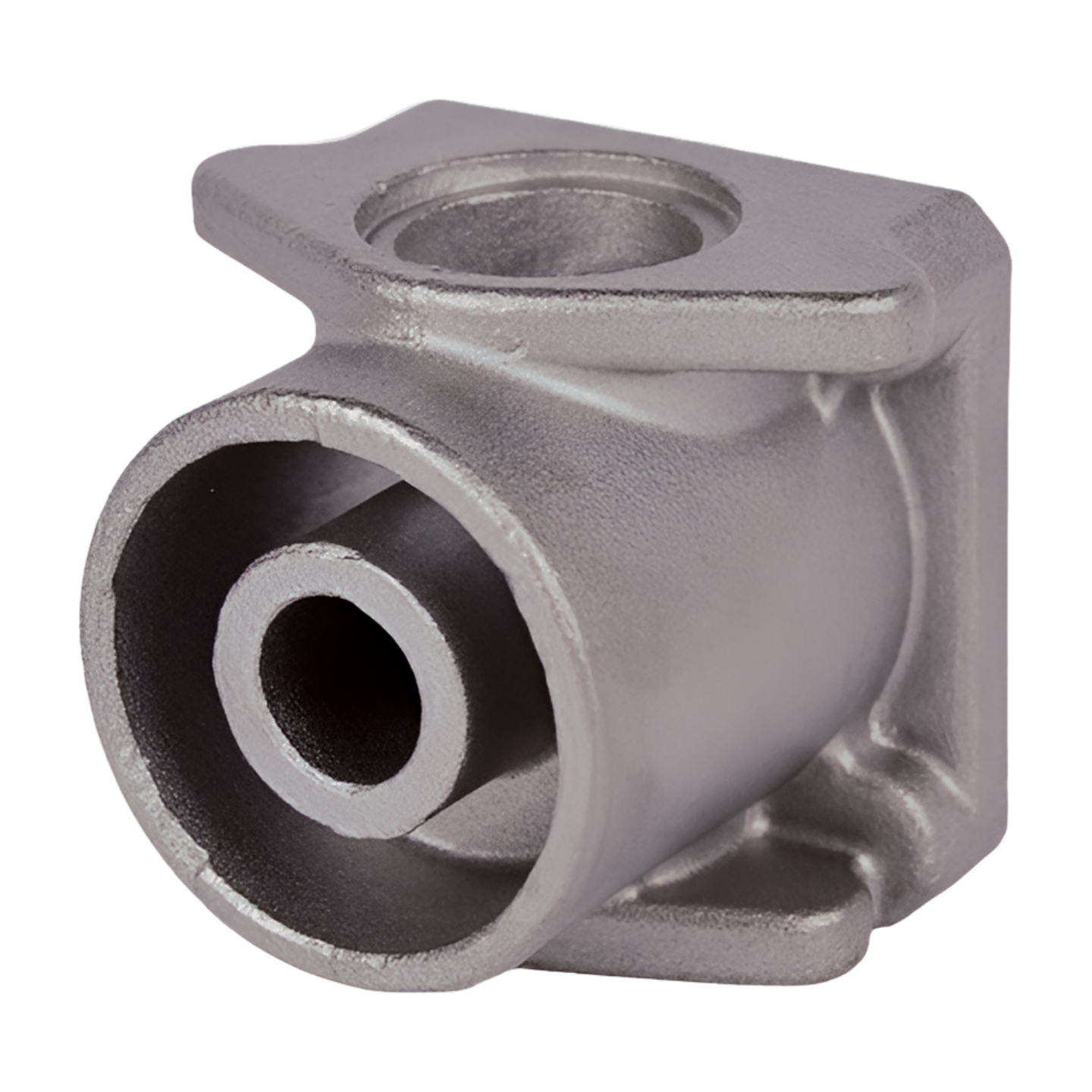
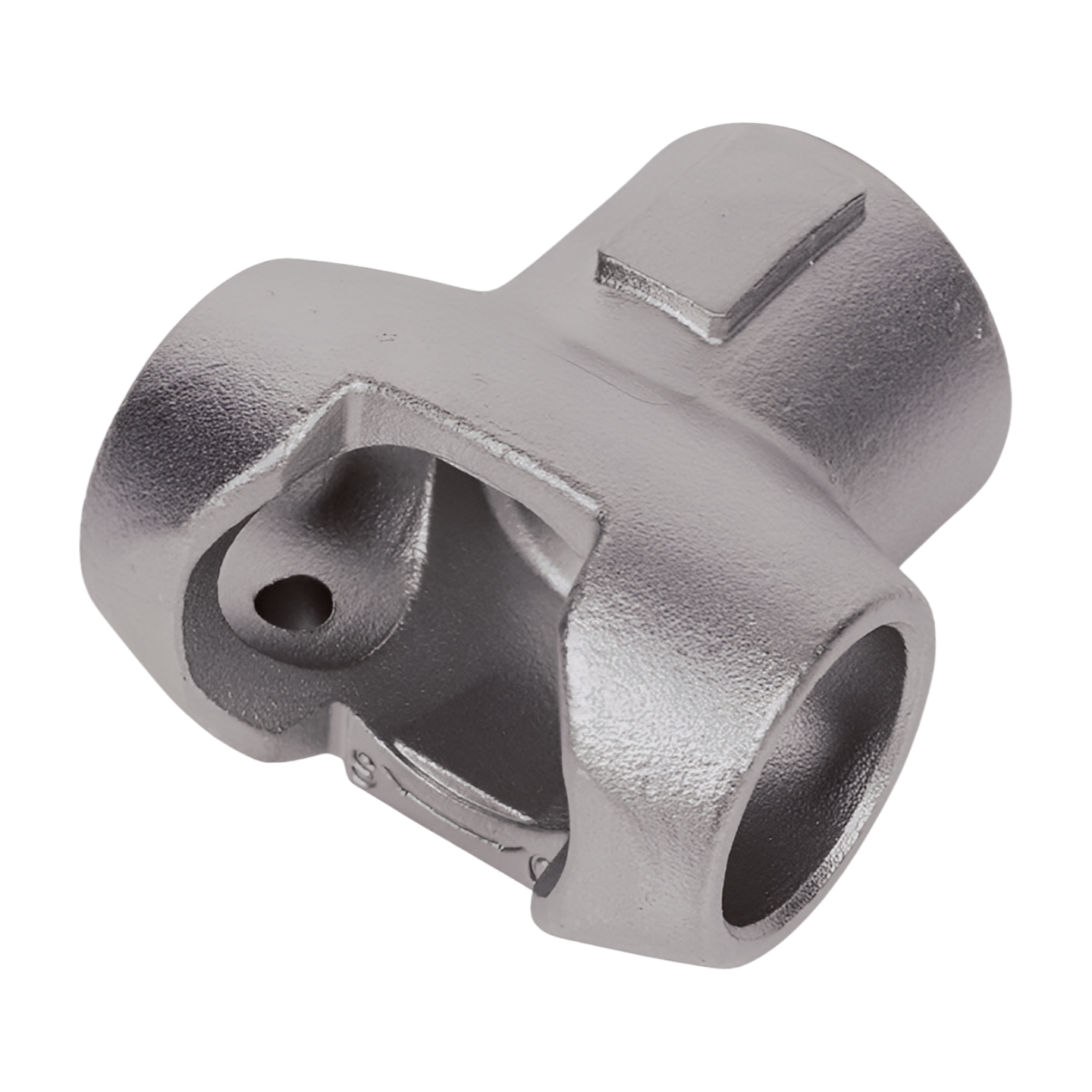
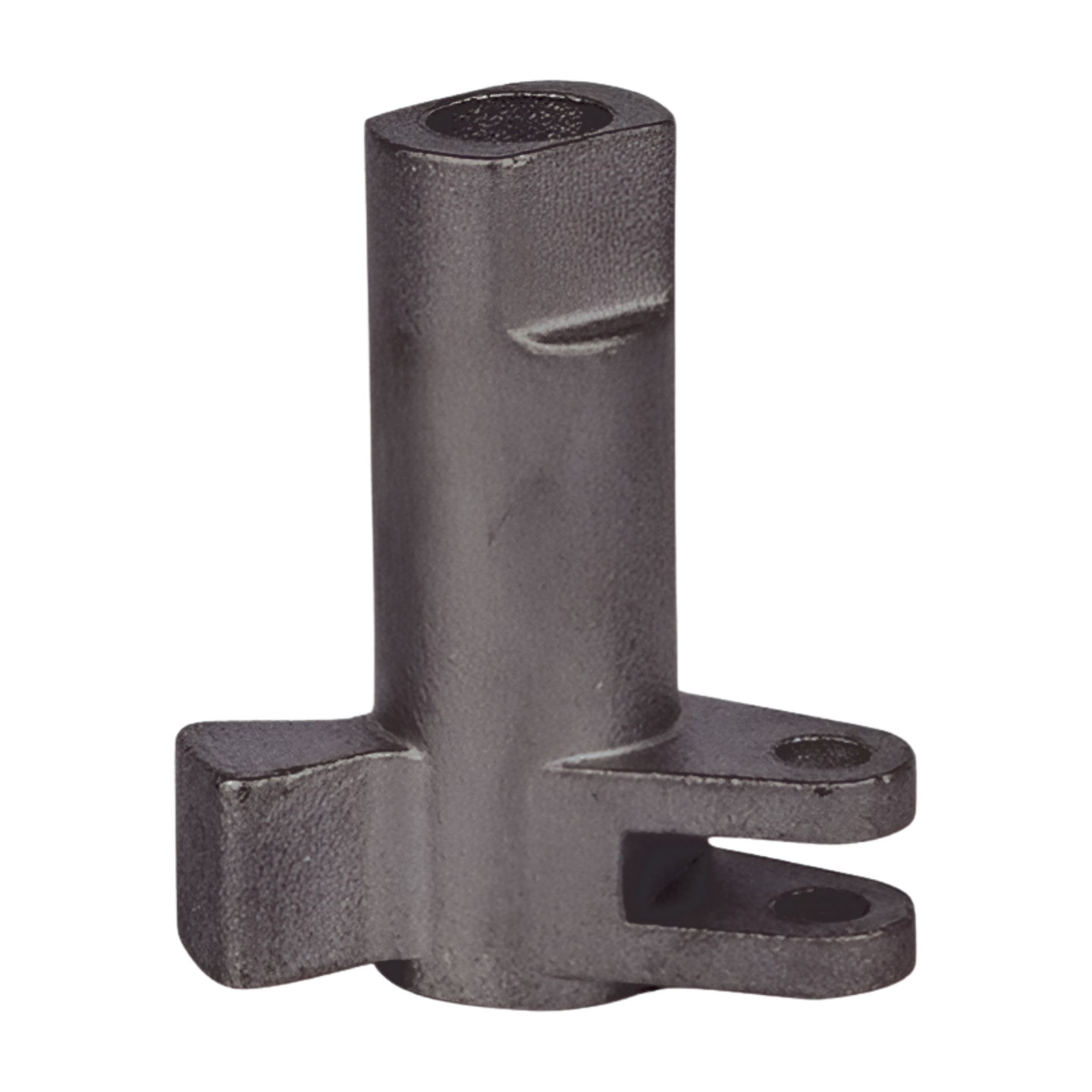
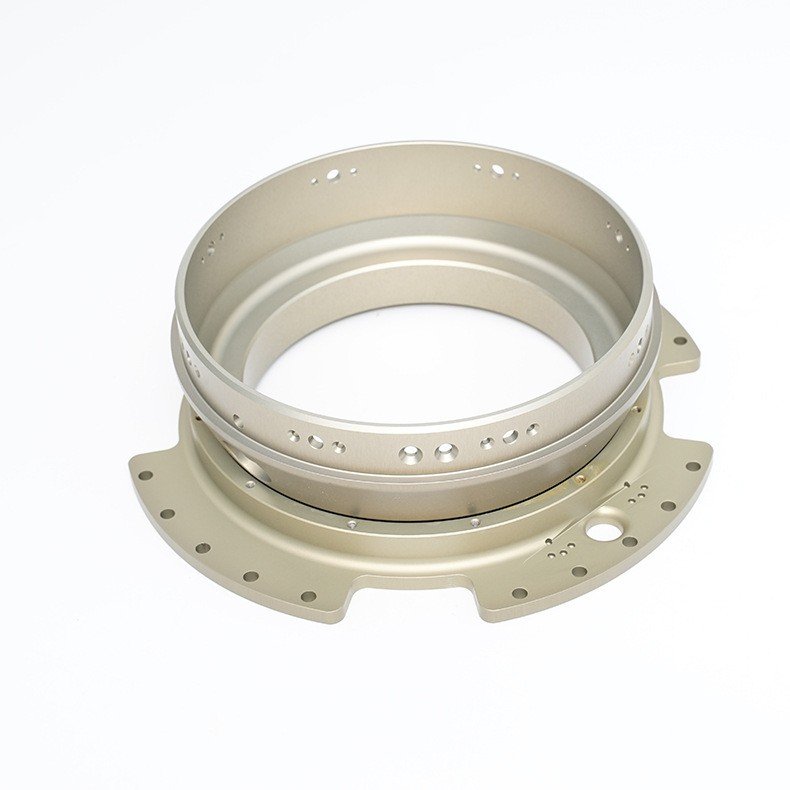


Unlocking the Potential of CNC Metal Machining: Precision and Efficiency
Precision and Efficiency
With CNC machining, custom metal parts are made faster and more accurately, meeting a wide range of project demands.
How CNC Machines Work
Each machine follows CAD instructions that control every cut, so finished pieces look the same from the first item to the last.
The Machining Process
Digital plans guide durable cutting tools that shape raw stock into tight-tolerance components for nearly any application.
Precision CNC Auto Parts Manufacturing for the Automotive Industry
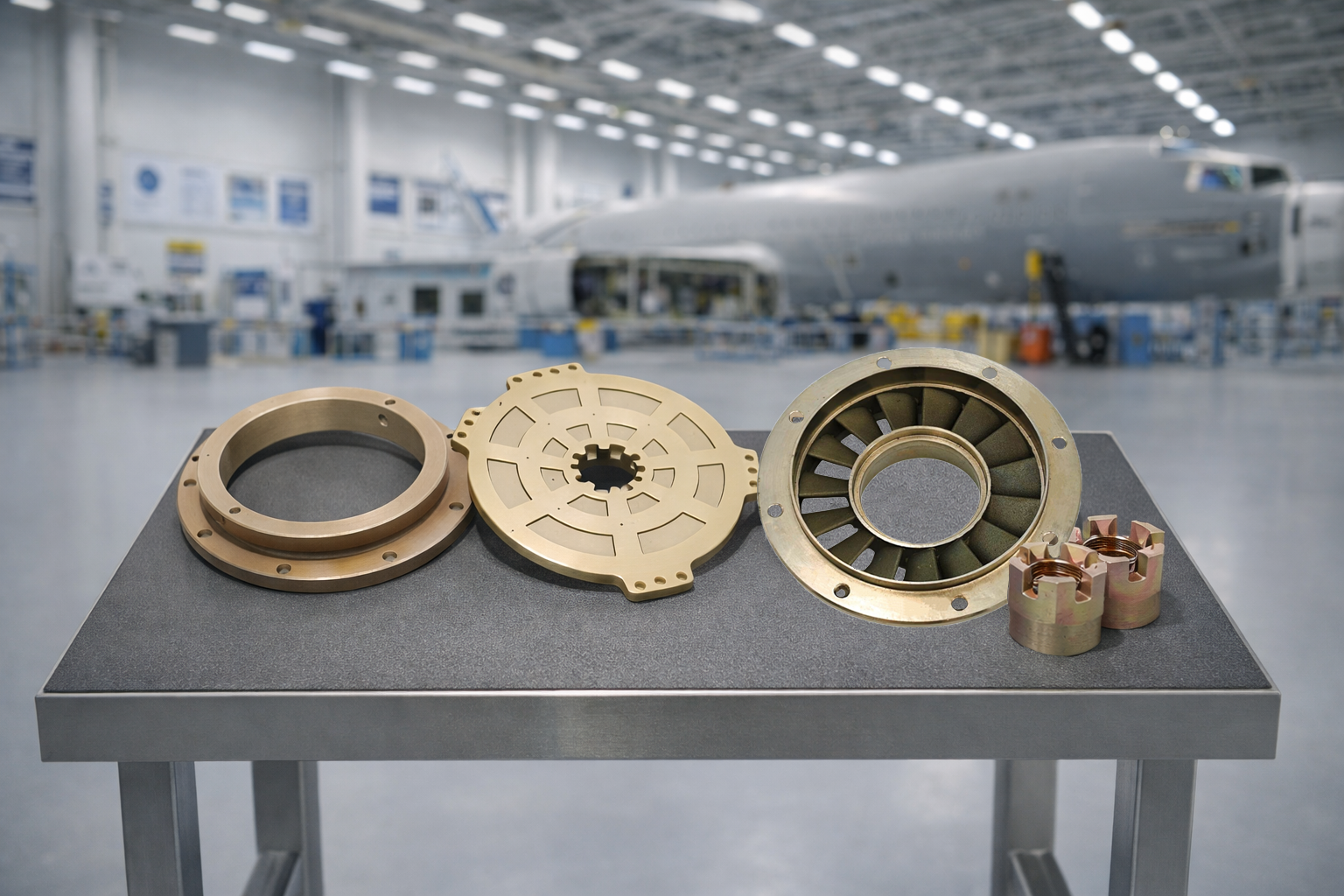
Aerospace
Cabin and exterior, lighting and vents components. jigsand fixtures in the aviation industry
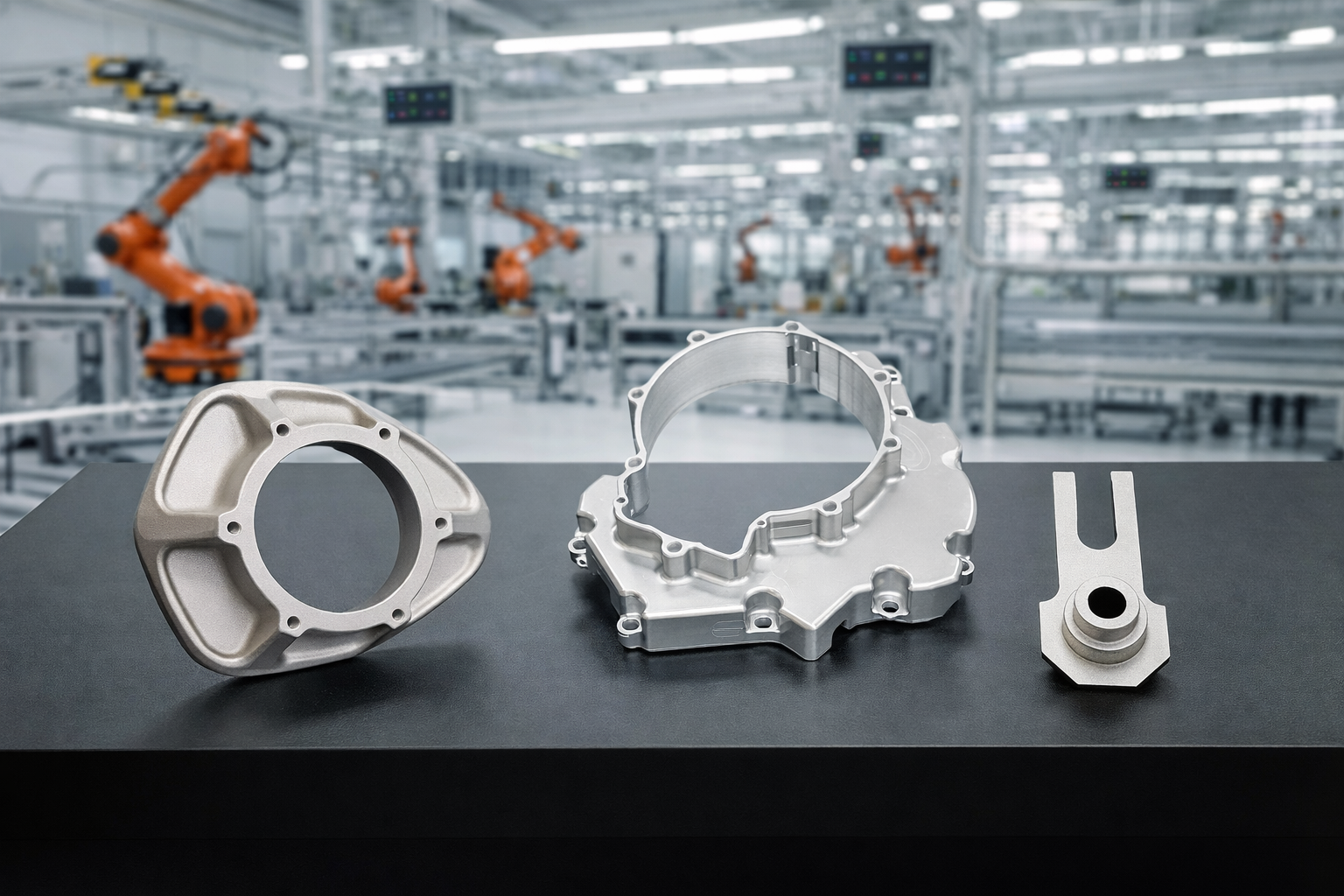
Automotive
Interior and exterior parts, under-the-hood componentsin the automotive and EV industry
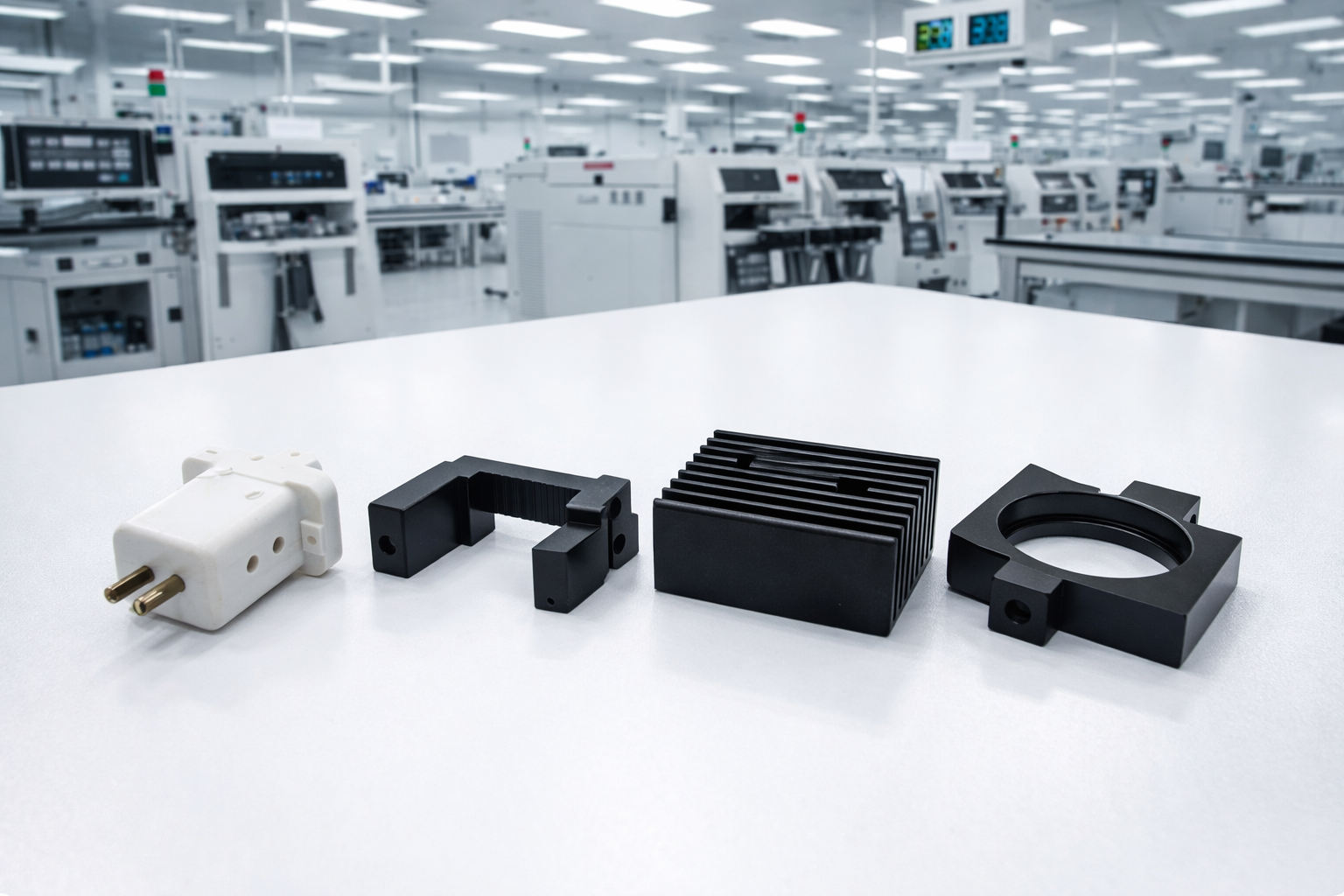
Electronic
Casing. housing and components of cellphones,headphones, game controllers, cameras in theconsumerarea
Medical
Medical items and healthcare devices, shells andsurgical instruments in the medical and healthcareindustry
our partners trust us







Michael Turner
Senior Mechanical Engineer
“Boraco delivered exceptional CNC machining quality with flawless anodizing and laser engraving. The surface finish exceeded our expectations, and the parts arrived production-ready with excellent consistency.”

David Reynolds
Procurement Manager
“We’ve worked with several machining suppliers before, but Boraco stands out for their fast turnaround, reliable plating quality, and professional engineering support. Their team handled our complex automotive components with impressive precision.”

Sophia Martinez
Product Development Director
“The brushed and sandblasted finishes on our aluminum enclosures looked outstanding. Boraco helped us optimize both appearance and durability while maintaining tight tolerances throughout production.”
ready to reach new heights? Let's get there, together.
Trust Boraco CNC Machining Service for exceeding accuracy and speed at cost-effective pricing. Reach out to us right now for your tailored quote and usher in a new episode of manufacturing greatness with Baetro.
Frequently Asked Questions
Most frequent questions and answers
What surface finishing services do you provide for CNC machined parts?
We offer a wide range of CNC surface finishing solutions, including:
- Anodizing
- Polishing
- Brushed finishing
- Sandblasting
- Electrophoresis
- Powder spraying
- Heat treatment
- Electroplating
- Laser engraving
These processes improve part appearance, corrosion resistance, wear resistance, durability, and product performance.
What is anodizing and why is it used for CNC parts?
Anodizing is an electrochemical process mainly used for aluminum parts. It creates a protective oxide layer that improves:
- Corrosion resistance
- Surface hardness
- Wear resistance
- Visual appearance
Anodized CNC parts are widely used in automotive, aerospace, electronics, and consumer products due to their durability and professional finish.
What is the difference between polishing and brushed finishing?
Polishing creates a smooth, reflective, mirror-like surface by reducing roughness and improving shine.
Brushed finishing produces a uniform textured pattern with fine directional lines, giving parts a modern industrial appearance while helping reduce visible scratches and fingerprints.
Both finishes are popular for decorative and high-end precision components.
Why is sandblasting used in CNC machining?
Sandblasting uses high-pressure abrasive media to clean and texture the surface of machined parts.
Benefits include:
- Removing machining marks
- Creating a uniform matte finish
- Improving coating adhesion
- Enhancing overall appearance
Sandblasting is often used before anodizing, painting, or powder coating processes.
What are the advantages of electrophoresis and spraying finishes?
Electrophoresis provides a thin, even protective coating with excellent corrosion resistance and strong adhesion, making it ideal for automotive and industrial components.
Spraying or powder coating adds a durable colored layer that improves:
- Surface protection
- Weather resistance
- Aesthetic appearance
- Chemical resistance
Both finishing methods help extend product lifespan in demanding environments.
Why is heat treatment important for CNC machined parts?
A wide range of engineering plastics can be CNC machined, including:
ABS
Nylon
POM (Delrin)
PTFE (Teflon)
Acrylic
Polycarbonate
PEEK
Plastic machining is ideal for lightweight, corrosion-resistant, and electrically insulating components used in electronics, medical devices, and industrial applications.
Not sure which plastic fits your application? Our engineers can recommend the best material based on your performance requirements.
What is electroplating and what materials can be plated?
Electroplating applies a thin metal coating onto a part surface to improve corrosion resistance, conductivity, and appearance.
Common plating options include:
- Nickel plating
- Zinc plating
- Chrome plating
- Gold plating
Electroplating is widely used for electronic components, automotive hardware, and decorative metal parts.
Can you machine multiple materials with tight tolerances?
Yes, we offer precision laser engraving services for logos, serial numbers, QR codes, branding, and custom markings.
Laser engraving provides:
- Permanent identification
- High precision detail
- Excellent readability
- Professional product branding
It is commonly used for industrial equipment, consumer electronics, and customized metal products.
Latest Technology Sharing Blog