Solving Design Flaws with Sheet Metal Fabrication Services
Inaccurate tolerances and poor material selection in electronics enclosures often lead to costly production delays. This guide examines how professional sheet metaling and precision engineering resolve critical design flaws, ensuring your components meet rigorous industrial standards while optimizing manufacturing costs and structural integrity.
The Critical Role of Precision Sheet Metal Fab in Modern Electronics
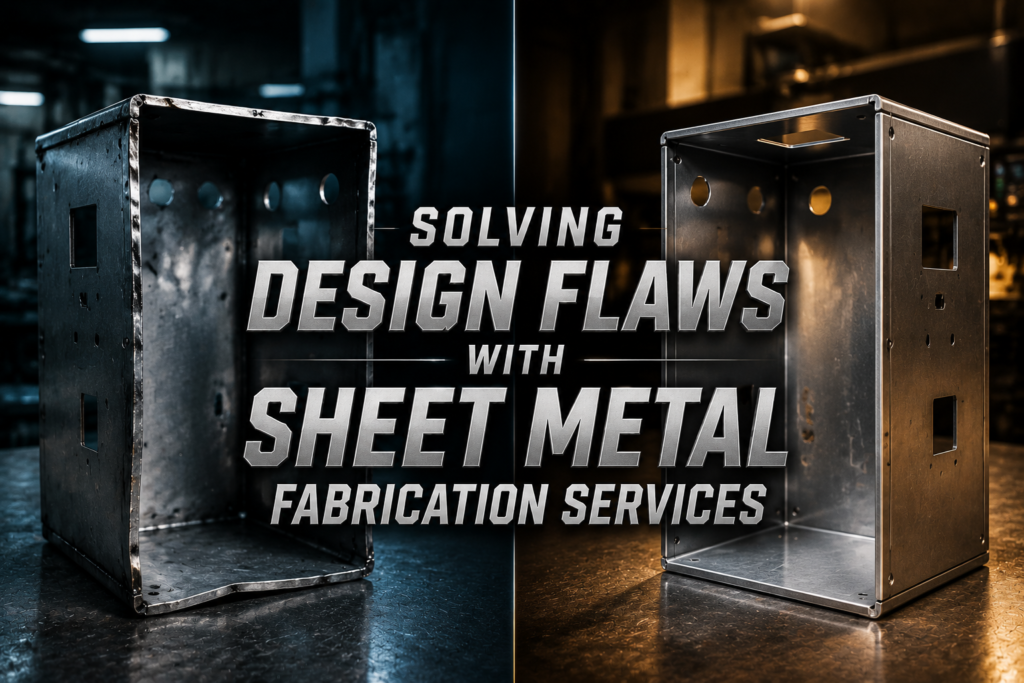
In the high-stakes world of electronics manufacturing, the housing is as critical as the PCB it protects. Precision sheet metal fab is no longer just about bending boxes; it is about thermal management, EMI/RFI shielding, and structural durability. Engineers frequently struggle with “over-designing”—creating parts that are theoretically perfect but practically impossible to manufacture without specialized sheet metal fabrication equipment.
Effective sheet metaling requires a deep understanding of how thin-gauge materials behave under stress. For instance, an enclosure for a high-frequency server rack requires precise venting patterns that don’t compromise the chassis’s rigidity. At Boraco Machining, our 2,000 sqm facility in Dongguan utilizes advanced manufacturing services to bridge the gap between complex CAD models and physical reality. We specialize in transforming raw sheets of Aluminum and Stainless Steel into high-performance components for the electronics and automotive sectors.
Sourcing managers often search for a “sheet metal shop near me,” but for high-volume electronics, the focus must shift to technical capability and quality sheet metal fabrication standards. Whether you are dealing with AL6061-T6 for its excellent strength-to-weight ratio or 304 Stainless Steel for corrosion resistance, the fabrication process must account for grain direction and material hardness to prevent cracking during the forming stage.
What is the K-Factor in Sheet Metal Working?
The K-Factor is a ratio that represents the location of the neutral axis relative to the thickness of the sheet metal. When a piece of metal is bent, the inner surface compresses and the outer surface stretches. The neutral axis is the “sweet spot” where no change in length occurs.
Formula: $K = \frac{t}{T}$
Where $t$ is the distance from the inside face to the neutral axis, and $T$ is the total material thickness.
Understanding the K-Factor is essential for calculating the “Bend Allowance.” Without an accurate K-Factor (typically ranging from 0.3 to 0.5 for most cnc sheet metal fabrication), the final dimensions of your part will be off, leading to assembly failures in multi-part enclosures.
Common Design Pitfalls in Sheet Metal Working and How to Avoid Them
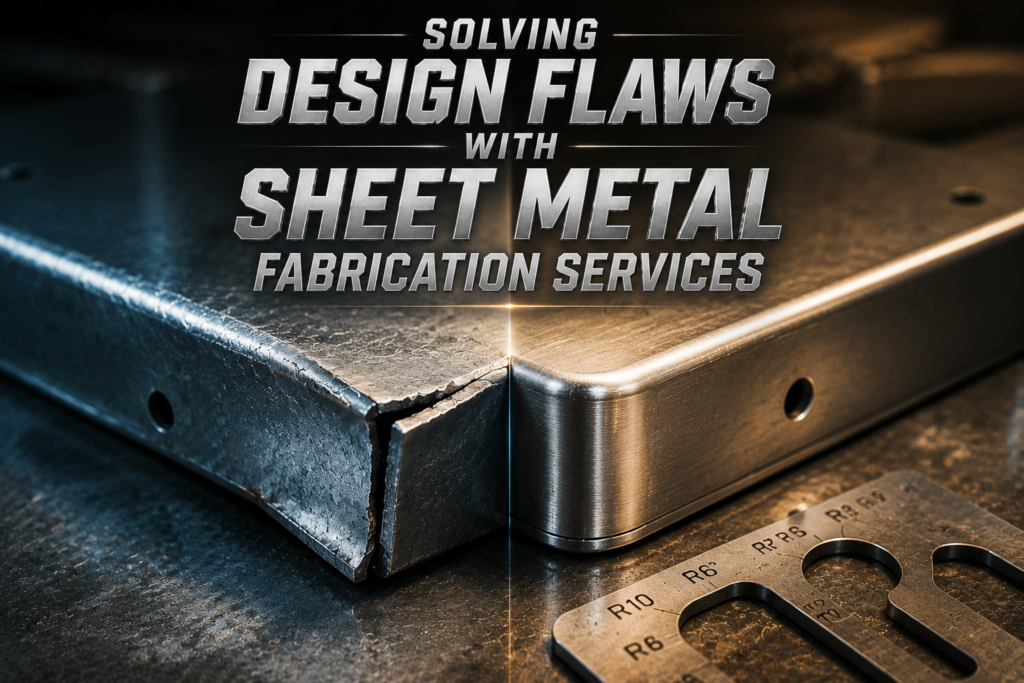
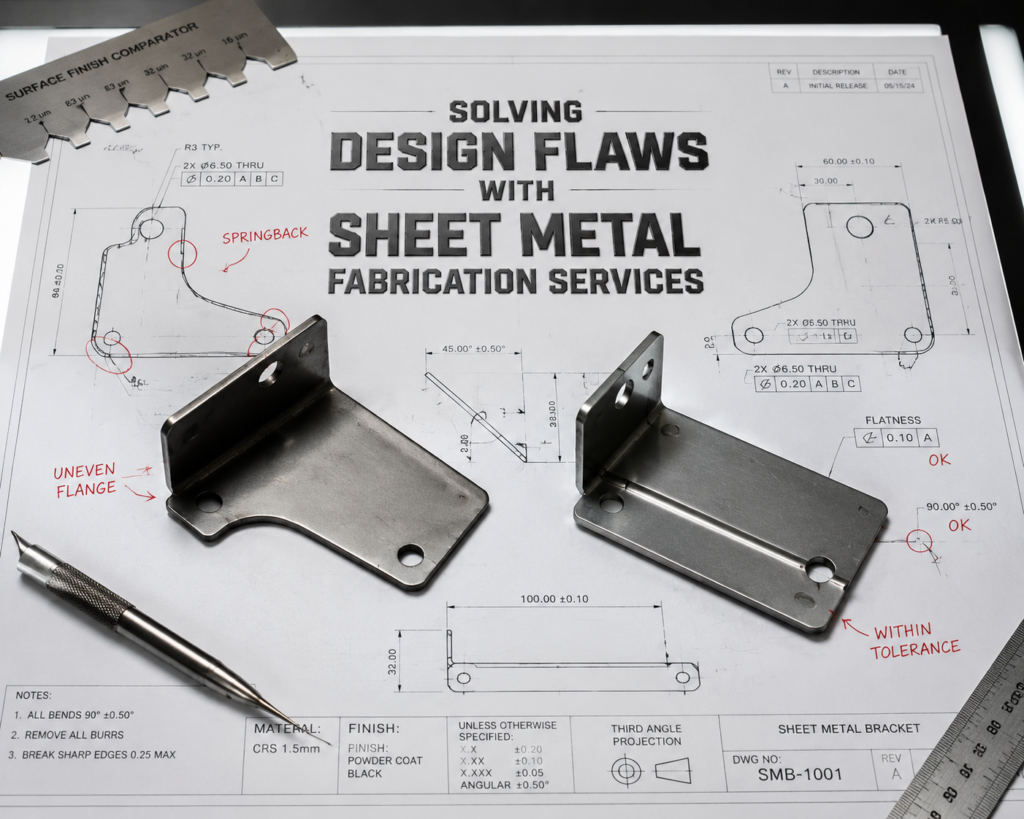
Most design flaws in sheet metal working stem from a lack of “Design for Manufacturability” (DFM). One of the most common issues is placing holes too close to a bend line. When a hole is positioned within the “bend zone,” it will deform into an oval shape as the metal stretches, rendering it useless for fasteners or connectors.
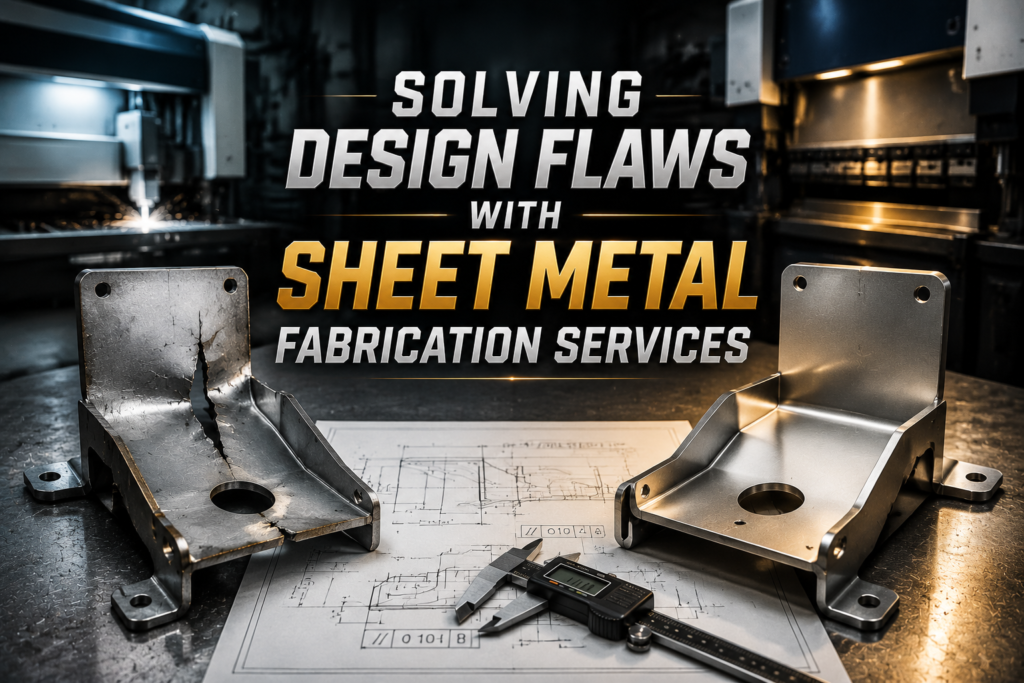
Another frequent error involves specified tolerances that are tighter than the material or sheet metal fabrication machines can realistically provide. While cnc sheet metal fabrication capabilities have advanced significantly, attempting to hold a ±0.05mm tolerance on a large, thin-gauge panel without proper bracing or specialized tooling will lead to high reject rates.
To assist our engineering partners, we have compiled a standard reference table for common materials used in our precision sheet metal fab processes:
| Material Type | Min. Bend Radius (mm) | Tensile Strength (MPa) | Common Application |
|---|---|---|---|
| Aluminum 6061-T6 | 1.5 x Thickness | 310 | Aerospace & Electronics |
| Stainless Steel 304 | 1.0 x Thickness | 505 | Medical & Food Processing |
| Galvanneal (A40) | 1.0 x Thickness | 340 | Automotive Panels |
| Copper (C110) | 0.5 x Thickness | 220 | Busbars & Heat Sinks |
Working with an experienced manufacturing partner ensures that these parameters are integrated into the design phase. By adjusting the bend radius to match the material’s ductility, we prevent stress fractures and maintain the structural integrity of the final product.
Advanced Sheet Metal Fabrication Equipment: From CNC Punching to Laser Cutting
The efficiency of any sheet metaling project depends heavily on the sheet metal fab equipment used. Modern facilities utilize a mix of CNC laser cutting, CNC punching, and precision press brakes. Laser cutting is ideal for complex geometries and rapid prototyping, offering a clean edge finish with a minimal heat-affected zone (HAZ).
However, for high-volume sheet metal working involving repetitive features like louvers, card guides, or electrical knockouts, CNC punching machines are far more cost-effective. These sheet metal fabrication machines can perform multiple operations—forming, tapping, and cutting—in a single setup, significantly reducing the labor cost per part.
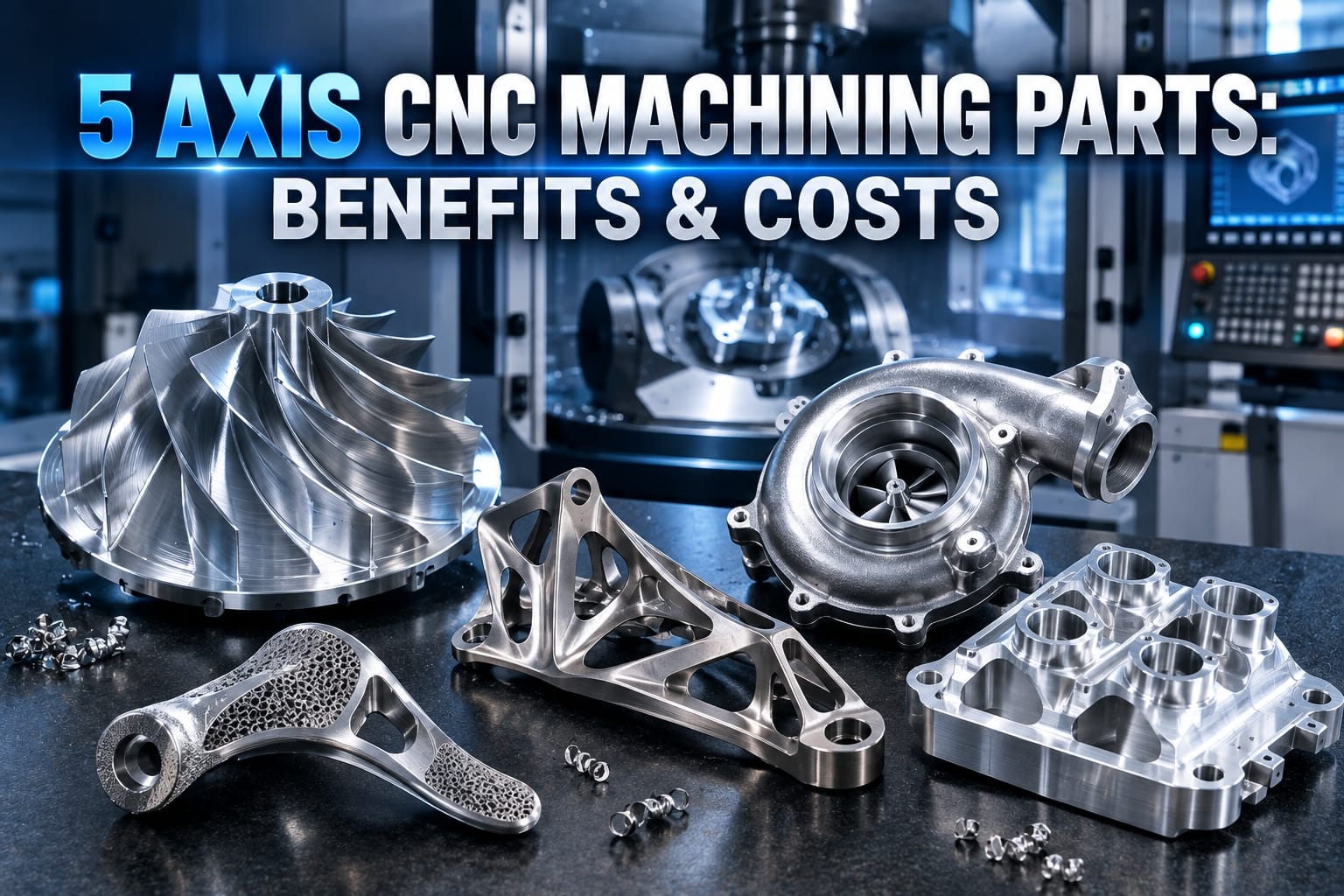
According to recent industry data from the Sheet Metal and Air Conditioning Contractors’ National Association (SMACNA), the integration of 4-axis and 5-axis CNC technology into sheet metal workflows has reduced lead times for complex assemblies by up to 30%. Boraco Machining leverages this technology to provide custom components that require both sheet metal forming and secondary CNC milling or turning operations.
Request a Custom CNC & Sheet Metal Quote
Optimizing for Manufacturability: Leveraging Sheet Metal Fabrication Design Services
The most successful B2B procurement projects utilize sheet metal fabrication design services early in the development cycle. A design service isn’t just about drawing a part; it’s about optimizing the “flat pattern” to minimize material waste. In sheet metaling, the cost of raw material can account for 50-70% of the total part price.
By implementing nesting software and analyzing the grain of the metal, engineers can maximize the number of parts produced from a single 4’x8′ or 5’x10′ sheet. Furthermore, professional quality sheet metal fabrication involves choosing the right finishing service—such as powder coating, anodizing, or chromate conversion—to ensure the part survives its operating environment.
For electronics clients, we often recommend “Self-Clinching Fasteners” (like PEM® nuts) during the cnc sheet metal fabrication process. These fasteners are pressed into the metal, providing high-torque threaded holes in thin sheets where tapping would be impossible. This eliminates the need for welding nuts, which can warp thin panels and require additional grinding.
Strategic Sourcing: Why Partnering with a China CNC Machining Supplier Makes Sense
When evaluating a china machining partner, the focus should be on the synergy between cost-efficiency and rigorous quality control. China cnc machining suppliers have evolved from simple “low-cost” shops into high-tech manufacturing hubs that rival Western facilities in precision.
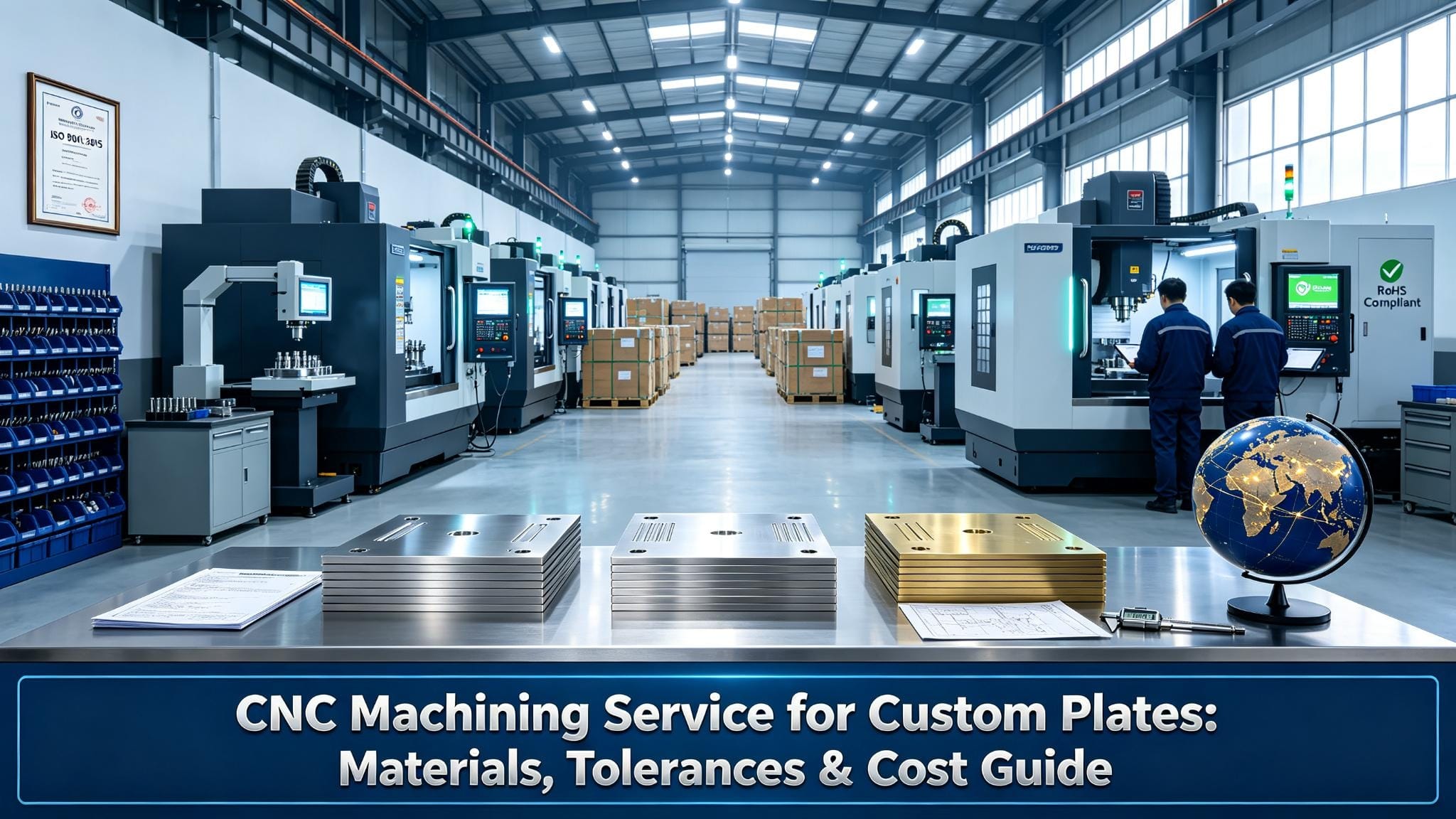
Boraco Machining, located in the heart of China’s manufacturing capital, Dongguan, provides a seamless bridge for global OEMs. Our cnc sheet metal fabrication capabilities are backed by ISO 9001:2015 certification, ensuring that every batch of custom cnc parts undergoes rigorous inspection. By combining sheet metaling with in-house finishing and assembly, we provide a “One-Stop” solution that reduces shipping costs and simplifies the supply chain.
Sourcing from a china cnc machining expert allows procurement managers to reallocate budget toward R&D while maintaining a stable, high-quality production flow. The key is finding a partner that understands international standards, such as RoHS and CE compliance, which are essential for electronics and industrial machinery.
Quality Assurance Standards in Precision Manufacturing
The hallmark of quality sheet metal fabrication is consistency. Whether you are ordering 10 prototypes or 10,000 production units, every part must be identical. This is achieved through advanced metrology and standardized processes. At Boraco, we utilize Coordinate Measuring Machines (CMM) and 2D optical scanners to verify that every bend angle and hole position meets the client’s blueprint.
Our commitment to “Precision Manufacturing, Quality First” is not just a slogan—it’s a workflow. From the initial sheet metal fabrication equipment setup to the final packaging, every step is documented. This level of transparency is why engineers in the aerospace and medical industries trust us with their critical sheet metaling projects.
For those looking to optimize their hardware designs and reduce the risk of failure, professional sheet metal fabrication design services are the first line of defense. By catching errors in the digital stage, we save our clients thousands in potential scrap and rework costs.
Contact Our Engineering Team for a DFM Review
Conclusion
Mastering sheet metaling requires a delicate balance of advanced technology, material science, and engineering expertise. By addressing design flaws early and leveraging professional cnc sheet metal fabrication capabilities, you can ensure your products are both high-performing and cost-effective.
Ready to elevate your manufacturing standards? Request a comprehensive quote from Boraco Machining today and let our experts streamline your next precision project.
Frequently Asked Questions (FAQ)
What is the difference between sheet metal working and CNC machining?
Sheet metal working involves forming, bending, and cutting thin-gauge metal sheets (usually under 6mm) using tools like press brakes and lasers. CNC machining (milling/turning) involves removing material from a solid block or bar to create a 3D shape. Many complex assemblies require both processes.
Which materials are best for precision sheet metal fab in electronics?
Aluminum (5052 or 6061) is the industry standard due to its lightweight nature and thermal conductivity. Stainless steel is preferred for high-durability or medical applications, while Copper is used specifically for electrical conductivity and heat sinks.
How can I reduce the cost of my sheet metaling project?
To lower costs, standardize your bend radii across the design, avoid overly tight tolerances where they aren’t functionally necessary, and keep holes at least 1.5 times the material thickness away from bend lines to prevent deformation.
Does Boraco Machining provide surface finishing for sheet metal?
Yes, we provide a full range of finishing services including powder coating, anodizing, silk-screening, and plating to ensure your parts are ready for immediate assembly upon delivery.