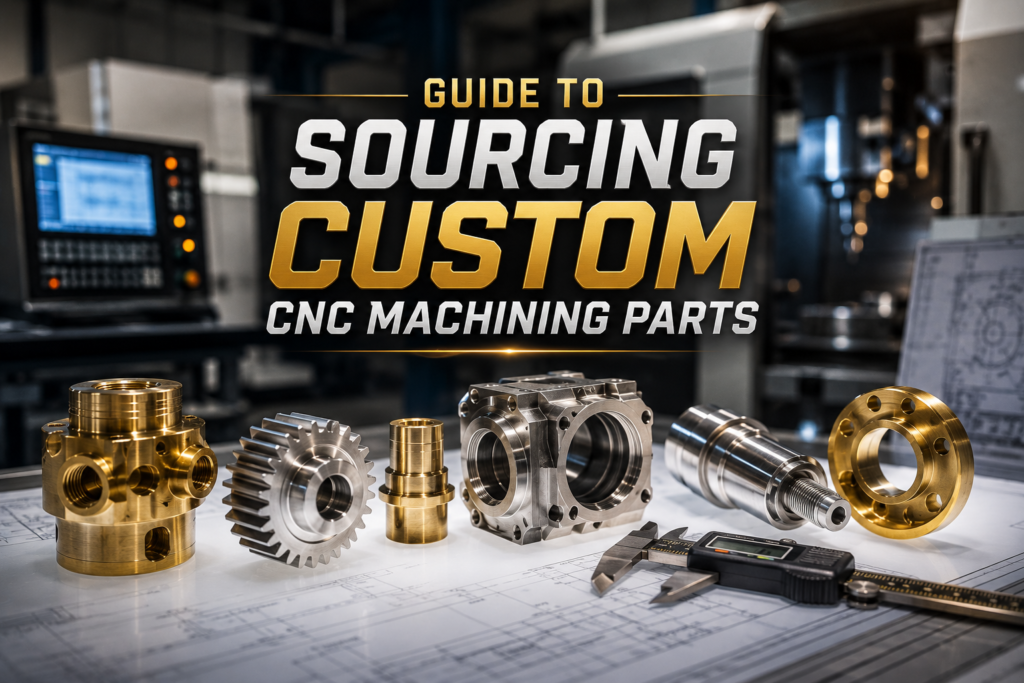
Guide to Sourcing Custom CNC Machining Parts
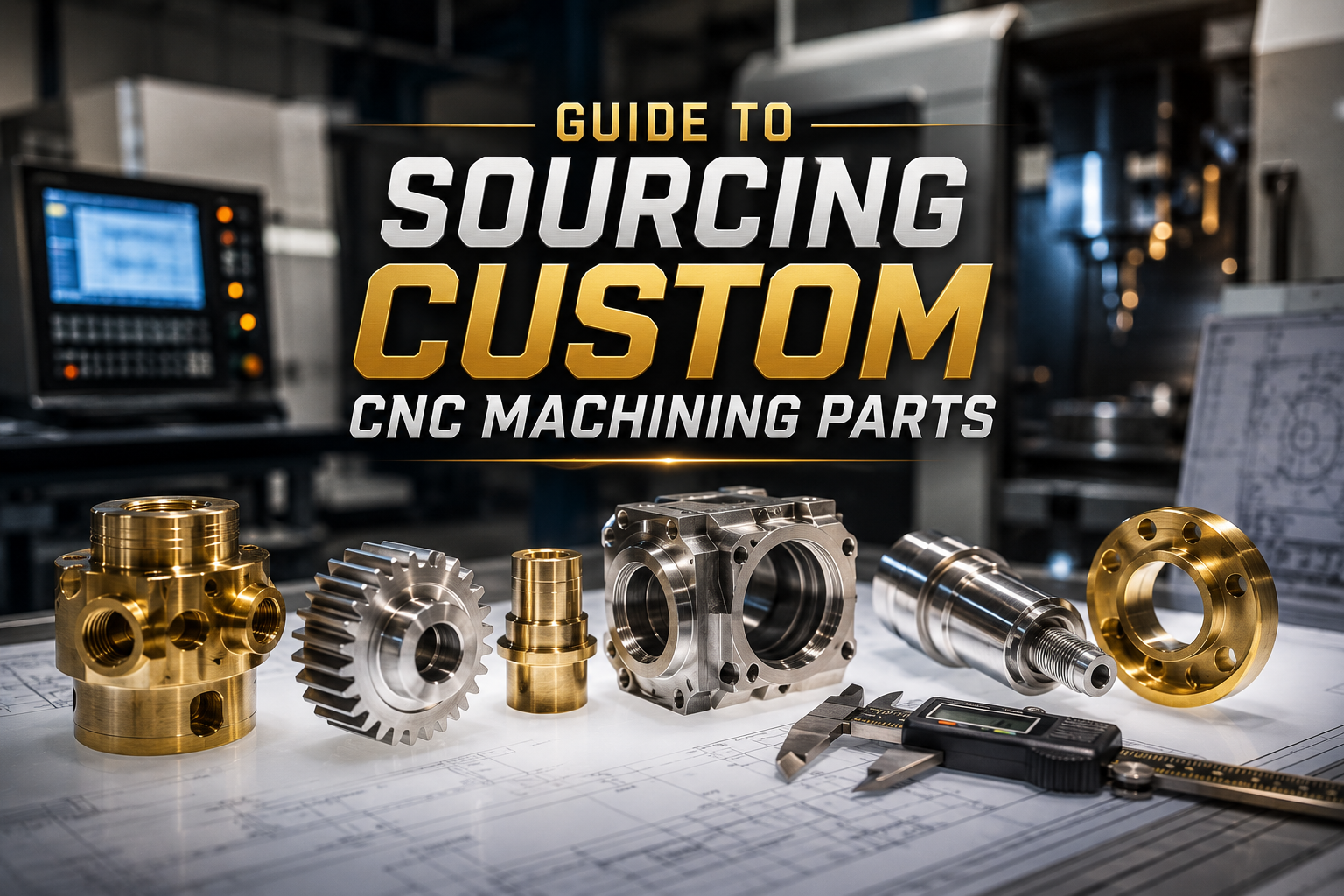
Sourcing high-precision custom CNC machining parts requires a deep understanding of material properties, machining tolerances, and supplier capabilities. This guide provides technical insights for B2B buyers and engineers to evaluate precision custom machining partners and optimize their manufacturing supply chain for industrial applications.
Technical Criteria for Selecting a Precision Custom Machining Partner
When evaluating a supplier for custom cnc machining parts, the technical assessment must go beyond a simple price-per-part calculation. For B2B procurement managers, the primary concern is consistency across both small batch and mass production runs. A reliable facility in a manufacturing hub like Dongguan City should demonstrate a robust understanding of Geometric Dimensioning and Tolerancing (GD&T) and maintain a modern workshop—typically 2,000 square meters or more—equipped with 4-axis and 5-axis CNC machines.
The complexity of custom cnc machining china has evolved; it is no longer just about low-cost labor but about integrated engineering support. A partner that offers an end-to-end solution—from rapid prototyping to surface treatment—reduces the risk of dimensional discrepancies during assembly. Furthermore, certifications such as ISO 9001:2015 are non-negotiable benchmarks that ensure the facility adheres to a standardized Quality Management System (QMS). When you review a supplier’s manufacturing background, verify their ability to handle diverse geometries and their familiarity with international standards like CE and RoHS.
For engineers, the ability of a machine shop to provide DFM (Design for Manufacturing) feedback is critical. If a part design requires extremely tight tolerances (e.g., ±0.005mm), the supplier must possess the appropriate metrology equipment, such as CMM (Coordinate Measuring Machines) and optical comparators, to validate every dimension. Choosing a partner with a “Precision manufacturing, quality first” ethos ensures that your mechanical components meet the rigorous demands of the electronics and automotive sectors.
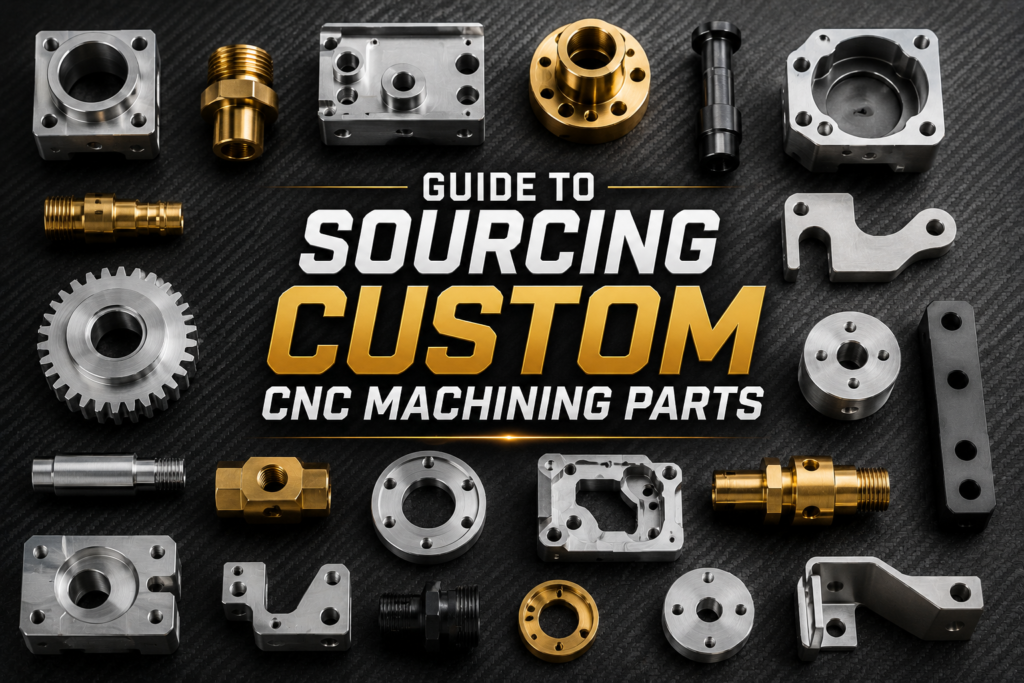
Request a Technical Consultation and Quote for Your Project
Material Selection and Mechanical Parameters in CNC Machining
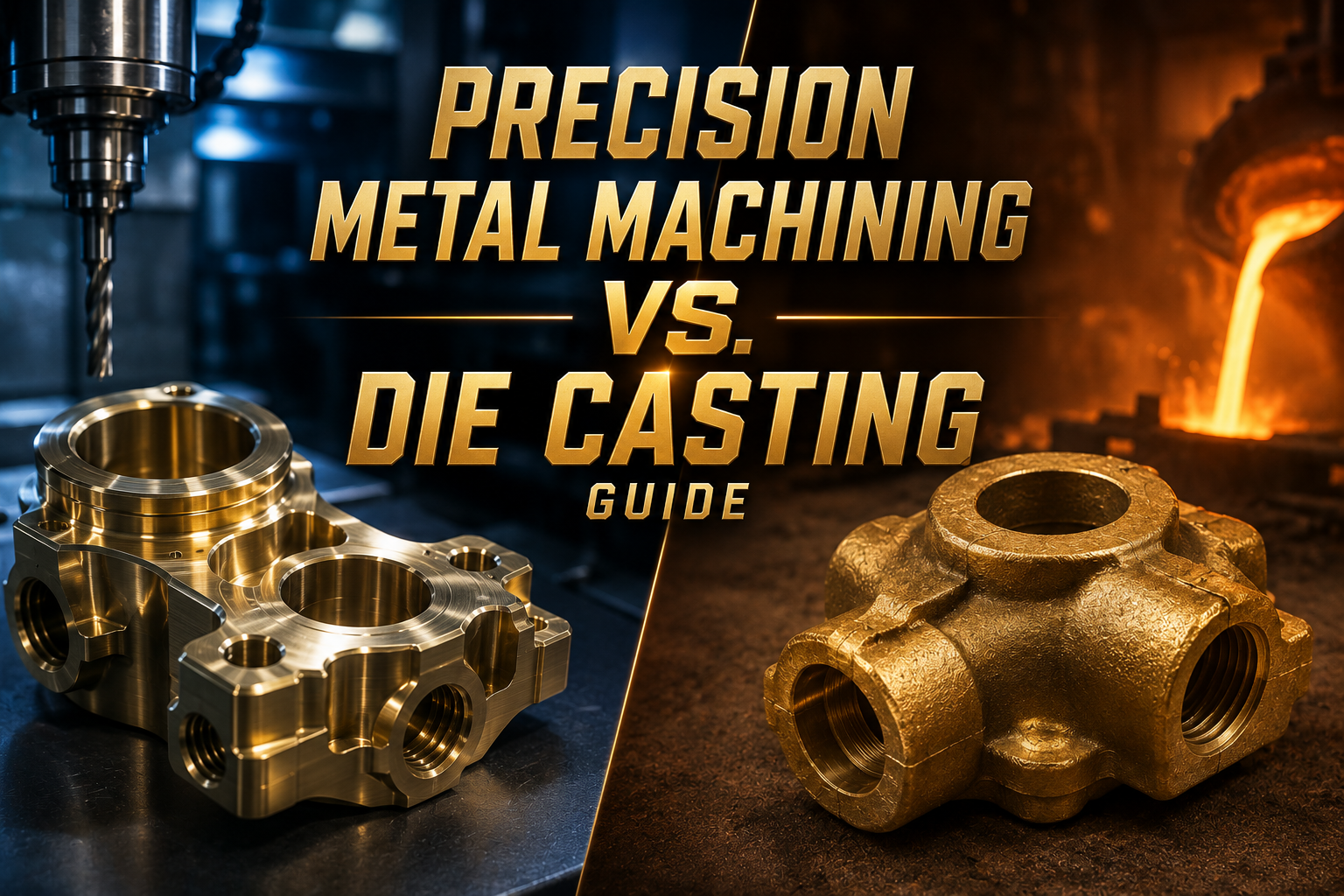
Material integrity is the foundation of any high-performance component. In the realm of precision custom machining, the choice between aluminum alloys, stainless steels, and specialized cast irons dictates the tool path strategy and the final part’s longevity. For instance, aerospace applications often demand AL7075-T6 due to its high strength-to-weight ratio, whereas industrial machinery might require custom cnc cast iron parts for superior vibration damping and wear resistance.
Understanding the “machinability” of a material is essential for cost optimization. Machinability refers to how easily a material can be cut while providing a satisfactory surface finish. Materials like AL6061-T6 offer excellent machinability, allowing for higher spindle speeds and feed rates, which translates to shorter cycle times. Conversely, surgical-grade stainless steels or titanium alloys require specialized carbide tooling and precise coolant management to prevent work hardening. Below is a comparison of common materials used in custom manufacturing:
| Material Grade | Tensile Strength (MPa) | Hardness (Brinell) | Machinability Rating (%) | Common Applications |
|---|---|---|---|---|
| Aluminum 6061-T6 | 310 | 95 | 80% | Electronics, Automotive |
| Stainless Steel 304 | 505 | 123 | 45% | Industrial Fittings, Food Processing |
| Alloy Steel 4140 | 655 | 197 | 65% | Gears, Bolts, Shafts |
| Cast Iron (Grade 30) | 200 | 180-220 | 70% | Engine Blocks, Bases |
Designers must also account for thermal expansion and the material’s reaction to surface treatments like anodizing or passivating. At Borak Machining, we emphasize that selecting the right material at the design phase can reduce manufacturing costs by up to 30%. Always consult with your manufacturing partner regarding the stock sizes available to minimize material waste during the milling or turning process.
Technical Definition: What is Machinability?
Machinability is a relative measure of how easily a material can be shaped by a cutting tool. It is evaluated based on four primary factors: tool life (how long the tool lasts before dulling), surface finish (the quality of the final texture), power consumption (the torque required from the spindle), and chip control (the shape and evacuation of the metal shavings). A material with a high machinability rating allows for faster production and lower tooling costs, making it a preferred choice for custom cnc machining parts in high-volume orders.
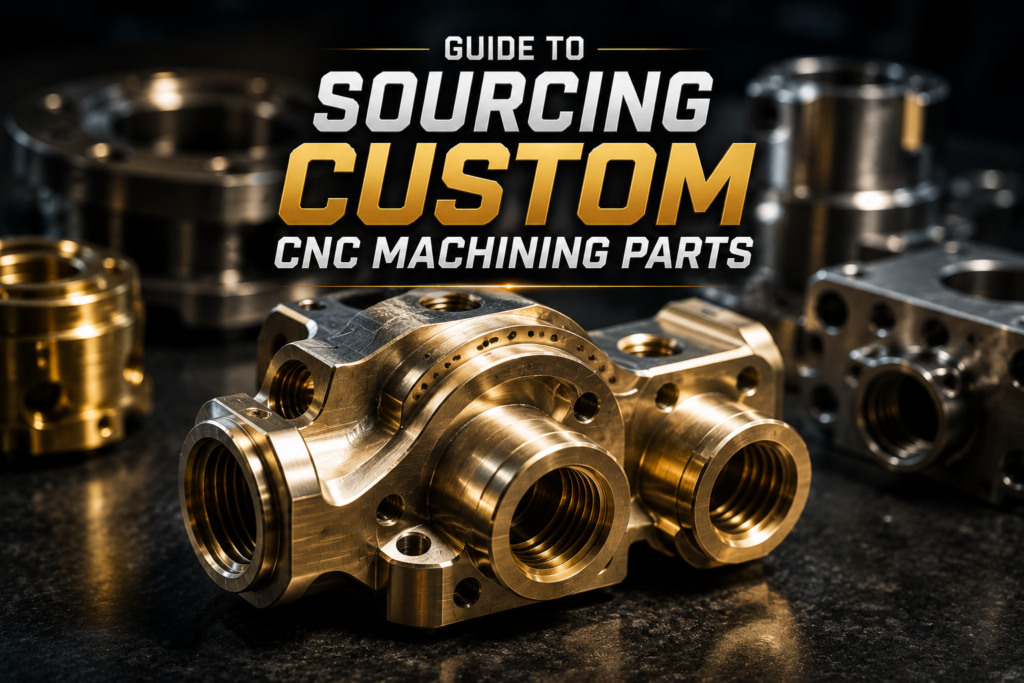
Advanced Geometries: 5-Axis Milling and Precision Turning
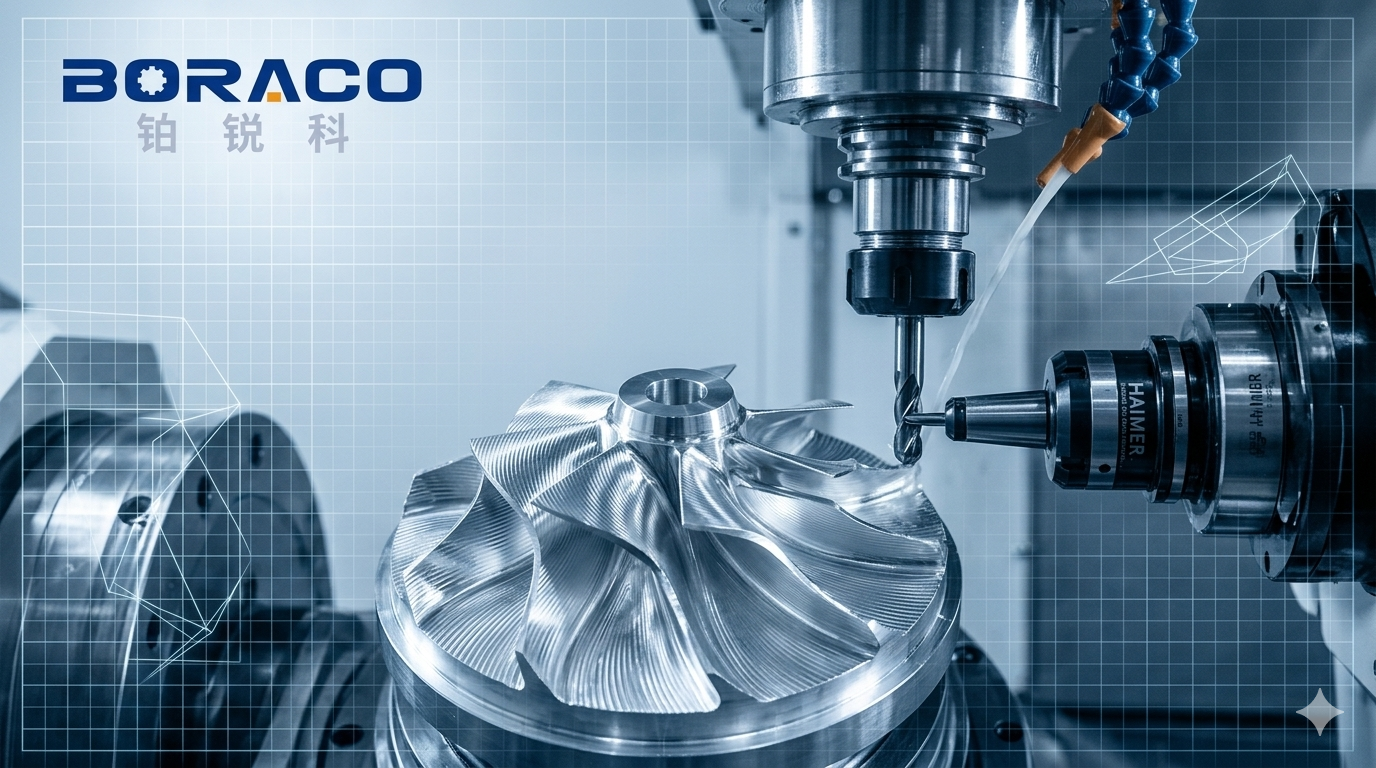
As industrial designs become more compact and complex, traditional 3-axis milling often falls short. The adoption of 4-axis and 5-axis CNC machining allows for the production of intricate custom cnc machining parts in a single setup. This not only reduces the potential for human error during repositioning but also ensures superior alignment of features relative to one another. For industries like aerospace, 5-axis machining is indispensable for creating complex impellers, turbine blades, and structural brackets with organic curves.
Precision turning, or CNC lathe machining, is equally vital for cylindrical components. Modern turn-mill centers can perform both turning and milling operations simultaneously, allowing for the creation of cross-holes, flats, and hexagonal features on a turned shaft without moving the part to a separate machine. This level of integration is a hallmark of specialized CNC machining services provided by modern Chinese factories. By utilizing “one-and-done” manufacturing, suppliers can maintain concentricity tolerances that are difficult to achieve through multiple setups.
According to reports from Grand View Research, the global CNC machining market is increasingly shifting toward high-precision, multi-axis solutions to meet the needs of the medical and electronics sectors. Implementing these advanced technologies requires significant capital investment in machinery and the recruitment of skilled CAM (Computer-Aided Manufacturing) programmers who can optimize tool paths to minimize “air cutting” and maximize tool engagement.
Get a Quote for 5-Axis Precision Machining Parts
Integrating Sheet Metal Bending and Stamping into CNC Workflows
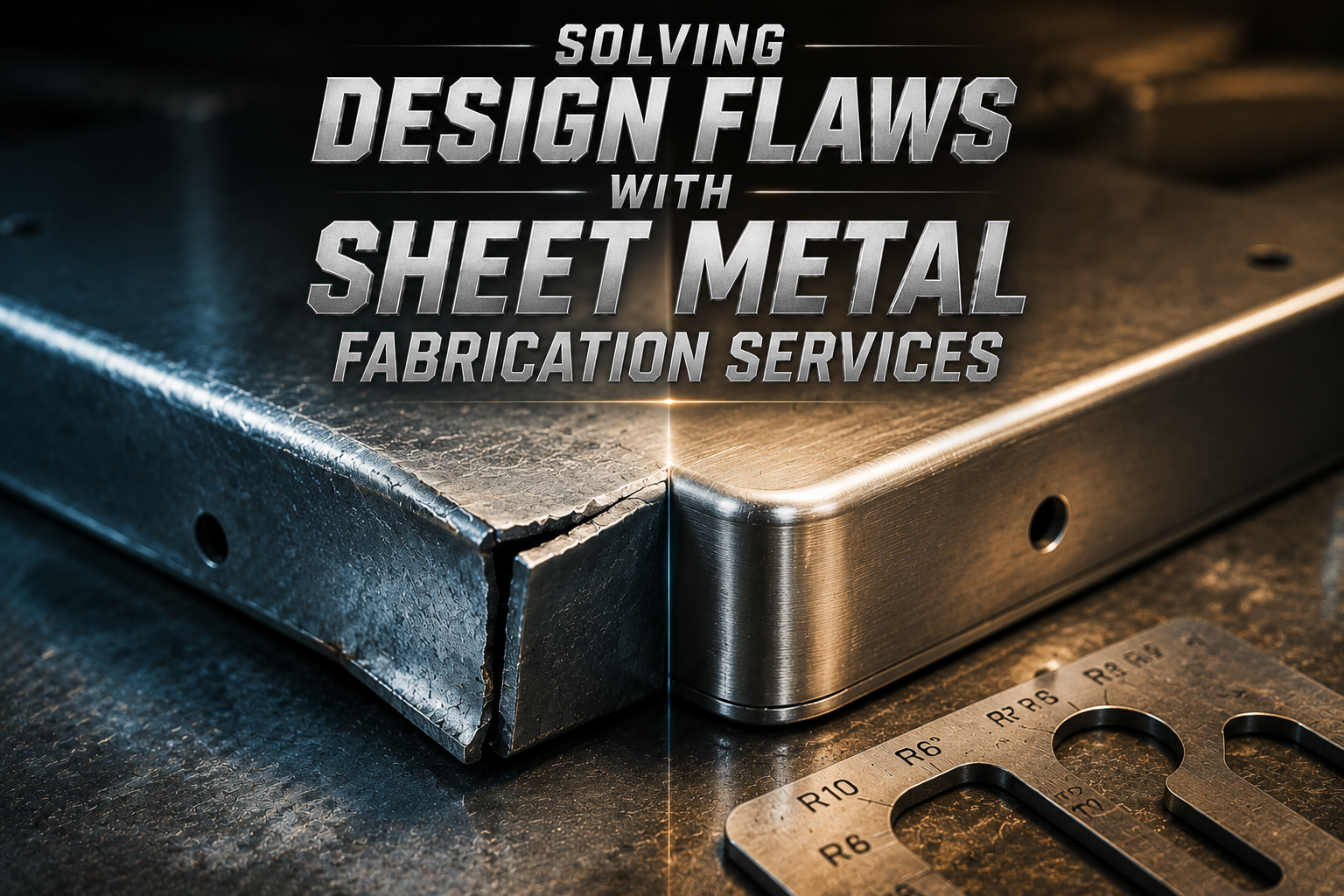
While CNC milling and turning handle the bulk of 3D geometries, many industrial assemblies require a combination of machined parts and formed components. Integrating custom sheet metal bending and custom stamped metal parts into the same production line offers significant logistics advantages. For example, an automotive electronic housing might feature a CNC milled base for heat dissipation and a laser-cut, bent aluminum cover for protection.
Custom stamping is particularly effective for mass-producing thin-walled components with repeatable accuracy. By utilizing high-tonnage presses and precision-engineered dies, manufacturers can produce thousands of parts per hour that maintain consistent dimensions. When these stamped parts require secondary features—such as threaded holes or precision-faced mating surfaces—they are moved to a CNC machining center for final finishing. This hybrid approach allows for the cost-efficiency of stamping while retaining the precision of CNC machining.
For buyers, finding a supplier that manages both CNC and sheet metal processes in-house simplifies the quality control process. It ensures that the tolerances for the stamped components align perfectly with the machined interface. Whether your project involves galvanized steel sheets, copper busbars, or stainless steel enclosures, the synergy between custom stamped metal parts and precision machining is the key to a successful B2B manufacturing partnership. We recommend that you contact our engineering team during the early design stages to determine if a hybrid stamping-machining process is suitable for your volume requirements.
Quality Assurance and Surface Treatment Standards
In precision manufacturing, a part is only as good as its final inspection. Quality assurance for custom cnc machining parts involves both dimensional verification and surface integrity testing. Surface finish, measured in Ra (Roughness Average), is a critical parameter for parts that involve sliding contact or fluid seals. A standard CNC milled surface typically has a finish of Ra 3.2 μm, but high-precision components often require Ra 0.8 μm or even Ra 0.4 μm through secondary grinding or polishing processes.
| Process | Surface Finish (Ra μm) | Visual Appearance | Primary Benefit |
|---|---|---|---|
| As-Machined | 3.2 | Visible tool marks | Cost-effective |
| Bead Blasting | 1.6 – 3.2 | Satin/Matte finish | Removes tool marks, prepares for coating |
| Clear/Color Anodizing | 0.8 – 1.6 | Smooth, colored | Corrosion resistance, aesthetics |
| Electropolishing | 0.4 – 0.8 | Mirror-like | Hygiene (Medical/Food), friction reduction |
Beyond the surface, B2B buyers must demand material traceability. This is particularly true for industries like aerospace where every batch of aluminum or steel must be accompanied by a Mill Test Report (MTR) to verify its chemical composition and mechanical properties. A professional custom cnc machining china supplier will maintain these records as part of their ISO compliance. Adherence to engineering standards such as ISO 2768 (General Tolerances) ensures that even non-critical dimensions are maintained within reasonable limits, preventing assembly issues downstream.
Finally, consider the environmental impact and compliance of surface treatments. Modern facilities utilize RoHS-compliant plating and eco-friendly cleaning agents to meet the stringent environmental regulations of the European and North American markets. When you evaluate a potential partner, inquire about their wastewater treatment and chemical handling protocols to ensure your supply chain remains sustainable and compliant.
Lead Times, Small Batch Production, and Supply Chain Stability
In the current industrial landscape, lead time is often as critical as part quality. For OEM engineers, the ability to pivot from rapid prototyping to small batch production without changing suppliers is a major competitive advantage. Rapid prototyping allows for the validation of form, fit, and function using the actual production material, rather than a 3D-printed plastic proxy. Once the design is frozen, the same CNC programs can be scaled for mass production, ensuring continuity in part geometry.
Supply chain stability for custom cnc machining parts is bolstered by a supplier’s geographic location. Being situated in a dense manufacturing cluster like Guangdong Province provides access to a massive network of material suppliers and specialized secondary processors (e.g., heat treatment, specialized PVD coating). This proximity reduces transit times and allows for faster turnaround on complex projects. Effective project management in these facilities involves real-time tracking of production milestones, from raw material procurement to final shipping.
To optimize your procurement strategy, consider a “blanket order” approach for mass production. This involves committing to a large annual volume while requesting monthly or quarterly shipments. This strategy allows the manufacturer to purchase raw materials in bulk—guarding against price fluctuations—and schedule machine time more efficiently, often resulting in a lower unit cost for the buyer. Effective communication and transparent lead-time forecasting are the hallmarks of a professional B2B relationship in the CNC industry.
Start Your Custom CNC Project with a Professional Partner Today
In summary, successful procurement of custom cnc machining parts hinges on technical vetting, material expertise, and a commitment to quality standards. By partnering with an experienced manufacturer that integrates advanced 5-axis machining with secondary processes like stamping and surface treatment, you ensure that your components meet the highest industrial benchmarks. Contact Borak Machining today to receive a detailed quote and leverage our 15 years of precision manufacturing experience for your next project.
Frequently Asked Questions (FAQs)
1. What is the typical lead time for custom CNC machining parts from China?
Lead times typically range from 3-7 days for rapid prototyping and 2-4 weeks for small batch to mass production. Total time depends on part complexity, material availability, and required surface treatments.
2. Can you provide custom cnc cast iron parts with specific damping properties?
Yes, we machine various grades of gray and ductile iron (e.g., Grade 30, 40, or 60) which are ideal for industrial bases and components requiring high vibration damping and wear resistance.
3. What tolerances can be achieved with precision custom machining?
Standard machining tolerances are typically ±0.05mm to ±0.1mm. However, with precision 5-axis milling and CNC grinding, we can achieve tolerances as tight as ±0.005mm for critical dimensions.
4. Do you offer integrated sheet metal bending and stamping services?
Absolutely. We provide a full suite of services including custom sheet metal bending, precision stamping, and laser cutting, allowing us to deliver complex assemblies that combine machined and formed parts.