The Evolution of Additive Metal Printing in Heavy Industries
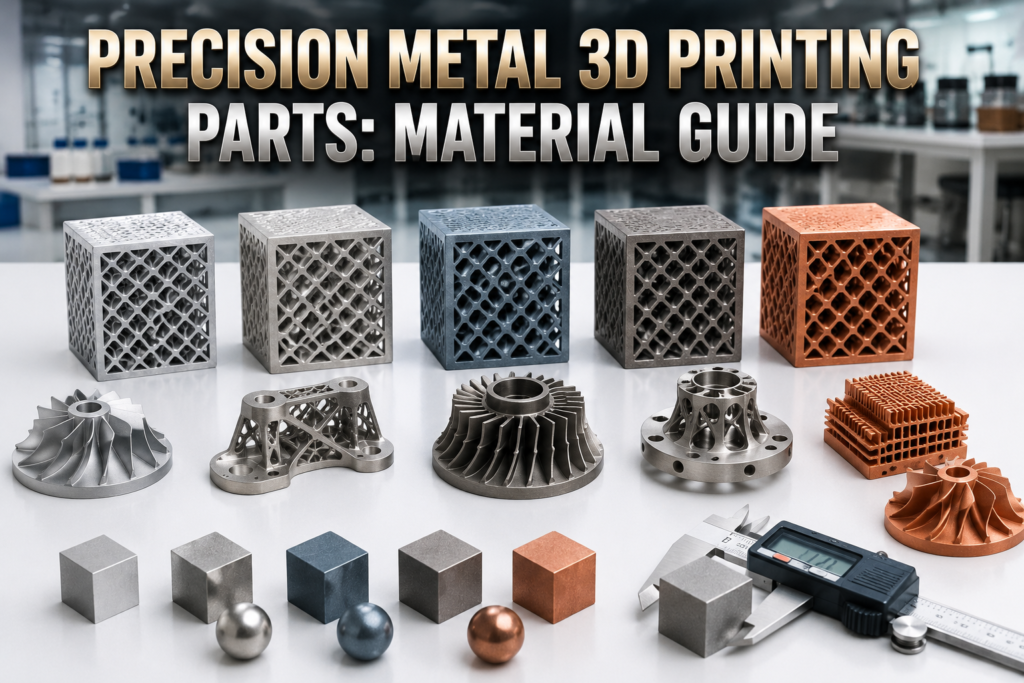
The industrial manufacturing landscape is witnessing a major operational shift as advanced additive techniques transition from basic prototyping tools into reliable commercial production systems. Sourcing managers across the automotive, aerospace, and defense sectors now routinely specify functional printing parts for high-stress applications where traditional casting or multi-part fabrications are structurally or financially unviable. Utilizing industrial-grade additive metal printing and advanced metal 3d printing technology allows mechanical engineers to achieve complex lightweight geometries, such as optimized topology lattices and internal conformal cooling channels, that cannot be produced by conventional subtractive milling alone.
When deploying 3d printing for automotive systems or critical fluid-power manifolds, evaluating the raw powder morphology and consolidation mechanics is vital to guaranteeing component reliability. Industrial systems like Direct Metal Laser Sintering (DMLS) or Selective Laser Melting (SLM) use high-power fiber lasers to fuse fine metallic particles layer by layer. Implementing these high precision 3d printing methods ensures that your structural printing parts exhibit excellent density and predictable mechanical properties under high cyclical loads. For procurement specialists evaluating these complex sub-assemblies, recognizing the clear differences between standard polymer mockups and true industrial printing parts is necessary to maintaining strict development timelines.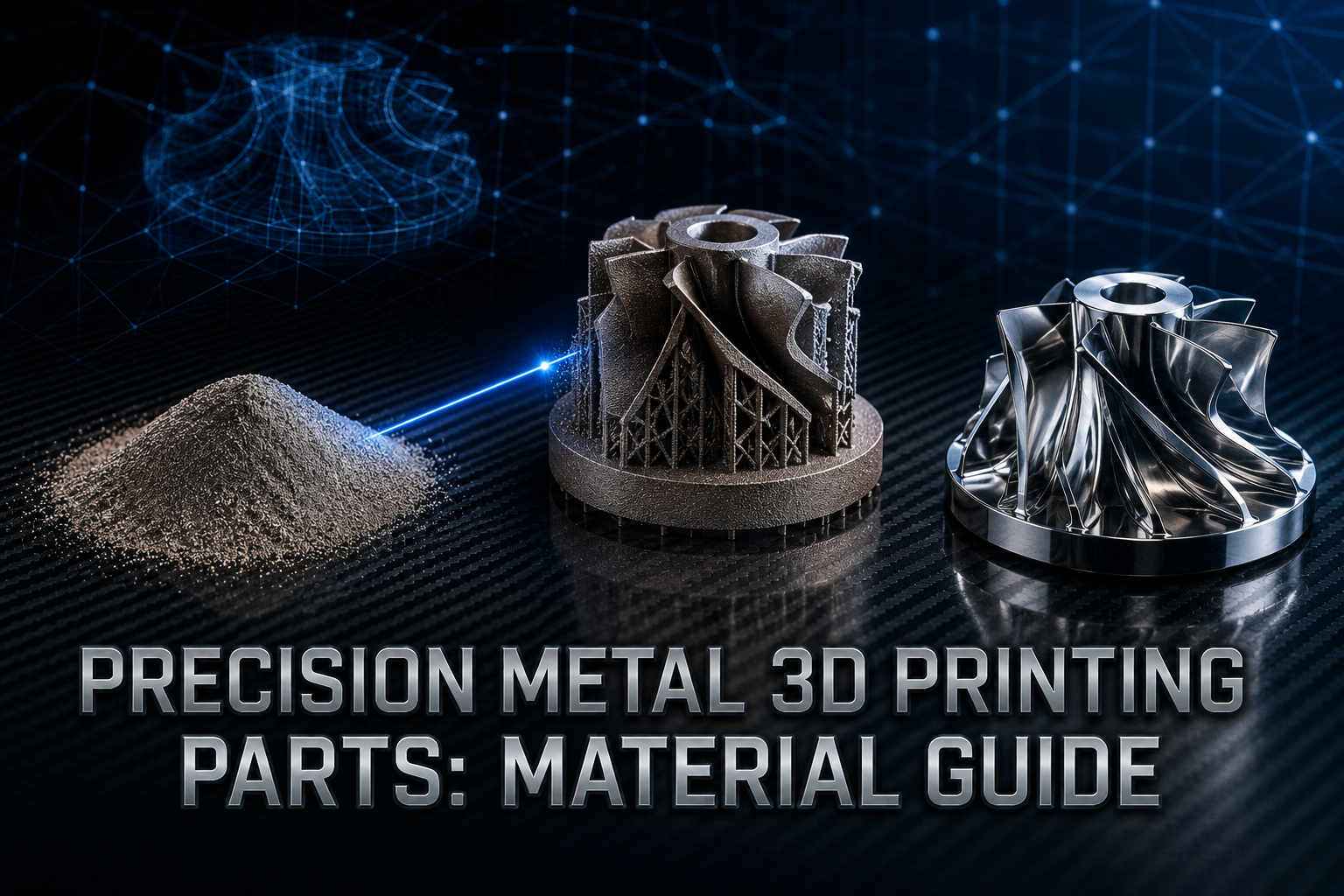
As international manufacturing networks shift toward integrated 3d printing mass production, the reliance on rigorous quality standards becomes the primary differentiator between successful product deployments and component field failures. Choosing an experienced manufacturing partner who integrates these advanced additive processes with precision secondary operations allows engineers to receive high-fidelity printing parts that fit perfectly into tight mechanical assemblies without requiring additional structural remediation. By understanding the underlying physics of laser powder bed fusion, sourcing teams can better collaborate with their production vendors to reduce component weight while preserving complete mechanical integrity.
Technical Material Evaluation: Aluminum vs. Stainless Steel Alloys
Selecting the correct raw alloy composition determines the ultimate mechanical thresholds and environmental boundaries of your functional printing parts. In the field of high-speed lightweight manufacturing, aluminum 3d printing using AlSi10Mg powder has become standard for aerospace brackets, electronic heat sinks, and customized motor housings. An experienced aluminum 3d printing service delivers intricate, thin-walled structures with excellent thermal conductivity, though the finished components require specific post-weld heat treatments to alleviate the internal residual stresses caused by rapid laser melting and solidification cycles.
Alternatively, heavy-duty industrial applications require direct printing on stainless steel matrices like 316L or 17-4 PH. Sourcing durable printing parts made from stainless steel guarantees superb tensile strength, excellent fatigue limits, and superior corrosion resistance, which is perfect for marine valves, chemical processing equipment, and medical instrumentation. When evaluating a commercial metal 3d printing service, engineers must carefully verify the mechanical properties of the finished components. The choice between utilizing an additive metal 3d printing system or a traditional billet-cutting method directly influences the microstructure of the final piece; raw as-printed components typically feature a fine, directional dendritic grain structure that requires specialized thermal processing to match the performance of wrought metals. To help engineering teams compare these variations, the following table lists the critical technical properties of common alloys used when manufacturing metal printing parts:
| Material Designation | Yield Strength (As-Printed) | Tensile Strength (Heat Treated) | Elongation at Break (%) | Raw Surface Roughness ($R_a$) |
|---|---|---|---|---|
| AlSi10Mg (Aluminum) | 230 MPa ±20 MPa | 330 MPa ±20 MPa | 9% ±2% | 9 μm to 15 μm Ra |
| 316L (Stainless Steel) | 480 MPa ±30 MPa | 550 MPa ±30 MPa | 30% ±5% | 10 μm to 16 μm Ra |
| 17-4 PH (Stainless Steel) | 850 MPa ±50 MPa | 1050 MPa ±50 MPa | 12% ±3% | 8 μm to 14 μm Ra |
| Ti6Al4V (Titanium Gr. 5) | 880 MPa ±40 MPa | 980 MPa ±40 MPa | 14% ±2% | 7 μm to 12 μm Ra |
Whether your project requires high-volume printing parts for automotive engine blocks or low-volume specialized tooling like a custom printing mold, verifying the chemical purity of the underlying alloy powder prevents micro-porosity defects during the laser sintering cycle. Sourcing teams must ensure their supplier adheres to strict material standards, such as those established by ASTM International for additive manufacturing, to guarantee that every batch of raw powder exhibits the correct particle size distribution. Controlling these raw material inputs ensures that your finished printing parts maintain structural consistency throughout their operational lifecycle.
Post-Processing Synergy: Merging Additive Media with CNC Finishing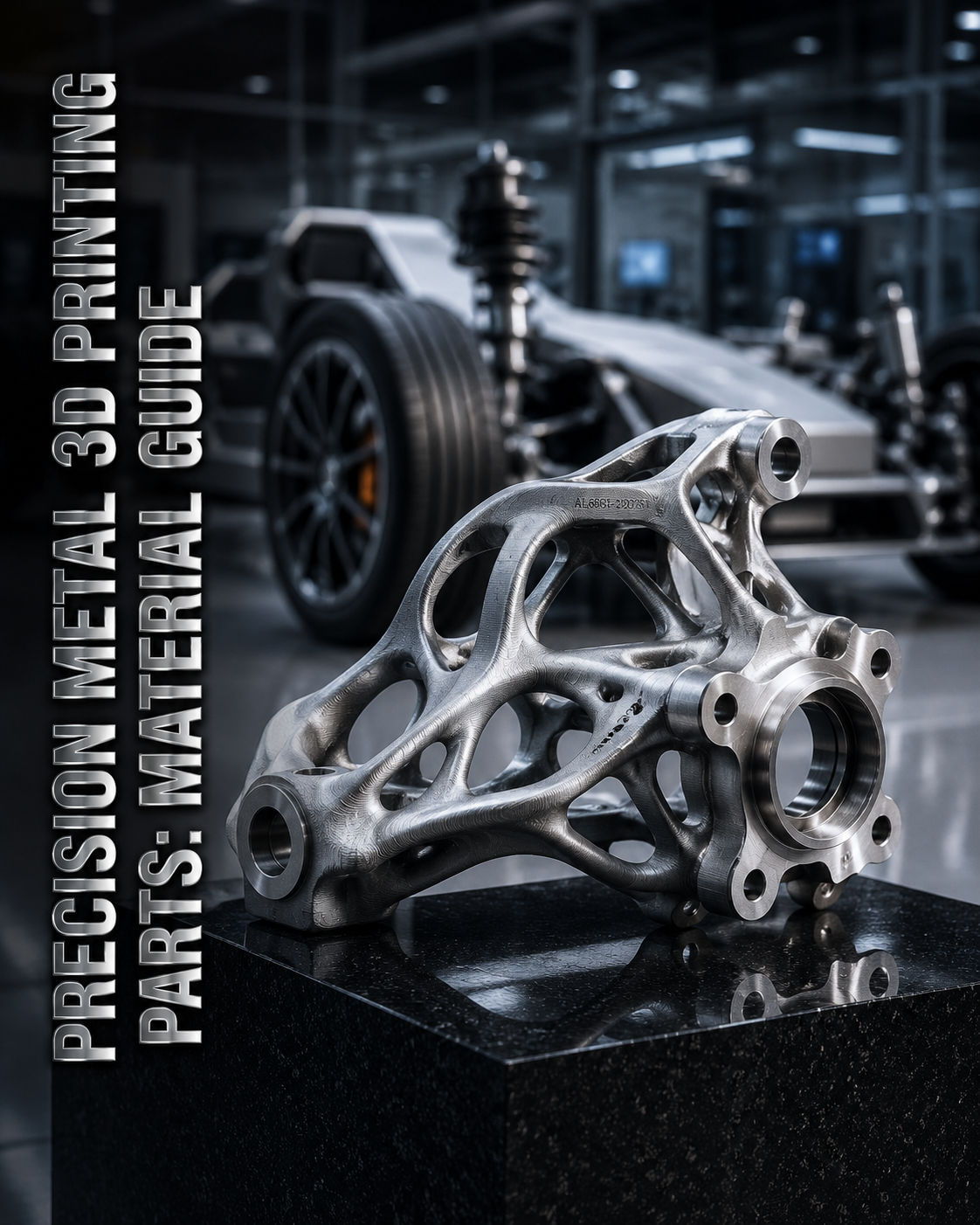
Despite the rapid advancements in direct metal 3d printing technology, raw additive components rarely meet the tight dimensional tolerances or smooth surface profiles required for high-end industrial assemblies. Most industrial printing parts emerge from the powder bed with a rough matte texture, typically ranging from 8 μm to 16 μm Ra, as shown in the material parameters table above. This raw texture is completely unacceptable for dynamic sealing faces, bearing journals, or high-precision mating interfaces. Consequently, professional engineers treat additive systems as a near-net-shape process that must be followed by precision subtractive post-processing.
Integrating professional cnc printing services into your manufacturing workflow bridges this critical geometric gap. By mounting raw printing parts onto advanced multi-axis machining centers, operators can selectively mill critical faces, ream press-fit bores, and thread internal holes down to ±0.012 mm tolerances. This hybrid approach leverages the geometric freedom of additive manufacturing alongside the repeatable accuracy of a traditional custom cnc environment. Sourcing your components from an integrated supplier that handles both the initial additive layering and the final china machining steps eliminates the stack-up errors and communication lag associated with multi-vendor part transfers.
What is Thermal Anisotropy in Metal Additive Manufacturing?
Thermal Anisotropy refers to the directional variance in mechanical properties within a 3D-printed component, caused by the layer-by-layer thermal gradients of the manufacturing process. Because the laser melts powder along a specific horizontal path while heat dissipates vertically through the build plate, the resulting microstructure exhibits elongated grain boundaries along the Z-axis. This means an un-treated component may possess higher tensile strength along the X-Y plane than the Z-axis. To ensure isotropic behavior, printing parts must undergo thermal processing, such as Hot Isostatic Pressing (HIP) or vacuum annealing, to recrystallize the grain structure before final service deployment.
Managing the thermal profile during post-processing is highly critical. Because raw printing parts contain significant residual internal stresses from rapid laser consolidation, executing heavy machining cuts without prior thermal stress relief can cause unpredictable part warping or dimensional drift. Experienced technicians implement standardized vacuum annealing cycles before any finishing tool touches the **printing parts**. This careful thermal sequencing ensures that the component remains perfectly stable when critical features undergo high-precision turning or milling, resulting in structurally sound components that align perfectly with your original CAD models.
Scaling Production: From Rapid Prototyping to Mass Customization
The strategic deployment of additive manufacturing changes significantly as a project moves from initial engineering validation to commercial volume. During the initial development phase, utilizing a reliable rapid 3d printing workflow allows design teams to evaluate physical form, fit, and basic function. Opting for a fast china rapid prototype deployment or a dedicated 3d printing for prototyping program lets engineers test multiple design variations concurrently without incurring heavy investments in physical stamping dies or injection tooling. This rapid validation cycle minimizes development risks and accelerates your overall time-to-market.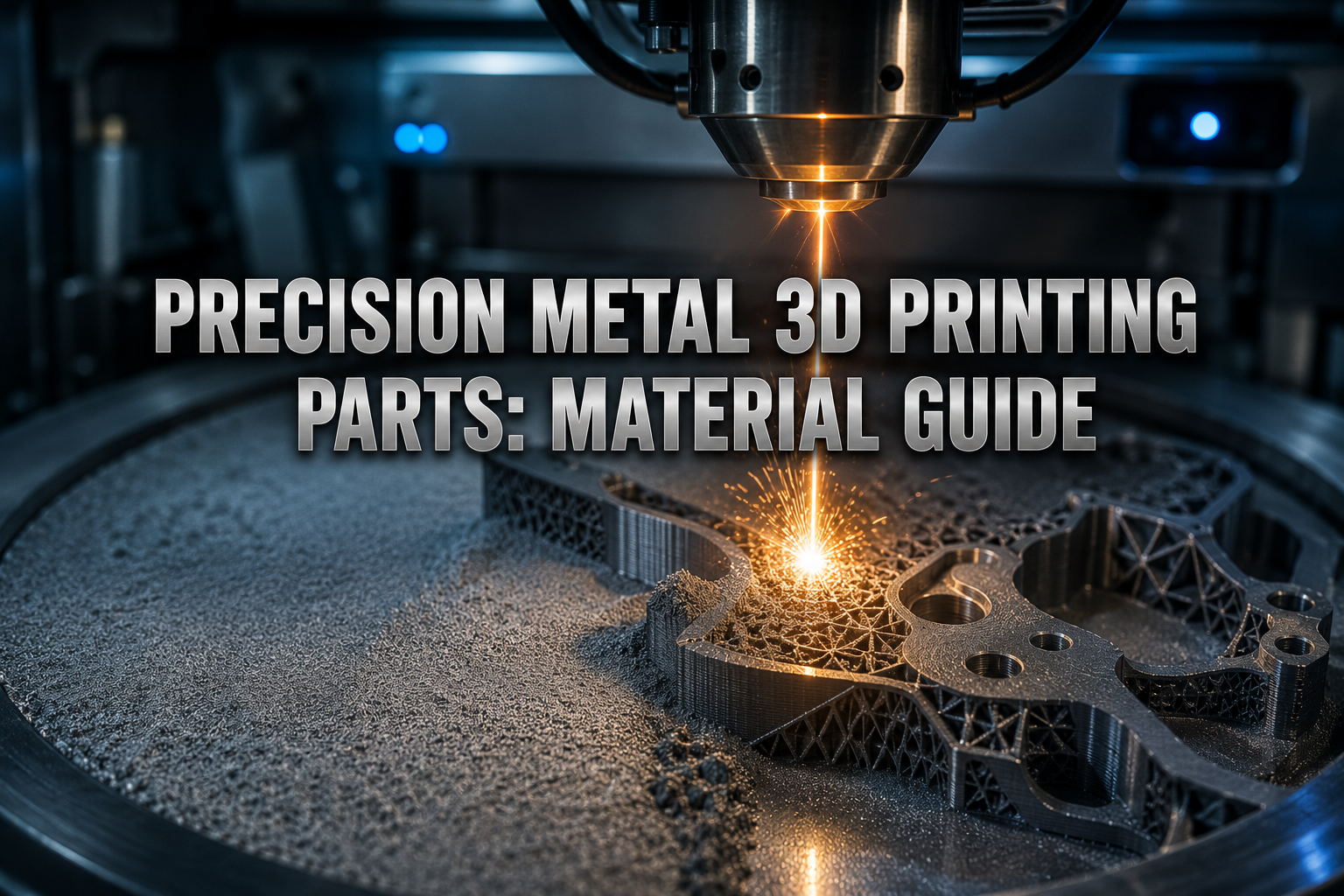
However, transitioning these initial concepts into functional printing parts for the open market requires a completely different operational mindset. Scaling up to a high volume 3d printing model requires robust process monitoring, strict batch controls, and automated powder recycling loops. When executing a 3d printing mass production run, maintaining consistency across thousands of individual printing parts demands real-time monitoring of laser power, oxygen levels in the build chamber, and melt-pool dynamics. OEMs must partner with suppliers that offer robust infrastructure designed for long-term repeatability across large product lots.
Whether you are ordering thousands of structural printing parts or a complex tool for industrial lines, verifying the supplier’s automated inspection frameworks guarantees that the final batch performs just as reliably as the initial prototype. Advanced shops utilize coordinate measuring machines (CMM), optical scanners, and non-destructive testing (NDT) to verify internal density and external dimensions. By ensuring that your supplier can smoothly transition from low-volume engineering tests to bulk commercial manufacturing, you can scale your production lines without facing unexpected drops in component quality or structural performance.
Strategic Sourcing Protocols for B2B Procurement Teams
Navigating the international supplier network for high-end additive components requires a comprehensive evaluation framework. Sourcing high-quality printing parts demands a manufacturing partner that can handle complex multi-disciplinary projects. While many basic shops offer simple polymer output, true industrial-grade production requires an established asset infrastructure that features both advanced additive systems and precision CNC machining capabilities. Sourcing managers can look at the full suite of multi-axis post-processing solutions by checking our comprehensive precision cnc machining service portal, where additive components are refined under strict geometric guidelines.
When auditing potential international partners, procurement teams should also prioritize certifications and data security. A transparent supplier will easily showcase their corporate history and quality setups on their dedicated About Boraco Machining page, confirming their adherence to global manufacturing expectations. Furthermore, because engineering files for proprietary printing parts represent substantial corporate IP, verifying the supplier’s digital asset security is just as critical as checking their physical tolerances. Working with an established firm that combines transparent communication, data encryption, and integrated manufacturing ensures that your complex printing parts progress smoothly from initial digital files into certified, production-ready hardware.
To initiate a comprehensive design-for-manufacturability evaluation for your upcoming project, connect with our engineering group through our direct Boraco Machining Contact Us channel for an engineering consultation. Our technical team reviews your 3D CAD files to optimize orientation, minimize support structure volume, and select the ideal post-processing parameters for your specific application. By establishing this collaborative technical relationship early in the design cycle, you can significantly reduce piece-part costs, minimize manufacturing lead times, and guarantee the absolute structural performance of your outsourced assemblies.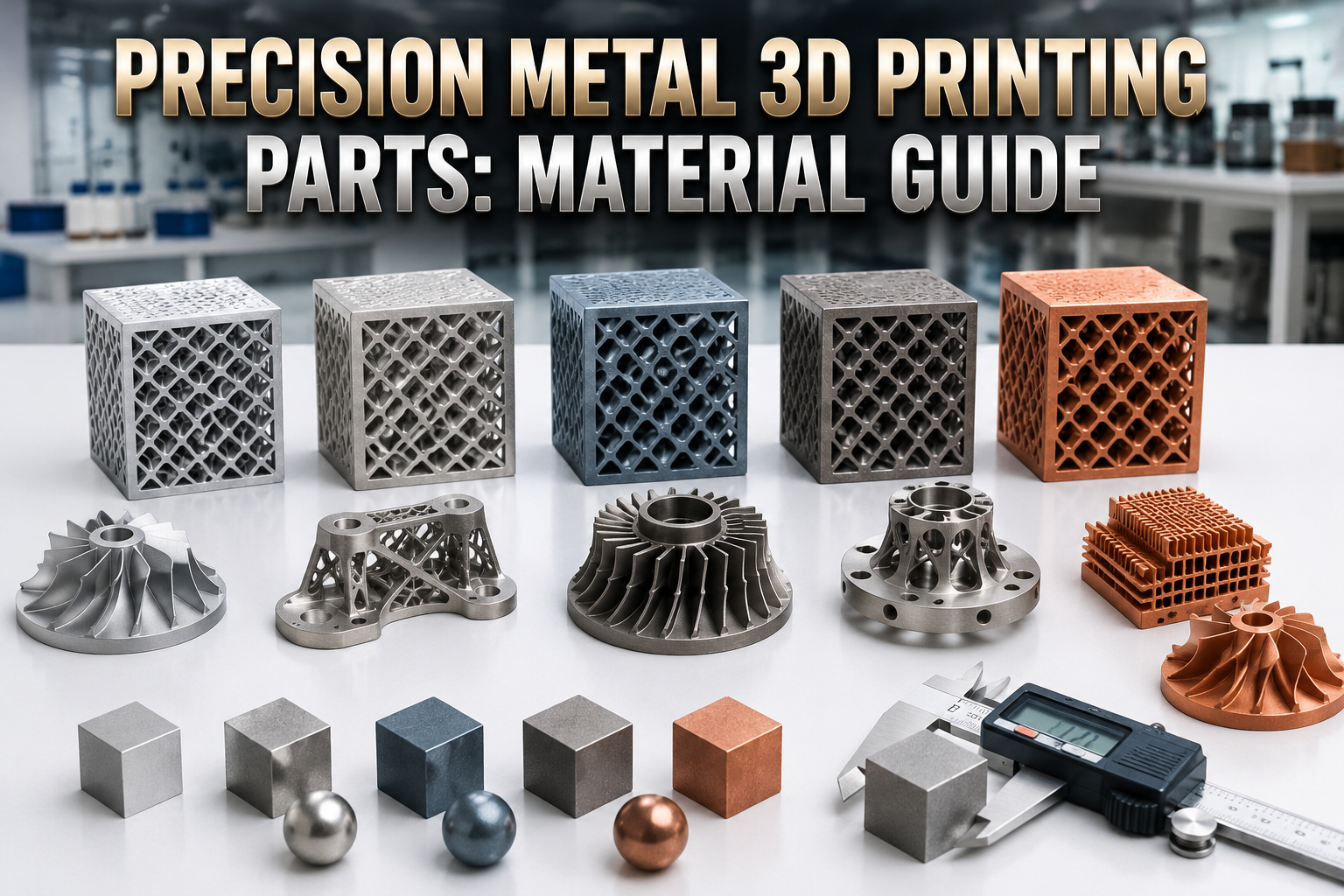
Conclusion
Successfully deploying metal additive components requires a balanced combination of metallurgy knowledge, precise layer controls, and high-accuracy CNC post-machining. Sourcing your custom components from an integrated, ISO 9001:2015 certified manufacturer ensures total material traceability and flawless assembly tolerances across all alloy grades. Explore our full manufacturing ecosystem at the Boraco Machining Homepage to optimize your production workflow.
Frequently Asked Questions
Raw metal additive processes yield a surface roughness of approximately 8 μm to 16 μm Ra due to partially fused powder particles. This texture is insufficient for mechanical fits or seals; therefore, CNC post-machining is required to achieve tight dimensional tolerances down to ±0.012 mm and smooth surface profiles.
The rapid heating and cooling cycles of the laser consolidation process introduce intense internal residual stresses within the metal matrix. If you machine the component without prior thermal stress relief, the localized removal of material will cause the part to warp or warp out of tolerance as those internal forces release.
Procurement professionals should prioritize suppliers holding third-party audited certifications like ISO 9001:2015 for quality management, alongside material compliance standards such as CE and RoHS directives. This ensures robust process consistency, complete material traceability, and repeatable component performance across high-volume batches.