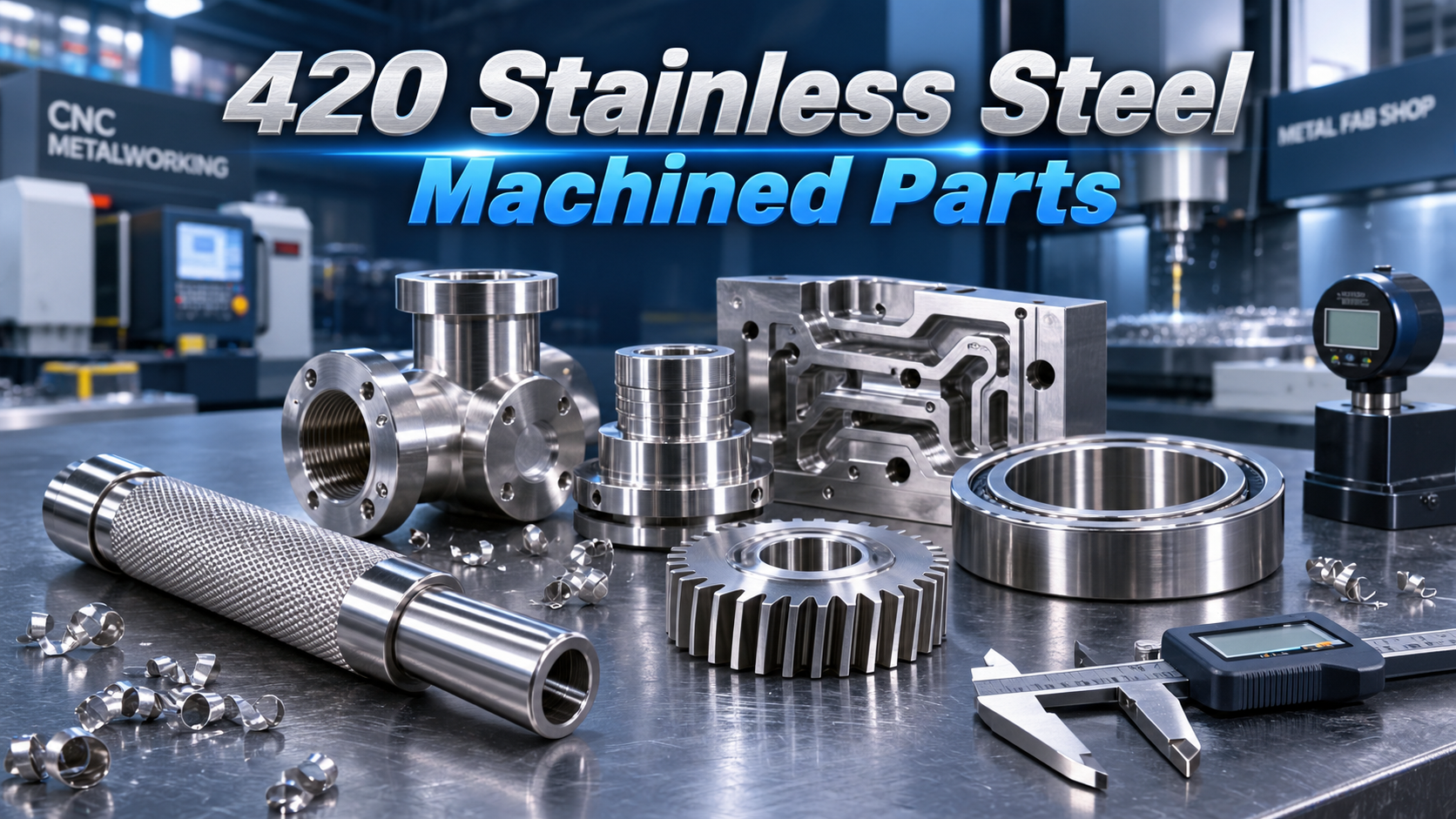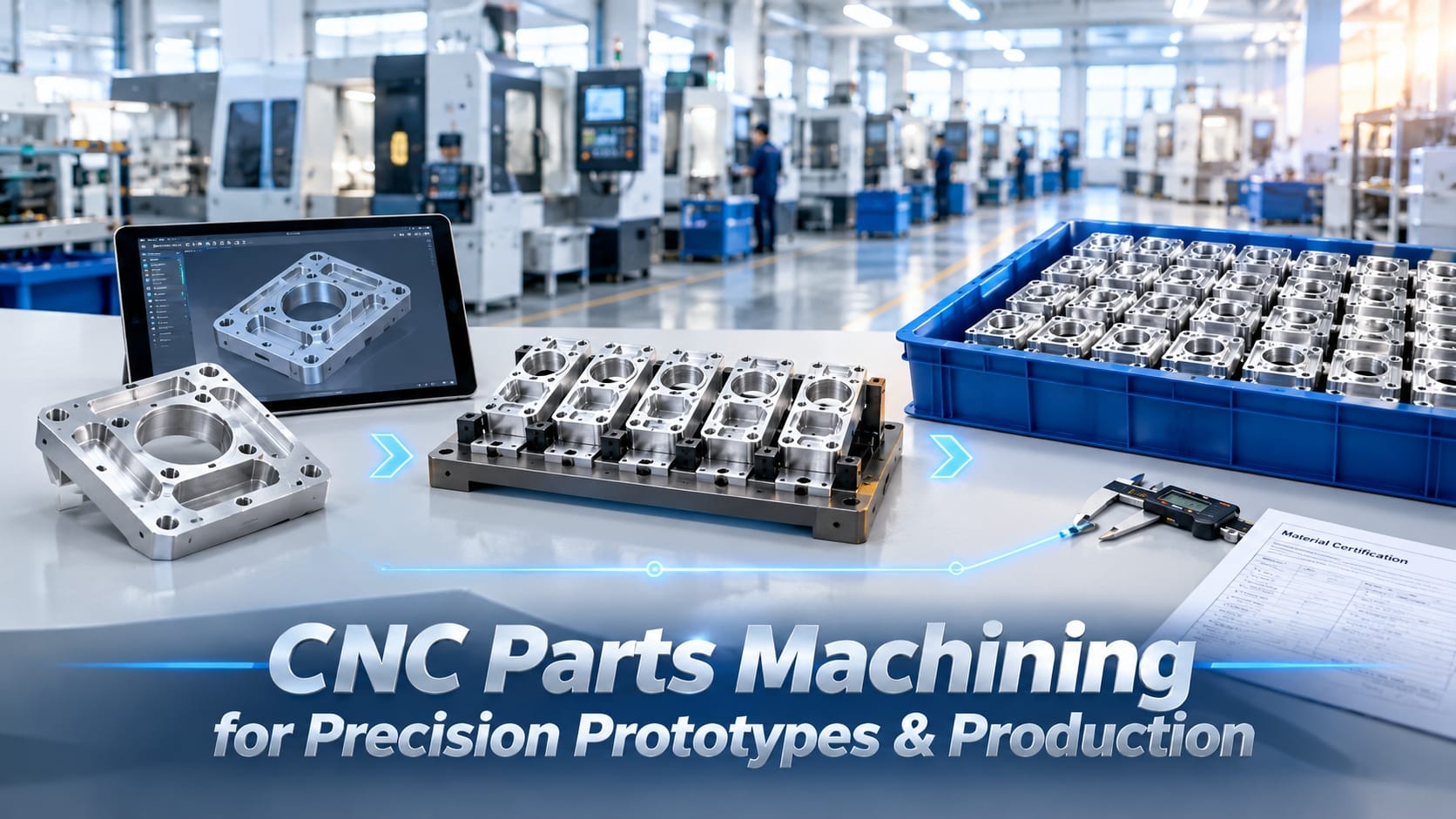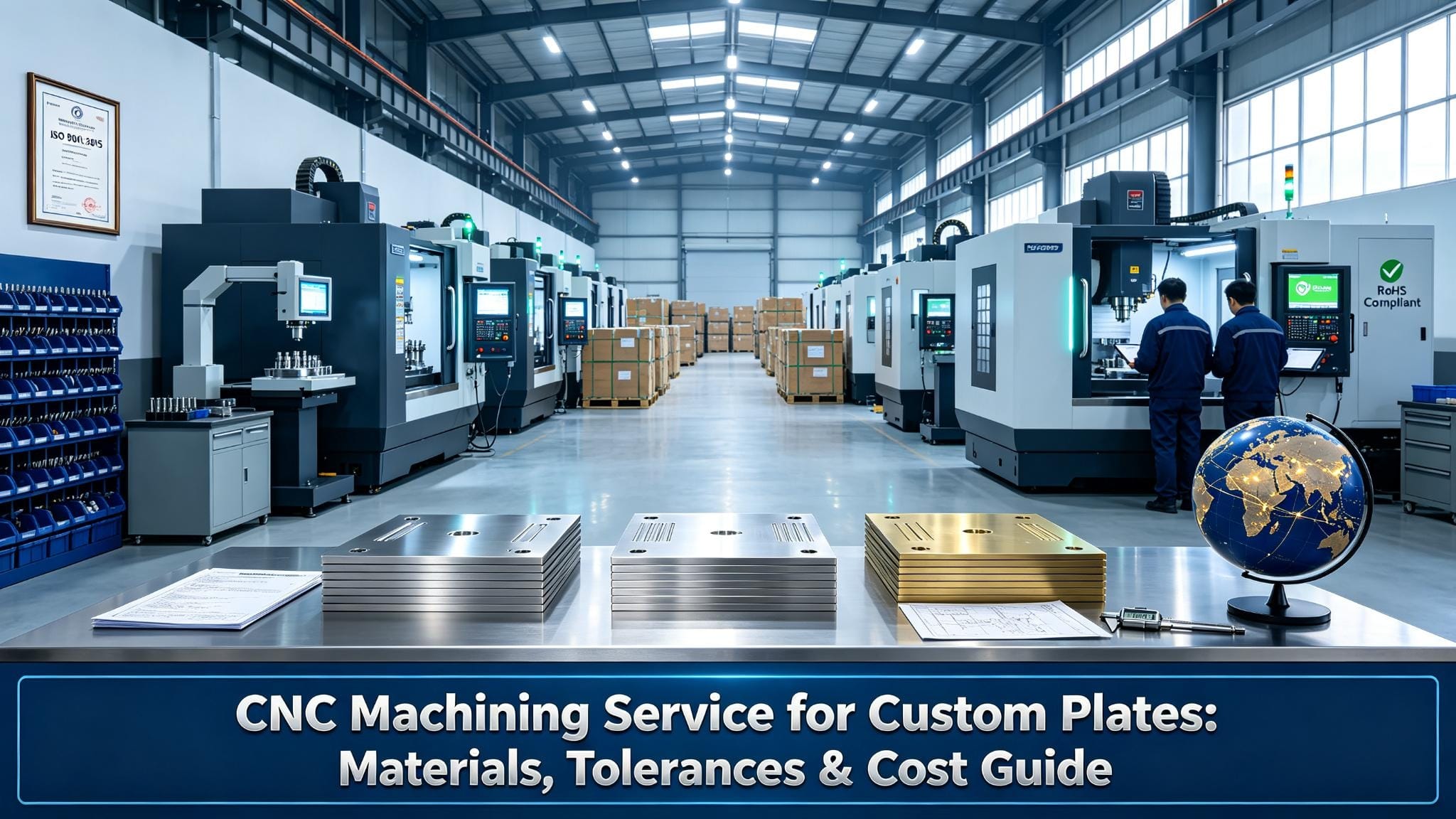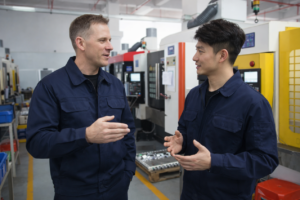
Sourcing reliable manufacturing components requires balancing tight geometric tolerances with cost-efficient logistics. This engineering guide details how leading industrial cnc cutter technologies eliminate structural variations, streamline supply chains, and optimize multi-material manufacturing runs for international procurement teams.
The Role of China CNC Machining Suppliers in Modern Supply Chains
Navigating global supply networks presents distinct challenges for industrial procurement managers and OEM design engineers. When scaling production from advanced prototypes to high-volume manufacturing, cross-border consistency remains a critical performance indicator. Partnering with certified china cnc machining suppliers provides a reliable path to access extensive machining capacity while maintaining rigid quality control metrics.
Modern manufacturing demands strict adherence to international quality management frameworks. By leveraging high-efficiency facilities in centralized manufacturing hubs like Dongguan, companies can achieve significant cost optimization without sacrificing dimensional accuracy. A reputable supplier utilizes integrated CAD/CAM workflows to ensure that original design geometries match physical output across thousands of consecutive production cycles.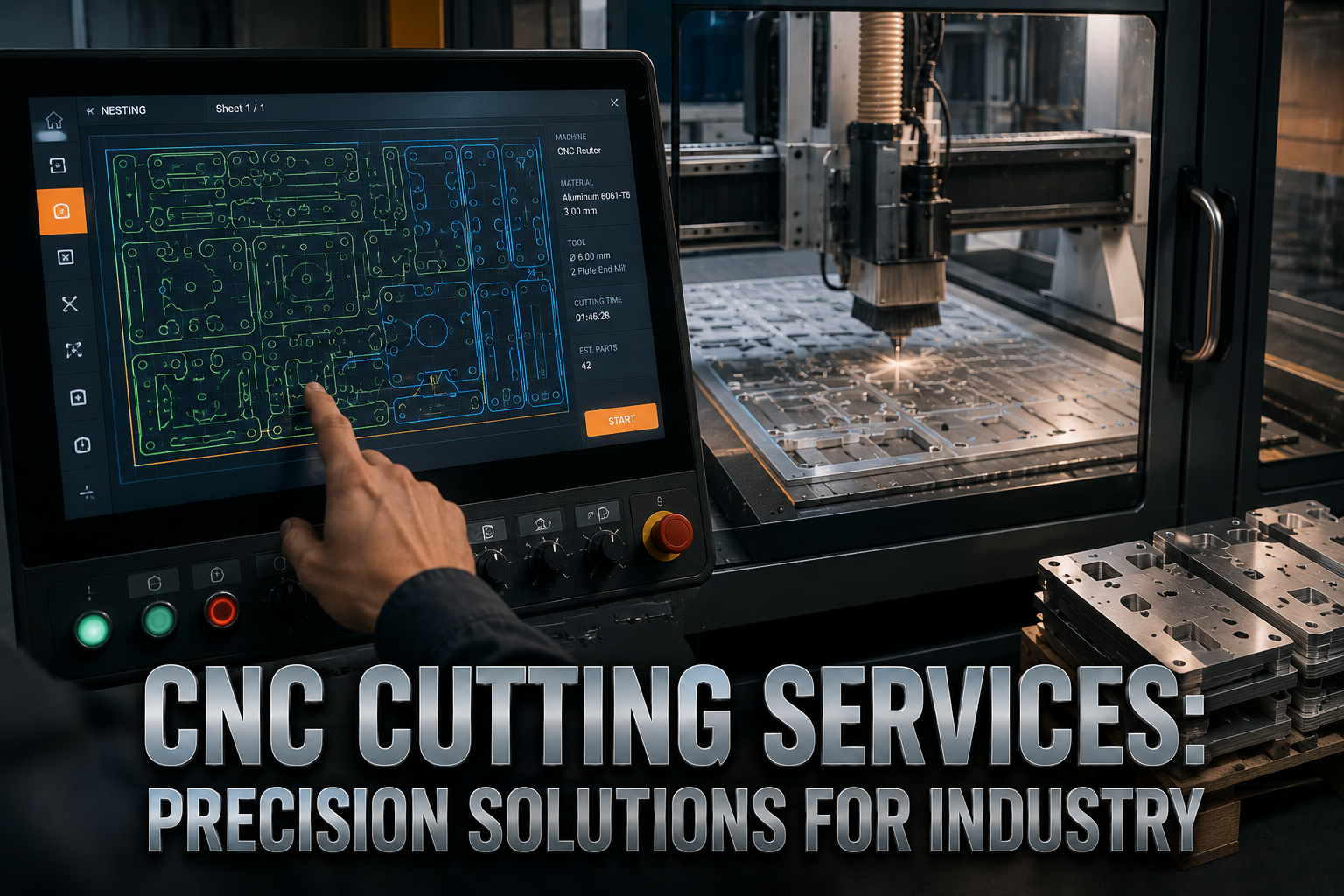
To establish long-term supply chain resilience, engineering teams must evaluate a vendor’s technical infrastructure alongside their raw material sourcing policies. Top-tier china machining enterprises reduce operational risks by maintaining strict heat-number traceability for raw metals and implementing automated in-process verification systems. This technical depth prevents batch variations and guarantees compliance with industry-specific quality requirements.
What is Machinability and How Does It Affect Tool Deflection?
Machinability is a relative property that defines how easily a specific raw material can be cut, shaped, or finished using machine tooling. It is determined by an integrated combination of material hardness, tensile strength, thermal conductivity, and microstructural uniformity. Materials with low machinability indices generate elevated friction and thermal stress at the cutting edge, resulting in rapid tool wear and structural tool deflection. In high-precision manufacturing, engineers must dynamically calculate precise feed rates, spindle velocities, and cutting fluid delivery systems to compensate for these material properties and maintain specified structural tolerances.
Industrial CNC Cutter Capabilities Across Diverse Material Substrates
Selecting the appropriate subtractive manufacturing process depends heavily on the physical properties of the designated substrate. An advanced industrial cnc cutter can manipulate a broad range of raw materials, provided the machine parameters are precisely calibrated to mitigate thermal deformation and mechanical stress. Achieving uniform edge quality across varied materials requires deep process expertise and rigid machine setups.
From complex non-ferrous profiling to specialized polymer shaping, matching the correct cutting method to the material class prevents surface scaling and micro-fracturing. The table below outlines standard technical parameters and tolerances achieved across standard industrial materials during stable production operations:
| Process Method | Material Class | Achievable Tolerance (mm) | Surface Finish (Ra, μm) | Typical Industrial Applications |
|---|---|---|---|---|
| CNC Aluminium Cutting | 6061-T6 / 7075-T6 Alloys | ±0.015 | 0.8 to 1.6 | Structural aerospace brackets, heat sinks |
| Steel Cutting Lasers | Carbon Steel / Stainless 316 | ±0.100 | 1.6 to 3.2 | Heavy industrial chassis, sheet panels |
| Acrylic Cut to Order | PMMA / Polycarbonate | ±0.050 | 0.4 to 1.2 | Optical displays, fluidic manifolds |
| Computer Wood Cutter | High-Density Fiberboard / Hardwood | ±0.200 | 3.2 to 6.3 | Industrial patterns, structural casting molds |
Maintaining these tight processing parameters requires substantial investments in advanced multi-axis machining technology. High-speed machining centers equipped with synchronized thermal compensation software allow manufacturers to execute high-volume runs without dimensional drift. This technical infrastructure is vital for high-stakes industries where component failure is not an option.
If your project involves multi-material assemblies or challenging geometrical profiles, our engineering group can provide a comprehensive Design for Manufacturing (DFM) assessment. Request a Detailed CNC Production Proposal Here.
Advanced CNC Cutting Services: Milling, Turning, and Multi-Axis Processing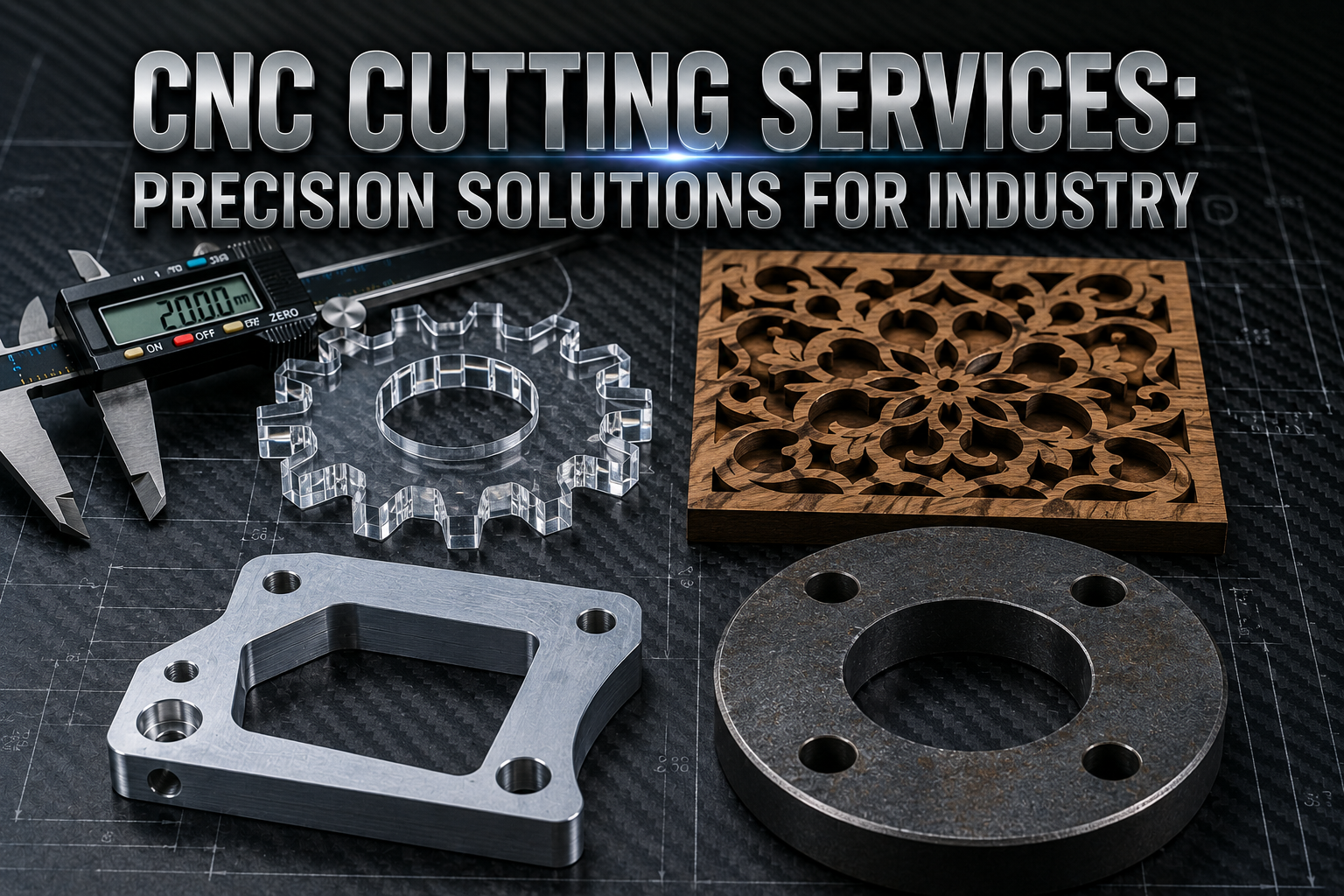
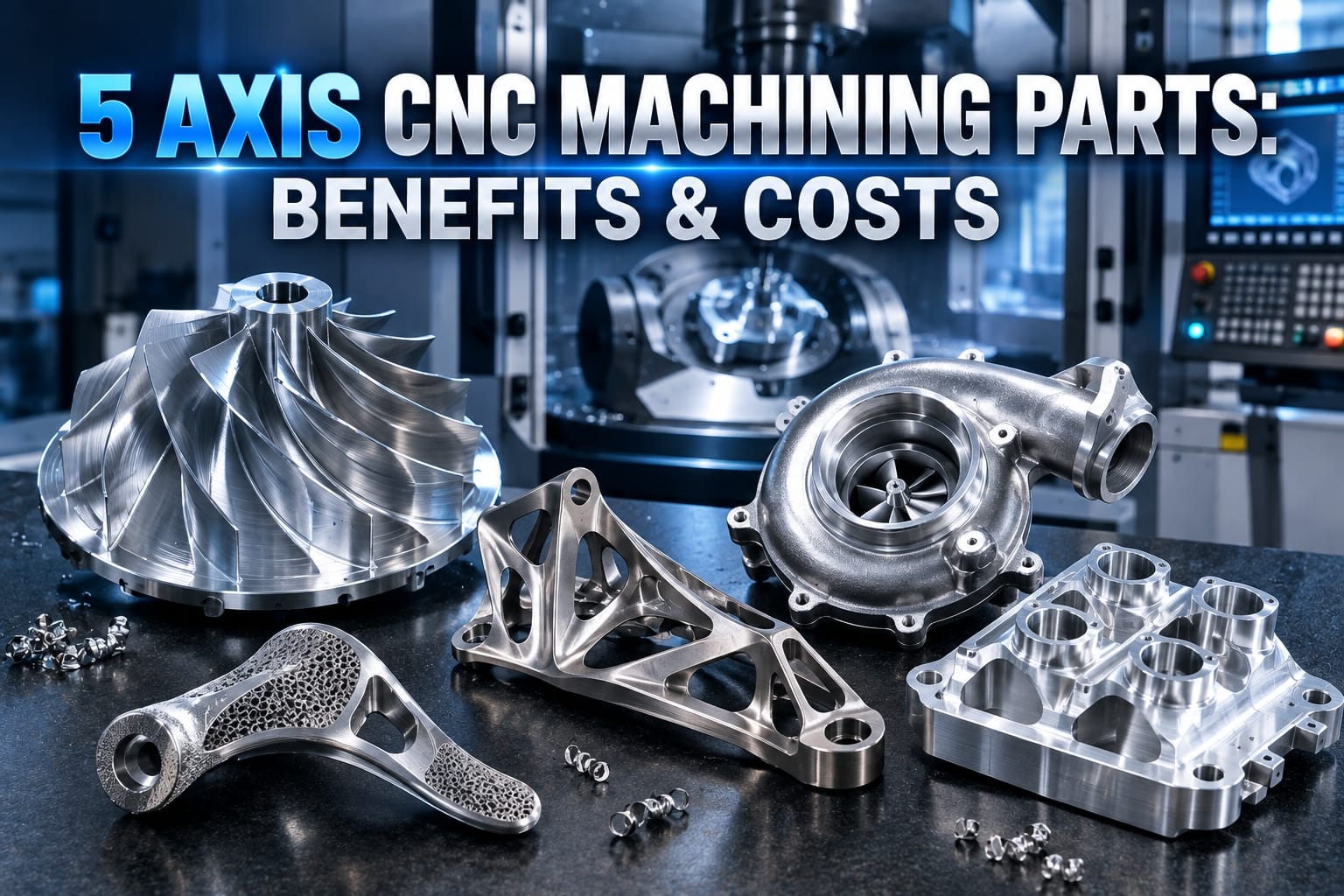
Modern manufacturing challenges require versatile processing strategies. Comprehensive cnc cutting services encompass distinct mechanical methods tailored to individual part profiles. While traditional 3-axis milling is efficient for prismatic components, complex organic geometries require the advanced kinematic capabilities of 4-axis and 5-axis continuous machining platforms.
Integrating turning and milling into single-setup turn-mill centers eliminates the errors introduced by manual part repositioning. This processing method is highly effective for maintaining strict concentricity and runout tolerances on cylindrical components with off-axis features. According to manufacturing benchmarks from the International Organization for Standardization (ISO), minimizing workholding interventions directly reduces cumulative geometric errors and accelerates production cycles.
Experienced china cnc machining suppliers integrate these advanced methodologies into standard workflows. By pairing skilled application engineers with automated toolpath optimization software, production facilities minimize cycle times and tool wear. This optimization allows manufacturing plants to pass the cost savings directly to the procurement customer, keeping production expenses manageable without compromising technical performance.
Thermal Processing Options: Laser Cutting and Laser Cut 3D Printer Hybrids
Subtractive manufacturing is frequently paired with thermal processing methods to optimize production efficiency. Utilizing high-efficiency steel cutting lasers allows manufacturers to profile complex flat patterns with high speed and minimal material waste. The localized thermal energy of a laser beam creates narrow kerf widths and smooth, burr-free edges that typically require no secondary finishing operations.
For complex architectural patterns or thick structural frames, industrial **laser cutting cutting** systems provide rapid throughput across high-yield metals. In advanced prototyping environments, combining these thermal cutting systems with a laser cut 3d printer setup allows engineers to validate complex multi-part models before committing to high-volume production tooling. This hybrid methodology reduces development risks and accelerates time-to-market schedules.
When implementing thermal processes, managing the Heat Affected Zone (HAZ) is essential to preserve the structural integrity of the substrate. Excessive thermal exposure can alter the grain structure of hardened steels and cause micro-cracking along cut lines. Top-tier production facilities use precise assist-gas control (such as high-purity nitrogen or oxygen) and advanced pulse-modulation parameters to minimize HAZ thickness and maintain optimal material characteristics.
Quality Assurance Frameworks and Metrology Infrastructure
A reliable manufacturing process requires verified measurement data to back up its quality claims. When evaluating a new manufacturing vendor for a **custom cnc** project, procurement teams should prioritize suppliers that hold current ISO 9001:2015 certifications and follow strict metrology protocols. This administrative and technical oversight ensures that non-conforming material is identified and isolated before shipment.
A certified quality control lab must use a variety of calibrated inspection assets to verify part dimensions, including:
- Coordinate Measuring Machines (CMM): Automated contact probes that map 3D spatial coordinates to confirm compliance with complex GD&T specifications.
- Optical Comparators & Vision Systems: Non-contact measurement systems optimized for rapid inspection of thin profiles and small custom laser cut wood or polymer components.
- Surface Roughness Testers: Stylus instruments that measure microscopic variations to confirm the part matches specified Ra surface finish limits.
- Thread and Plug Gauges: Hardened inspection tools used to verify internal and external thread pitch compliance on industrial fasteners and manifolds.
At Boraco Machining, we apply these rigorous quality management principles across our 2,000 square meter manufacturing plant in Dongguan, China. Our facilities feature advanced CNC milling, turning, and multi-axis machining setups that are fully certified to ISO 9001:2015, CE, and RoHS standards. This technical infrastructure allows our team to transition projects seamlessly from initial rapid prototyping through low-volume and high-capacity mass production.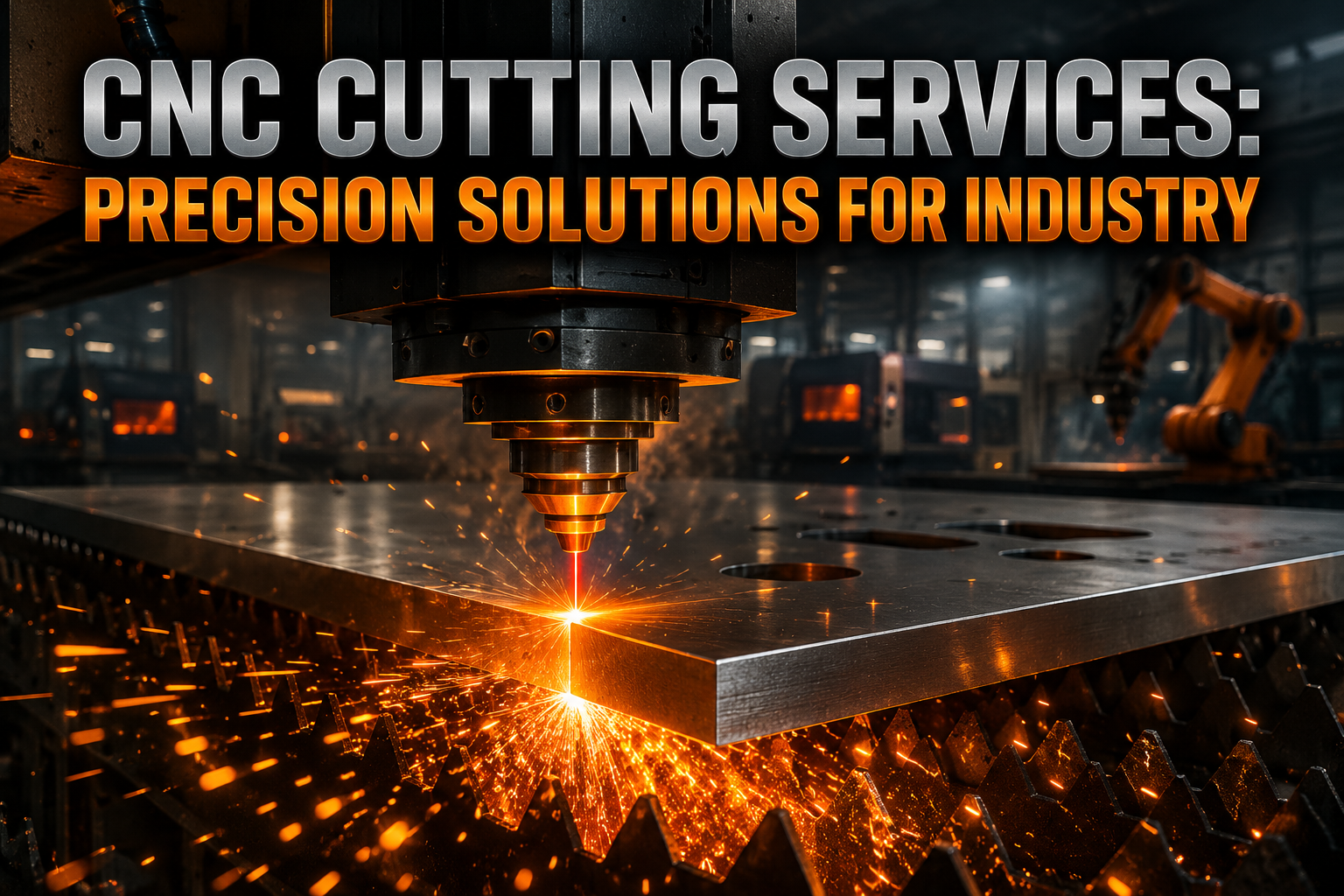
Looking to streamline your custom precision component sourcing? Submit your detailed 3D CAD files and technical drawings to our application engineers today for an optimized production quote. Connect With Our Engineering Department Now.
Frequently Asked Questions (FAQ)
What parameters distinguish high-precision CNC cutting from standard machining?
High-precision CNC cutting is distinguished by its ability to consistently hold tight tolerances below ±0.015 mm, control surface roughness down to Ra 0.8 μm or lower, and maintain precise geometric relationships across multiple axes. This requires advanced multi-axis machining centers, rigid workholding fixtures, dynamic thermal compensation, and climate-controlled metrology validation.
How do China CNC machining suppliers maintain raw material traceability?
Top-tier China CNC machining suppliers maintain material traceability through rigorous incoming inspection workflows. Every batch of raw material is cross-referenced with official Material Test Reports (MTR) and mill certificates provided by primary metal producers. These records are indexed with unique internal heat numbers and tracked through every production step to verify chemical composition and mechanical properties.
Why is DFM feedback essential when sourcing custom CNC parts?
Design for Manufacturing (DFM) feedback allows production engineers to identify geometries that are difficult or costly to machine before cutting begins. By optimizing internal corner radii, eliminating deep narrow pockets, and adjusting non-critical tolerances, DFM reviews help significantly reduce cycle times, prevent tool breakage, and lower overall component manufacturing costs.
What is the advantage of laser cutting compared to mechanical milling for thin metal panels?
Laser cutting offers significant advantages for thin sheet profiling, including much faster cutting speeds, reduced material waste from narrow kerf widths, and lower tooling costs since there is no mechanical cutter wear. It also eliminates the risk of part distortion or bending caused by mechanical clamping forces, making it ideal for thin, complex metal profiles.