What Is CNC Production Machining? Sourcing Guide
Sourcing high-tolerance parts at scale introduces serious technical risks, from geometrical deviations to quality fade. This technical overview clarifies critical parameters of cnc production machining, giving procurement professionals the metrics required to thoroughly evaluate capabilities, minimize lead times, and guarantee precision across high-volume supply chains.
The Foundations of CNC Production Machining and Automation
To construct a highly resilient supply chain, sourcing managers must understand what is cnc machining and how its execution alters when transitioning from low-volume rapid prototyping to scaled cnc production machining. At its fundamental level, a standard cnc machine utilizes digital commands to control subtractive tools, carving out components from solid stock. However, a scaled cnc production machining environment requires significant operational evolutions, shifting focus from raw programming to process stability, uptime engineering, and long-term repeatability.
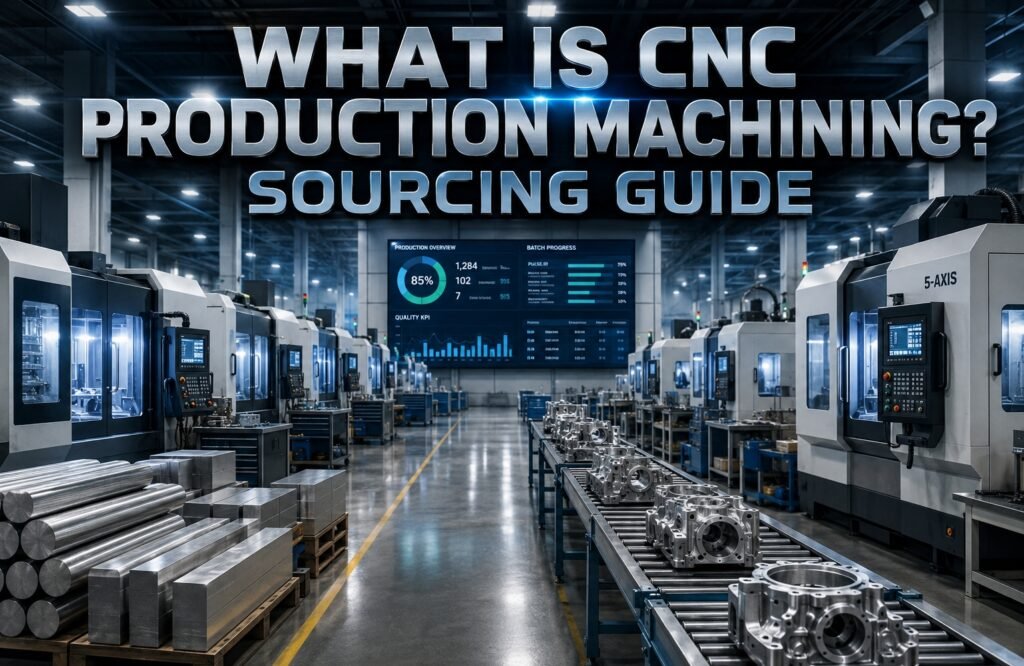
In small-batch environments, a simple standalone cnc machine may suffice. However, true cnc production machining commands an automated multi-axis cnc machining center engineered for uninterrupted execution. A production-ready cnc machining center utilized for high-throughput cnc production machining integrates heavy-duty structural frames with automated workholding—such as multi-station hydraulic tombstones and rapid pallet switchers. This configuration allows the spindle to maintain high utilization rates, directly reducing the total overhead amortized into each individual component.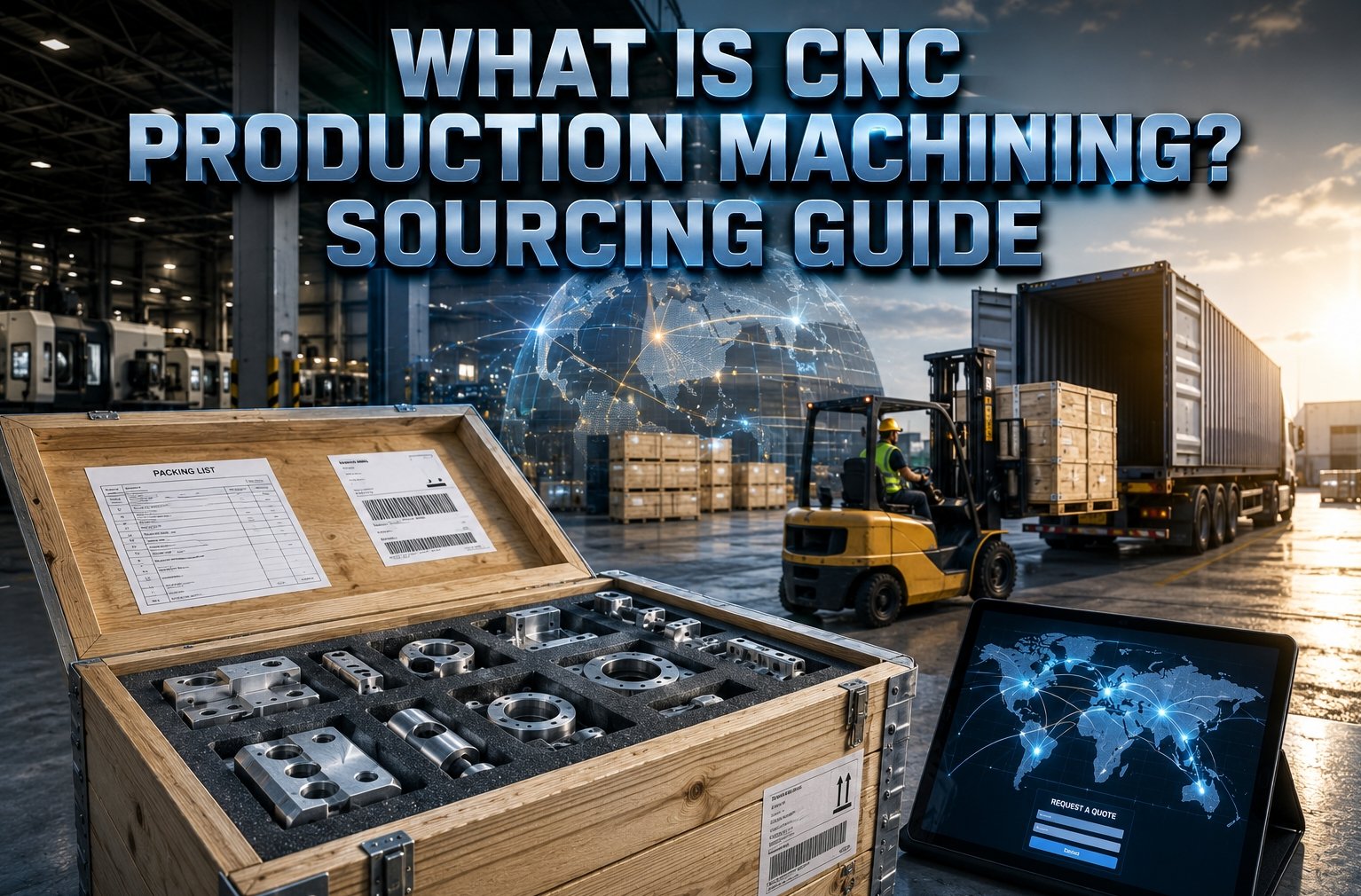
Furthermore, production reliability is structurally tied to shop-floor human capital. Maintaining tight tolerances across thousands of consecutive parts is impossible without standardized, highly technical cnc machining training programs for equipment technicians. Standardized cnc machining training ensures operators understand real-time cutting tool offset management, thermal expansion calibration, and statistical process control (SPC) workflows. When evaluating a supplier’s long-term capability, reviewing their internal operational culture through a transparent about page or engineering audit provides procurement teams with concrete evidence that the facility can mitigate tool drift and prevent dimensional deviations during long-run cnc production machining campaigns, safeguarding assembly schedules from disruptive line stoppages.
Technical Parameters: Precision Tolerances and Material Classifications
Sustaining exact dimensional consistency across multi-thousand-part orders requires an analytical understanding of material mechanics, structural tolerances, and finish topography. Within a cnc production machining framework, maintaining dimensional control depends heavily on matching material machinability with appropriate cutting tool feeds and speeds. For high-demand applications in sectors like industrial electronics and advanced automotive assemblies, specialized cnc precision machining operations are deployed to regularly secure linear tolerances as precise as ±0.010 mm.
When drafting detailed requests for quotes (RFQs) for complex custom cnc machining, procurement teams must analyze how raw materials behave under mechanical stress. For instance, aluminum 6061-T6 is an optimal choice for high-velocity cnc production machining due to its favorable chip-breaking properties and lower thermal impact on cutting tools. In contrast, machining tough alloys like 316L stainless steel requires high-torque spindles and specialized high-pressure through-spindle cooling systems to manage severe work hardening. Sourcing teams should cross-reference their design expectations with official standards established by organizations like the International Organization for Standardization to ensure tolerances match international precision manufacturing capabilities.
The technical reference data below highlights standard performance outputs expected from an optimized, high-precision cnc production machining configuration:
| Material Group | Common Grades | Tensile Strength (MPa) | Achievable Tolerance (mm) | Surface Finish (Ra, µm) |
|---|---|---|---|---|
| Aluminum Alloys | 6061-T6, 7075-T6 | 310 – 570 | ±0.010 to ±0.025 | 0.8 to 1.6 |
| Stainless Steels | 304, 316L | 515 – 620 | ±0.015 to ±0.030 | 0.4 to 0.8 |
| Alloy Steels | 4140, 1045 | 585 – 700 | ±0.012 to ±0.025 | 0.8 to 1.6 |
| Engineering Plastics | POM (Delrin), PEEK | 60 – 100 | ±0.030 to ±0.050 | 1.6 to 3.2 |
What is GD&T (Geometric Dimensioning and Tolerancing)?
Geometric Dimensioning and Tolerancing (GD&T) is a standardized engineering language comprised of symbols used on manufacturing drawings to explicitly define the allowable variations of geometric features. Unlike standard coordinate dimensioning, which builds traditional rectangular tolerance zones, GD&T defines explicit cylindrical or three-dimensional tolerance zones centered around absolute functional datums. In a strict cnc production machining setup, using GD&T parameters—such as True Position, Concentricity, and Flatness—guarantees that mating parts fit together perfectly during final assembly, regardless of minor dimensional fluctuations across different production batches.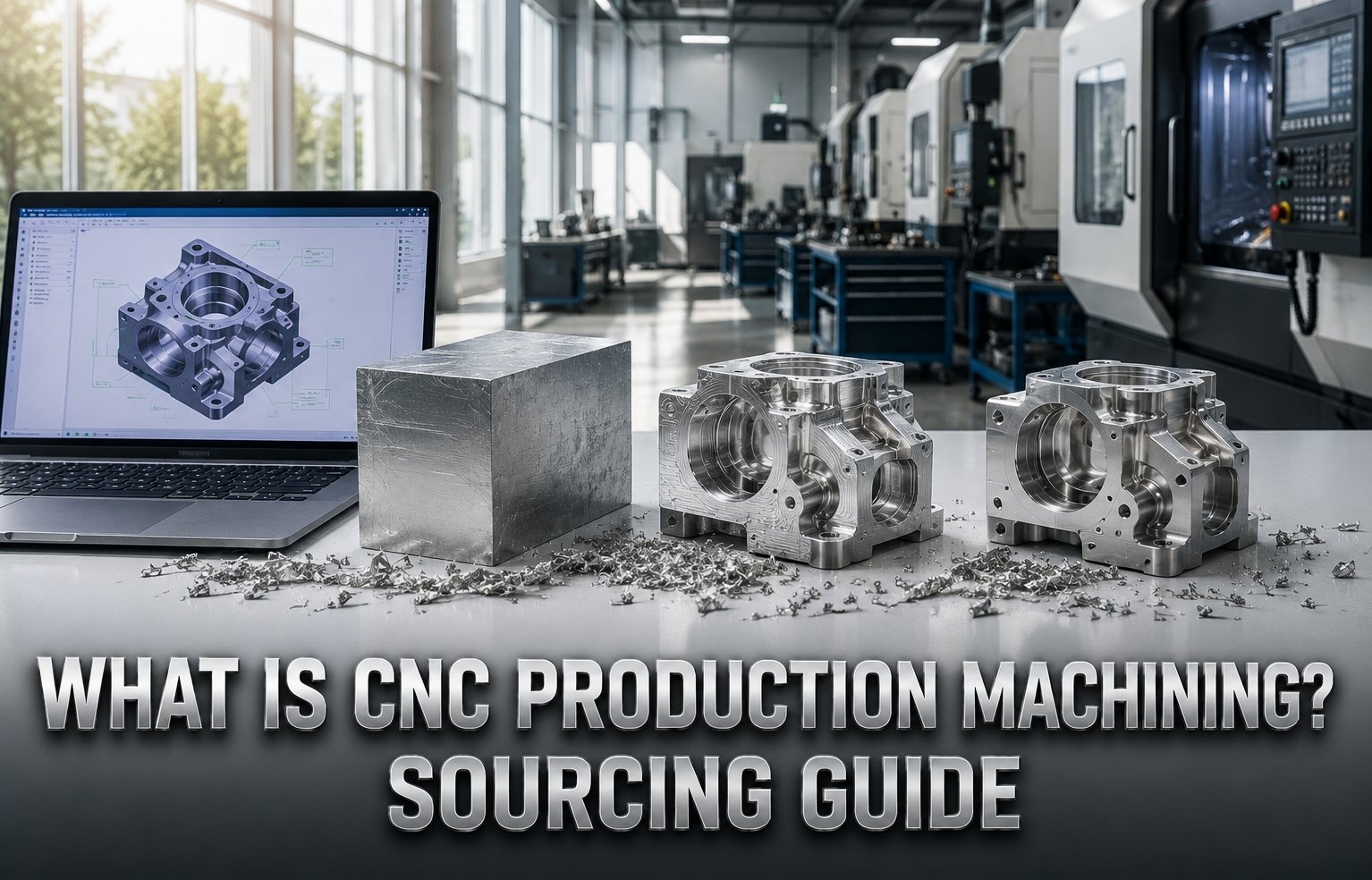
In high-volume cnc precision machining, maintaining a specific surface roughness (Ra) is crucial. As a tool wears down during an extensive cnc production machining campaign, micro-frictional heat increases, degrading the component’s surface finish. If an offshore supplier fails to track tool lifespans systematically during cnc production machining, surface degradation will occur, compromising mechanical integrity. Top-tier manufacturers utilize computerized tool management systems to proactively swap out worn tooling before surface finish degrades. Sourcing professionals should regularly request process capability index (Cpk) data during vendor onboarding. A Cpk value greater than 1.33 confirms that the factory’s cnc production machining line is statistically controlled, ensuring that every batch of custom cnc machining meets your quality requirements.
Multi-Axis Technologies: Maximizing Geometric Complexity and Accuracy
Intricate automotive structural parts and complex electronics enclosures present geometric features that are highly vulnerable to tracking errors if manufactured on legacy equipment. To prevent these quality risks, an advanced cnc machining service will typically deploy 4-axis and 5-axis continuous milling strategies. In high-volume cnc production machining, eliminating manual workpiece repositioning is the most reliable method for reducing tolerance stack-up errors and ensuring part uniformity.
Multi-axis cnc production machining setups enable the cutting tool to approach the raw material block from all structural directions simultaneously. This capacity eliminates the need for specialized manual fixtures, which frequently introduce operator error into a high-run cnc production machining program. For turned components with detailed off-axis cross-features, multi-tasking turning centers merge high-speed lathes with live-tool milling capabilities within a single cnc machine workspace. This design guarantees that concentricity between turned outer diameters and milled pockets remains perfectly aligned.
When sourcing high-volume custom cnc orders, procurement managers must partner with suppliers who focus on single-setup manufacturing architectures. By utilizing advanced multi-axis workflows, a high-performing cnc machining service can compress total cycle times by up to 40% while preventing the geometric deviations caused by manual part handling. Lowering per-part production costs on long-run cnc production machining programs gives sourcing specialists an efficient path to acquire competitive per-unit costs while preserving the absolute geometric dimensions demanded by internal product engineers.
Risk Mitigation and Strategic Sourcing from China Machining Suppliers
For original equipment manufacturers (OEMs), utilizing global supply lines is a proven method to manage structural production budgets. However, procuring components from offshore china cnc machining suppliers requires a systematic evaluation protocol to protect against quality fade and shipping delays. Sourcing managers must look past basic web listings and analyze objective capability markers, including ISO 9001:2015 certifications, material analysis labs, and formal metrology workflows before committing to a contract.
When planning a substantial cnc production machining project, buyers often initially look for a local cnc machining service near me due to fears of communication delays and geographic separation. While local machine shops are highly valuable for rapid turnaround prototyping, certified firms specializing in high-volume china machining offer significant scale advantages. Reliable overseas manufacturers bridge the geographical gap by providing dedicated, English-speaking technical project managers and transparent quality control data.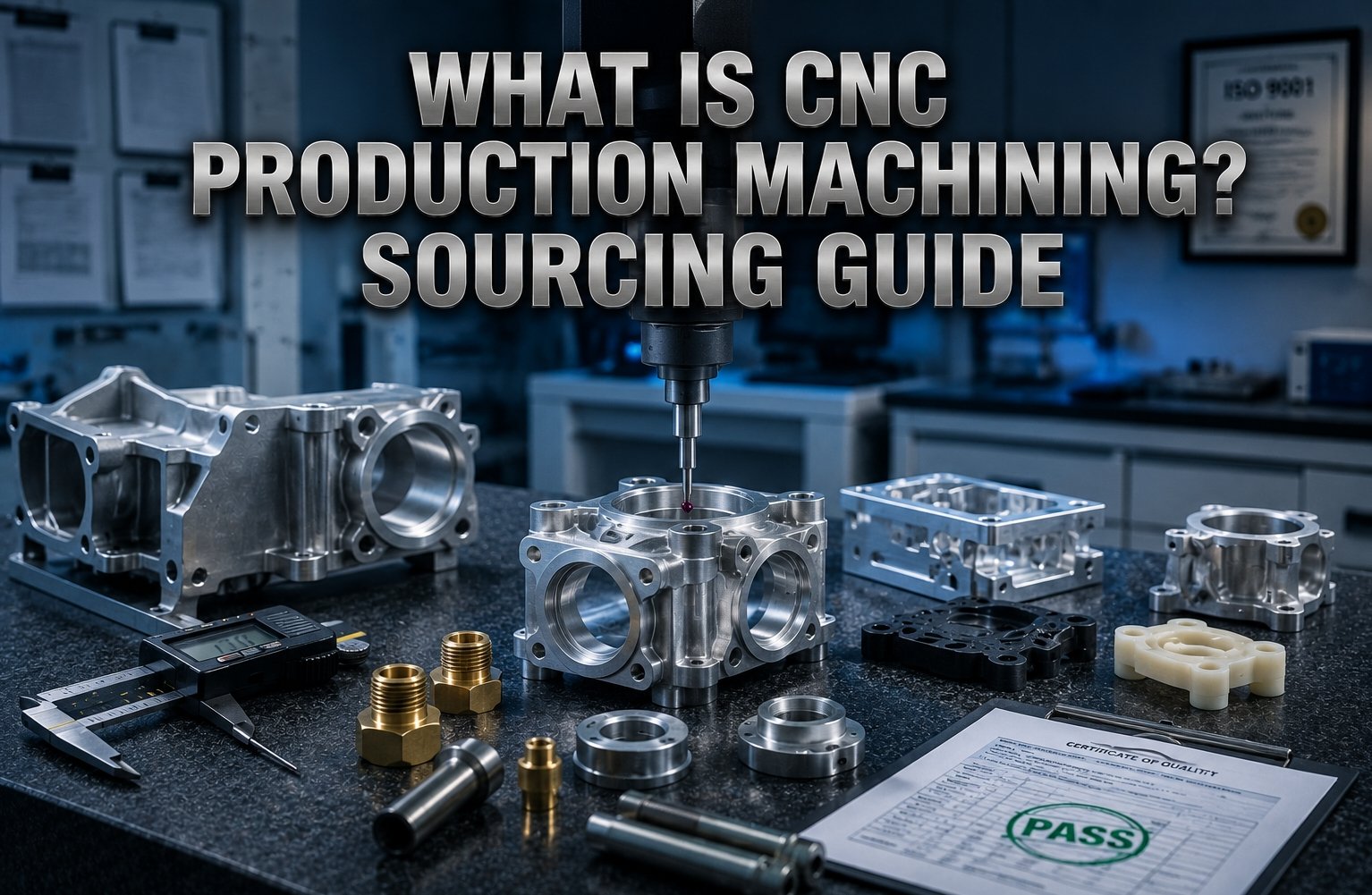
To fully evaluate potential china cnc machining suppliers, sourcing groups should demand complete material heat-number traceability logs and certified calibration reports for all quality testing equipment. Partnering with a large-scale manufacturer like Boraco Machining in Dongguan ensures that these rigorous parameters are strictly executed. Their 2,000 square meter plant operates with multi-axis milling and high-volume turning under strict ISO frameworks for cnc production machining. This deep technical capability ensures that choosing an offshore china machining partner does not mean compromising on precision, allowing procurement teams to achieve substantial cost savings while maintaining strict project timelines.
Scaling Seamlessly from Rapid Prototyping to High-Volume Production
The phase between validating a loose prototype and launching a full cnc production machining contract represents a critical step in product commercialization. Initial prototypes are typically designed to verify form and immediate function, without the structural efficiencies required for automated cnc production machining. To prevent ballooning unit costs during full-scale runs, the component geometry must be audited through a rigorous Design for Manufacturability (DFM) review. A professional cnc machining service should collaborate closely with engineering teams to optimize features and minimize cycle times before volume tooling is locked in.
During the initial stages of custom cnc machining, minor geometric updates yield massive cost reductions when multiplied across thousands of units. For instance, modifying sharp internal corners to match standard tool radii allows milling cutters to process profiles at higher feed rates without risking deflection or tool failure. Additionally, limiting excessive thread depths and shortening deep, narrow internal pockets reduces tool wear and cuts total processing cycles within the cnc machining center. These subtle design refinements are vital for automated cnc machining services to maintain optimal cost-efficiency.
For strategic sourcing security, selecting a single-source manufacturing partner capable of managing everything from initial rapid prototyping to full-volume cnc production machining runs minimizes technical transfer errors. This operational continuity ensures that the manufacturing insights gathered during early custom cnc machining trials are permanently retained. These insights are directly applied to the final high-volume production fixtures and CNC programs, preventing costly tooling re-designs and significantly accelerating your overall time-to-market.
Quality Assurance Protocols and Metrology in Production Workflows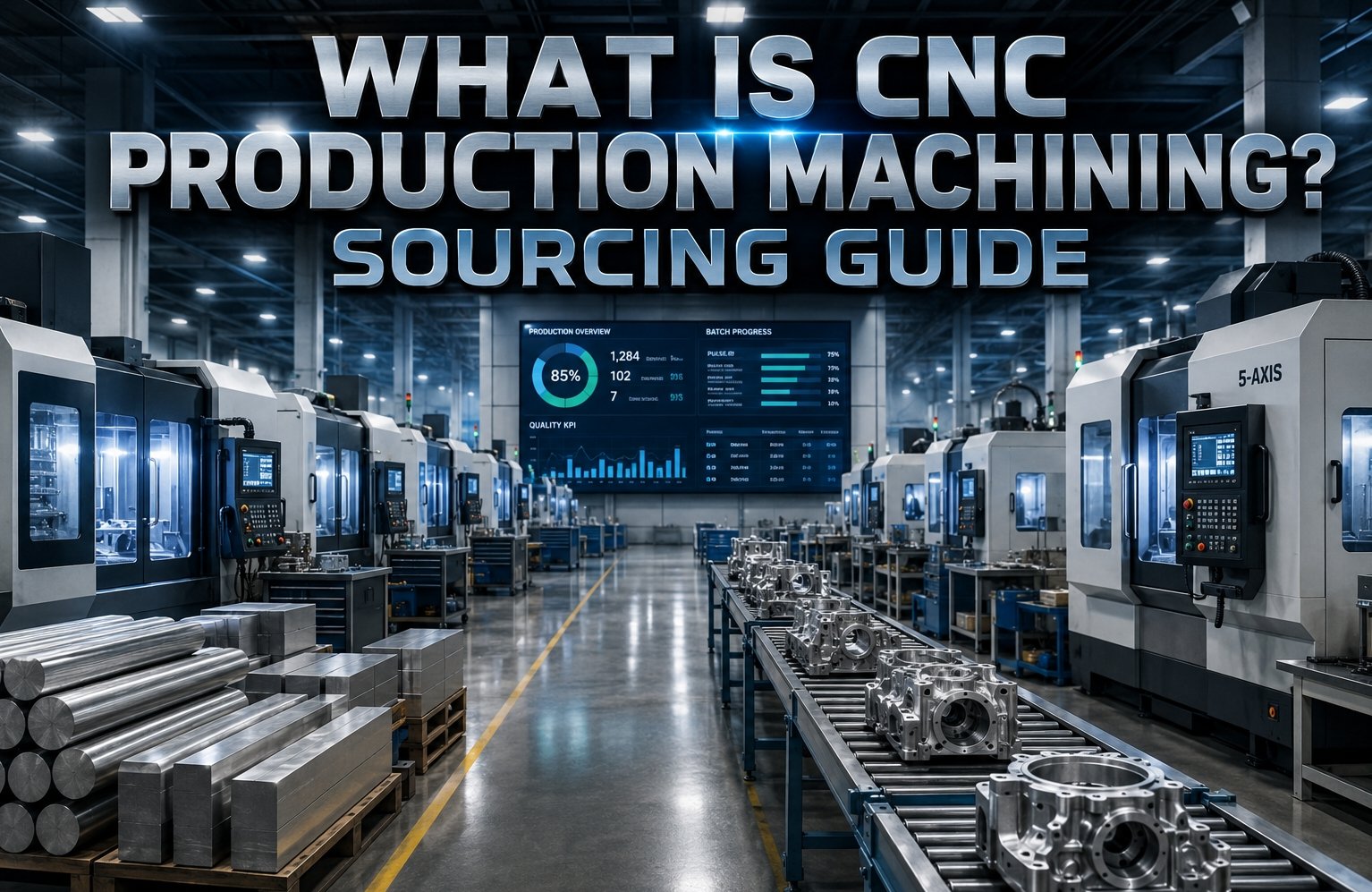
A successful cnc production machining program is defined by its quality control framework. Maintaining dimensional integrity across extensive production lots requires automated, inline metrology tools alongside traditional post-production inspection. High-volume cnc production machining lines utilize automated probing systems mounted directly inside the machine spindle to verify part dimensions before the component is un-fixtured. This inline verification allows for instantaneous tool offset corrections, preventing defect propagation.
In addition to inline testing, a professional cnc machining service operates an isolated, climate-controlled quality lab equipped with coordinate measuring machines (CMM), optical comparators, and surface profilometers. For complex geometries produced via custom cnc machining, CMM scanning provides a precise three-dimensional evaluation against the original CAD model. Procurement managers should look for suppliers who provide comprehensive inspection documentation, including First Article Inspection (FAI) reports and material test reports (MTR) verifying alloy chemistry.
By enforcing strict quality assurance loops throughout a high-volume cnc production machining campaign, manufacturers ensure that every shipped component conforms to print specifications. Sourcing teams should prioritize partners who combine robust production capacity with transparent inspection tracking, ensuring that your outsourced cnc precision machining requirements are consistently fulfilled without requiring continuous buyer oversight.