Mechanical and Thermal Evaluation of Metal Machining Core Alloys
Industrial applications demand strict adherence to mechanical property boundaries. Selecting the appropriate metal alloy requires deep consideration of yield strength, thermal conductivity, and structural stability under load. When engineering custom components, understanding how these metals behave under subtractive stress is just as critical as choosing a polymer for a cnc custom plastic structural housing.
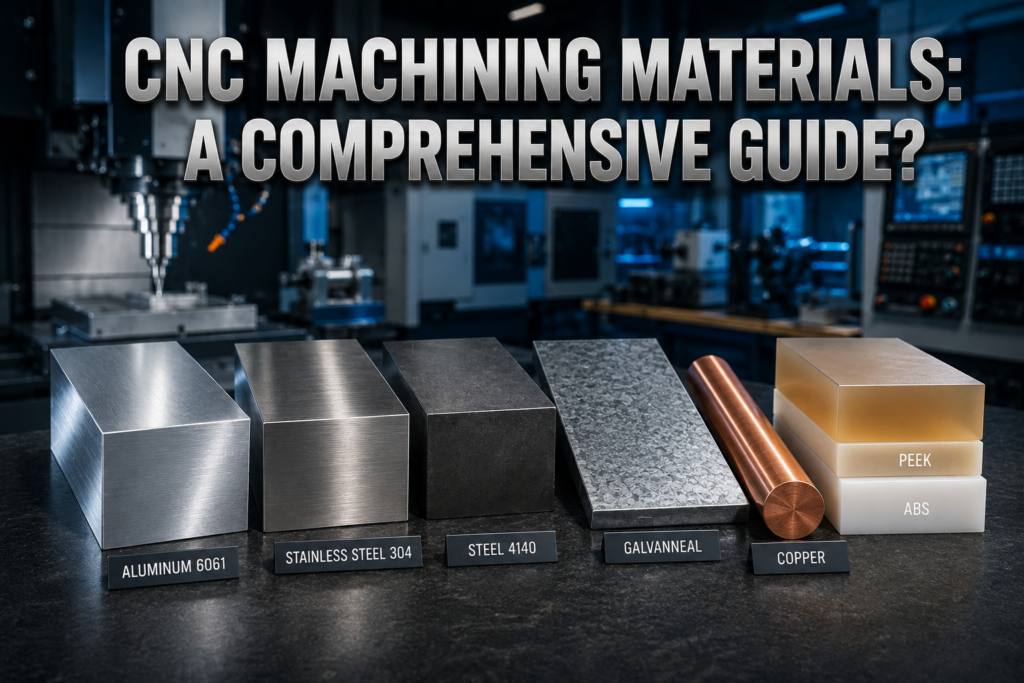
High-speed Aluminum machining remains an essential pillar of the electronics and automotive sectors. Aluminum 6061-T6 provides an exceptional strength-to-weight ratio, excellent corrosion resistance, and superb thermal conductivity. For highly stressed structural components, Aluminum 7075-T6 delivers yield strengths surpassing many structural steels ($≥500$ MPa), though it exhibits lower chemical resistance. These lightweight metals allow high-feed rates during manufacturing, reducing overall cycle times compared to denser alloys.
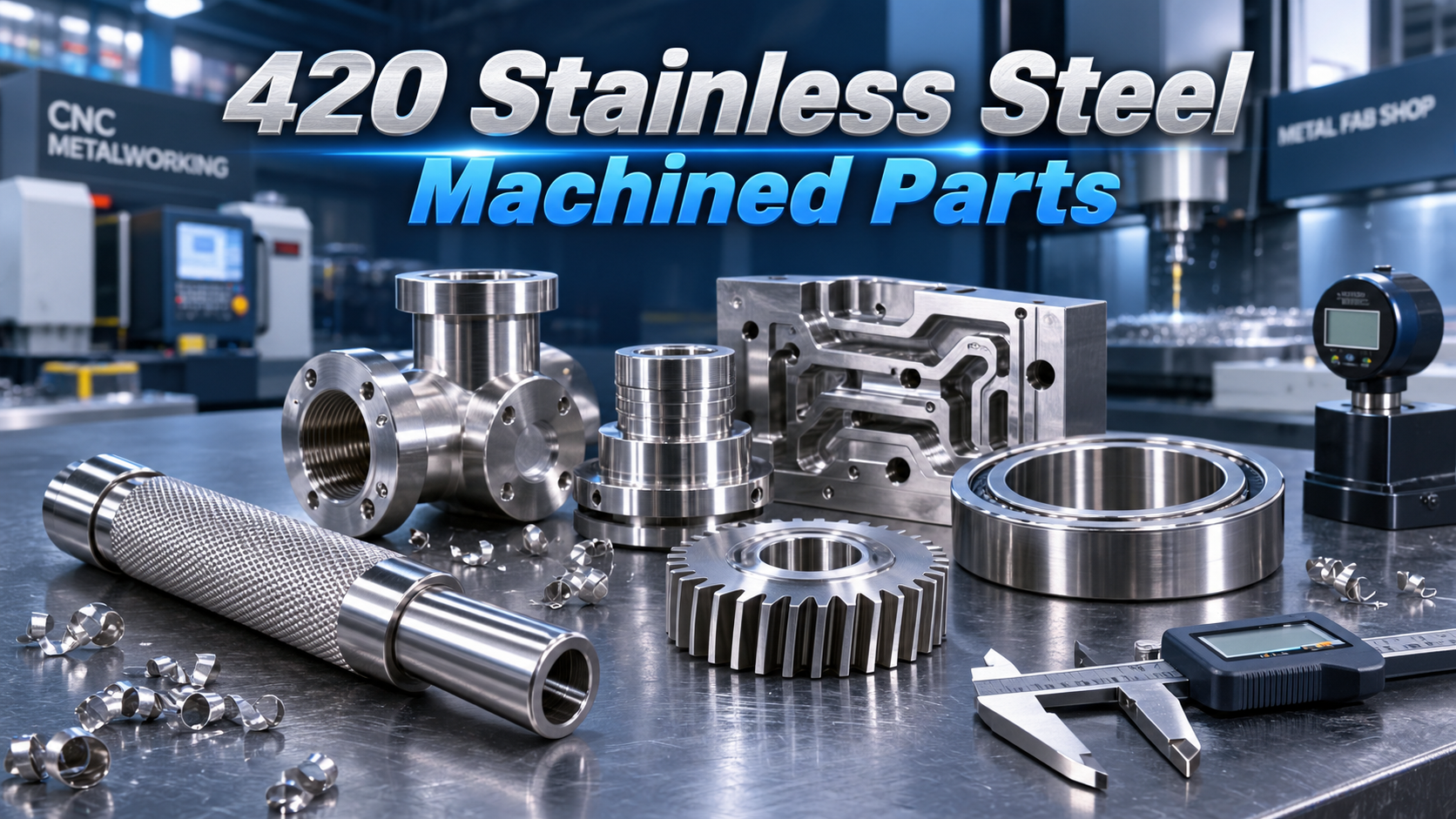
For corrosive environments or high-temperature applications, engineers depend on heavy-duty Stainless Steel machining. Grade 304 stainless steel offers excellent formability and oxidation resistance, making it ideal for fluid systems. However, Grade 316 stainless steel includes molybdenum, which prevents pitting in marine or medical environments. Processing these alloys requires robust setups to mitigate work-hardening risks. Implementing rigid fixtures and specialized carbide tooling prevents tool deflection and guarantees micro-level accuracy.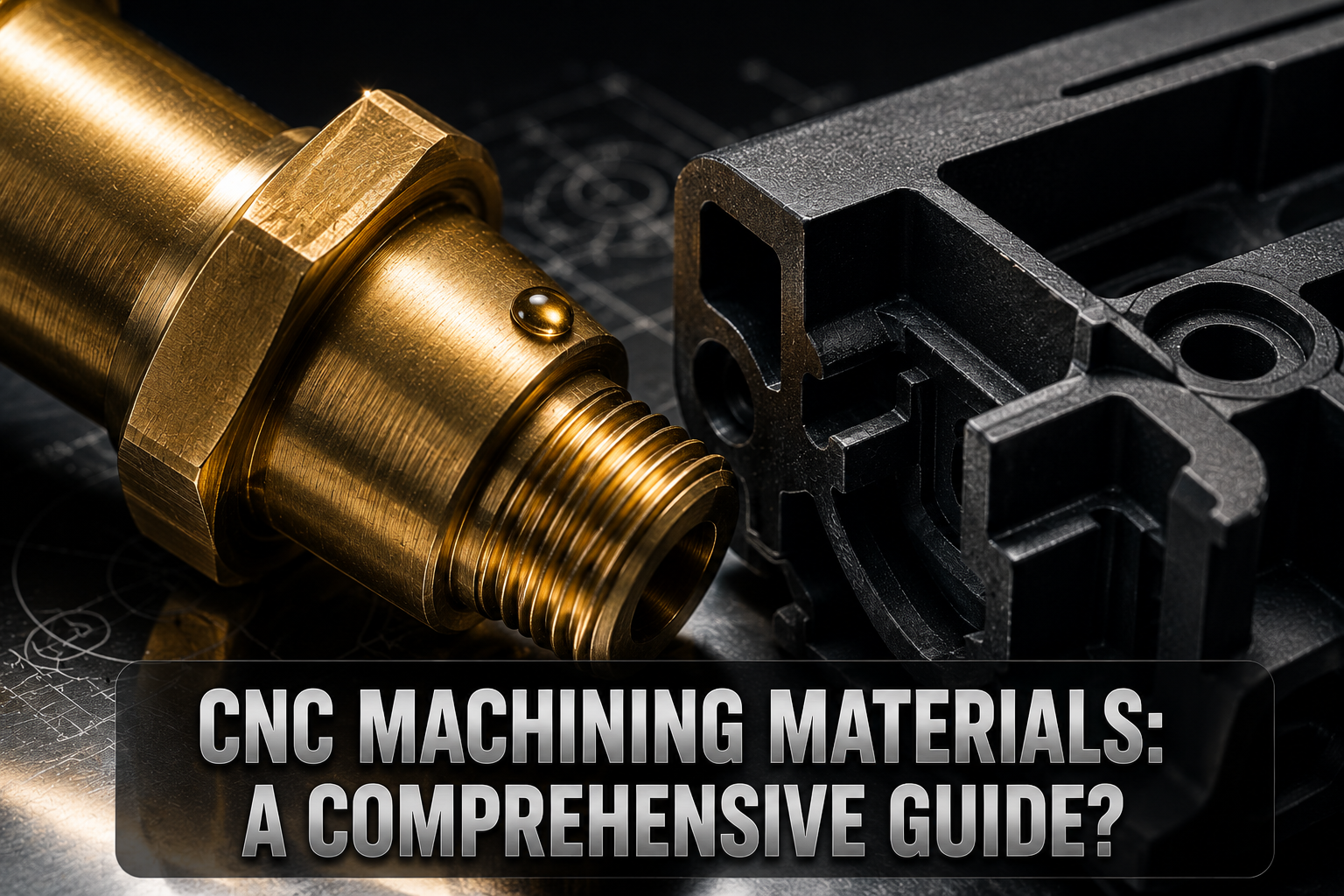
When raw strength is the primary design metric, structural Steel machining is mandatory. Low-carbon steels like AISI 1018 provide excellent weldability and case-hardening flexibility, whereas medium-carbon alloys like AISI 4140 deliver exceptional fatigue strength for shafts and gears. Whether you are executing complex milling on high-carbon alloys or prototyping a specialized cnc custom plastic alignment block, maintaining thermal stability at the tool-workpiece interface is essential to preventing micro-cracking and dimensional drift.
Specialized Metallurgy: Galvanneal and Copper in Industrial Assemblies
Beyond standard structural alloys, specialized electrical and environmental applications require niche metallic materials. Precision Galvanneal machining provides a unique solution for components requiring exceptional corrosion resistance combined with optimal paintability. Galvanneal sheets undergo a specialized heat-treatment process after hot-dip zinc coating, creating a zinc-iron alloy layer. This layer prevents flaking during complex cutting and forming operations, rendering it ideal for automotive body structures and heavy industrial enclosures.
For thermal management and electrical conductivity, high-purity Copper machining is indispensable. Alloy C101 (Oxygen-Free Electronic Copper) features an electrical conductivity rating of 101% IACS, making it the primary raw material for busbars, heat sinks, and electrical contacts. Machining pure copper presents unique challenges due to its high ductility and stickiness, which can lead to built-up edge (BUE) on cutting tools. Machinists must utilize sharp rake angles and high-pressure fluid delivery to ensure proper chip evacuation.
Integrating these specialized metals into assemblies alongside a cnc custom plastic spacer or insulator requires absolute geometric control. Thermal expansion differentials between copper and engineering polymers can introduce significant internal stresses if unmanaged. Therefore, sourcing multi-material components from an integrated provider that understands both specialized metallurgy and cnc custom plastic processing is critical to avoiding field failures in complex electronics enclosures.
Engineering Polymers: The Technical Nuances of Plastic Machining
While metals provide high absolute strengths, modern engineering polymers deliver lightweight, self-lubricating, and chemically inert alternatives. Industrial-grade Plastic machining has advanced beyond basic prototyping into the mass fabrication of functional end-use parts. Polymers behave differently than metals under mechanical forces, necessitating specialized workholding and cutting strategies to maintain strict part tolerances.
When sourcing a high-performance cnc custom plastic component, selecting the exact polymer grade determines the part’s operational lifecycle. Polyoxymethylene (POM or Delrin) is highly favored for mechanical gears and slide bearings due to its excellent dimensional stability and low friction. For extreme thermal environments, Polyetheretherketone (PEEK) maintains its structural properties at continuous operating temperatures up to 250°C. Utilizing a specialized cnc custom plastic approach with PEEK allows engineers to replace heavy metal components in aerospace fluid lines and medical instrumentation.
What is Machinability?
Machinability is a comprehensive engineering metric that quantifies how easily a material can be cut while maintaining an acceptable surface finish and maximizing tool life. It integrates variables such as cutting force, material hardness, thermal conductivity, and chip formation. Metals with high machinability, like Brass C360, require minimal power and produce clean, predictable chips. Polymers processed in a cnc custom plastic workflow exhibit high machinability but possess low thermal conductivity, meaning frictional heat must be managed via rapid feed rates and specialized tool geometries to prevent material melting.
Executing successful cnc custom plastic operations requires deep knowledge of polymer behavior. Unlike metals, plastics feature high coefficients of thermal expansion and low elastic moduli. If a shop clamps a thin-walled cnc custom plastic sleeve with excessive force, the component will deform during cutting and spring back out-of-tolerance once released. For this reason, professional polymer fabricators implement light clamping pressures, sharp cutting edges, and optimized spindle speeds to deliver pristine, burr-free geometries.
Tolerance Mapping and Surface Finishes Across Material Classes
Achieving absolute geometric dimensioning and tolerancing (GD&T) requires matching the component’s geometry with the inherent material limits. A design team cannot expect a flexible cnc custom plastic manifold to hold the same ultra-tight tolerances as a rigid stainless steel core. To maintain assembly compliance, procurement managers must evaluate the realistic manufacturing thresholds of each material class.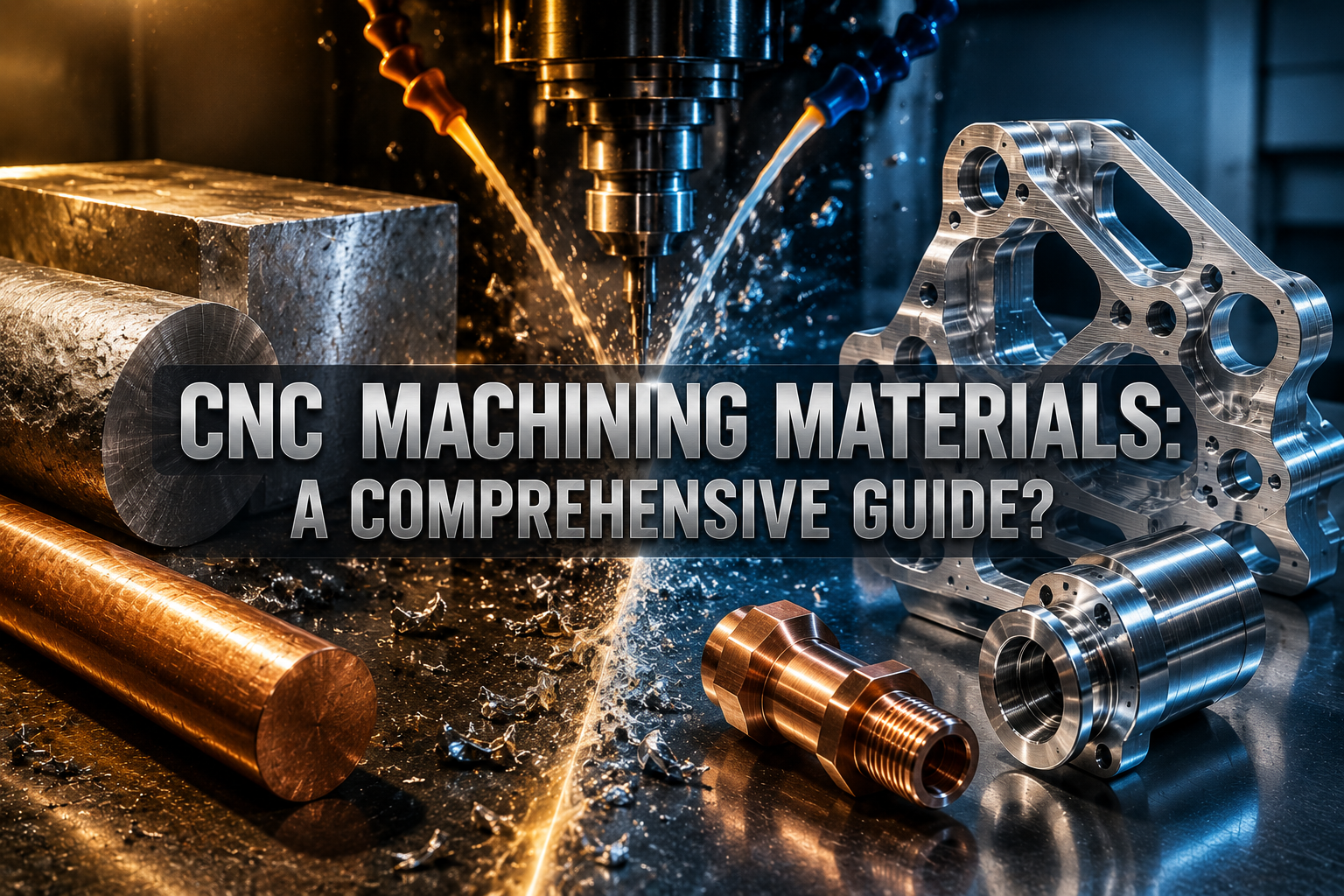
To verify compliance across international benchmarks, engineers often reference dimensional limits established by organizations like the International Organization for Standardization (ISO). While high-speed multi-axis mills can easily hold sub-micron accuracy on aluminum structures, polymer components require greater dimensional allowance due to internal stress relief. The table below outlines the standard industrial tolerances, typical surface roughness values, and mechanical boundaries across various material categories:
Stainless Steel 316±0.015 mm0.4 Ra580 MPaMarine Hardware, Medical Instruments
| Material Designation | Achievable Tolerance (mm) | Surface Finish ($R_a$ μm) | Tensile Strength (MPa) | Primary Industrial Application |
|---|---|---|---|---|
| Aluminum 6061-T6 | ±0.012 mm | 0.8 Ra | 310 MPa | Electronics Enclosures, Structural Frames |
| Alloy Steel 4140 | ±0.018 mm | 0.8 Ra | 655 MPa | High-Torque Shafts, Industrial Gears |
| Delrin (POM) Polymer | ±0.035 mm | 1.6 Ra | 70 MPa | Precision Bushings, Fuel System Valves |
| PEEK High-Performance | ±0.030 mm | 1.2 Ra | 100 MPa | Aerospace Insulators, Semiconductor Matrixes |
Controlling surface roughness is critical for components destined for dynamic seals or high-voltage applications. While standard metal milling routinely achieves smooth, reflective profiles, delivering an equivalent finish on a cnc custom plastic insulator requires optimized face-milling strategies. Sourcing teams should audit their supplier’s metrology lab to confirm that instruments are calibrated to accurately measure surface metrics on both dense metals and compliant cnc custom plastic substrates.
Strategic Sourcing: Navigating China CNC Machining Suppliers
Optimizing a global product launch requires balancing raw manufacturing capability with long-term financial feasibility. Many international OEMs rely on experienced china machining infrastructure to scale their production runs from low-volume prototypes to mass market quantities. However, identifying the ideal partner among thousands of competing china cnc machining suppliers requires evaluating systemic quality control over basic piece-price estimates.
A qualified partner must possess an integrated manufacturing floor capable of managing multi-material bills of materials (BOMs). Whether your project requires high-speed aluminum housings, complex steel components, or specialized cnc custom plastic internal isolators, utilizing a single vendor minimizes assembly verification risks. Sourcing teams can review the comprehensive capabilities of an established provider by exploring our precision cnc machining service portal, where we handle diverse materials under unified quality frameworks.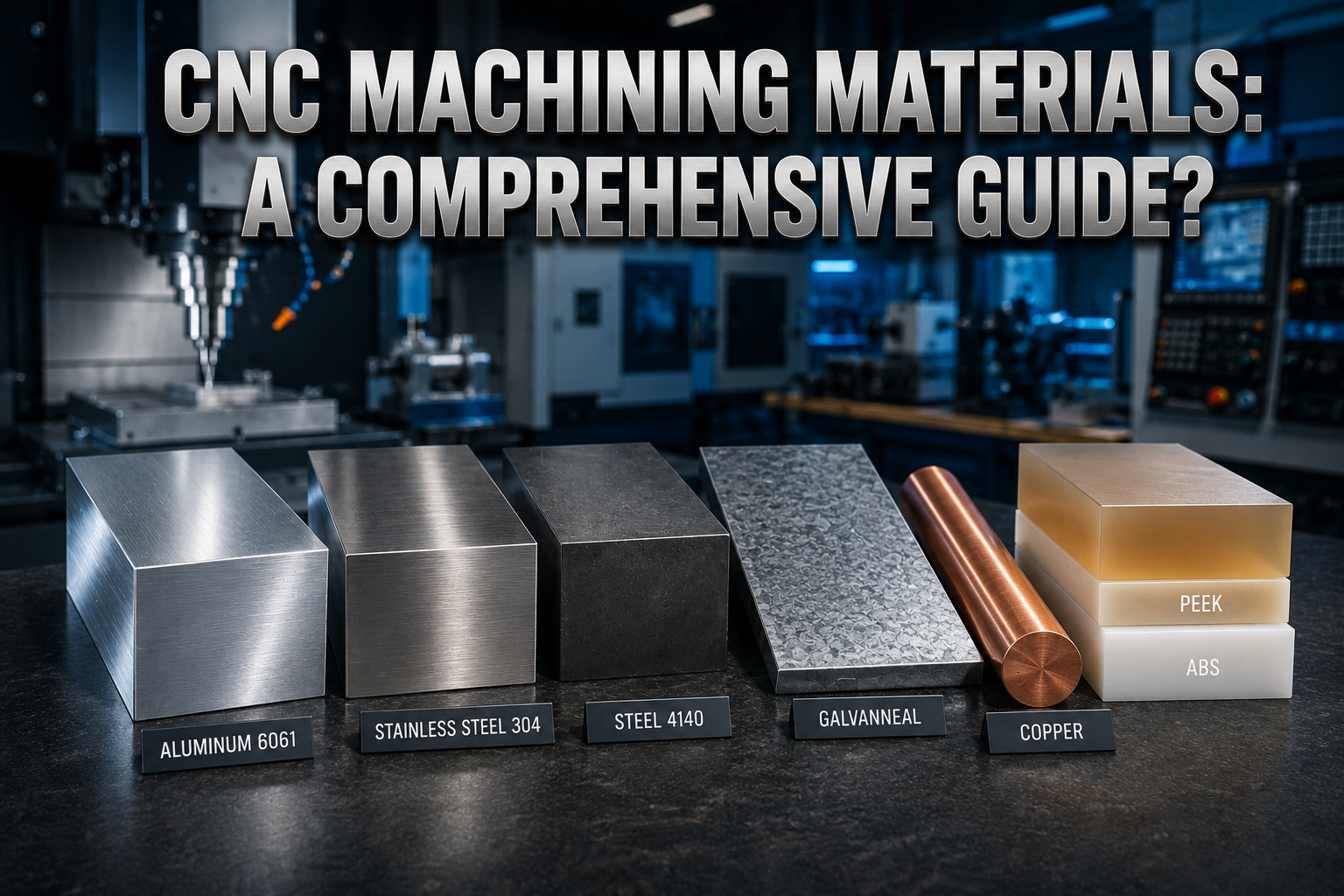
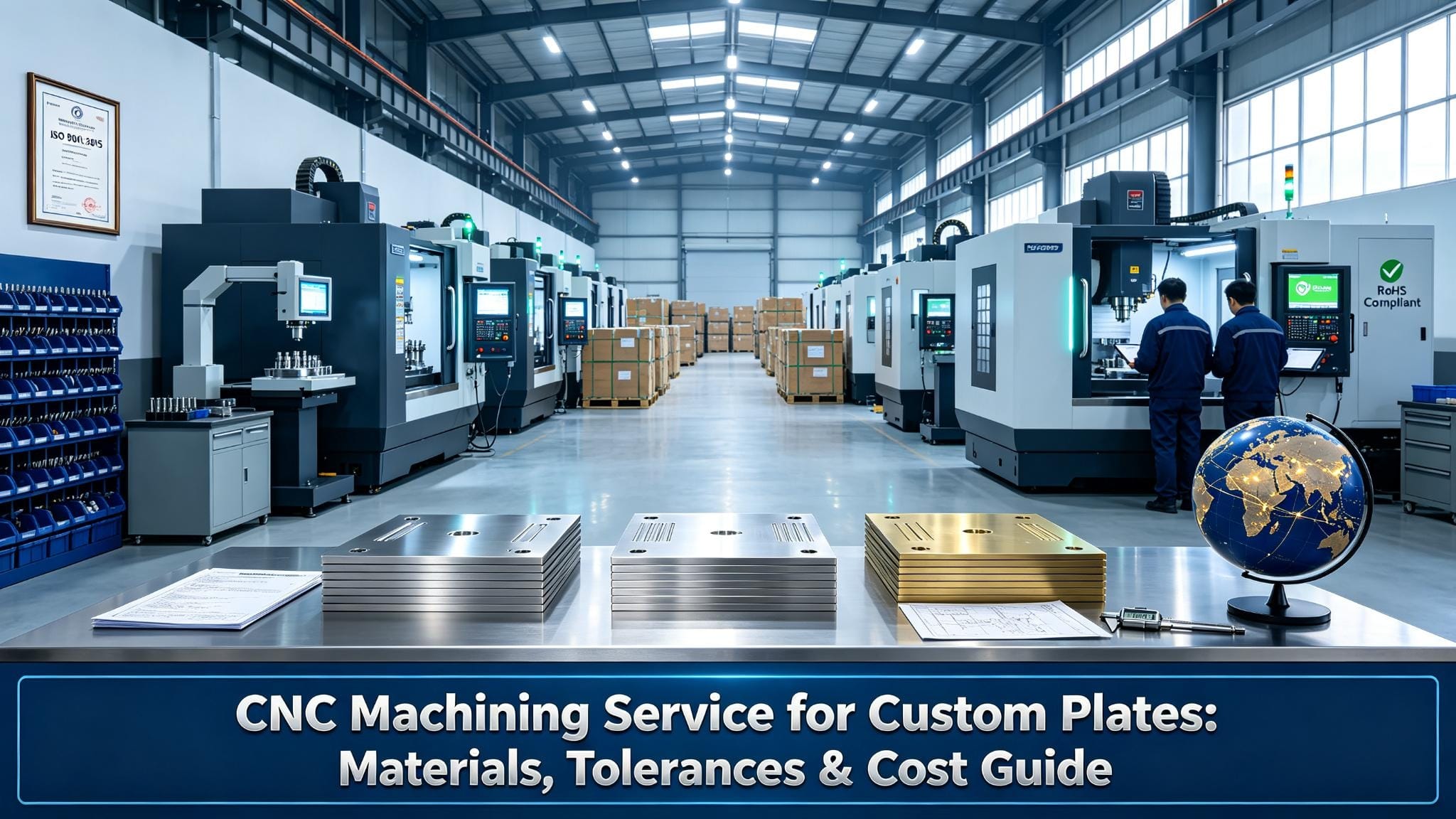
Furthermore, structural compliance must be backed by transparent international quality certifications. A professional machine shop must maintain rigorous traceability standards, validating raw material inputs before chips are cut. When evaluating potential china cnc machining suppliers, verify that their quality systems are fully certified. For instance, reviewing the operational history of a facility like Boraco Machining reveals how strict adherence to ISO 9001:2015 protocols prevents dimensional defects across both complex metal configurations and high-tolerance cnc custom plastic fabrication runs.
Ultimately, successful global procurement depends on clear, data-driven technical execution. By understanding the mechanical limits of metals and polymers, engineering teams can design parts that are optimized for high-yield custom cnc production. Partnering with a manufacturing specialist that provides design-for-manufacturability (DFM) support ensures that your cnc custom plastic and metallic assemblies migrate smoothly from initial CAD files into flawless, field-ready products.
Conclusion
Selecting the optimal material requires a balanced analysis of mechanical loads, environmental exposure, and manufacturing feasibility. Sourcing your precision components from a single, certified provider ensures absolute material traceability and seamless assembly tolerances across both complex metal alloys and precision polymer parts. Explore our capabilities at the Boraco Machining Homepage to streamline your next product deployment.
Frequently Asked Questions
Metal machining requires optimized cutting speeds and high torque to shear through dense crystal matrices, often generating substantial heat that requires liquid coolant. Conversely, a cnc custom plastic setup utilizes significantly higher spindle speeds combined with rapid feed rates and air cooling to flush away chips before the polymer’s low melting point triggers material gumming or deformation.
Material traceability ensures that the raw alloy or polymer matches your precise chemical and mechanical specifications. Certified suppliers provide material mill test reports (MTRs) and international compliance certificates (CE/RoHS) to verify that raw stocks contain no internal inclusions or unapproved scrap contaminants.
While the equipment is physically similar, a dedicated cnc custom plastic workflow requires specialized knowledge of polymer physics. Standard metal shops often use excessive clamping forces that warp plastics or incorrect tool geometries that create burrs, whereas an experienced multi-material shop utilizes sharp, polished tools and light fixture pressures designed specifically for compliant polymers.