Structural Rigidity and Mechanical Properties of CNC Custom Plastic Parts
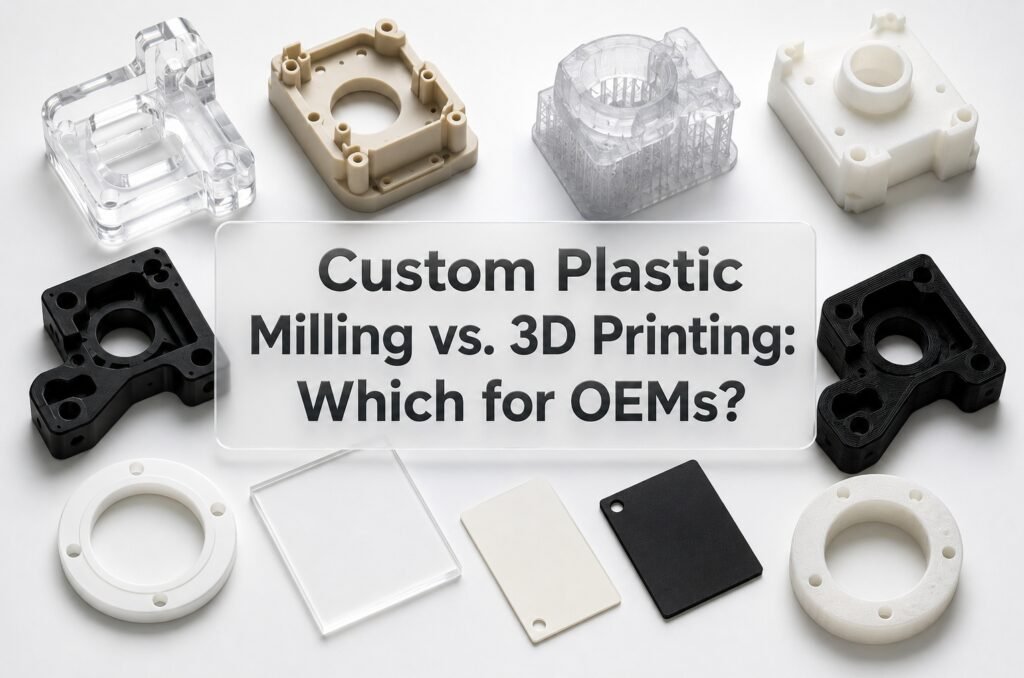
When engineering components for high-stress applications, material integrity remains a paramount concern. Subtractive machining utilizes solid, extruded plastic stock or rigid plastic sheet materials. Consequently, these raw materials retain their original isotropic mechanical properties uniformly across all three physical axes. Therefore, components produced via this method deliver predictable yield strengths and excellent impact resistance under continuous mechanical loads.
In contrast, additive manufacturing builds parts layer by layer using fused deposition modeling or selective laser sintering. However, this layer-by-layer deposition inherently introduces anisotropy into the completed component. Specifically, the mechanical bond between the printed layers remains significantly weaker than the base polymer matrix. As a result, 3D printed parts often fail prematurely when subjected to intense shear stresses or cyclic fatigue.
Furthermore, choosing a cnc custom plastic approach avoids the internal voiding common in additive methods. For instance, high-pressure fluid manifolds require absolute structural density to prevent microscopic leakage. Machined blocks of Delrin or PEEK maintain an uncompromised molecular structure throughout the entire part geometry. Ultimately, for applications demanding maximum structural rigidity, subtractive machining provides a level of reliability that additive processes simply cannot replicate.
Achieving Tight Tolerances and Surface Finish Excellence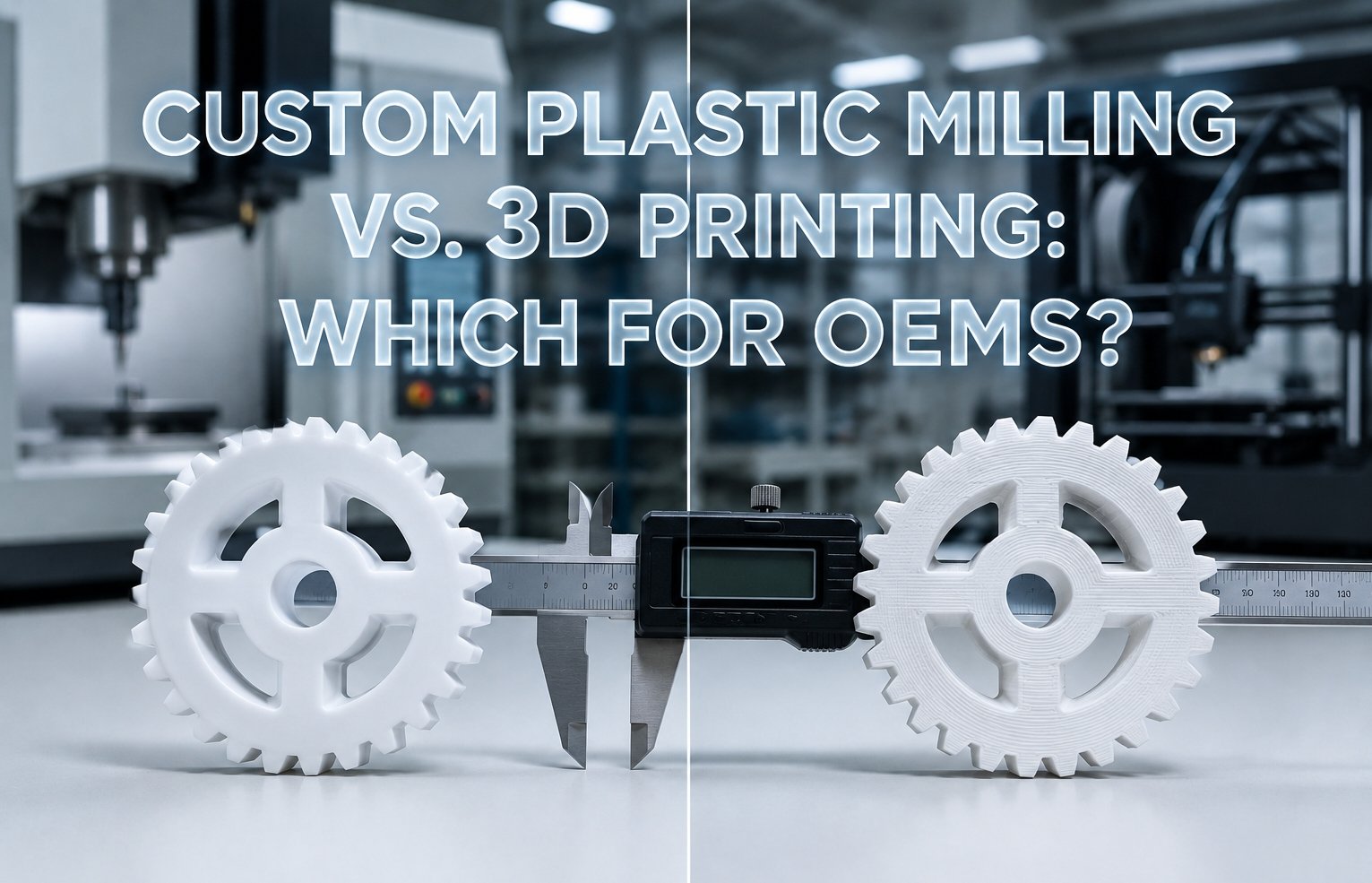
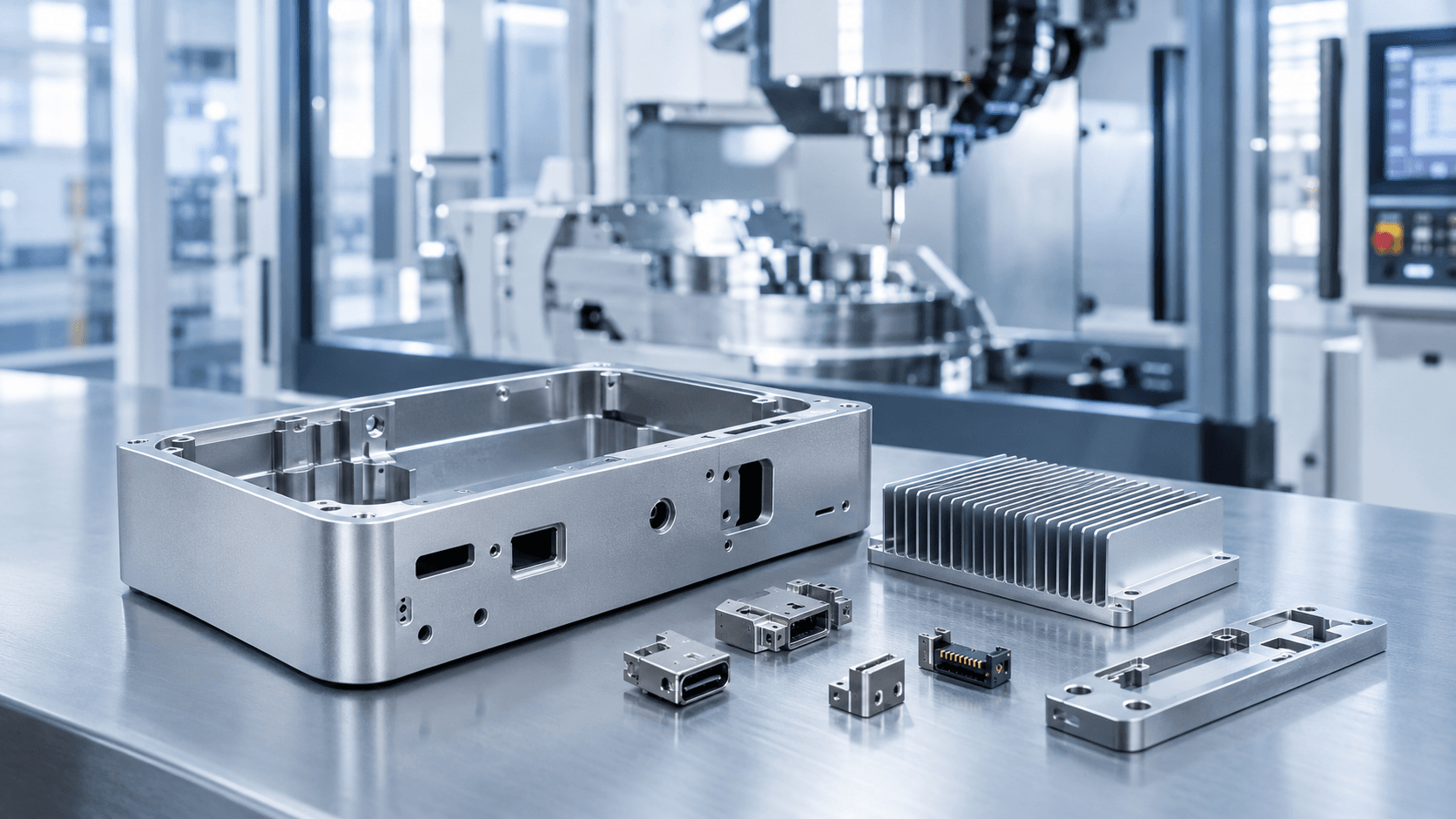
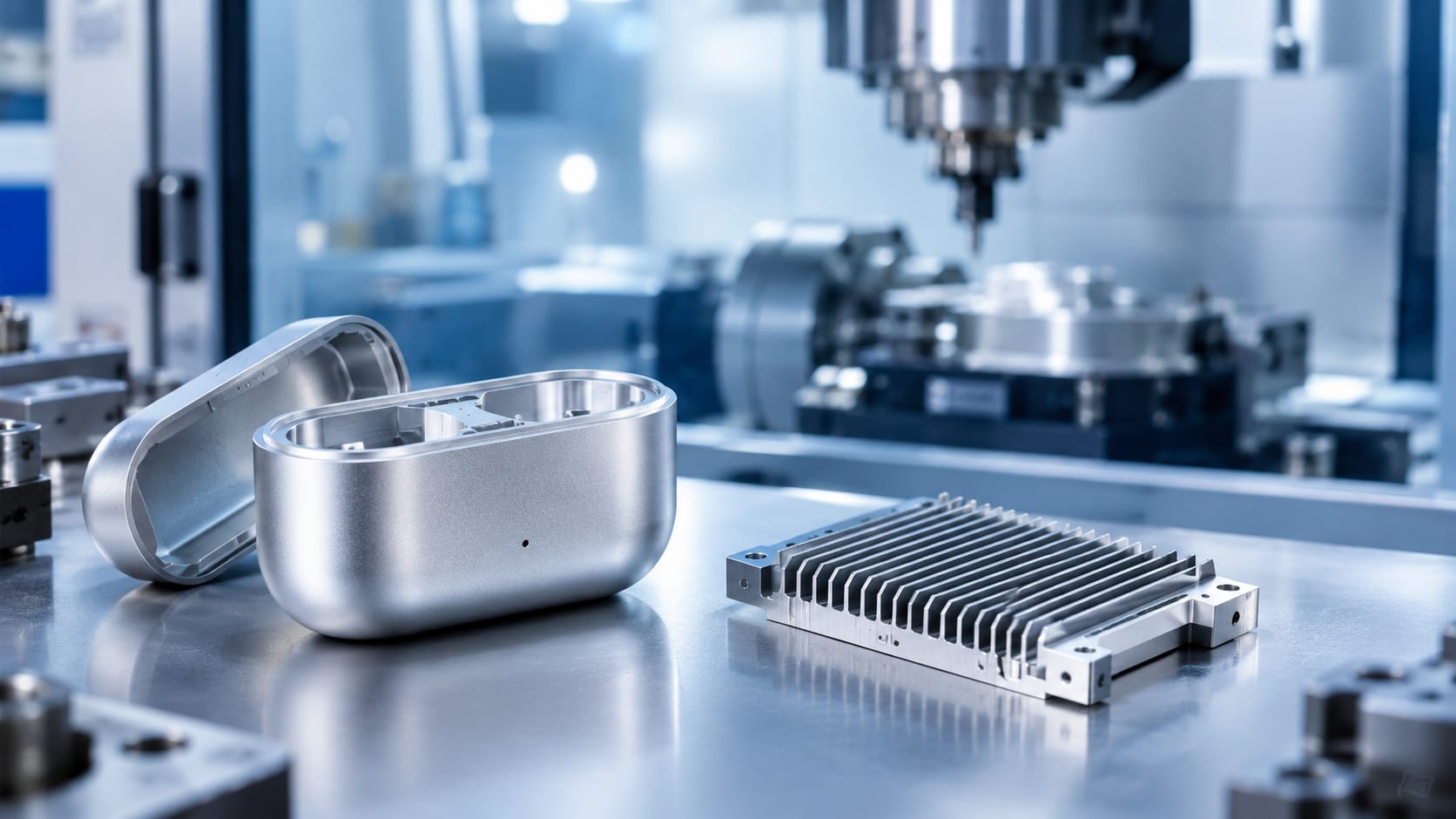
Precision requirements dictate the selection of your polymer fabrication partner. Advanced plastic cnc milling easily achieves tight dimensional tolerances down to ±0.025 mm. Specifically, this extreme precision is mandatory for mating parts within industrial electronic enclosures and automotive fluid systems. Therefore, subtractive methods ensure that your precision plastic parts assemble seamlessly without requiring secondary manual modifications.
On the other hand, commercial 3D printing technologies usually struggle to maintain dimensions closer than ±0.1 mm. Furthermore, thermal contraction during the cooling phase can cause thin-walled plastic parts to warp or distort. To illustrate these technical limits, the table below compares the critical geometric and surface finish parameters of both manufacturing strategies across common engineering polymers:
| Manufacturing Process | Standard Tolerance (mm) | Minimum Wall Thickness (mm) | Surface Roughness ($R_a$ μm) | Primary Material Forms Used |
|---|---|---|---|---|
| Plastic CNC Milling | ±0.025 mm | 0.75 mm | 0.8 to 1.6 Ra | Solid plastic sheet, thick block, extruded rod |
| Industrial 3D Printing | ±0.100 mm | 1.20 mm | 3.2 to 6.3 Ra | Filament wire, polymer powder, liquid resin |
| Plastic CNC Turning | ±0.015 mm | 0.50 mm | 0.4 to 0.8 Ra | Cylindrical bar stock, heavy-walled tubing |
Surface roughness also plays a critical role in sealing and dynamic wear applications. Subtractive cnc plastic cutting routinely delivers smooth surface finishes ranging from 0.8 to 1.6 Ra. However, 3D printed components exhibit a distinct stair-stepping texture that increases friction and accelerates seal degradation. For that reason, engineers choose a specialized plastic cnc service when processing parts that interact directly with dynamic o-rings or clear optical elements.
Material Selection and Machinability Limitations in Plastic Fabrication
The available material palette heavily influences your production pathway. Subtractive manufacturing can process virtually any commercially available polymer compound. For example, technicians can machine a ptfe plastic sheet, a 4×4 plastic sheet, or dense hard plastic boards with equal proficiency. Consequently, this flexibility allows design teams to select materials based strictly on chemical resistance, thermal limits, and electrical insulation properties.
In contrast, 3D printing requires specialized material formulations that can be easily melted or chemically cured. This requirement eliminates many high-performance materials from the additive selection pool. For instance, true fluoropolymers like PTFE cannot be effectively 3D printed due to their extreme melting points and melt-viscosity behaviors. Therefore, if your design calls for specific outdoor plastics or transparent see through plastic panels, subtractive machining remains the only viable choice.
What is Machinability in Plastics?
Machinability measures how easily a polymer can be cut while maintaining a superior surface finish and dimensional stability. Unlike metals, plastics have low thermal conductivity and low melting points. Therefore, a high-quality cnc custom plastic workflow requires precise control of cutting speeds and feed rates to prevent material gumming or cracking. For example, materials like cast acrylic possess high machinability but are brittle, whereas soft engineering plastics tend to deform under high clamping forces.
To ensure structural integrity during cutting operations, machinists must account for the specific thermal expansion coefficient of each polymer family. According to established plastics engineering metrics published by organizations like the American Society for Testing and Materials (ASTM), polymers expand up to ten times more than metals when exposed to frictional heat. Because of this behavior, a professional plastic shop utilizes razor-sharp polished carbide tooling and specific air-cooling cycles to flush heat away from the cutting zone immediately.
Scaling Production from Prototyping to Mass Quantities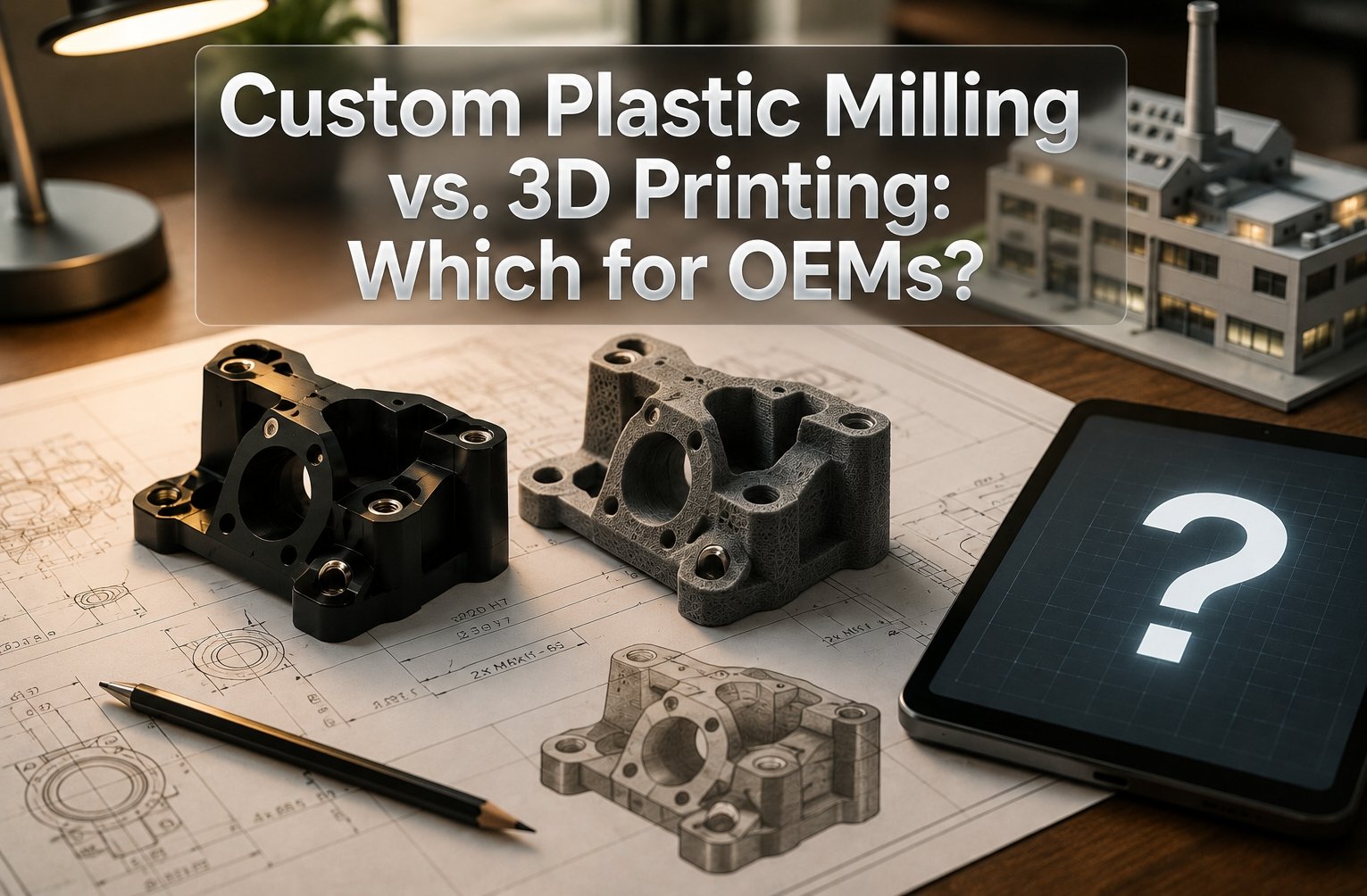
Production volume is the ultimate deciding factor for most supply chain managers. In the initial design phase, 3D printing offers rapid turnaround times for single-piece visual prototypes. Specifically, there are no tooling requirements or programming setup bottlenecks to delay the initial verification. Consequently, the entry barrier for low-fidelity polymer testing remains exceptionally low.
However, as production requirements scale from tens to thousands of pieces, the economics shift completely. 3D printing cycle times remain constant per part, meaning that a batch of one thousand parts takes roughly one thousand times longer than a single part. In contrast, cnc plastic parts benefit from massive economies of scale. Once the initial CAM program is optimized, high-speed automated mills produce parts rapidly and continuously.
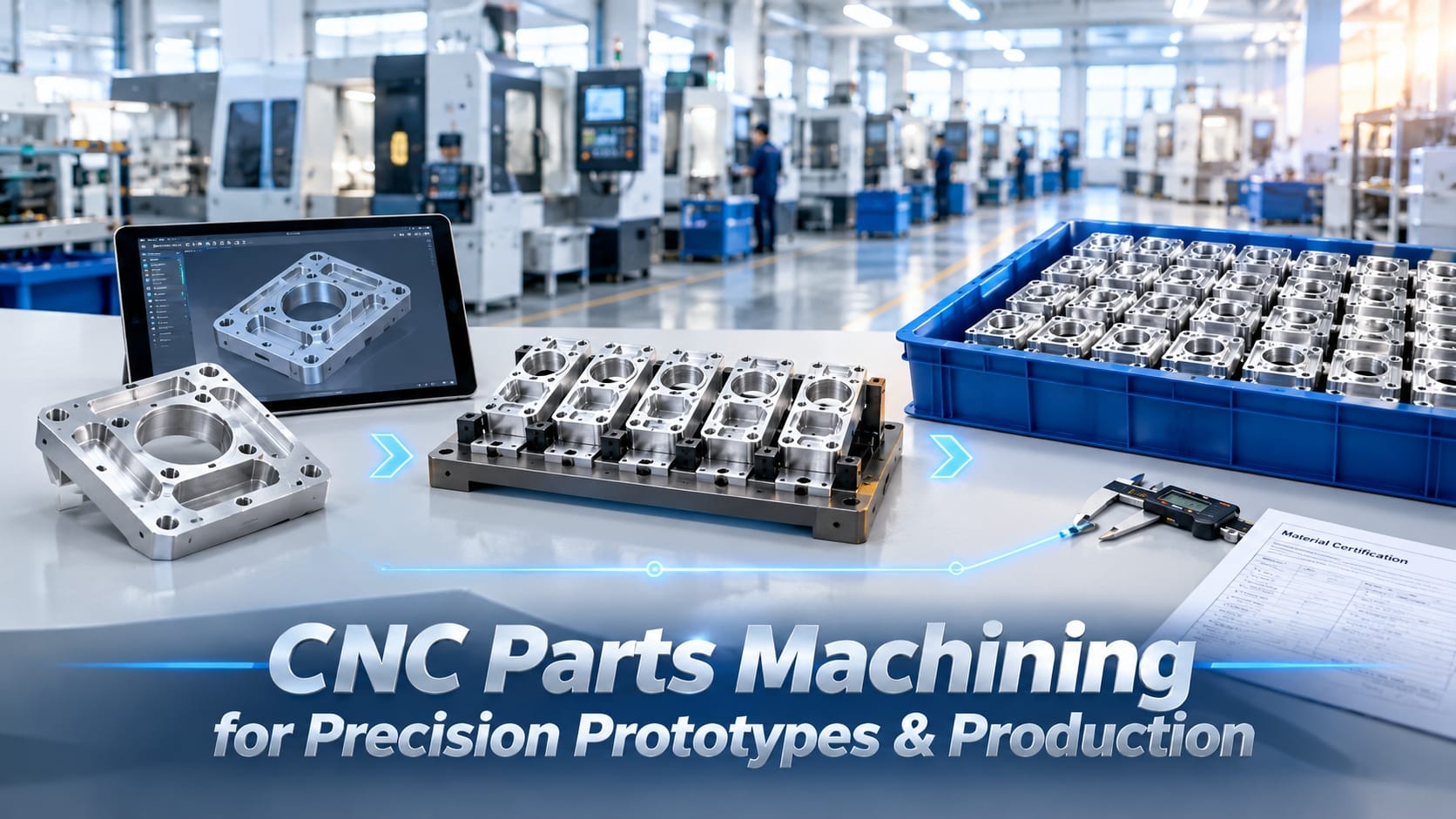
Furthermore, sourcing from an established precision manufacturing facility lets you seamlessly scale from low-volume testing to full mass production. Advanced machining centers feature automated pallet changers that minimize load times. Therefore, the cycle time per part drops drastically as volume increases. Ultimately, for OEMs targeting commercial market deployment, subtractive machining delivers the throughput and cost stability required to sustain a healthy bottom line.
Request a Technical Evaluation for Your Custom Polymer Projects
Total Cost of Ownership: Tooling, Labor, and Waste Material
Evaluating the total cost of ownership requires a careful analysis of material yield, labor costs, and raw material pricing. Subtractive custom plastic milling is fundamentally a material-removal process. As a result, it generates significant amounts of polymer chips, especially when machining thin-walled housings from solid hard plastic sheets. Sourcing teams must account for this material waste when pricing high-cost engineering polymers like PEEK or Ultem.
Nevertheless, raw solid plastic sheet stock and industrial plastic board sheet materials are significantly cheaper per kilogram than specialized 3D printing filaments or powders. For instance, standard clear thick plastic or plastic glass sheet stock costs a fraction of the price of premium photopolymer resins. Therefore, the raw material cost advantage of subtractive machining often offsets the scrap material penalty on medium-to-high volume runs.
In addition, post-processing labor can alter your overall budget significantly. 3D printed components frequently require extensive manual sanding, support removal, and chemical vapor smoothing to achieve acceptable commercial finishes. Conversely, a modern plastic cnc milling center delivers a deployment-ready finish straight from the machine machine bed. By minimizing manual touchpoints, you reduce human error and isolate your supply chain from escalating assembly labor expenses.
Sourcing Strategy: Choosing China CNC Machining Suppliers for Complex Polymers
Navigating global procurement requires a systematic audit of supplier capability, communication speed, and quality control systems. Many international OEMs utilize specialized china machining networks to optimize their manufacturing budgets. However, selecting a partner out of thousands of available china cnc machining suppliers requires looking past basic pricing quotes to evaluate technical competence.
A leading polymer manufacturing partner must possess specialized machine configurations that are optimized specifically for plastics rather than metals. For example, high-speed spindles capable of exceeding 20,000 RPM are necessary to cleanly shear plastics without creating burrs. Sourcing managers should prioritize companies like Boraco Machining, founded in 2013 in Dongguan, because they combine advanced multi-axis infrastructure with certified ISO 9001:2015 quality management procedures.
Furthermore, a truly integrated supplier offers comprehensive secondary processing options. This means they can handle everything from sourcing raw thin sheet plastic to executing multi-axis cutting and specialized surface finishes in a single facility. Choosing a single partner prevents communication gaps and guarantees that your completed cnc custom plastic components meet international standards like CE and RoHS. Ultimately, building a centralized relationship with an experienced provider simplifies your logistics and ensures predictable product execution.
Conclusion
In conclusion, while 3D printing remains a valuable tool for early visual prototypes, CNC milling remains the definitive choice for production-grade OEM components due to its superior tolerances and isotropic material properties. By aligning with a verified polymer specialist, engineering teams ensure absolute mechanical repeatability and optimal cost structures across their entire product lifecycle. To discuss how policy-backed quality can benefit your sourcing, contact Boraco Machining.
Frequently Asked Questions
CNC custom plastic milling utilizes extruded polymer blocks that possess uniform isotropic properties. Conversely, 3D printing creates an anisotropic structure with weak interlaminar bonds, making printed components susceptible to delamination and fatigue failure under mechanical stress.
No. While CNC milling can shape almost any solid polymer, including PTFE, cast acrylic, and PEEK, 3D printing is strictly limited to specialized filaments or resins that can be melted or cured. High-performance fluoropolymers like PTFE cannot be effectively 3D printed due to their extreme melt-viscosity parameters.
Experienced suppliers stabilize polymers by utilizing positive-rake cutting tools, high spindle speeds, and continuous air cooling to mitigate heat accumulation. Additionally, advanced metrology labs house Coordinate Measuring Machines (CMM) inside climate-controlled environments kept at ©20°C to prevent thermal expansion during inspection.
Typically, once a production batch exceeds 50 to 100 parts, CNC milling becomes significantly more cost-effective. While 3D printing has zero setup costs, its per-unit price remains flat, whereas CNC machining costs drop dramatically as volume scales due to automated high-speed cycle times.