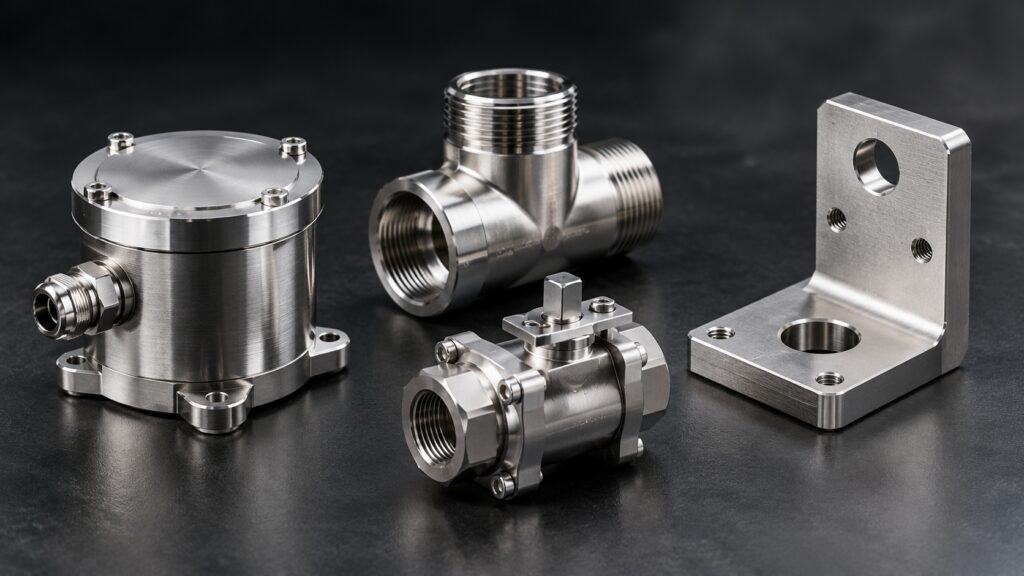
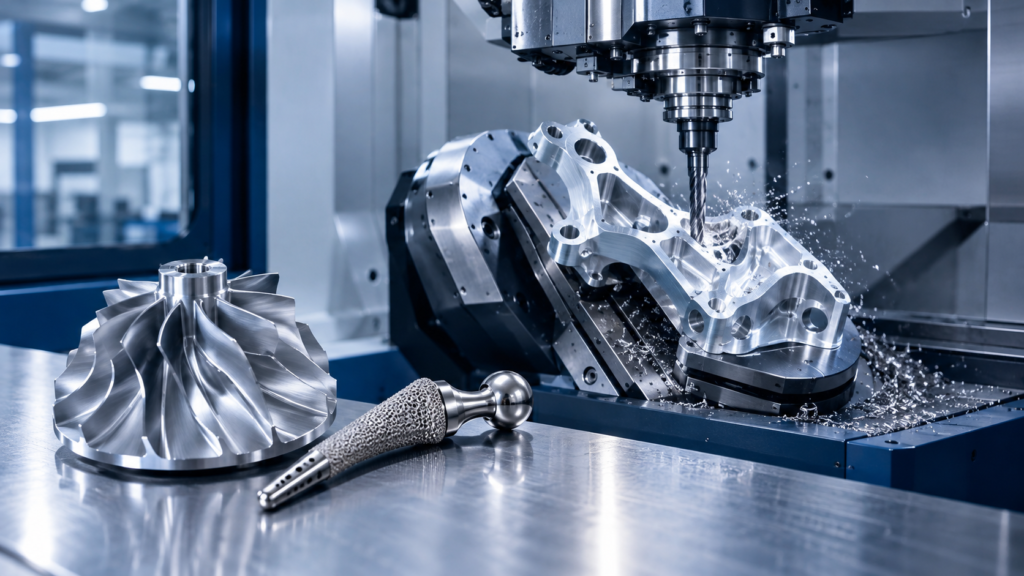
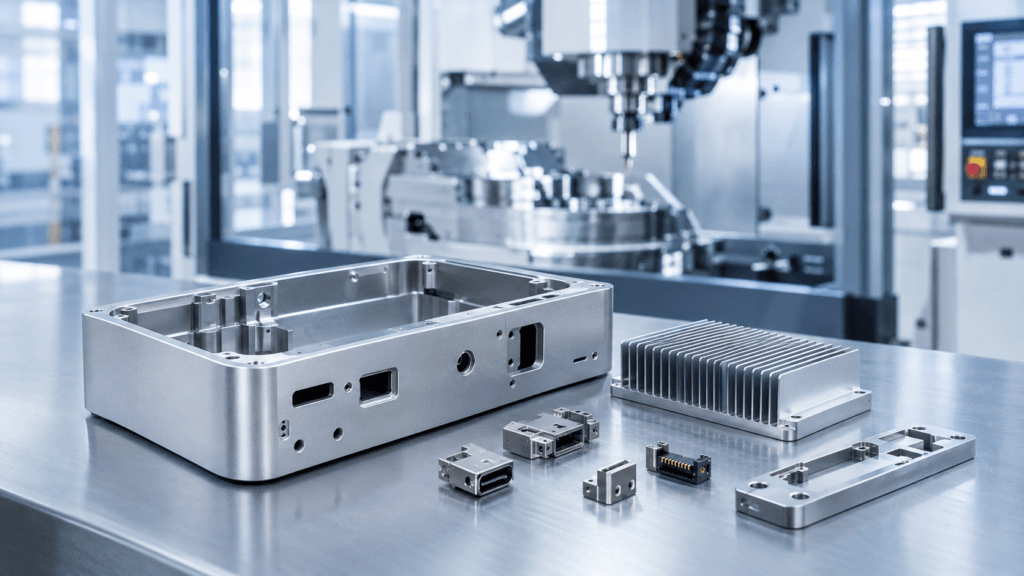
304 Stainless Steel CNC Machining Services — Precision 304 Parts
Boraco provides 304 stainless steel CNC machining services in China, including CNC milling, CNC turning, precision prototyping, and production machining. Our manufacturing workflow supports project-specific tolerances down to ±0.005 mm where geometry, material condition, and inspection requirements allow. Sample lead times can start at 1–3 days, with production commonly planned around 4–10 days, subject to part complexity, quantity, finishing, and capacity.
Send your CAD files to request a factory-direct quotation and engineering review for your 6061 aluminum parts.
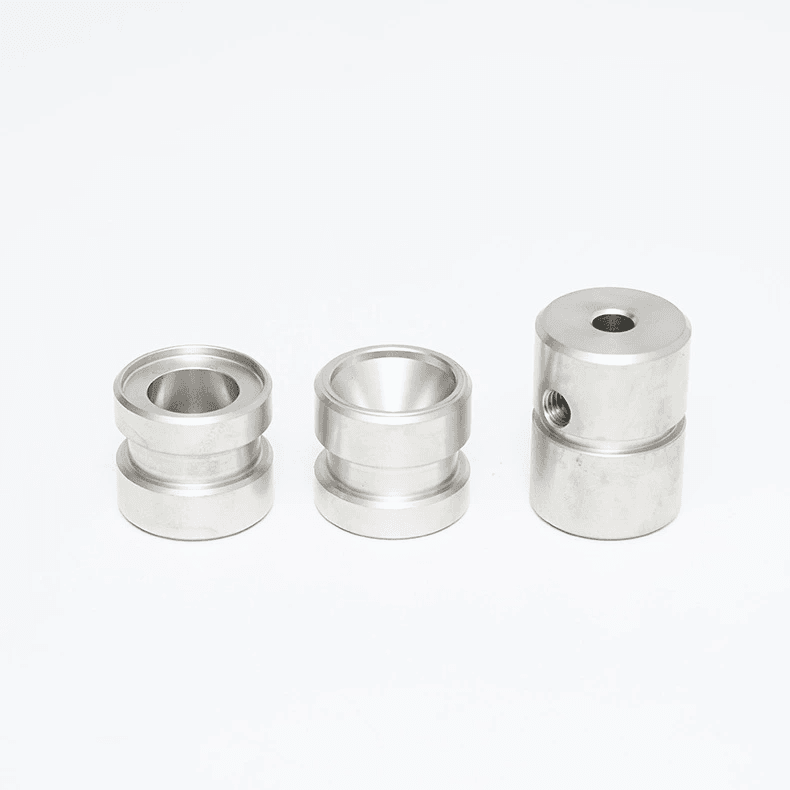

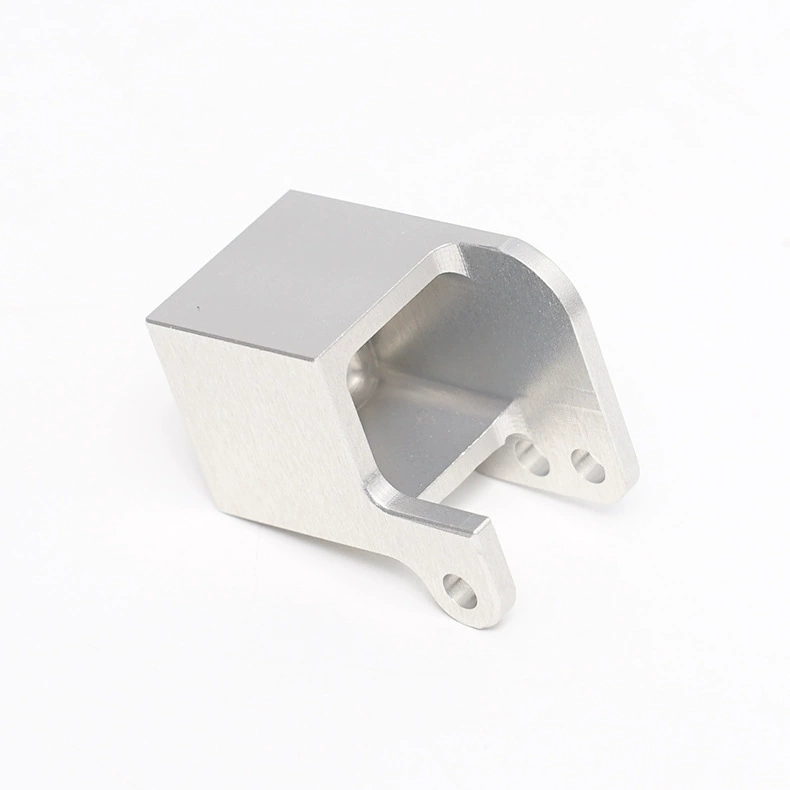









Boraco Machining—304 Stainless Steel CNC Machining Services
What Is 304 Stainless Steel (18/8)?
304 stainless steel is an austenitic chromium-nickel stainless steel commonly known as 18/8 stainless steel, referring to its approximate chromium and nickel content. It offers a useful balance of corrosion resistance, mechanical properties, weldability, and fabrication performance for a broad range of applications.
For international procurement and engineering teams, the grade is commonly specified as AISI 304, UNS S30400, EN 1.4301, or SUS304. Confirm the required standard and material certification when ordering parts for regulated, safety-critical, or tightly controlled applications.
304 vs. 304L Stainless Steel
304L is the low-carbon version of 304 stainless steel. Its carbon content is limited to 0.03% maximum under common specifications, helping reduce the risk of chromium carbide precipitation and associated intergranular corrosion during welding and certain thermal cycles.
-
Choose 304: For general CNC machined components where standard 304 properties meet the design requirements.
-
Choose 304L: For welded assemblies or applications where reduced sensitization risk is important.
-
Confirm the material grade: When machining parts that will be welded, exposed to corrosive media, or subject to a specified material certification.
Boraco can review your drawing and material requirements to help identify the appropriate grade for your 304L stainless steel machining project.
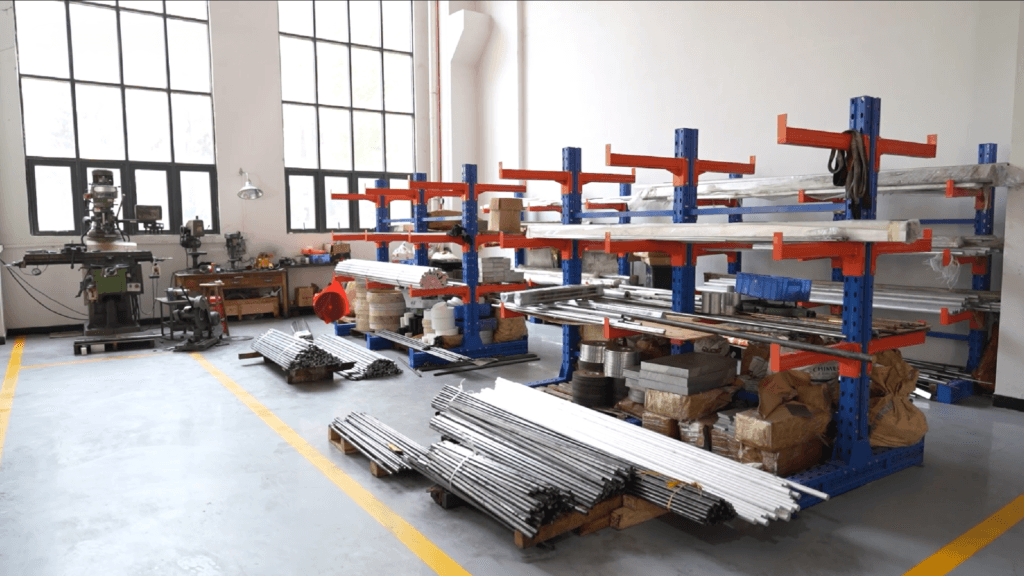
304 Stainless Steel Chemical Composition
| Element | Typical Specification Range or Limit (wt.%) | Contribution |
|---|---|---|
| Chromium (Cr) | 18.0–20.0% | Supports corrosion resistance by forming a passive surface film. |
| Nickel (Ni) | 8.0–10.5% | Stabilizes the austenitic structure and supports ductility. |
| Carbon (C) | ≤ 0.08% | Affects strength and sensitization behavior. |
| Manganese (Mn) | ≤ 2.0% | Contributes to steel processing and material properties. |
| Silicon (Si) | ≤ 0.75% | Used as a deoxidizing element during steel production. |
| Phosphorus (P) | ≤ 0.045% | Controlled as an impurity. |
| Sulfur (S) | ≤ 0.030% | Controlled to meet the applicable material specification. |
How Boraco Approaches CNC Machining 304 Stainless Steel Parts
01
Good Machinability
Select suitable cutting tools and edge geometry for stainless steel to help control cutting forces, heat, and built-up edge.
02
Cutting parameters
Apply appropriate cutting speeds, feeds, depths of cut, and coolant strategies according to the tool, machine, and part geometry.
03
Workholding
Use stable fixturing to reduce vibration and dimensional variation, especially for thin-wall or slender parts.
04
Chip management
Control chip evacuation to reduce the risk of surface damage, tool wear, and interrupted cutting.
05
Dimensional inspection
Control chip evacuation to reduce the risk of surface damage, tool wear, and interrupted cutting.
304 stainless steel is used across multiple industries because it combines useful corrosion resistance with strength, formability, and broad availability. The appropriate grade and finish still depend on the operating environment and relevant industry requirements.
Sheet Metal Processing
304 vs. 316 Stainless Steel: Which Grade Should You Choose?
The main difference between 304 and 316 stainless steel is their corrosion resistance in demanding environments. Both are austenitic stainless steel grades, but 316 contains molybdenum, which improves resistance to chloride-related pitting and crevice corrosion in many applications.
Choose 304 when general corrosion resistance, mechanical performance, and material cost are the main considerations. It is often suitable for indoor equipment, many automotive components, and consumer appliances.
Consider 316 when parts will face salt spray, seawater, chloride-containing solutions, or certain chemical-processing conditions. The final selection should account for chloride concentration, temperature, exposure duration, crevices, surface finish, and cleaning practices. Neither grade is immune to corrosion in every environment.
If your project requires stronger chloride resistance, compare our 316 Stainless Steel CNC Machining options before finalizing the material specification.
| Comparison | 304 Stainless Steel | 316 Stainless Steel |
|---|---|---|
| Common designation | AISI 304 / UNS S30400 / EN 1.4301 | AISI 316 / UNS S31600 / EN 1.4401 |
| Chromium | Approximately 18–20% | Approximately 16–18% |
| Nickel | Approximately 8–10.5% | Approximately 10–14% |
| Molybdenum | Not intentionally added as a principal alloying element | Typically 2–3% |
| Typical environments | Indoor use, general atmospheric exposure, many appliances and industrial components | More demanding chloride exposure, marine-related equipment, and selected chemical-processing applications |
| Relative material cost | Usually lower | Usually higher |
Common Materials for Boraco CNC Machining
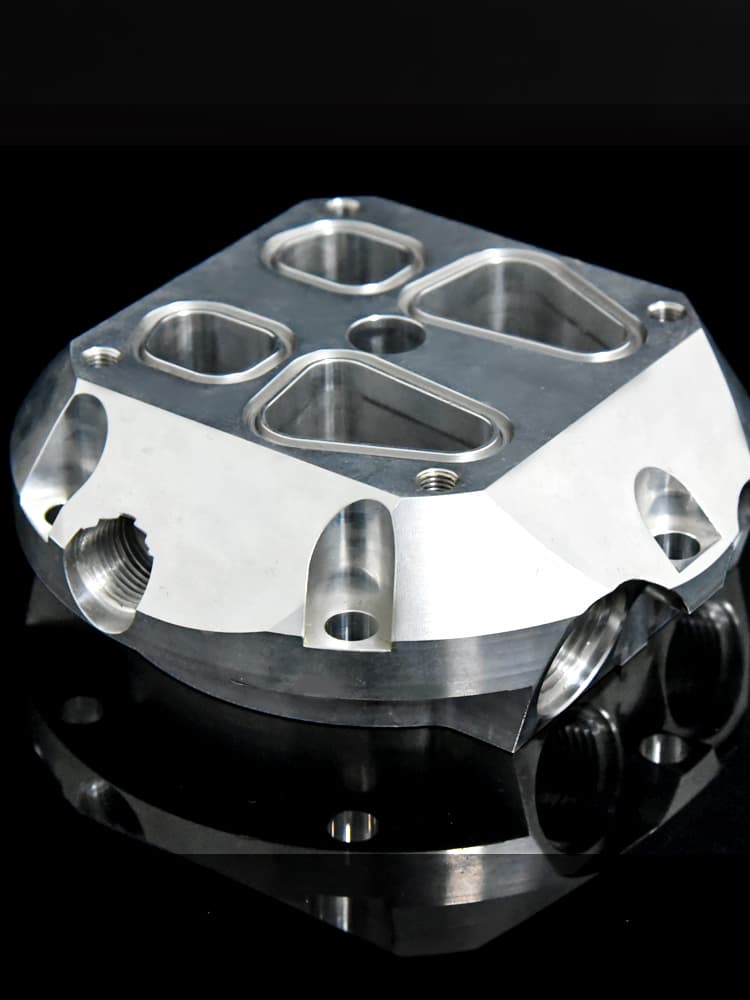
Aluminum
Features: High strength-to-weight ratio, exceptional thermal conductivity, robust corrosion resistance, and superior machinability.
Common Grades: 6061, 7075, 2024, 5052.
Applications: Aerospace structures, automotive components, electronics enclosures, medical devices, and renewable energy sectors.
- Precision Machining: Utilizing state-of-the-art 5-axis CNC machining centers and customized rigid workholding, we consistently achieve tight dimensional tolerances up to ±0.01mm.
- Advanced Surface Finishing: We provide comprehensive surface treatment solutions, including anodizing, precision sandblasting, and mechanical polishing, to fulfill stringent aesthetic and functional requirements.
- Cost-Efficiency & Rapid Delivery: Optimized toolpaths and cutting parameters significantly minimize material scrap, while our streamlined production workflow accelerates delivery cycles by 20% compared to the industry standard.
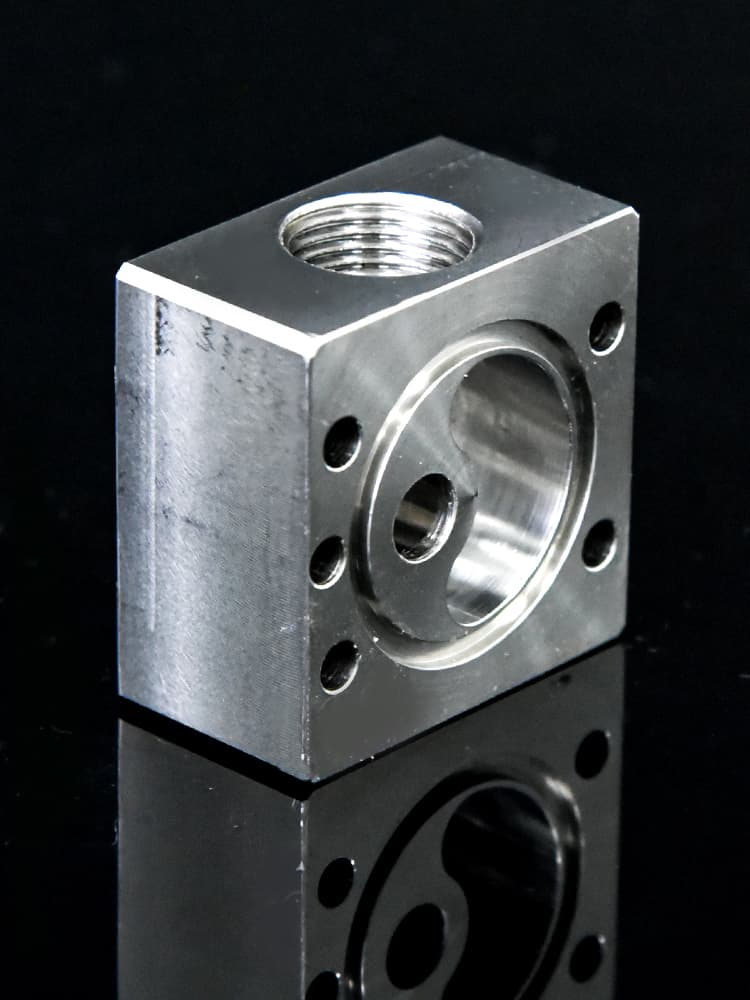
Stainless Steel
Features: Exceptional tensile strength, superior corrosion resistance, high thermal tolerance, and low maintenance requirements.
Common Grades: 304, 316, 410, 17-4PH.
Applications: Food processing machinery, medical devices, marine hardware, automotive engineering, and high-end consumer appliances.
- Overcoming Machining Challenges: Utilizing specialized cutting geometries and advanced high-pressure cooling technologies, we effectively mitigate work hardening, thermal deformation, and accelerated tool wear.
- Corrosion Resistance Assurance: Rigorous machining protocols and precision surface treatments ensure component longevity, delivering a 30% increase in service life.
- Consistent Quality: Comprehensive 100% dimensional inspection and surface hardness testing guarantee a 99.8% qualification rate across all production lots.
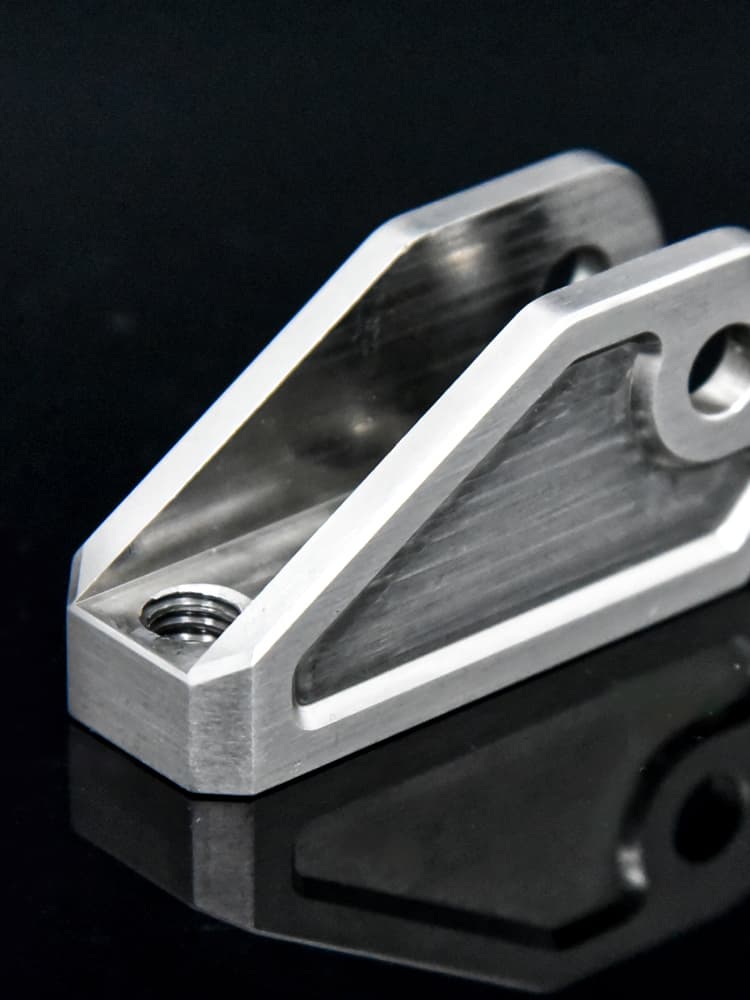
Carbon Steel
Low Carbon Steel: Moderate tensile strength combined with superior ductility and formability, ideal for light structural components.
Medium Carbon Steel: Enhanced mechanical strength and yield toughness, perfectly suited for heavy-duty load-bearing parts.
High Carbon Steel: Maximum hardness and wear resistance, engineered for heavy-duty cutting tools and resilient spring components.
Applications: Precision gears, heavy-duty shafts, structural frameworks, complex industrial machinery components, and die/mold fabrications.
- High Efficiency & Cost Control: Through optimized high-velocity cutting toolpaths, we drastically minimize material waste, driving production cost down by 10%.
- Advanced Heat Treatment: We offer comprehensive in-house thermal processing—including quenching, tempering, and annealing—to guarantee precise mechanical properties and structural stability.
- High-Volume Manufacturing: Armed with robust scalable production lines, we comfortably exceed an annual capacity of 500,000 carbon steel components while ensuring accelerated lead times.
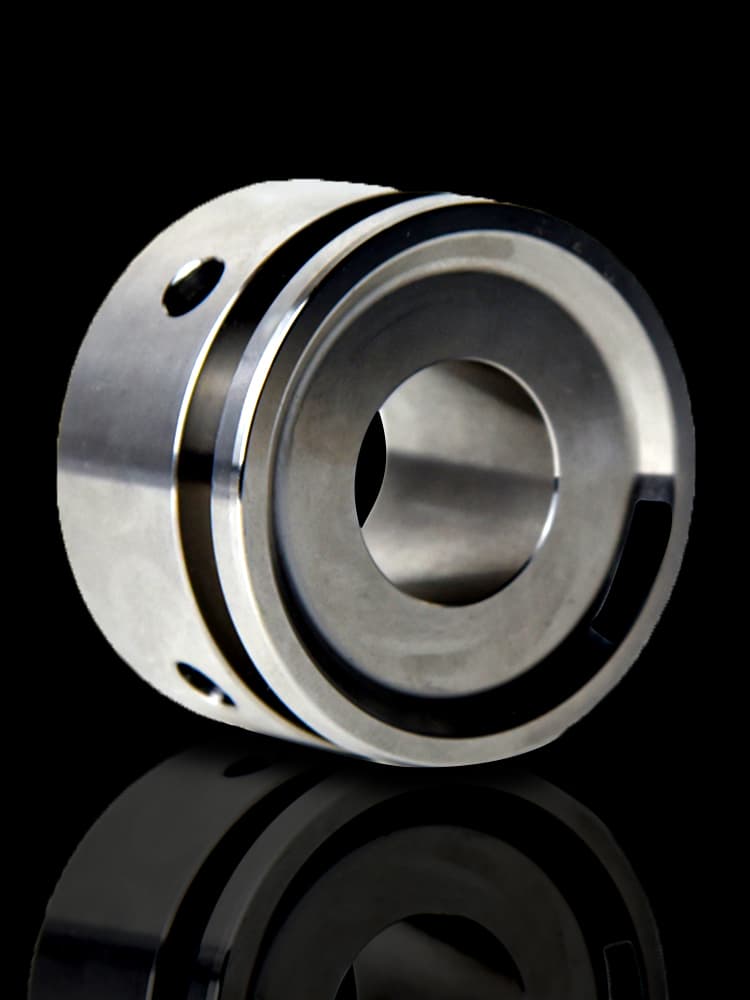
Alloy Steel
4140 Alloy Steel: Exceptional fatigue strength and wear resistance, ideal for heavy-load structural components.
4340 Alloy Steel: Combines deep-hardening fracture toughness with high ductility, engineered for aerospace and heavy industrial applications.
8620 Alloy Steel: Carburizing grade featuring excellent case-hardenability and a highly resilient, tough core, perfectly suited for gears and crankshafts.
- Specialized Tooling & Parameter Optimization: Utilizing high-rigidity cutting tools and synchronized parameter optimization, we effectively conquer high-hardness barriers and mitigate accelerated tool wear.
- Performance & Durability Assurance: Advanced carburizing, quenching, and tempering protocols significantly enhance surface hardness, extending overall part service life by 30%.
- Uncompromising Quality Control: Rigorous 100% Rockwell hardness testing and precision dimensional verification guarantee a 99.8% qualification rate for all components.
Learn more about CNC alloy steel parts materials>>
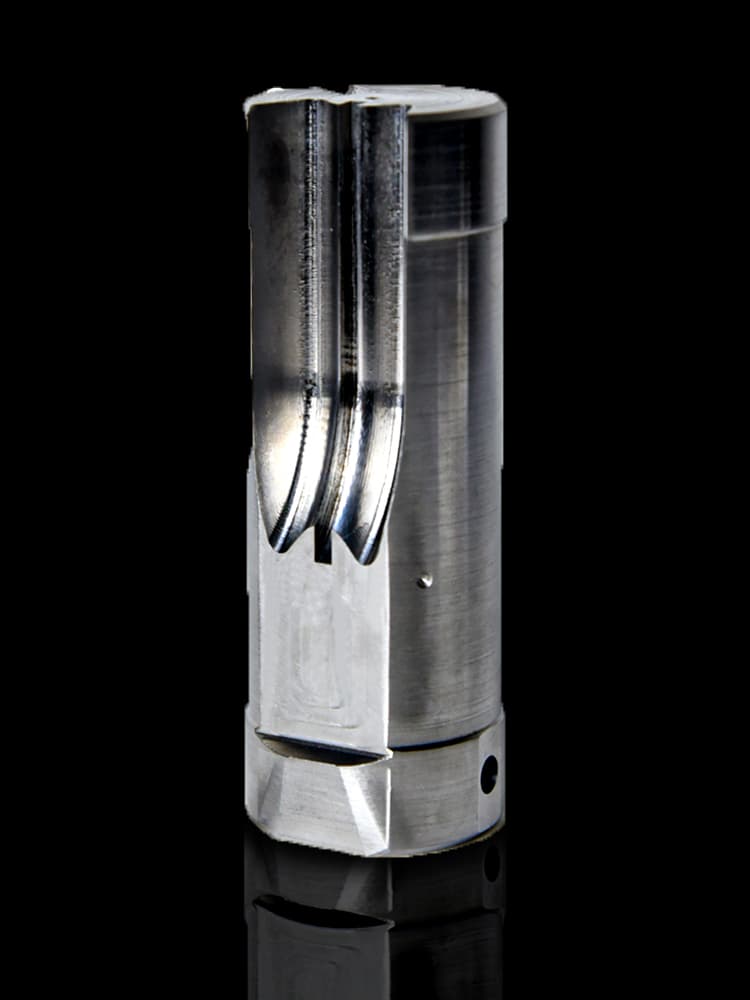
Tool Steel
- Mastering Hard-to-Machine Materials: Decades of specialized tool steel machining expertise allow us to thoroughly control micro-deformation and prevent thermal micro-cracking during processing.
- Ultra-High Precision Tolerances: Consistently achieving dimensional accuracy as tight as ±0.005mm, satisfying the most stringent criteria for critical mold and aerospace-grade tooling components.
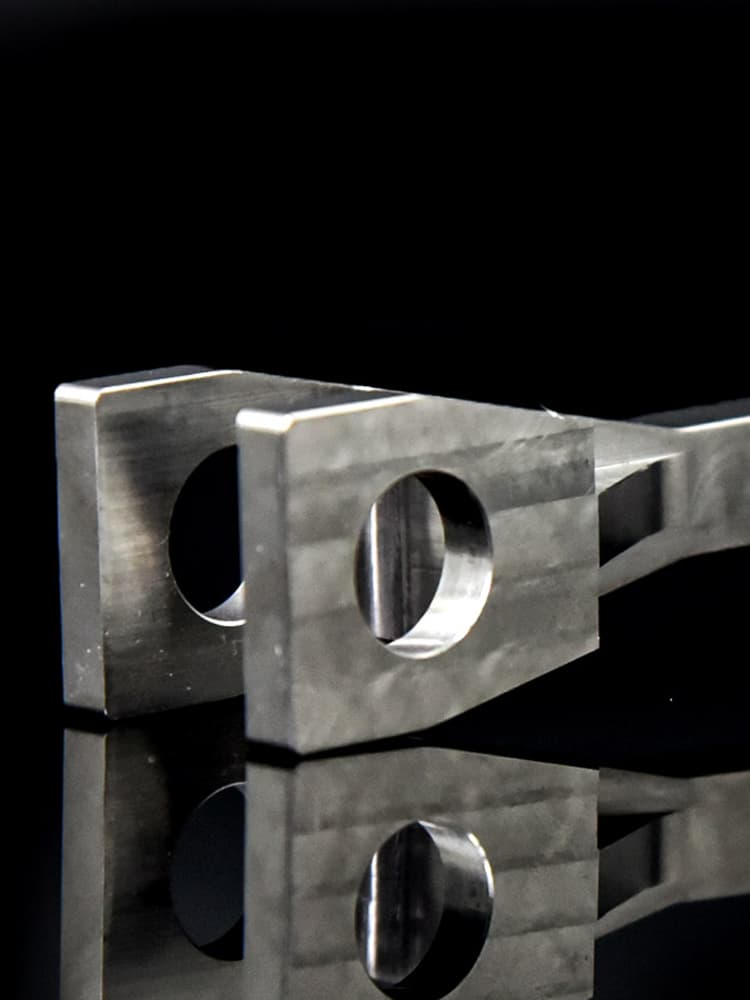
Titanium
Features: Extreme strength-to-weight ratio, low density, ultimate corrosion resistance, and excellent biocompatibility.
Common Grades:
Ti-6Al-4V (Grade 5): The benchmark titanium alloy, widely specified for its supreme mechanical strength and corrosion resistance.
Grade 2 Commercially Pure Titanium: Delivers excellent formability and superior corrosion resistance in aggressive environments.
Applications: Aerospace structures, biomedical implants, chemical processing vessels, and high-end motorsport engineering.
- Solutions for Difficult-to-Machine Materials: By deploying specialized carbide tools and rigid machining parameters, we effectively mitigate titanium’s low thermal conductivity, high spring-back tendencies, and accelerated tool wear.
- Advanced Surface Finishing: Providing precision bead blasting, passivation, and custom anodizing treatments to significantly enhance surface durability, aesthetics, and wear profiles.
- Aerospace-Grade Precision & Reliability: Consistently delivering tight tolerances and structural integrity to meet the uncompromising standards of high-performance mission-critical industries.
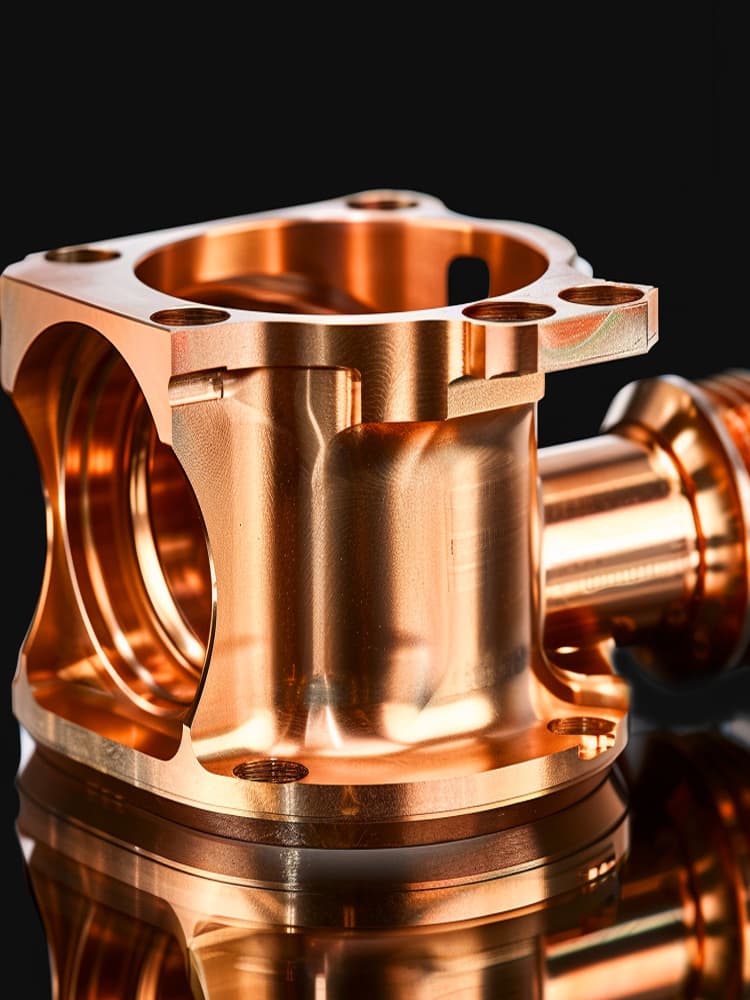
Copper
C110 (Electrolytic Tough Pitch Copper): Features exceptional electrical and thermal conductivity combined with excellent cold working properties.
C101 (Oxygen-Free Electronic Copper): Offers ultimate electrical conductivity and high purity, ideal for high-vacuum, semiconductor, and premium electronics.
Applications: High-performance electrical connectors, semiconductor components, semiconductor packaging, RF shielding, and high-efficiency heat sinks.
- High-Precision Conductive Component Machining: Through specialized tool geometry to prevent material adhesion, we control dimensional tolerances to within ±0.005mm, ensuring stable electrical signal transmission.
- Superior Surface Integrity: Precision diamond polishing and rigorous optical inspection guarantee burr-free edges and an ultra-smooth surface roughness of up to Ra0.4.
- Complex & Intricate Geometry Machining: Advanced 5-axis CNC machining centers efficiently execute intricate internal pathways, thin-walled structures, and highly detailed profiles without material distortion.
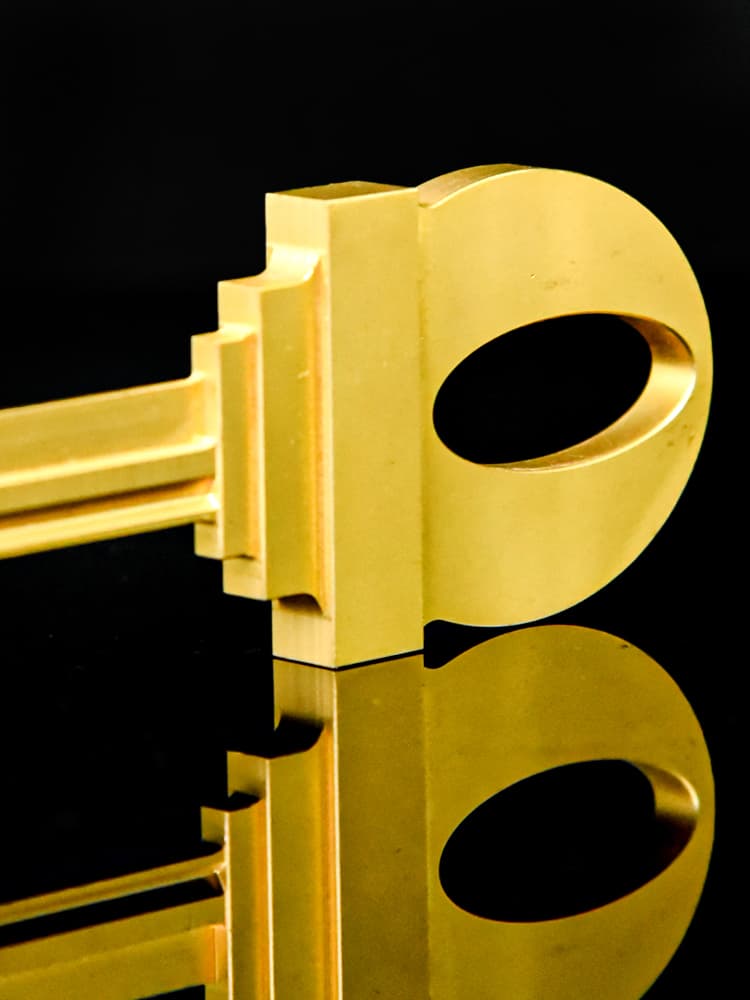
Brass
C360 (Free-Cutting Brass): Delivers peak machinability and low tool wear, engineered for ultra-high-speed precision turning and complex component fabrication.
C272 (Yellow Brass): Offers excellent cold-working ductility and formability, ideally suited for architectural, stamped, and decorative components.
Applications: Fluid control manifolds, precision plumbing components, heavy-duty valve internals, electronic connectors, and luxury decorative hardware.
- Superior Surface Finish Quality: Consistently achieving a pristine surface roughness of up to Ra0.4, satisfying the strict cosmetic and contact criteria for high-end connectors and exposed hardware.
- High-Velocity Machining Efficiency: Through tailored high-speed toolpath strategies and synchronized machining parameters, we enhance throughput and cycle efficiency by 20%.
- High-Volume Production Stability: Equipped with automated bar feeders and real-time SPC tracking, we comfortably handle mass production runs with a 99.8% component qualification rate.
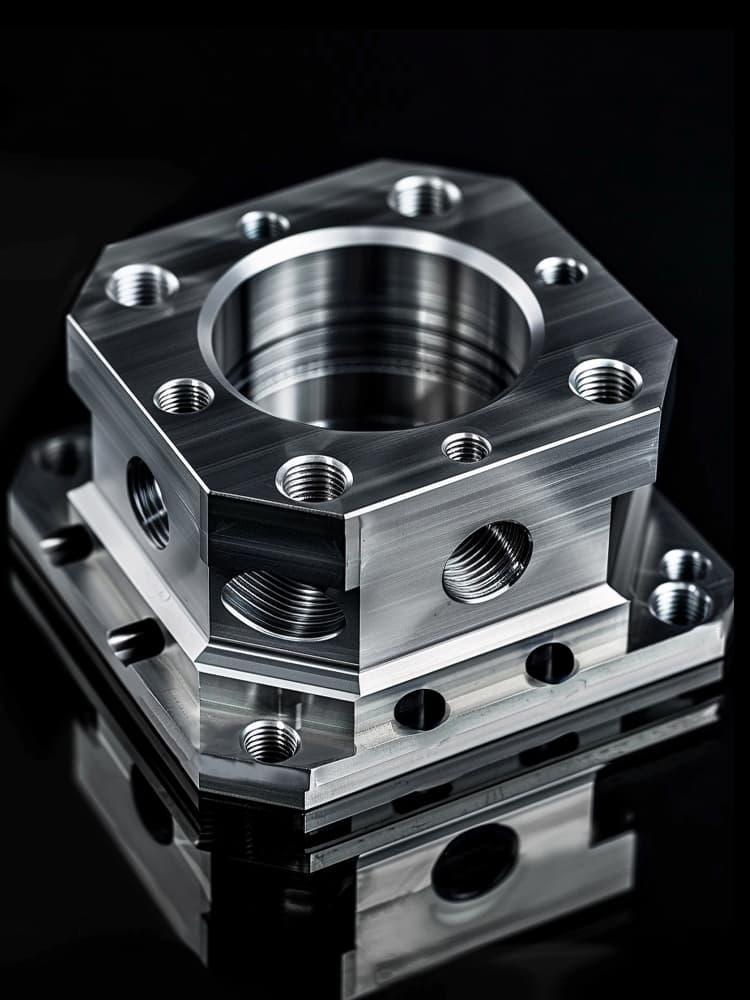
Super Alloys
Features: Exceptional mechanical strength, excellent creep resistance, and superior oxidation/corrosion resistance under extreme elevated temperatures.
Common Grades: Inconel 718, Hastelloy C276, Monel 400.
Applications: Aerospace propulsion engines, gas turbine components, deep-sea oil/gas hardware, and severe-service chemical processing systems.
- Mastering Hard-to-Machine Superalloys: Armed with deep engineering expertise in processing Inconel and Hastelloy, we implement customized rigid setups and advanced cooling strategies to conquer severe work-hardening tendencies and high cutting forces.
- Extreme Durability & High Precision: We deliver flight-ready and mission-critical components that withstand ultra-hostile, thermal, and corrosive environments, consistently maintaining a 99.8% customer acceptance rate.
World's Fastest
CNC Machined 304 Stainless Steel Parts: From Drawing to Production
Boraco supports projects from early prototypes through repeat production. Our team reviews the drawing, manufacturing method, material specification, and quality requirements before confirming the production plan.
- Submit your files: Send a 3D CAD model in STEP, STP, or IGES format, along with a 2D drawing where available.
-
Receive a DFM review: We review wall thickness, internal radii, deep holes, threads, tolerances, datum strategy, and finishing requirements.
-
Confirm the quotation: Pricing is based on material, geometry, quantity, machining time, finishing, inspection, and delivery requirements.
-
Approve the sample: Prototype samples can help validate fit, function, and critical dimensions before larger production runs.
-
Proceed to production: Once the specifications and sample requirements are approved, production and inspection follow the agreed project plan.
Sample lead times may start at 1–3 days, and production may take approximately 4–10 days for suitable projects. These are indicative planning ranges rather than guaranteed delivery times. Complex geometries, special materials, finishing, inspection, and order volume can extend the schedule.
For a broader overview of our manufacturing capabilities, visit Steel CNC Machining, CNC Machining Materials, and China CNC Machining.
Tolerances and Surface Finishes for 304 CNC Machined Parts
Achievable tolerances depend on part geometry, dimensions, wall thickness, material condition, machining operations, and inspection method. Boraco can target tolerances down to ±0.005 mm for suitable features and projects. This is not a blanket guarantee for every dimension or every 304 stainless steel component.
For an accurate quotation, provide a drawing with clearly identified critical dimensions, geometric tolerances, datums, and surface-finish requirements. This allows our team to evaluate manufacturability and identify features that may need special tooling, additional setups, or more extensive inspection.
Available Finishing Options
-
As-machined finish: Suitable where tool marks are acceptable and the design does not require a decorative finish.
-
Polishing: Improves surface appearance and can reduce surface roughness when the appropriate process is specified.
-
Electropolishing: An electrochemical process that can improve surface smoothness and cleanliness for suitable components.
-
Passivation: A chemical treatment intended to remove free iron contamination and support the formation of a passive surface. It does not repair poor machining or eliminate every corrosion risk.
-
Bead blasting: Produces a more uniform matte appearance, depending on the media and process parameters.
Surface finishing can affect dimensions, appearance, cleanliness, and performance. Tell us whether the part requires a specified Ra value, cosmetic inspection, passivation, or other finishing requirements before production.
304 stainless steel is used across multiple industries because it combines useful corrosion resistance with strength, formability, and broad availability. The appropriate grade and finish still depend on the operating environment and relevant industry requirements.
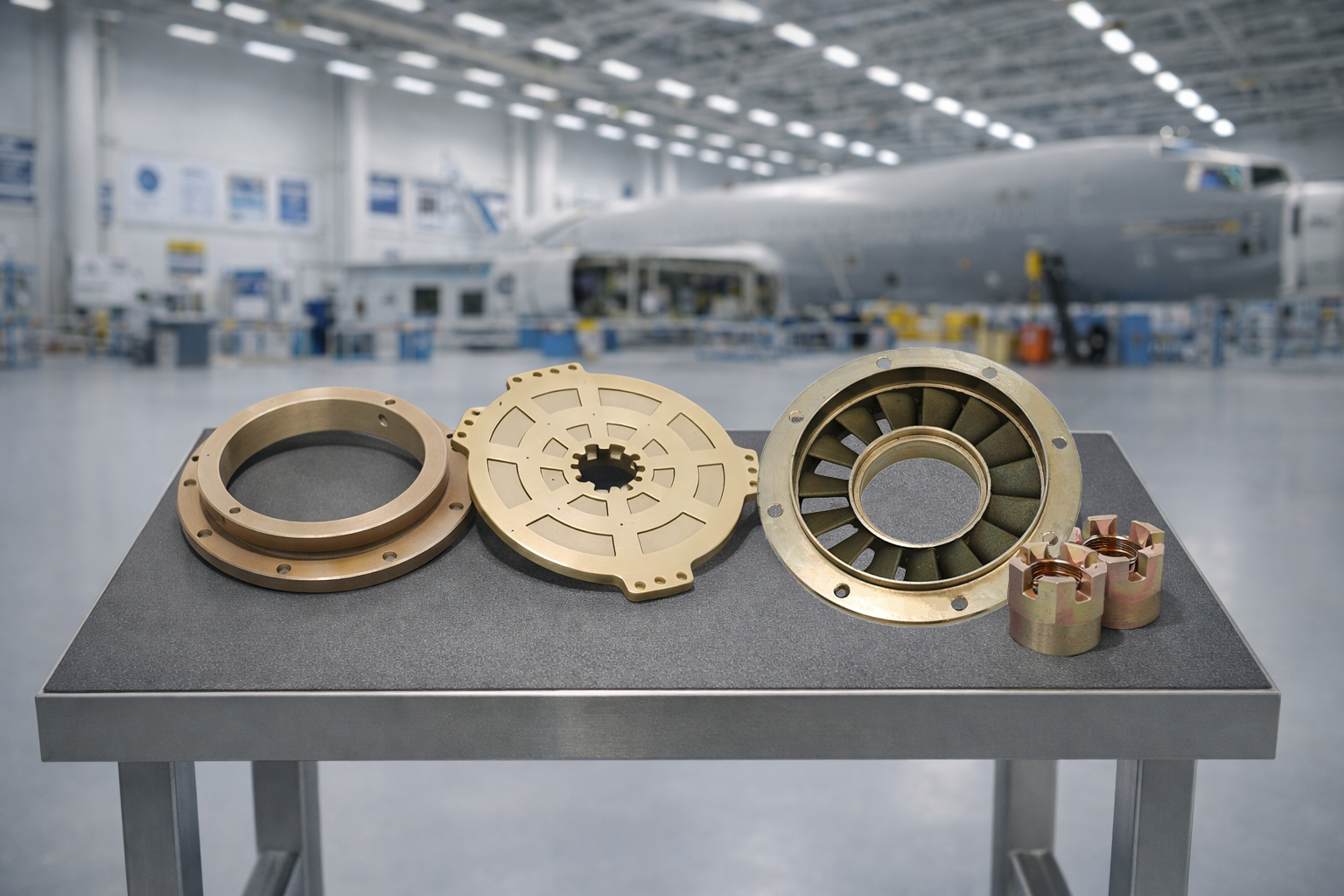
Aerospace
Cabin and exterior, lighting and vents components. jigsand fixtures in the aviation industry
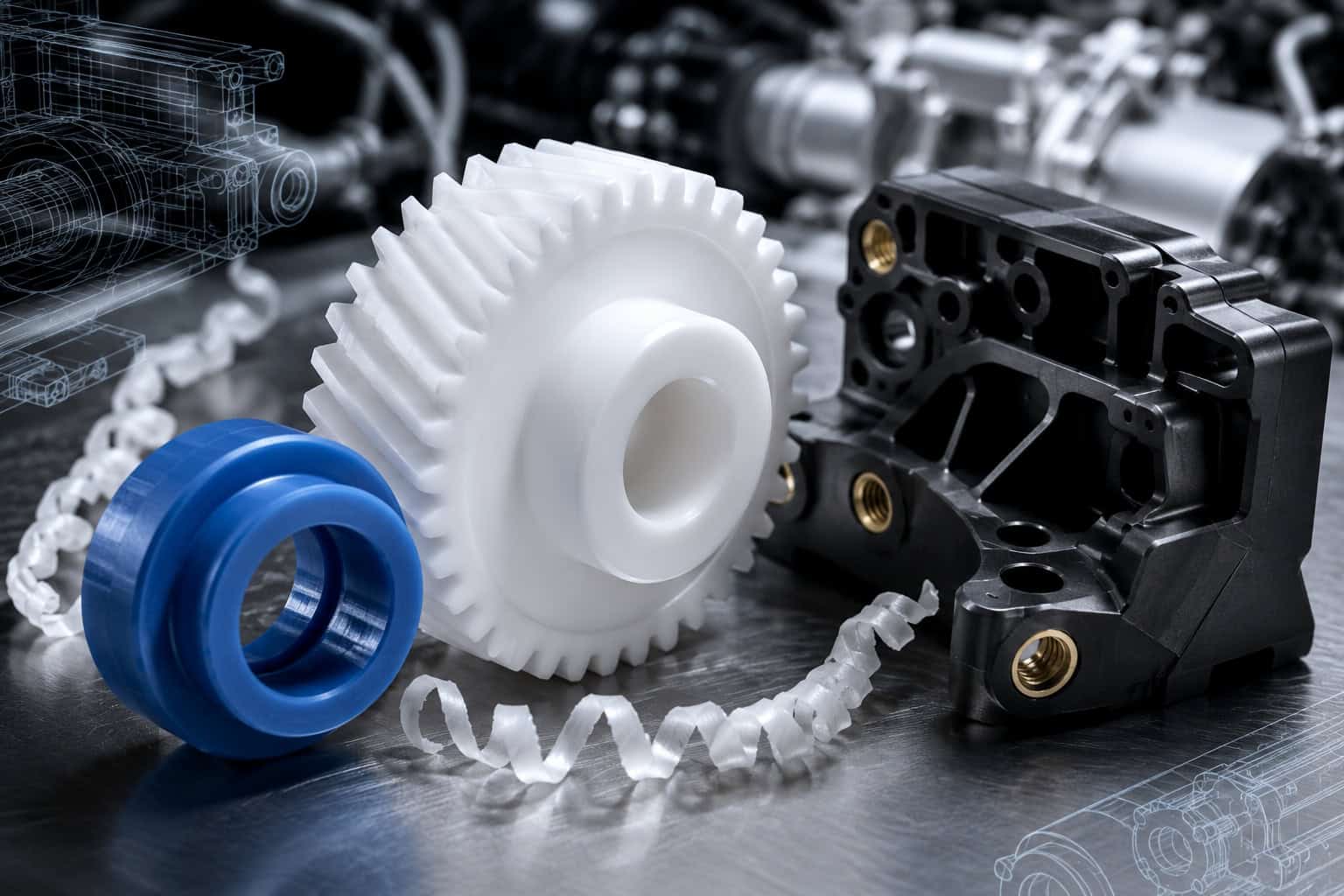
consumer goods machining
Boraco Machining delivers custom CNC machined components for consumer products—from rapid prototypes to 1,000,000+ parts
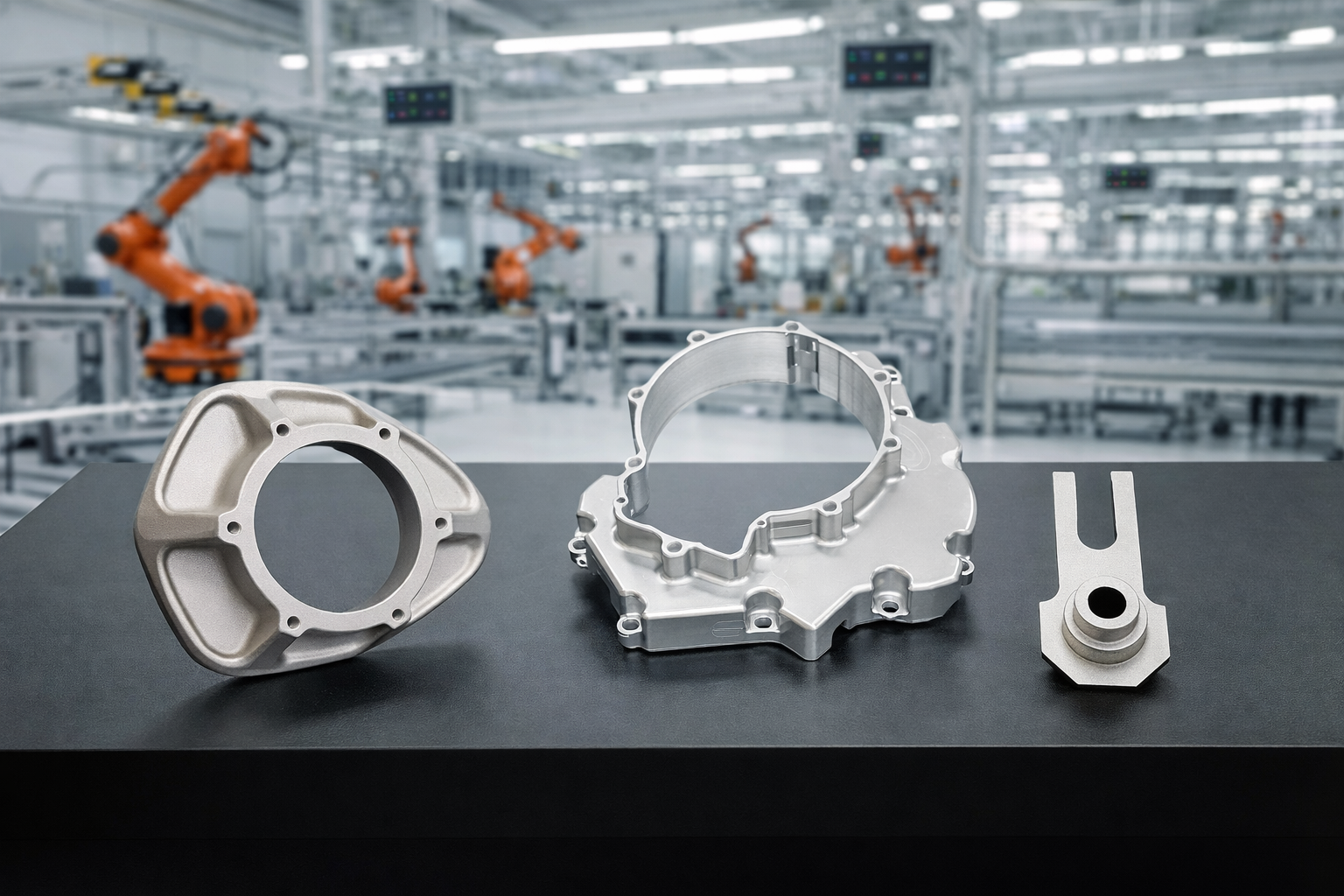
Automotive
Interior and exterior parts, under-the-hood componentsin the automotive and EV industry
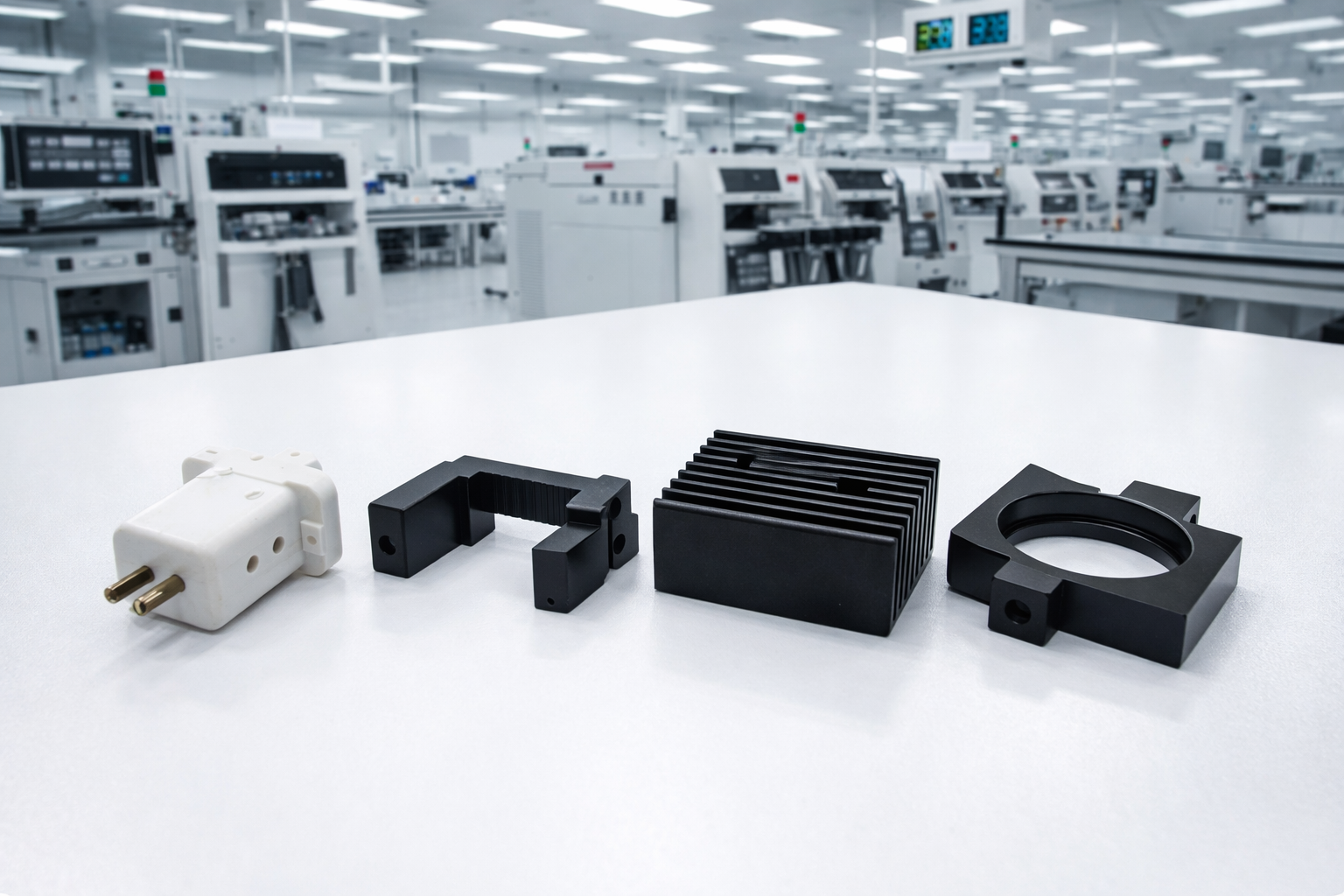
Electronic
Casing. housing and components of cellphones,headphones, game controllers, cameras in theconsumerarea
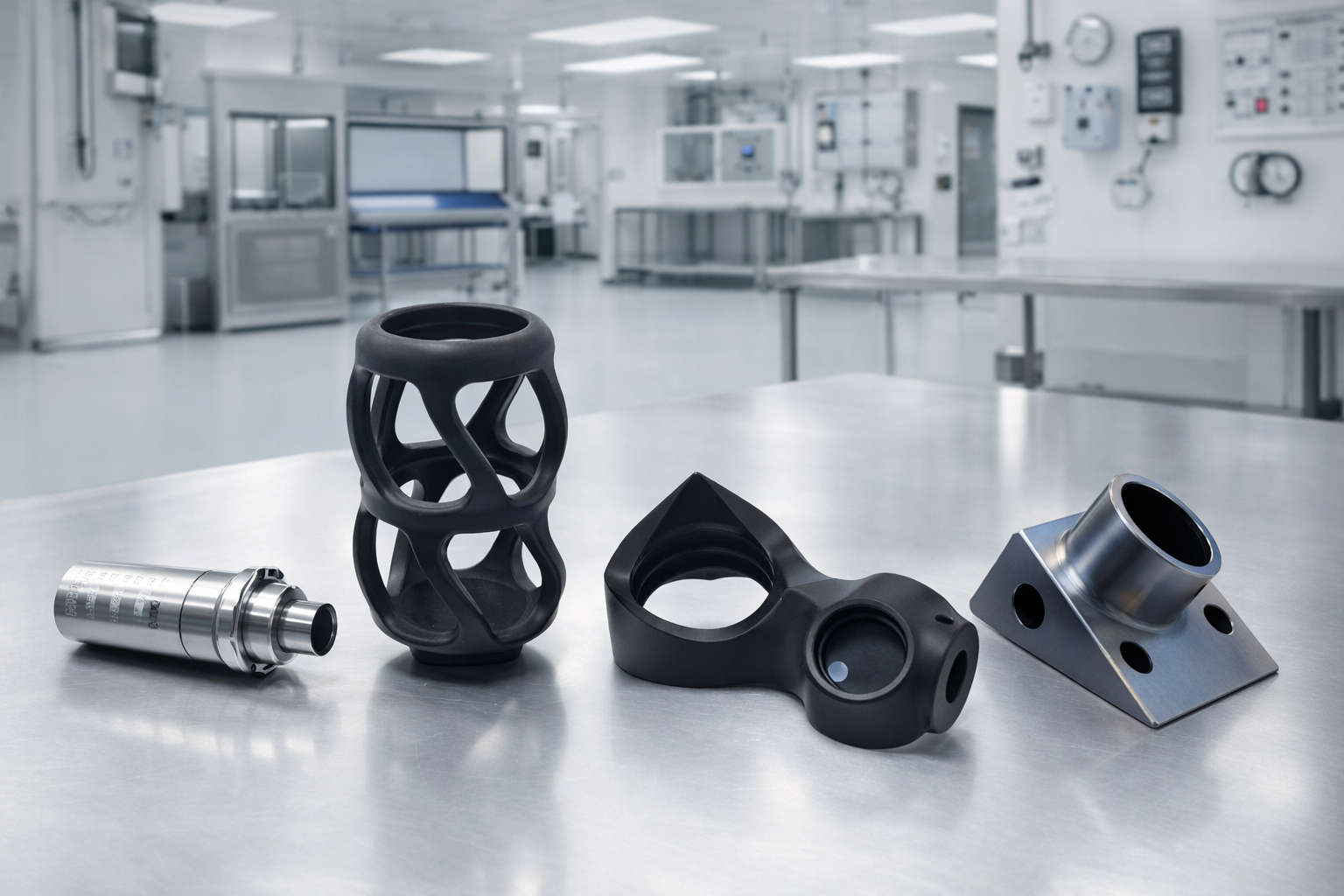
Medical
Medical items and healthcare devices, shells andsurgical instruments in the medical and healthcareindustry
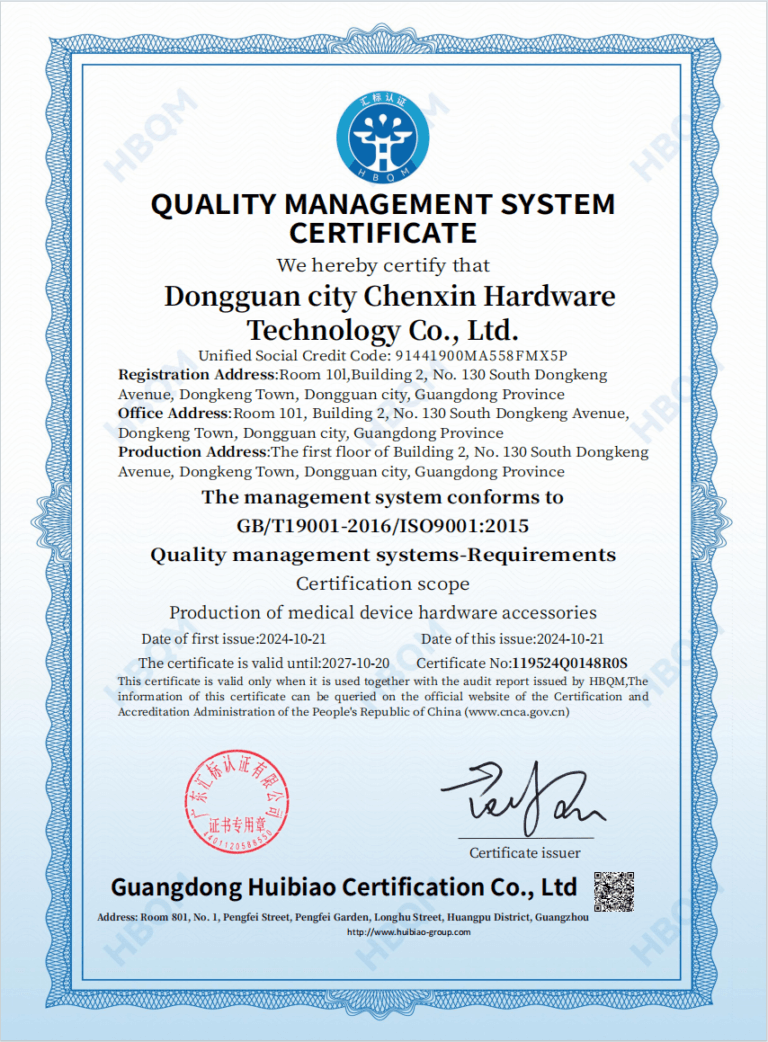
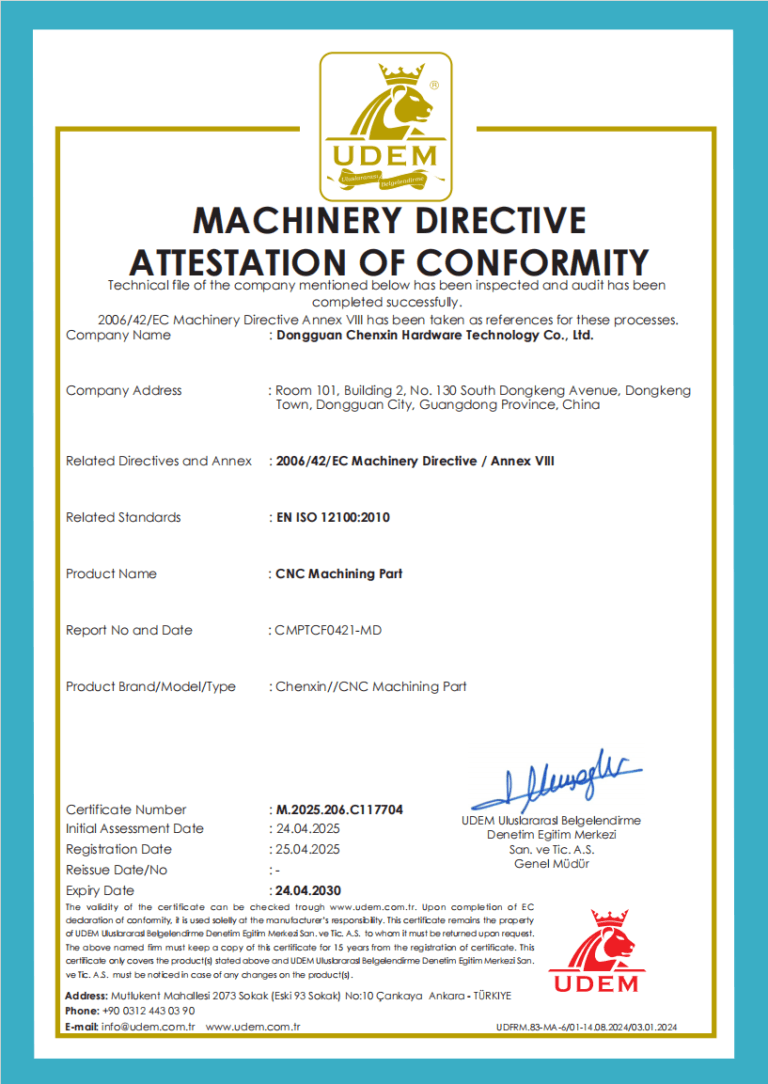
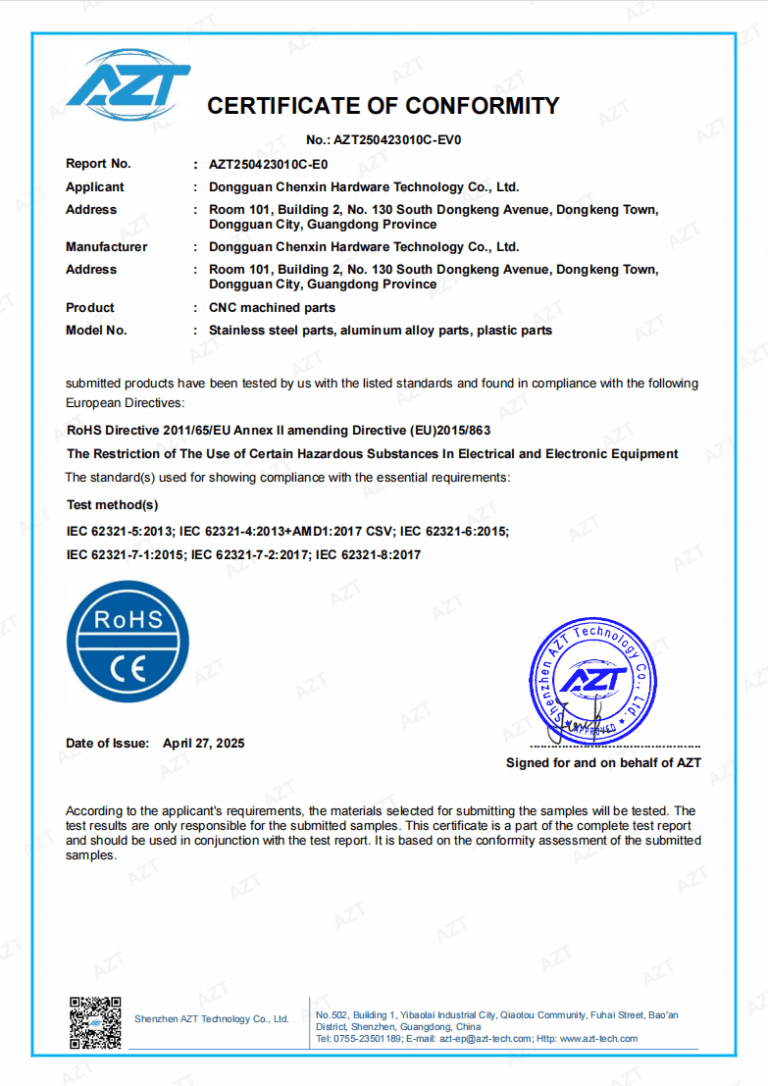
Choosing a China CNC machining supplier is not only about price. Procurement teams need confidence that the supplier has the quality system, equipment, capacity, and process control required for long-term cooperation.
ISO 9001 Quality Management
ISO 9001 certified manufacturing processes help establish a structured quality management framework for CNC machining production.
Precision Inspection
Dimensional inspection is integrated into the production process to help verify critical part requirements and maintain consistency.
Production Security
Customer CAD files, drawings, specifications, and project information should be handled through controlled communication and document-management procedures.
Manufacturing Capacity
2,000㎡ Facility
50+ Advanced Machines
3/4/5-Axis Machining
±0.005mm Accuracy
Industries Served
- Consumer Products
- Consumer Electronics
- Automotive
- Aerospace
- Medical Devices
- Industrial Equipment
our partners trust us

Oliver Bennett
Senior Design Engineer, UK medical device manufacturer
“Our connectors sit in a saline environment, and every supplier just said ‘use stainless steel’ without thinking further. Your engineer was the first to clearly map out the boundary between 304 and 316 for us: 304 is perfectly adequate for indoor, dry applications, but any chloride contact calls for 316. The material decision was right first time — no rework, and we saved roughly 20% on material cost versus the initial spec.”

Precision & Quality
Quality Manager, UK automation systems company
“Our linear guide mounts demand a ±0.005mm tolerance, and every batch arrives with a full CMM inspection report, so every dimension is traceable. What impressed us most is that they actually understand work hardening in austenitic stainless — they adjusted tooling and feed rates proactively to stop our thin-walled parts from distorting. Over 3,000 parts in three months, with zero rejections.”

Michael Thornton
Head of Procurement, food processing machinery firm, Midlands
“We needed welded housings and were worried about intergranular corrosion at the weld seams. Rather than just taking the order, they recommended 304L (low carbon) and explained why — the weld zone stays protected. The prototype arrived in 2 days and production was delivered in 8, almost half the lead time of our previous supplier. From enquiry to despatch in 10 days, which let us win the customer’s delivery window.”
Request a Quote for 304 Stainless Steel CNC Machining
Looking for a reliable supplier for CNC machined 304 stainless steel parts? Send Boraco your drawings for a factory-direct quotation and engineering review. We can assess machining feasibility, critical dimensions, material requirements, surface finishing, and the production plan for your project.
Submit your STEP, STP, or IGES files to discuss your 304 stainless steel CNC machining requirements. NDA arrangements can be discussed before sharing confidential design files.
Frequently Asked Questions About 304 Stainless Steel CNC Machining
Most frequent questions and answers
1. What is 304 stainless steel?
304 stainless steel is a widely used austenitic chromium-nickel stainless steel, commonly described as 18/8 stainless steel. It offers a balance of corrosion resistance, toughness, and fabrication performance for many industrial and commercial applications. Its suitability depends on the environment and the component’s design requirements.
2. What is the difference between 304 and 304L stainless steel?
304L has a maximum carbon content of 0.03%, compared with 0.08% for standard 304 under common specifications. The lower carbon content reduces the risk of sensitization during welding or certain thermal cycles. Select the grade according to welding requirements, service conditions, and the applicable material specification.
3. What tolerances can Boraco achieve when machining 304 stainless steel?
Boraco can target tolerances down to ±0.005 mm on suitable features, depending on part geometry, dimensions, workholding, machining process, and inspection requirements. Not every dimension can necessarily meet this tolerance. Share your drawing so the engineering team can review critical features and confirm achievable tolerances.
4. Is 304 or 316 stainless steel better for corrosion resistance?
304 is suitable for many general indoor and atmospheric applications. 316 contains molybdenum, which generally improves resistance to chloride-related pitting and crevice corrosion. For salt spray, seawater, or chloride-containing chemicals, evaluate 316 or another suitable alloy against the actual service conditions.
5. Do you provide 304L stainless steel machining?
304L can be evaluated for CNC machining projects that specify the low-carbon grade, particularly for welded assemblies or applications where sensitization risk matters. Confirm the required standard, material certification, and post-machining processes when requesting a quotation.
6. How long does it take to receive samples and production parts?
Sample machining may start at 1–3 days, while suitable production orders may take approximately 4–10 days. Actual lead time depends on part complexity, quantity, material availability, finishing, inspection, and current production capacity. The delivery schedule will be confirmed during quotation.
Latest Technology Sharing Blog