








Mon - Fri: 9:00 - 17:30

Online store always open

+86 15386139826

24/7 Customer Support

Info@boracomachining.com

Personalized service

Industry Standard

ISO 9001

Factory strength

2000㎡

Engineering team

150+

CNC machining equipment

50+

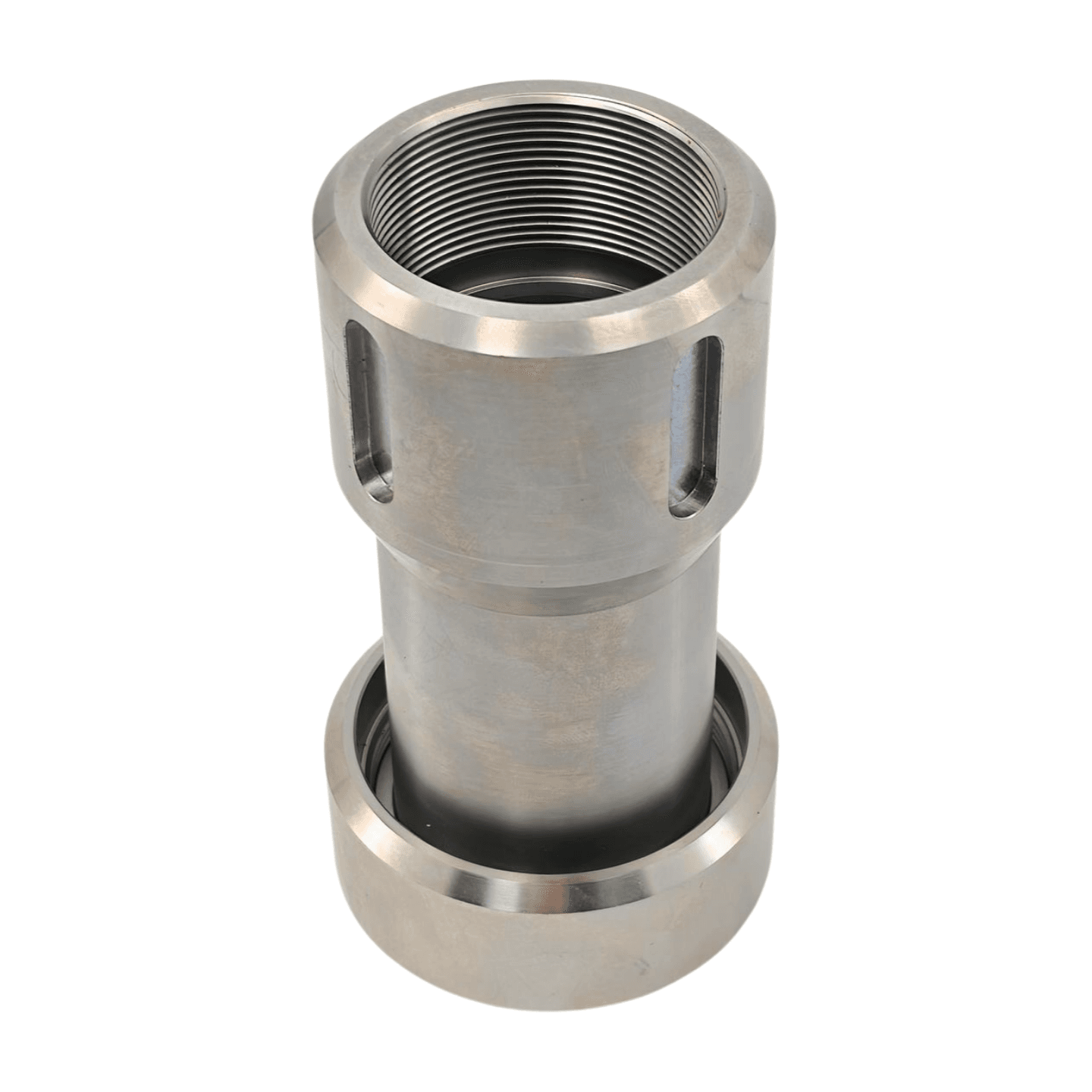
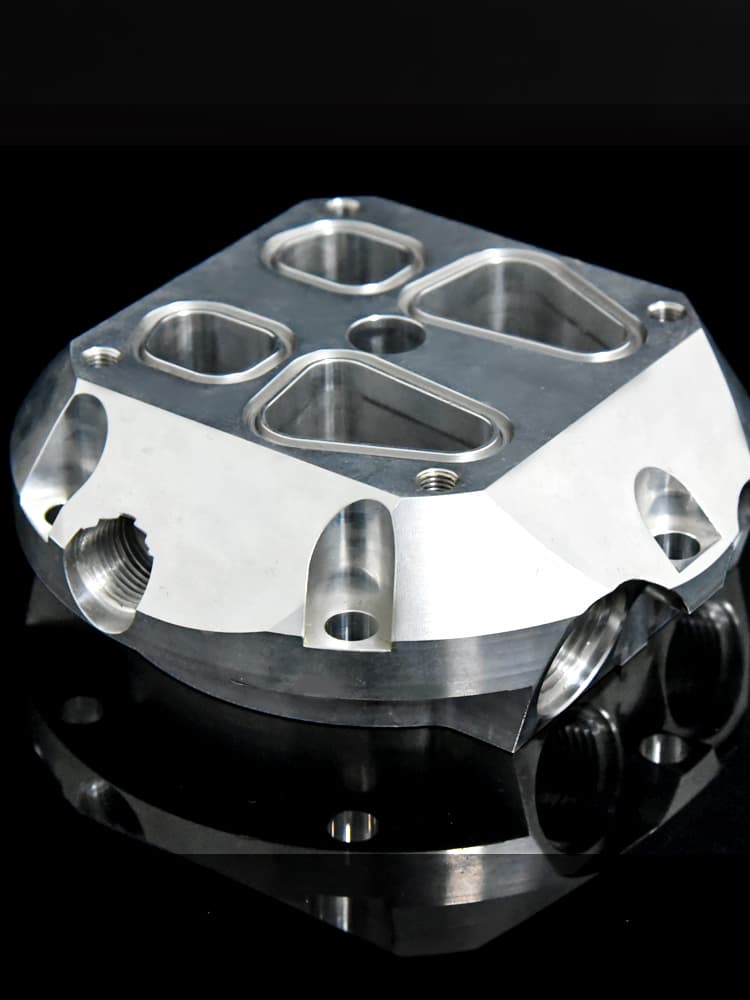
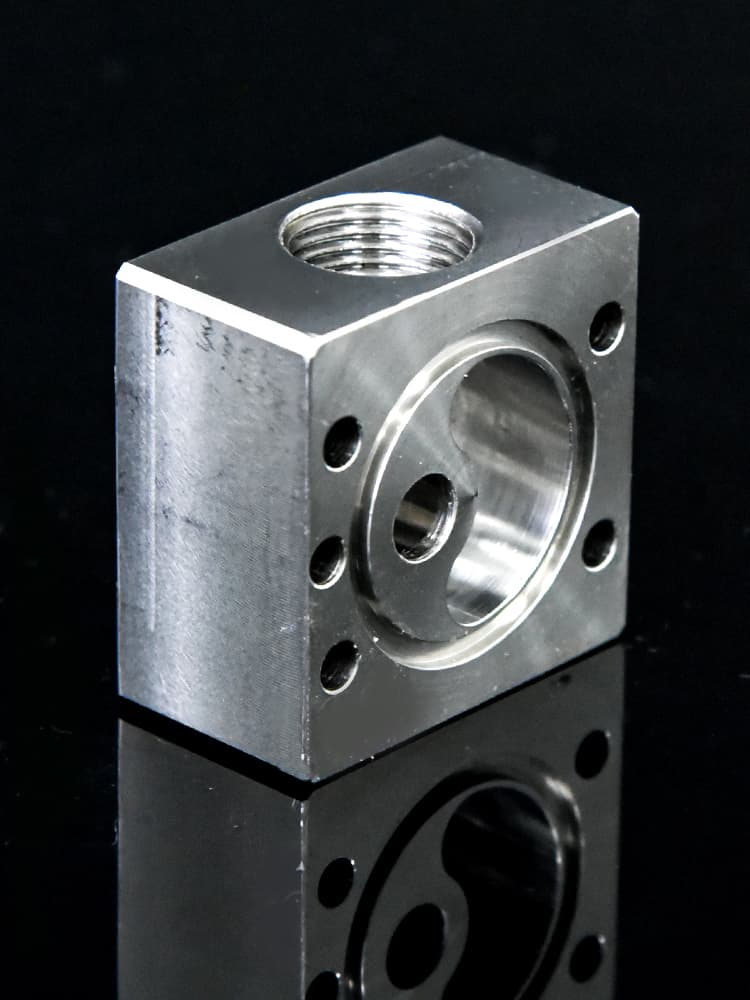
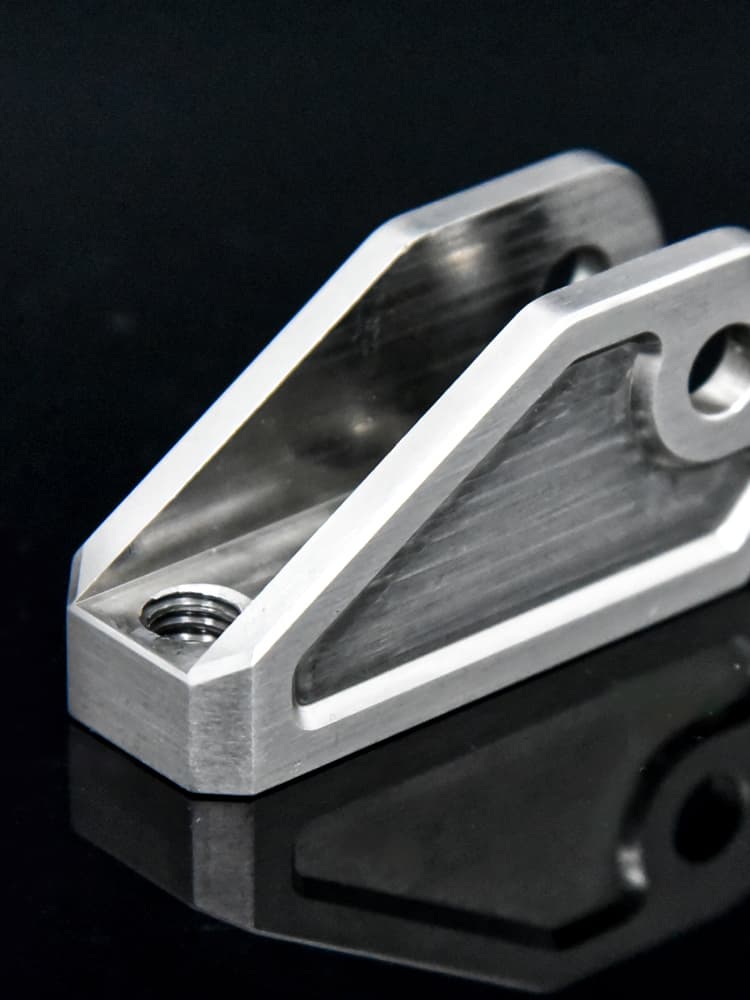
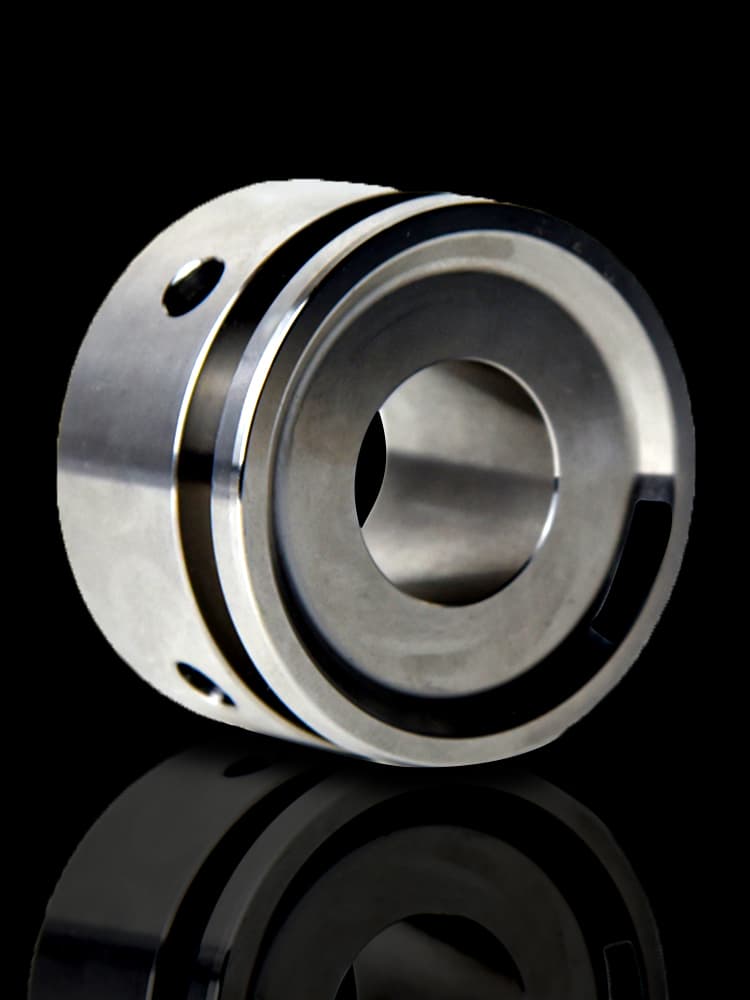
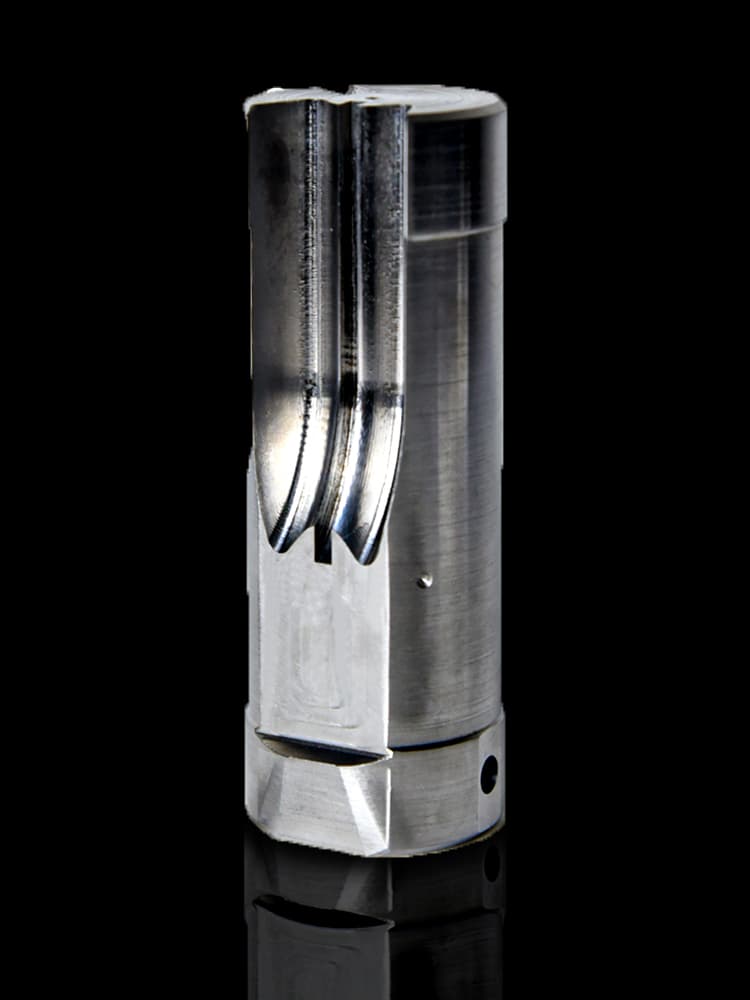
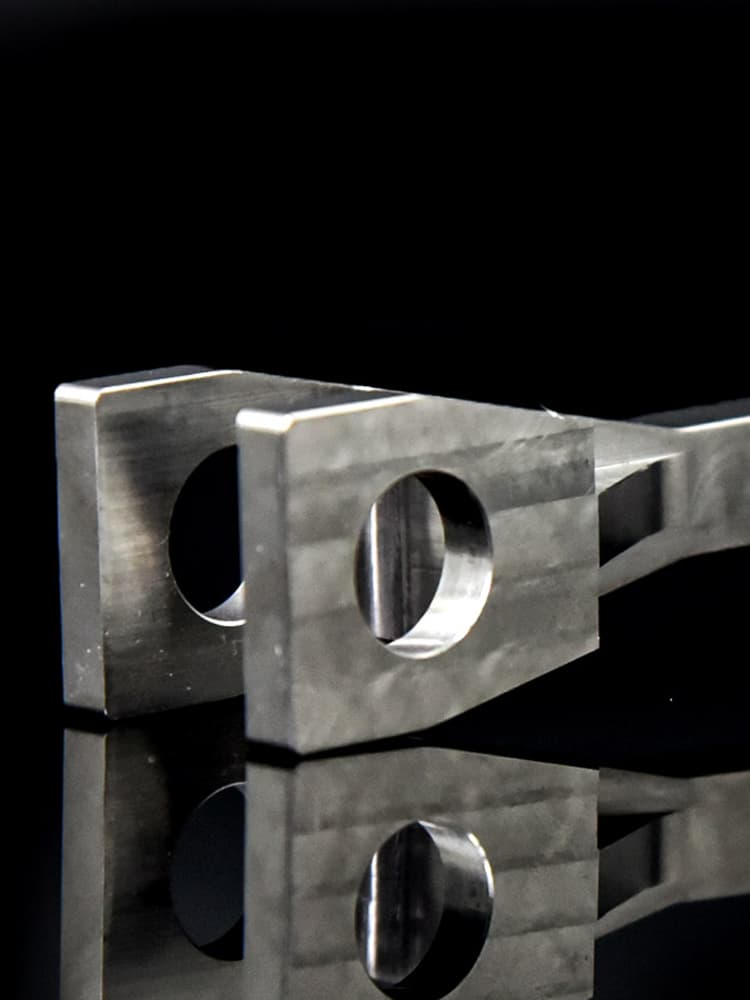
316 Stainless Steel CNC Machining Services — Marine-Grade Parts

  • Precision Tolerance: Down to ±0.005 mm (CMM inspected)

  • Rapid Turnaround: 1–3 business days for prototypes; 99.9% on-time delivery

  • Material Traceability: Certified 316 & 316L mill test reports (MTRs) upon request

  • IP Protection: Strict NDA signed before file upload

Submit your STEP, STP, or IGES files to discuss your 316 stainless steel machining project.

316 Stainless Steel CNC Machining
CNC milling services
316 Stainless Steel CNC Machining

Boraco Machining—

316 Stainless Steel CNC Machining Services — Marine-Grade Parts

What Is 316 Stainless Steel?

316 stainless steel is an austenitic chromium-nickel-molybdenum alloy developed for applications requiring better corrosion resistance than standard 304 stainless steel in certain aggressive environments.

Its key alloying addition is molybdenum, typically around 2–3%. Molybdenum improves resistance to localized corrosion, particularly pitting and crevice corrosion associated with chloride exposure.

For international engineering and procurement teams, common material designations include:AISI 316,UNS S31600,EN 1.4401,SUS316.

316 is frequently referred to as marine-grade stainless steel because of its improved corrosion resistance in many coastal and marine-related environments. However, the term marine grade does not mean that 316 is corrosion-proof in seawater. Continuous seawater immersion, warm stagnant water, and crevice conditions may require more highly alloyed materials.

316 Stainless Steel Chemical Composition

Typical chemical composition limits for common 316 specifications include:

ElementTypical Specification Range or Limit (wt.%)Contribution
Chromium (Cr)16.0–18.0%Helps form the passive layer that protects against corrosion.
Nickel (Ni)10.0–14.0%Stabilizes the austenitic structure and supports ductility.
Molybdenum (Mo)2.0–3.0%Improves resistance to pitting and crevice corrosion.
Carbon (C)≤ 0.08%Affects strength and sensitization behavior.
Manganese (Mn)≤ 2.0%Supports steel processing and material properties.
Silicon (Si)≤ 0.75%Used as a deoxidizing element during steel production.
Phosphorus (P)≤ 0.045%Controlled as an impurity.
Sulfur (S)≤ 0.030%Controlled according to the applicable specification.

The exact composition depends on the material standard and product form. For production orders, Boraco can review the requested grade and documentation requirements before machining.

CNC Machining Services

316 vs. 316L Stainless Steel

316L is the low-carbon version of 316 stainless steel. The letter “L” indicates a maximum carbon content of 0.03%, compared with 0.08% for standard 316 under common specifications.

The lower carbon content reduces the risk of chromium carbide precipitation during welding and certain thermal cycles. This helps preserve corrosion resistance around welded areas.

Comparison316 Stainless Steel316L Stainless Steel
Carbon content≤ 0.08%≤ 0.03%
ChromiumTypically 16–18%Typically 16–18%
NickelTypically 10–14%Typically 10–14%
MolybdenumTypically 2–3%Typically 2–3%
Main advantageGeneral-purpose corrosion-resistant machiningReduced sensitization risk after welding
Common applicationsMachined fittings, shafts, brackets, and equipment partsWelded assemblies, thin-wall structures, and pharmaceutical equipment

For parts manufactured primarily through CNC milling or turning without subsequent welding, 316 may be sufficient. For welded structures, thin-wall welded components, and applications where post-weld corrosion resistance is important, 316L is often the preferred specification.

316 and 316L generally have similar resistance to pitting corrosion when their alloy compositions are comparable. The main distinction is their carbon content and its influence on welding-related sensitization.

Boraco can review drawings specifying either 316 or 316L and help confirm the appropriate material requirement for your project.

Why Choose Boraco for 316 Stainless Steel CNC Machining?

01

Factory-Direct Manufacturing in China

Boraco supports overseas B2B customers through its Dongguan manufacturing operation. Buyers can communicate directly with the manufacturing team about drawings, material specifications, machining requirements, and project schedules.

02

Multiple CNC Machining Capabilities

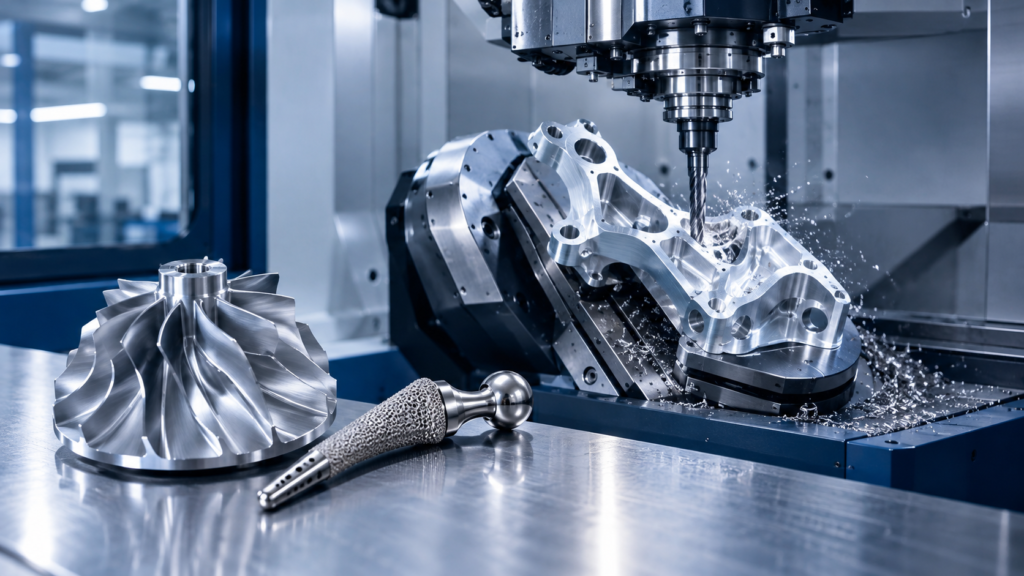
Our manufacturing capabilities include CNC milling, CNC turning, and multi-axis machining. These processes can be selected according to the geometry, tolerances, and functional requirements of your 316 stainless steel components.

03

Prototype-to-Mass-Production Support

We support prototype development, low-volume manufacturing, and larger production orders. Project quantities and production schedules are evaluated according to machining feasibility and manufacturing requirements.

04

Engineering Support and DFM Feedback

Our team can review technical drawings, identify difficult-to-machine features, and discuss practical changes that may improve manufacturability and cost efficiency.

05

Quality and Inspection Requirements

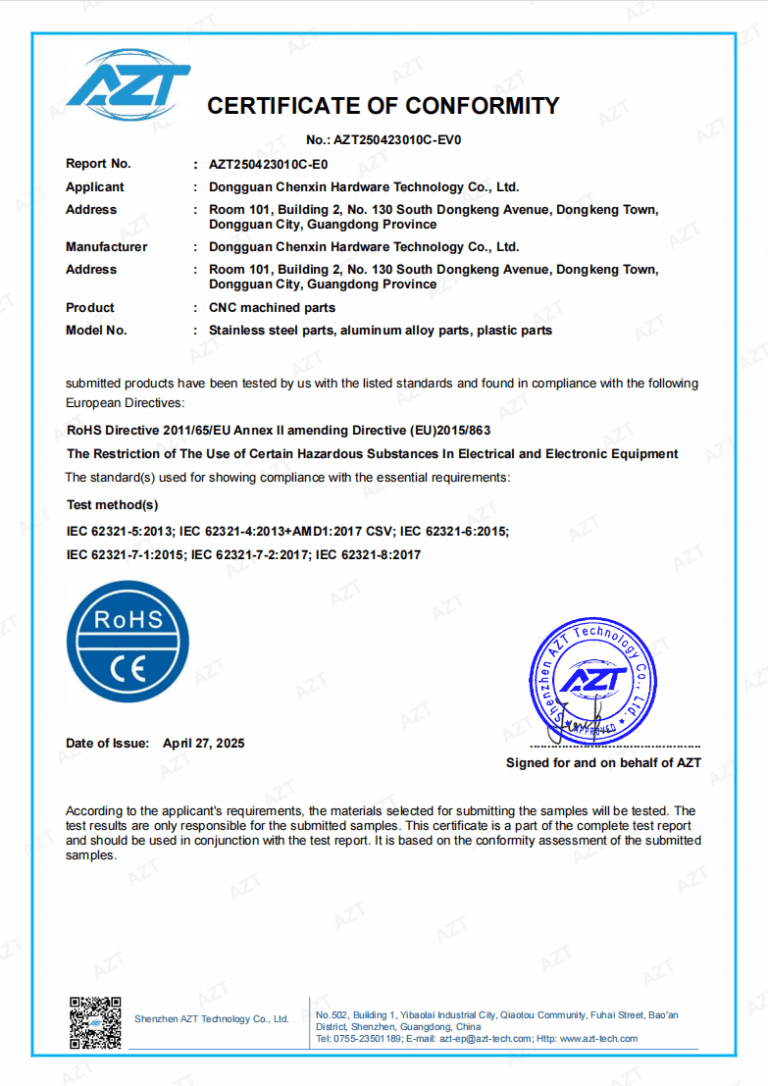
Boraco works with project-specific quality requirements under its stated ISO 9001 quality management framework. Inspection plans can be discussed before production, including critical dimensions, measurement methods, and required documentation.

For overseas procurement teams, this helps establish clear technical expectations before parts enter production.

304 stainless steel is used across multiple industries because it combines useful corrosion resistance with strength, formability, and broad availability. The appropriate grade and finish still depend on the operating environment and relevant industry requirements.

316 vs. 304 Stainless Steel: Cost and Performance Comparison

Selecting between 304 and 316 involves more than comparing their chemical compositions. Procurement teams should consider the operating environment, corrosion risks, machining requirements, and total component cost.

Comparison304 Stainless Steel316 Stainless Steel
Material designationAISI 304 / UNS S30400AISI 316 / UNS S31600
ChromiumApproximately 18–20%Approximately 16–18%
NickelApproximately 8–10.5%Approximately 10–14%
MolybdenumNo intentional principal additionApproximately 2–3%
Typical PRENAround 19Around 24
Pitting resistanceSuitable for many general environmentsImproved in many chloride-containing environments
Typical applicationsAppliances, general industrial parts, automotive componentsMarine-related hardware, chemical equipment, pharmaceutical components
Relative material costLowerHigher
Typical machining considerationsWork hardening and chip controlWork hardening, chip control, and project-specific tooling parameters


How Much More Does 316 Cost Than 304?

316 stainless steel generally costs more than 304 because of its higher nickel and molybdenum content.

For preliminary budgeting, 316 raw material may be approximately 20–40% more expensive than 304 under some purchasing conditions. This is an indicative estimate, not a fixed market price. Actual differences depend on mill pricing, product form, dimensions, material availability, order volume, and supplier quotations.

Machining costs may also be higher for some 316 components because of tooling requirements, cutting conditions, and chip management. However, the actual difference depends on part geometry, machine setup, tolerances, and production quantity.

Our material selection recommendation:

  • Choose 304 for dry indoor environments, general industrial components, and applications where standard corrosion resistance is sufficient.

  • Choose 316 for applications requiring improved resistance to chloride-related pitting and crevice corrosion.

  • Choose 316L for welded assemblies or projects where low-carbon material is specifically required.

Compare the alternatives on our 304 Stainless Steel CNC Machining page.

CNC Machining 316 Stainless Steel: Tolerances and Surface Finishes

316 stainless steel provides good corrosion resistance and mechanical properties, but it requires careful machining practices. Like 304, it is an austenitic stainless steel that can undergo significant work hardening during cutting.

The alloy’s machining behavior depends on its material condition, product form, cutting parameters, tool geometry, and component design. It is therefore important to develop a machining process specifically for each part rather than applying standard carbon-steel cutting parameters.

How Boraco Machines 316 Stainless Steel Parts

Our engineering approach considers several important manufacturing factors:

  • Tool selection: Use suitable carbide cutting tools and sharp cutting edges to reduce cutting forces, heat generation, and built-up edge.

  • Stable cutting conditions: Maintain appropriate feed rates and cutting speeds to avoid excessive rubbing or tool dwell.

  • Workholding and rigidity: Use secure fixtures to control vibration and dimensional variation, especially for thin-wall and complex components.

  • Coolant and chip evacuation: Manage heat and remove chips effectively to protect the cutting edge and machined surface.

  • Process planning: Select machining sequences according to the part’s geometry, critical features, and dimensional requirements.

  • Dimensional inspection: Define critical dimensions and inspection methods before machining begins.

Common Materials for Boraco CNC Machining

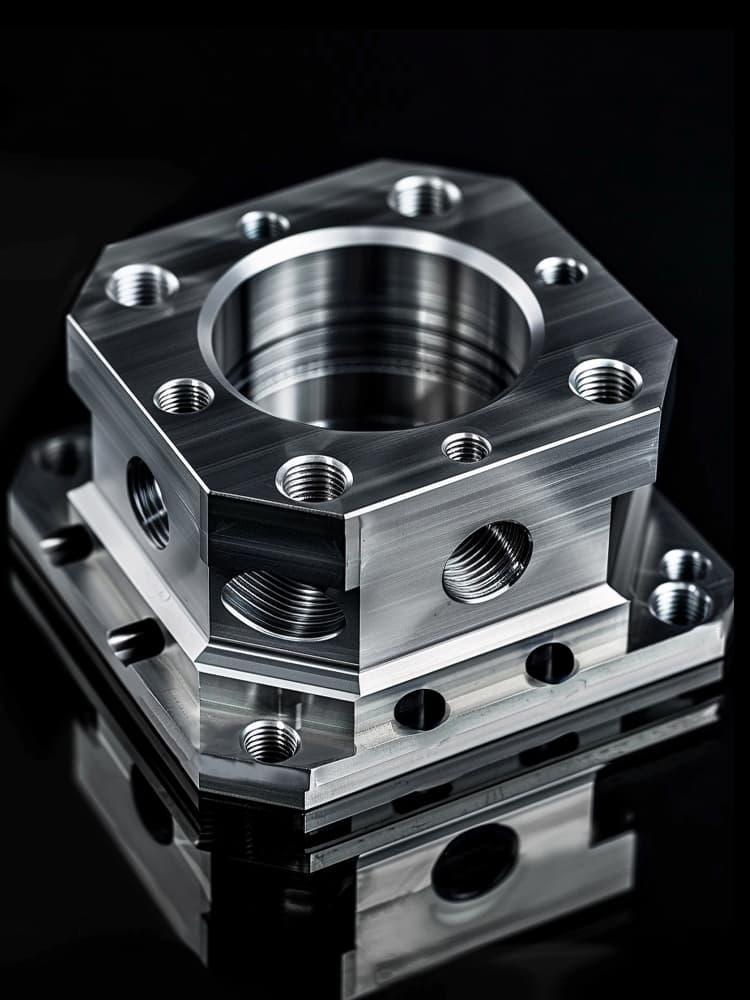
machined-aluminum

Aluminum

Features: High strength-to-weight ratio, exceptional thermal conductivity, robust corrosion resistance, and superior machinability.

Common Grades: 6061, 7075, 2024, 5052.

Applications: Aerospace structures, automotive components, electronics enclosures, medical devices, and renewable energy sectors.

stainless-steel-machining-services

Stainless Steel

Features: Exceptional tensile strength, superior corrosion resistance, high thermal tolerance, and low maintenance requirements.

Common Grades: 304, 316, 410, 17-4PH.

Applications: Food processing machinery, medical devices, marine hardware, automotive engineering, and high-end consumer appliances.

  • Overcoming Machining Challenges: Utilizing specialized cutting geometries and advanced high-pressure cooling technologies, we effectively mitigate work hardening, thermal deformation, and accelerated tool wear.
  • Corrosion Resistance Assurance: Rigorous machining protocols and precision surface treatments ensure component longevity, delivering a 30% increase in service life.
  • Consistent Quality: Comprehensive 100% dimensional inspection and surface hardness testing guarantee a 99.8% qualification rate across all production lots.
Learn more about CNC Stainless Steel parts materials>>
cnc-Carbon-Steel-parts-machining

Carbon Steel

Low Carbon Steel: Moderate tensile strength combined with superior ductility and formability, ideal for light structural components.


Medium Carbon Steel: Enhanced mechanical strength and yield toughness, perfectly suited for heavy-duty load-bearing parts.


High Carbon Steel: Maximum hardness and wear resistance, engineered for heavy-duty cutting tools and resilient spring components.


Applications: Precision gears, heavy-duty shafts, structural frameworks, complex industrial machinery components, and die/mold fabrications.


cnc-alloy-Steel-parts-machining

Alloy Steel

4140 Alloy Steel: Exceptional fatigue strength and wear resistance, ideal for heavy-load structural components.


4340 Alloy Steel: Combines deep-hardening fracture toughness with high ductility, engineered for aerospace and heavy industrial applications.


8620 Alloy Steel: Carburizing grade featuring excellent case-hardenability and a highly resilient, tough core, perfectly suited for gears and crankshafts.


Learn more about CNC alloy steel parts materials>>

custom-metal-parts-manufacturing

Tool Steel

D2 Tool Steel: High carbon, high chromium composition delivering exceptional abrasive wear resistance, ideal for precision cold-work die applications. 
 
H13 Tool Steel: Outstanding thermal shock resistance and hot toughness, engineered for demanding hot-work tooling. 
 
M2 High-Speed Steel: Superior red hardness and cutting efficiency, ideal for high-performance industrial cutting tools.
 
Applications: Precision mold manufacturing, custom cutting tools, heavy-duty stamping dies, industrial shafts, and severe wear-resistant components.
 
Learn more about CNC tool steel parts materials>>
titanium-cnc-machining

Titanium

Features: Extreme strength-to-weight ratio, low density, ultimate corrosion resistance, and excellent biocompatibility.

Common Grades:
Ti-6Al-4V (Grade 5): The benchmark titanium alloy, widely specified for its supreme mechanical strength and corrosion resistance.

Grade 2 Commercially Pure Titanium: Delivers excellent formability and superior corrosion resistance in aggressive environments.

Applications: Aerospace structures, biomedical implants, chemical processing vessels, and high-end motorsport engineering.


Learn more about CNC titanium parts materials>>
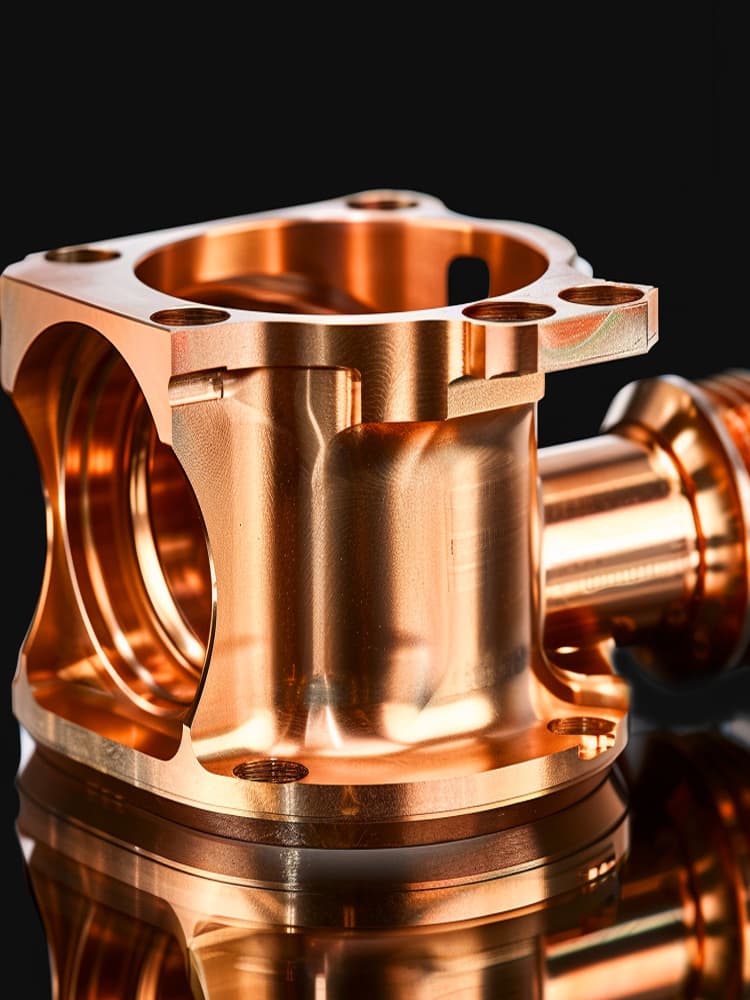
cnc-cooper-parts-machining

Copper

C110 (Electrolytic Tough Pitch Copper): Features exceptional electrical and thermal conductivity combined with excellent cold working properties.


C101 (Oxygen-Free Electronic Copper): Offers ultimate electrical conductivity and high purity, ideal for high-vacuum, semiconductor, and premium electronics.


Applications: High-performance electrical connectors, semiconductor components, semiconductor packaging, RF shielding, and high-efficiency heat sinks.

Learn more about CNC copper parts materials>>
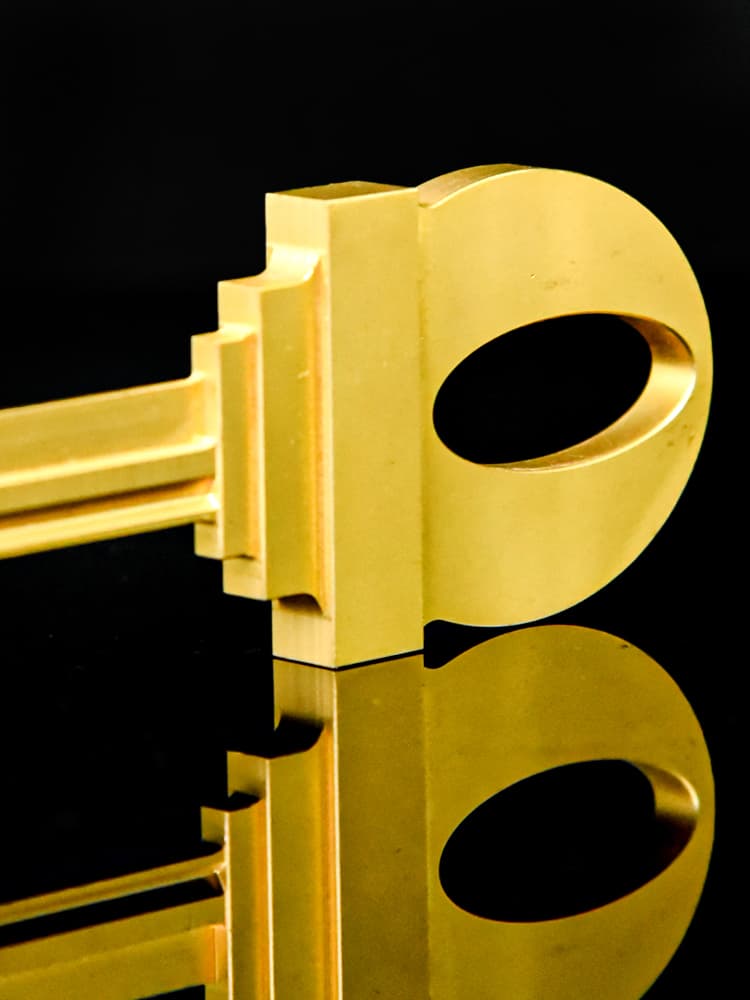
brass-cnc-machining-parts

Brass

C360 (Free-Cutting Brass): Delivers peak machinability and low tool wear, engineered for ultra-high-speed precision turning and complex component fabrication.

C272 (Yellow Brass): Offers excellent cold-working ductility and formability, ideally suited for architectural, stamped, and decorative components.

Applications: Fluid control manifolds, precision plumbing components, heavy-duty valve internals, electronic connectors, and luxury decorative hardware.


Learn more about CNC brass parts materials>>
cnc-super-alloy-parts-machining

Super Alloys

Features: Exceptional mechanical strength, excellent creep resistance, and superior oxidation/corrosion resistance under extreme elevated temperatures.

Common Grades: Inconel 718, Hastelloy C276, Monel 400.

Applications: Aerospace propulsion engines, gas turbine components, deep-sea oil/gas hardware, and severe-service chemical processing systems.


World's Fastest

Why Choose 316 Over 304? Understanding PREN and Chloride Resistance

The main reason engineers select 316 instead of 304 is its improved resistance to chloride-induced pitting and crevice corrosion.

Both grades belong to the austenitic stainless steel family, but 316 contains molybdenum, which provides an important advantage in environments containing salt, chlorides, and certain industrial chemicals.

What Is PREN?

PREN stands for Pitting Resistance Equivalent Number. It is a composition-based indicator commonly used to compare the relative resistance of stainless steel grades to pitting corrosion.

A commonly used calculation is:

PREN = %Cr + 3.3 × %Mo + 16 × %N

Where:

  • Cr = Chromium content

  • Mo = Molybdenum content

  • N = Nitrogen content

Typical approximate PREN values are:

  • 304 stainless steel: around 19

  • 316 stainless steel: around 24

  • 316L stainless steel: generally similar to 316 when alloy contents are comparable

The higher PREN value of 316 reflects the contribution of molybdenum to pitting resistance.

PREN is a useful comparison tool, but it is not a complete prediction of real-world corrosion performance. Actual results depend on temperature, chloride concentration, surface finish, crevice geometry, water movement, and other service conditions.

When Is 316 Worth the Extra Cost?
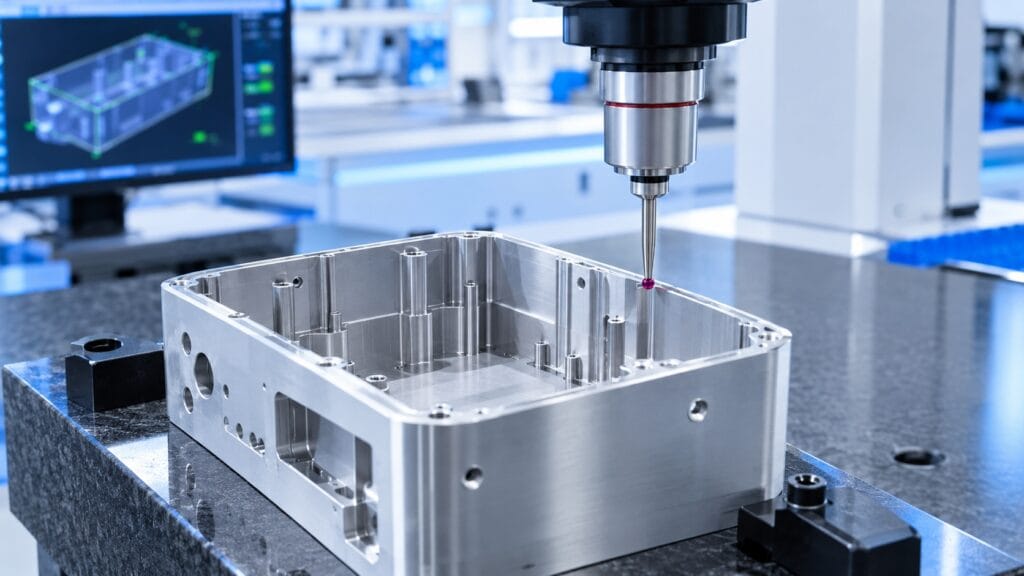
Ruby Probes in Precision Measurement

316 is worth considering when the operating environment creates a meaningful risk of chloride-related corrosion.

Typical applications include:

  • Coastal equipment exposed to salt-laden air.

  • Marine hardware exposed to intermittent seawater contact.

  • Food-processing equipment handling salty or chloride-containing products.

  • Chemical-processing components exposed to suitable chloride-containing media.

  • Pharmaceutical equipment requiring appropriate corrosion resistance and surface quality.

  • Outdoor assemblies exposed to aggressive industrial or coastal conditions.

However, 304 may be the more economical choice for dry indoor applications and many general-purpose components without significant chloride exposure.

There is no need to specify 316 simply because it is a higher-alloy grade. The material should match the actual operating environment and required service life.

Important marine application note: Although 316 is commonly called marine-grade stainless steel, it can still suffer pitting and crevice corrosion in permanent seawater immersion, especially where water is warm, stagnant, or trapped in narrow gaps. For severe seawater exposure, higher-alloy austenitic or duplex stainless steels may be more appropriate.

Precision Tolerances for 316 CNC Machined Parts

Boraco can target machining tolerances down to ±0.005 mm for suitable features and project conditions.

Achievable tolerances depend on:

  • Part dimensions and geometric complexity.

  • Material condition and stock consistency.

  • Wall thickness and workholding method.

  • Machining process and number of setups.

  • Required inspection method and measurement conditions.

CMM inspection can be specified for critical dimensions where appropriate. Share your technical drawing so our engineering team can review tolerances and confirm achievable manufacturing requirements before production.

Available Surface Finishing Options

316 stainless steel can receive several finishing treatments depending on the application’s functional, hygienic, and cosmetic requirements.

1. Passivation

Passivation is a chemical treatment intended to remove free iron contamination from the surface and support the development of a protective passive layer. It is especially relevant when stainless steel parts require controlled surface cleanliness after machining or fabrication.

2. Electropolishing

Electropolishing removes a thin layer of surface material through an electrochemical process. It can improve surface smoothness, reduce microscopic surface irregularities, and support cleaning requirements for suitable applications.

3. Mechanical Polishing

Mechanical polishing improves surface appearance and can achieve specified surface roughness requirements. It is commonly considered for visible components, food-processing equipment, and selected pharmaceutical applications.

4. Bead Blasting

Bead blasting creates a consistent matte appearance and can help produce a more uniform cosmetic finish. Media selection and processing parameters should be controlled to avoid unwanted contamination or surface damage.

5. As-Machined Finish

For functional components where appearance is secondary, an as-machined finish can be a cost-effective option.

Surface treatments should be selected according to the intended service environment and dimensional requirements. For example, electropolishing may remove material and change dimensions, so critical tolerances must be considered during process planning.

Explore our CNC Machining Surface Finishing Services.
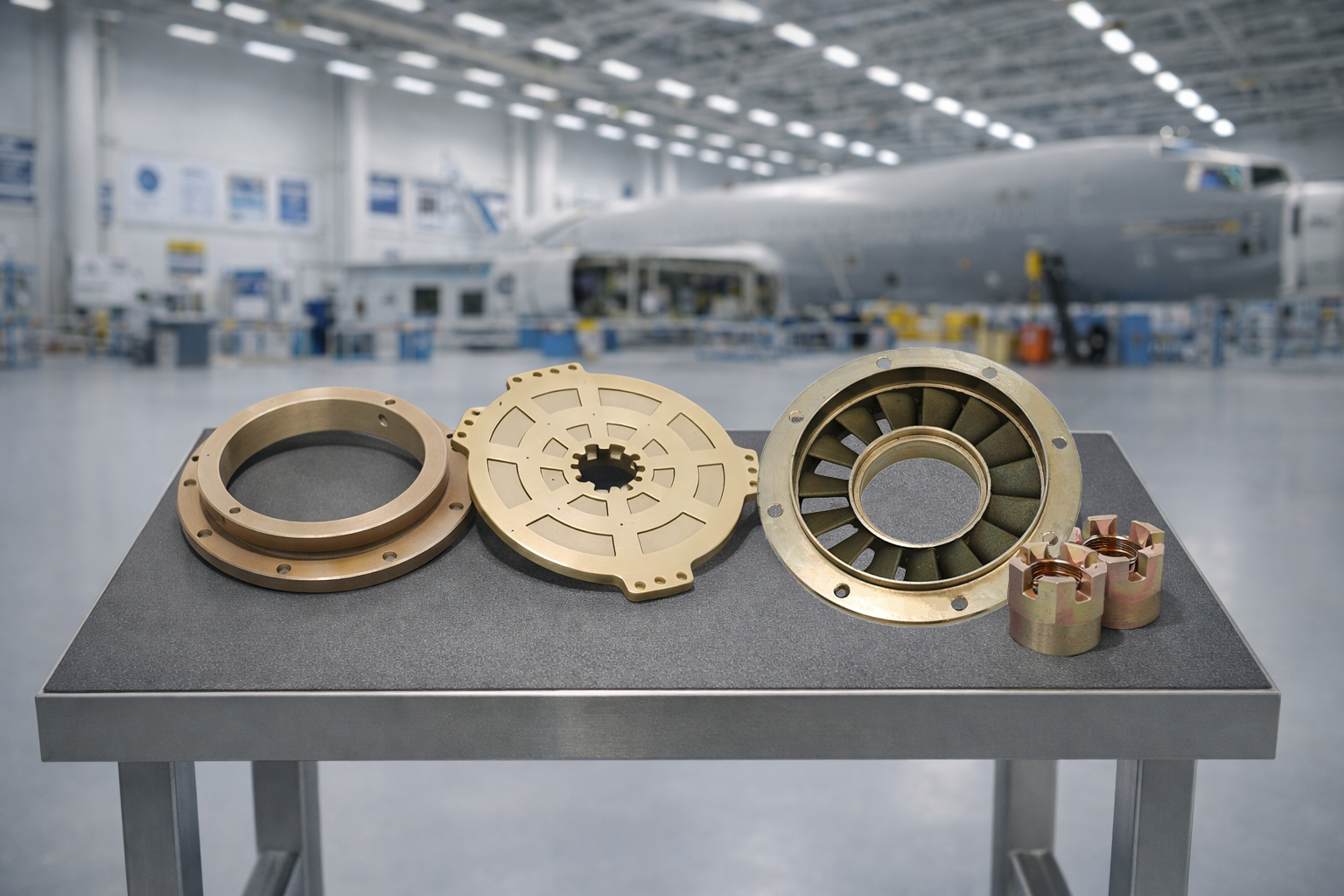
304 stainless steel is used across multiple industries because it combines useful corrosion resistance with strength, formability, and broad availability. The appropriate grade and finish still depend on the operating environment and relevant industry requirements.

Aerospace CNC Machining Experts

Aerospace

Cabin and exterior, lighting and vents components. jigsand fixtures in the aviation industry
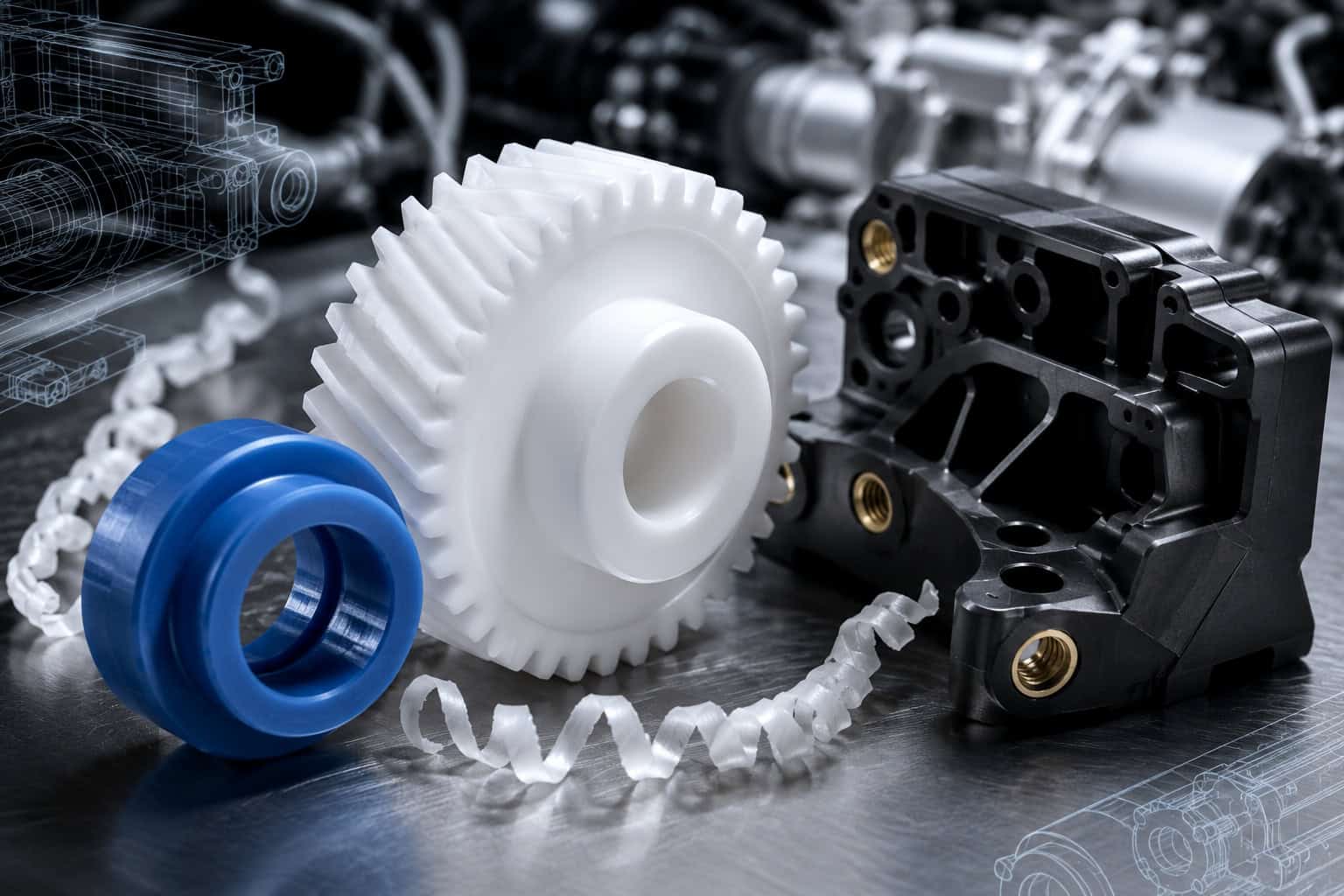
Plastic

consumer goods machining

Boraco Machining delivers custom CNC machined components for consumer products—from rapid prototypes to 1,000,000+ parts
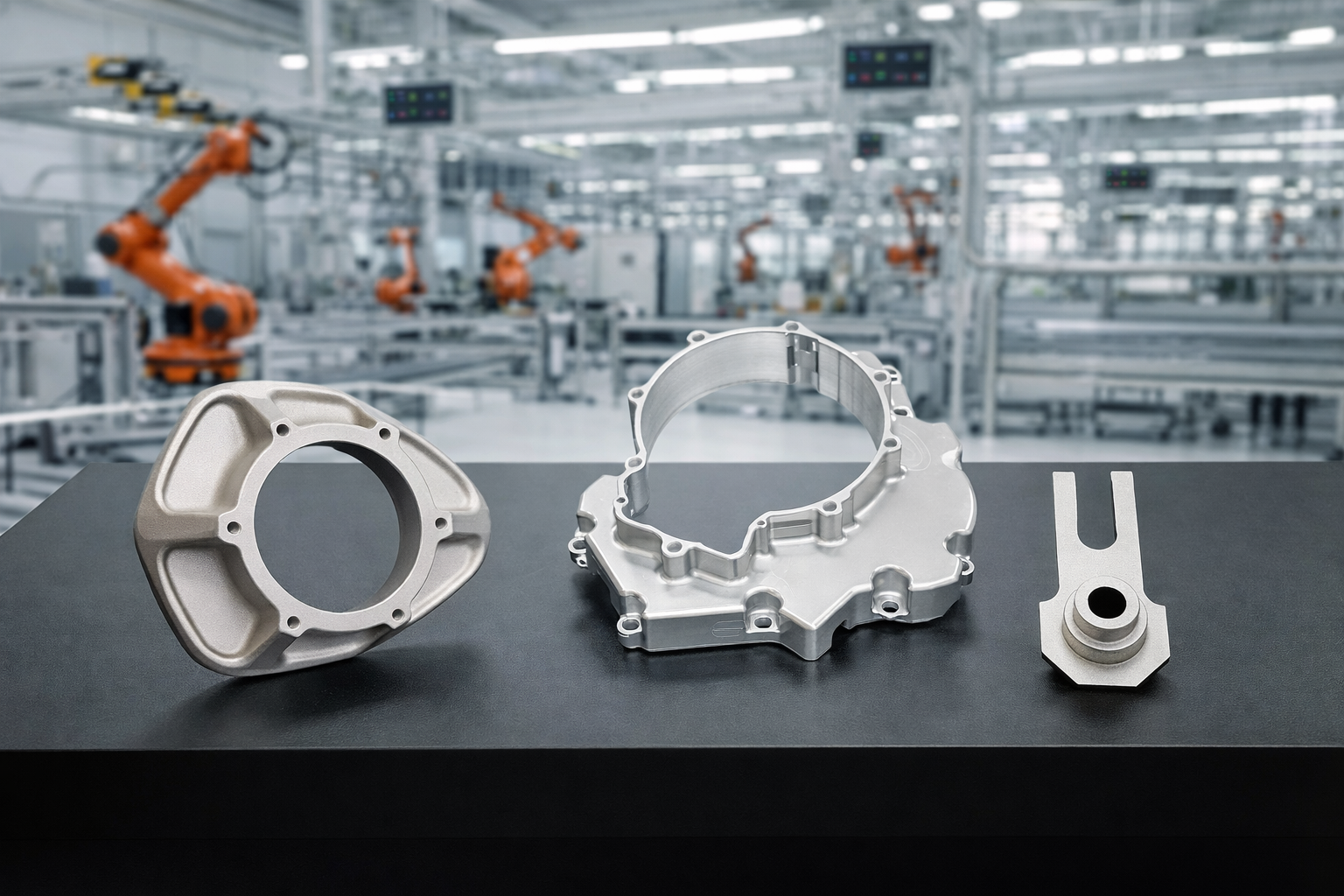
Automotive CNC Machining Expert

Automotive

Interior and exterior parts, under-the-hood componentsin the automotive and EV industry
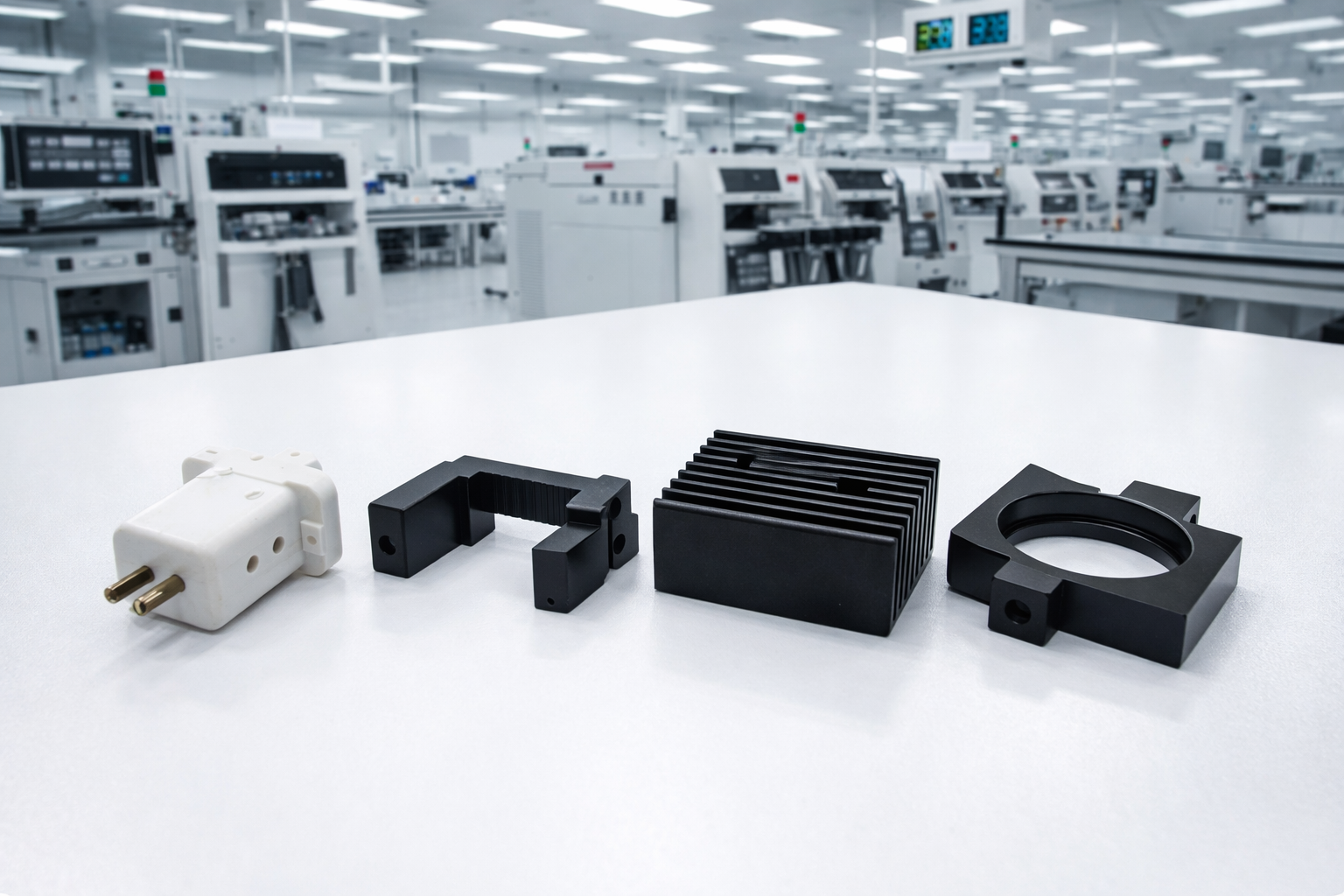
Consumer Electronics CNC Machining Expert

Electronic

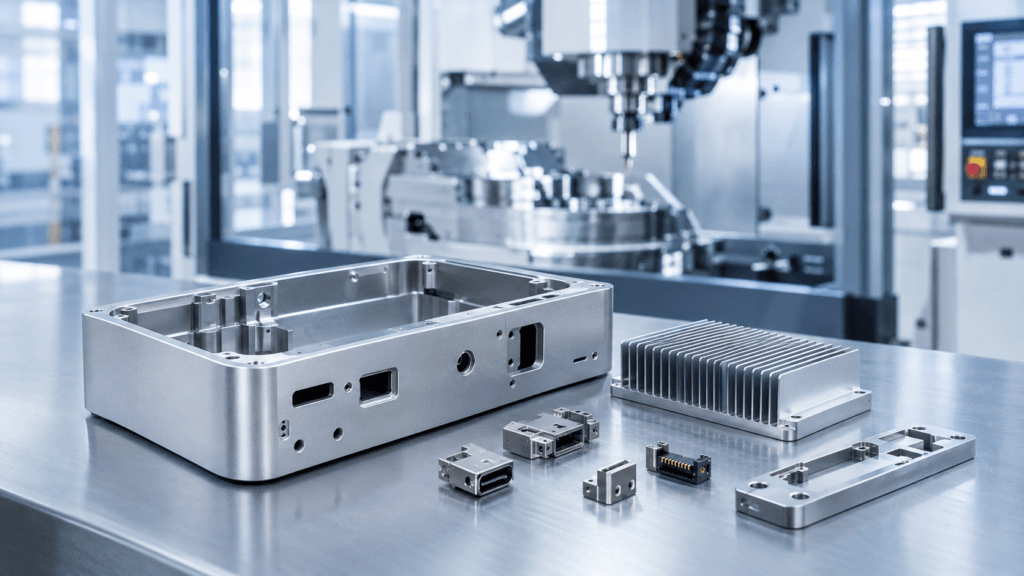
Casing. housing and components of cellphones,headphones, game controllers, cameras in theconsumerarea
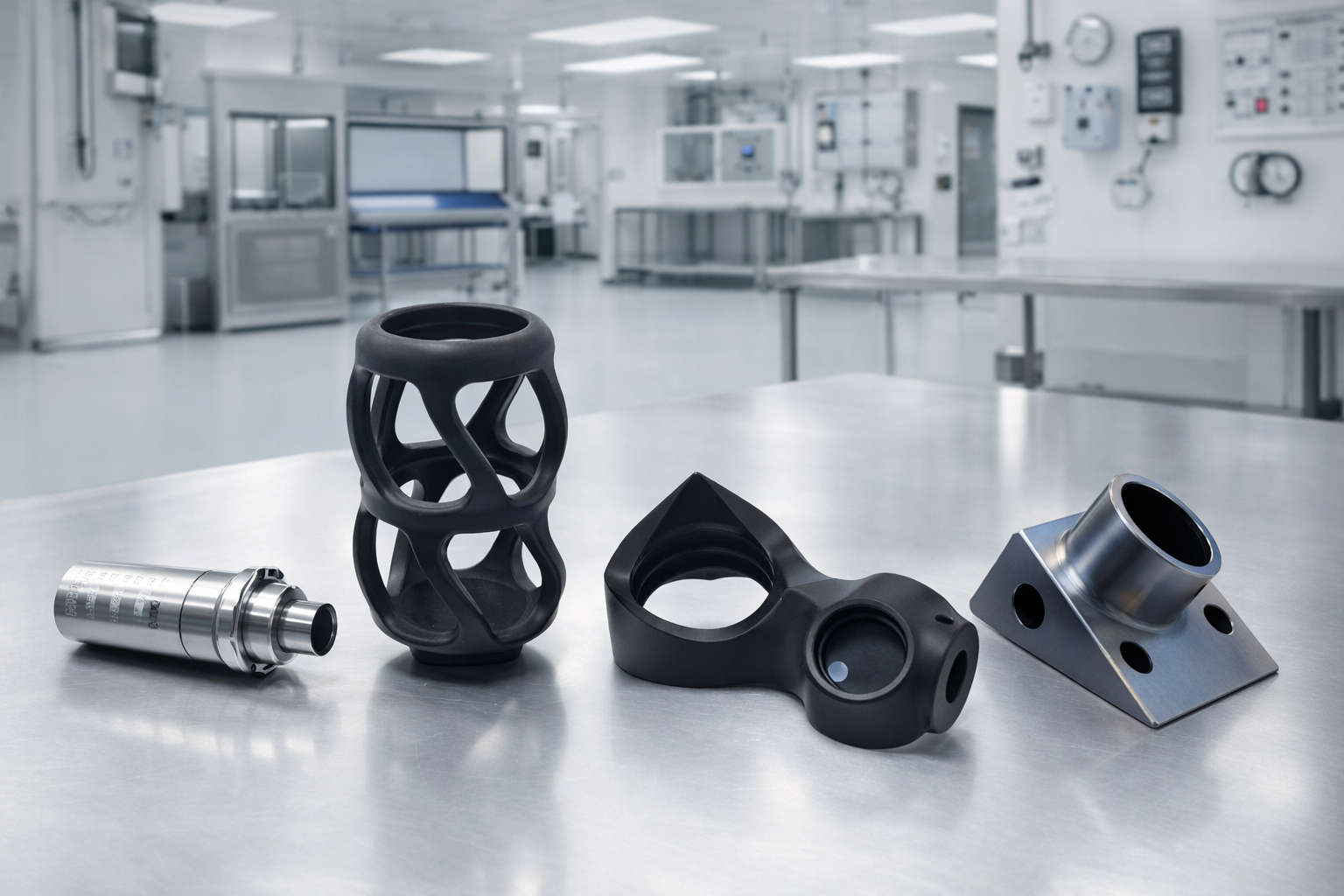
Medical CNC Machining Expert

Medical

Medical items and healthcare devices, shells andsurgical instruments in the medical and healthcareindustry

CNC Machined 316 Stainless Steel Parts: From Prototype to Production

Boraco supports 316 and 316L machining projects from prototype development to production orders. Our Dongguan manufacturing operation provides CNC machining capabilities for different part geometries, material requirements, and production volumes.

Step 1: Submit Your CAD Files

Send us your 3D CAD model in STEP, STP, or IGES format. A dimensioned 2D drawing is recommended for identifying critical dimensions, tolerances, threads, and surface-finish requirements.

Step 2: Engineering and DFM Review

Our team reviews the part geometry, material specification, wall thickness, machining accessibility, hole features, and critical tolerances.

We can provide feedback on potential manufacturing challenges and identify opportunities to simplify machining where appropriate.

Step 3: Receive a Factory-Direct Quotation

Your quotation is based on:

  • 316 or 316L material requirements.

  • Part geometry and machining complexity.

  • Order quantity.

  • Required dimensional tolerances.

  • Surface finishing and inspection.

  • Packaging and delivery requirements.

Boraco supports project quantities ranging from individual prototypes to larger production runs, subject to part feasibility and production planning.

Step 4: Prototype Machining and Inspection

Sample lead times can start at 1–3 days for suitable projects. Prototype parts can be used to review dimensions, fit, assembly, and functional requirements before proceeding to production.

Step 5: Production and Delivery

Production lead times are commonly planned around 4–10 days for suitable orders. The final schedule depends on quantity, material availability, finishing, inspection requirements, and current production capacity.

For more information about our manufacturing capabilities, explore Steel CNC Machining, CNC Machining Materials, CNC Milling Services, and CNC Turning Services.

Applications of CNC Machined 316 Stainless Steel Parts
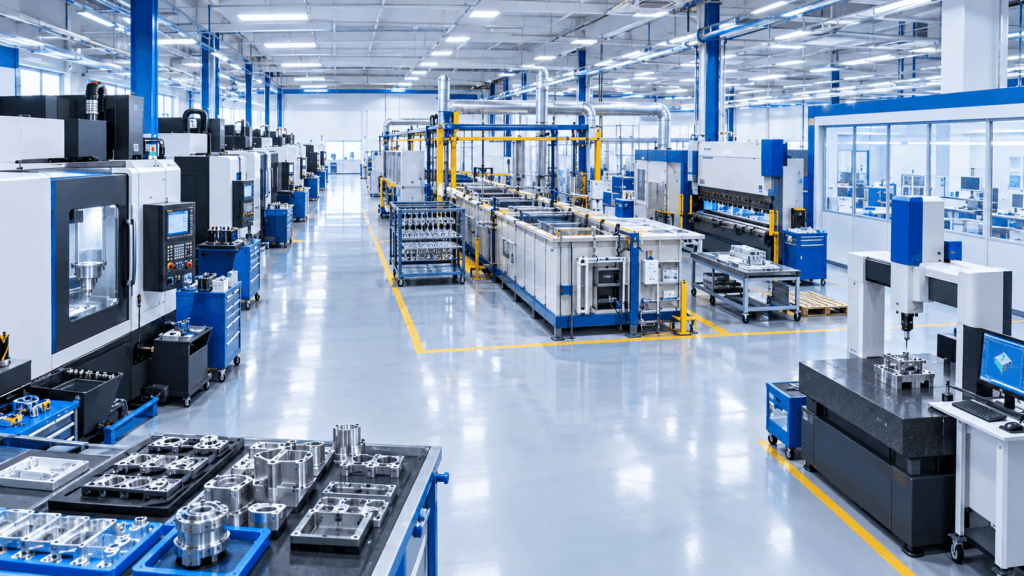
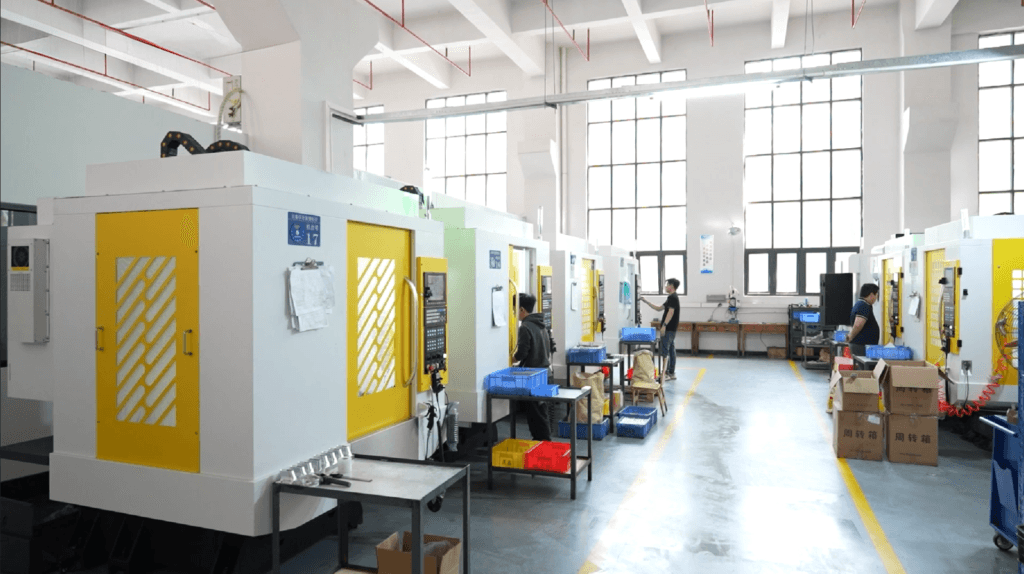
Panoramic view of a modern intelligent manufacturing plant

316 stainless steel is widely used in industries where improved resistance to chloride exposure and demanding operating conditions is important.

Marine and Coastal Hardware

316 is commonly considered for selected marine-related components, including:

  • Marine brackets and mounting hardware.

  • Coastal equipment fittings.

  • Pump and valve components.

  • Fasteners and connection hardware.

  • Fixtures exposed to salt-laden coastal air.

For permanent seawater immersion or severe marine conditions, material selection should be reviewed carefully. Depending on temperature, water movement, and crevice exposure, duplex or higher-alloy materials may be required.

Pharmaceutical and Medical Equipment

316 and 316L are used in selected equipment components where corrosion resistance, surface quality, and cleanability matter.

Typical machined components may include:

  • Equipment housings.

  • Mounting brackets.

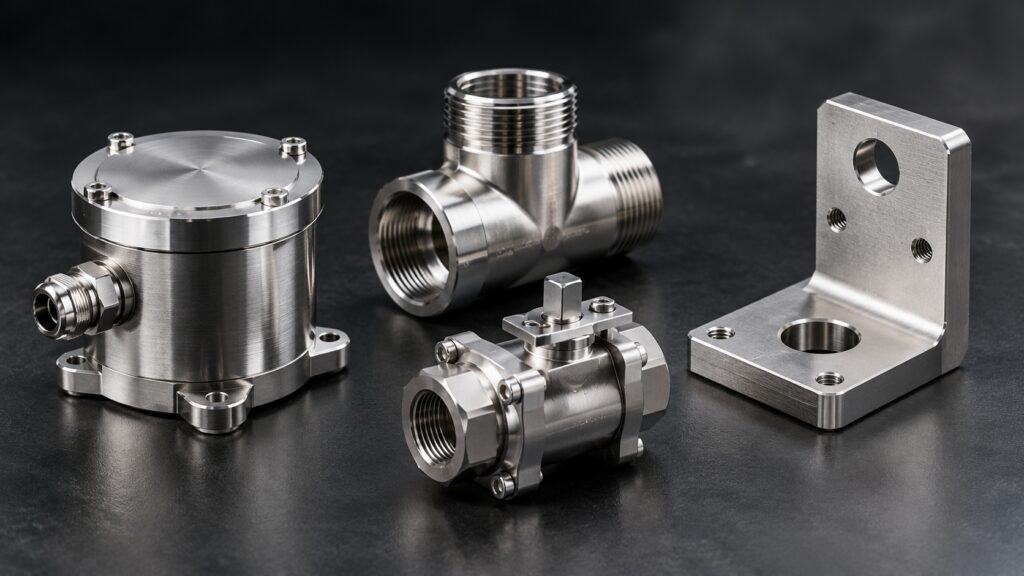
  • Precision fittings.

  • Fixtures and supports.

  • Selected fluid-handling components.

The required grade, surface finish, traceability, and cleanliness controls should match the equipment specification. Medical or pharmaceutical applications may require additional validation and documentation beyond standard CNC machining.

Explore our Medical Machining Services.

Chemical Processing Equipment

316 stainless steel can be suitable for selected chemical-processing components exposed to certain corrosive media.

Applications may include:

  • Valve and fitting components.

  • Equipment brackets.

  • Pump housings and supports.

  • Machined connectors.

  • Selected fluid-system components.

Chemical compatibility must be evaluated against the actual chemical concentration, temperature, exposure duration, and operating conditions. Not every chemical environment is suitable for 316.

Food and Beverage Processing

316 is often selected for equipment exposed to salty products, brines, and certain cleaning environments where its additional molybdenum content offers an advantage over 304.

Possible components include:

  • Processing machine fittings.

  • Fluid-system connectors.

  • Equipment fixtures.

  • Precision brackets.

  • Selected machine components.

The final material choice should also consider hygiene, cleanability, surface finish, and cleaning chemical compatibility.

Automotive and Industrial Equipment

316 can be used for selected industrial and automotive components exposed to moisture, corrosive environments, or specialized process conditions.

For general automotive and indoor industrial components without demanding chloride exposure, 304 may provide better cost efficiency.

Explore related capabilities through Automotive Machining, CNC Machining for Electronics, and Robotics Machining.
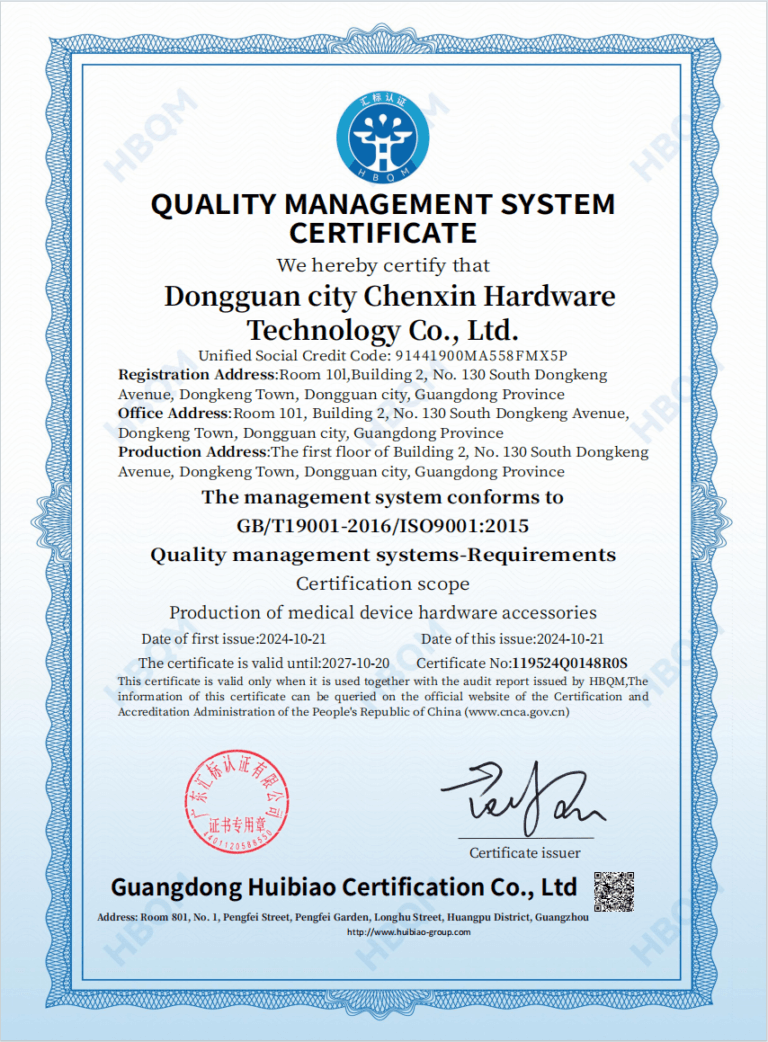
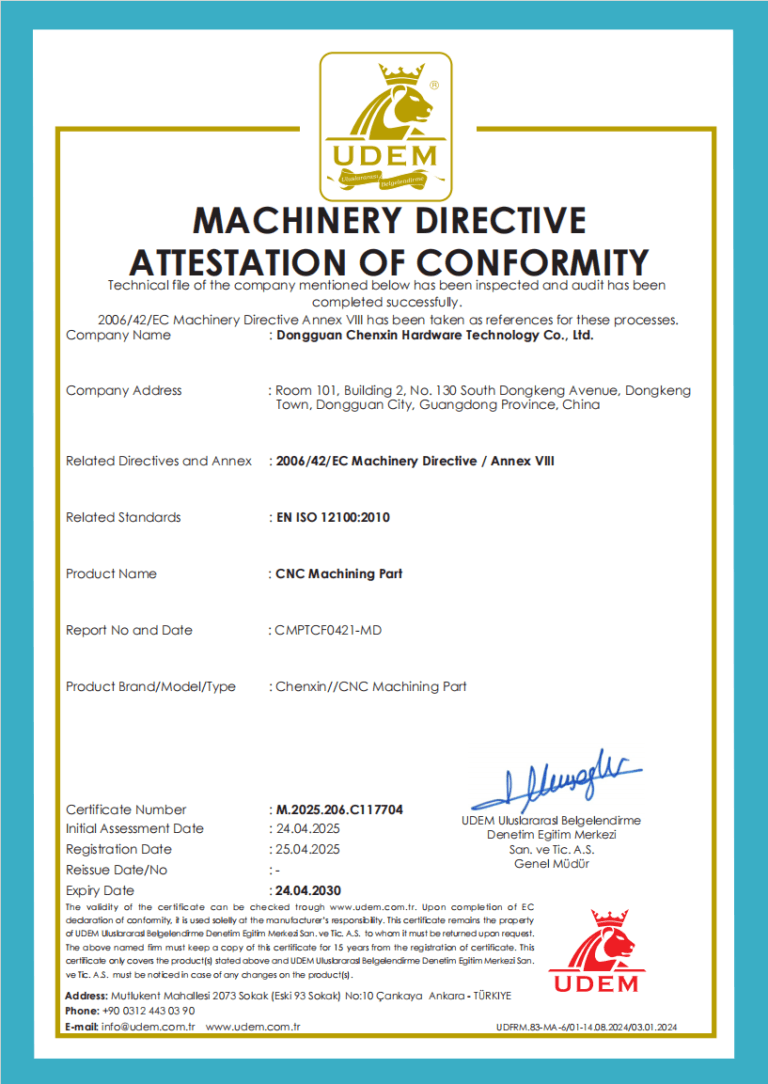
Choosing a China CNC machining supplier is not only about price. Procurement teams need confidence that the supplier has the quality system, equipment, capacity, and process control required for long-term cooperation.

ISO 9001 Quality Management

ISO 9001 certified manufacturing processes help establish a structured quality management framework for CNC machining production.

Precision Inspection

Dimensional inspection is integrated into the production process to help verify critical part requirements and maintain consistency.

Production Security

Customer CAD files, drawings, specifications, and project information should be handled through controlled communication and document-management procedures.

Manufacturing Capacity

2,000㎡ Facility

50+ Advanced Machines

3/4/5-Axis Machining

±0.005mm Accuracy

Industries Served

  • Consumer Products
  • Consumer Electronics
  • Automotive
  • Aerospace
  • Medical Devices
  • Industrial Equipment

our partners trust us

Marcus Vance

Senior Sourcing Manager, Marine & Fluid Systems

“Working directly with Boraco’s engineering team in Dongguan eliminated the communication bottlenecks we used to face with trading intermediaries. Before cutting any 316 stainless steel, they reviewed our technical drawings and flagged two internal pocket radii that would have driven up tooling costs. Their DFM feedback improved manufacturability without compromising our critical tolerances, and the final parts arrived right on schedule.”

Elena Rostova

Lead Mechanical Engineer, Industrial Valve Equipment

“316 stainless steel is notorious for work-hardening, especially on complex geometries requiring both turning and multi-axis milling. Boraco locked in our inspection plan and critical dimension measurement methods under their ISO 9001 framework before production even started. Every batch came with clear documentation, and the dimensional consistency across our threaded valve housings was spot-on.”

David Chen-Miller

Hardware Operations Director, Medical & Lab Instrumentation

“We initially partnered with Boraco for a low-volume prototype run of corrosion-resistant 316L components, and they scaled smoothly into our larger production orders. Being able to discuss material specs, machining feasibility, and lead times directly with the shop floor gave our procurement team complete confidence from initial sampling through mass production.”

Request a Factory-Direct Quote for 316 Stainless Steel CNC Machining

Need precision 316 or 316L stainless steel CNC machined parts for marine-related equipment, pharmaceutical systems, chemical processing, or industrial applications?

Boraco provides factory-direct CNC machining support in China, from prototype development to production orders.

NDA arrangements can be discussed before you share confidential design files.

Frequently Asked Questions About 316 Stainless Steel CNC Machining

Most frequent questions and answers

1. What is marine-grade stainless steel?

Marine-grade stainless steel commonly refers to 316 or 316L because these grades contain molybdenum and generally provide better resistance to chloride-related pitting than 304.

However, 316 is not immune to corrosion in seawater. For permanent seawater immersion, warm stagnant water, or severe crevice conditions, higher-alloy stainless steels may be necessary.

2. What is the difference between 316 and 316L stainless steel?

316L has a maximum carbon content of 0.03%, compared with 0.08% for standard 316 under common specifications.

The lower carbon content reduces the risk of sensitization during welding and certain thermal cycles. For welded assemblies and thin-wall welded structures, 316L is often preferred. For standard machined components without welding requirements, 316 may be sufficient.

3. Does 316 stainless steel have better corrosion resistance than 304?

Yes, 316 generally offers better resistance to chloride-related pitting and crevice corrosion because it contains approximately 2–3% molybdenum.

Its typical PREN is around 24, compared with approximately 19 for 304. However, the final material choice should consider chloride concentration, temperature, surface condition, and actual operating conditions.

4. Why is 316 stainless steel more expensive than 304?

316 generally costs more because of its additional molybdenum and higher typical nickel content.

For preliminary budgeting, the raw material price may be approximately 20–40% higher in some purchasing conditions, but this is not a fixed market differential. Actual costs depend on the supplier, product form, dimensions, quantity, and market conditions.

Machining cost also depends on tooling, cutting conditions, geometry, and production volume.

5. What tolerances can Boraco achieve when machining 316 stainless steel?

Boraco can target tolerances down to ±0.005 mm for suitable features and project conditions.

The achievable tolerance depends on part geometry, machining process, material condition, workholding, and inspection requirements. CMM inspection can be specified where appropriate. Send your drawing for a tolerance and manufacturability review.

6. How long does it take to receive 316 stainless steel CNC machined samples?

Sample machining can start at 1–3 days for suitable projects. Production orders are commonly planned around 4–10 days.

Actual lead times depend on part complexity, quantity, material availability, surface finishing, inspection, and production scheduling.

Still waiting?

Contact boraco
immediately