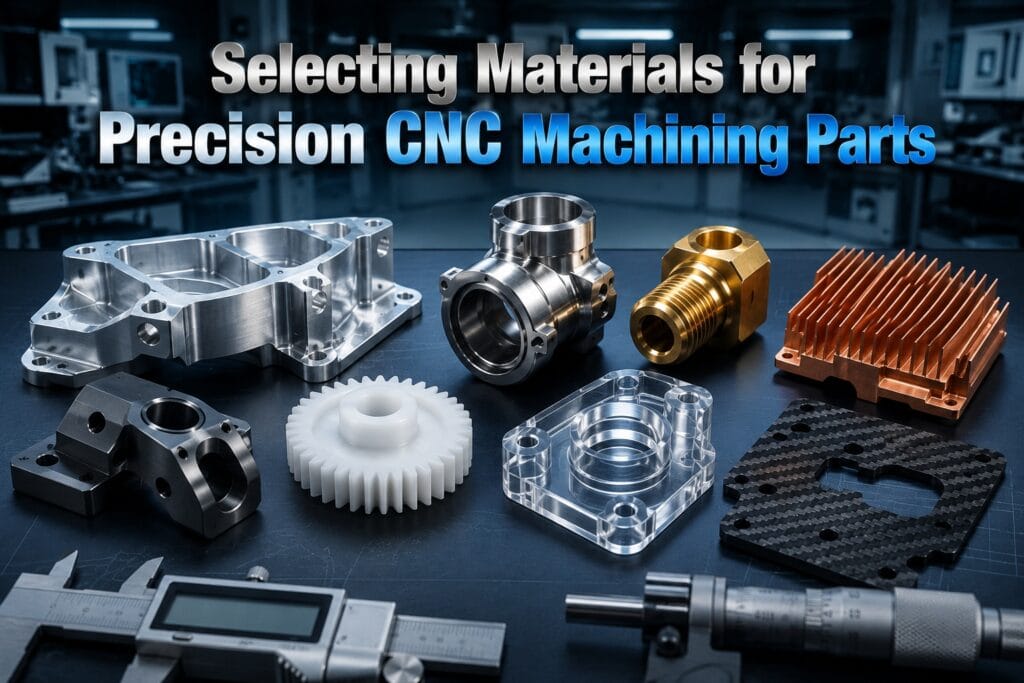
Understanding Material Selection for Durable Precision CNC Machining Parts
Selecting the wrong alloy for high-stress applications causes premature component failure, expensive downtime, and budget overruns. This technical guide examines physical material properties, machinability indexes, and tolerance boundaries to help engineering teams specify optimal raw stock for custom precision CNC machining parts.
1. Mechanical Property Tradeoffs in Precision CNC Machining Parts
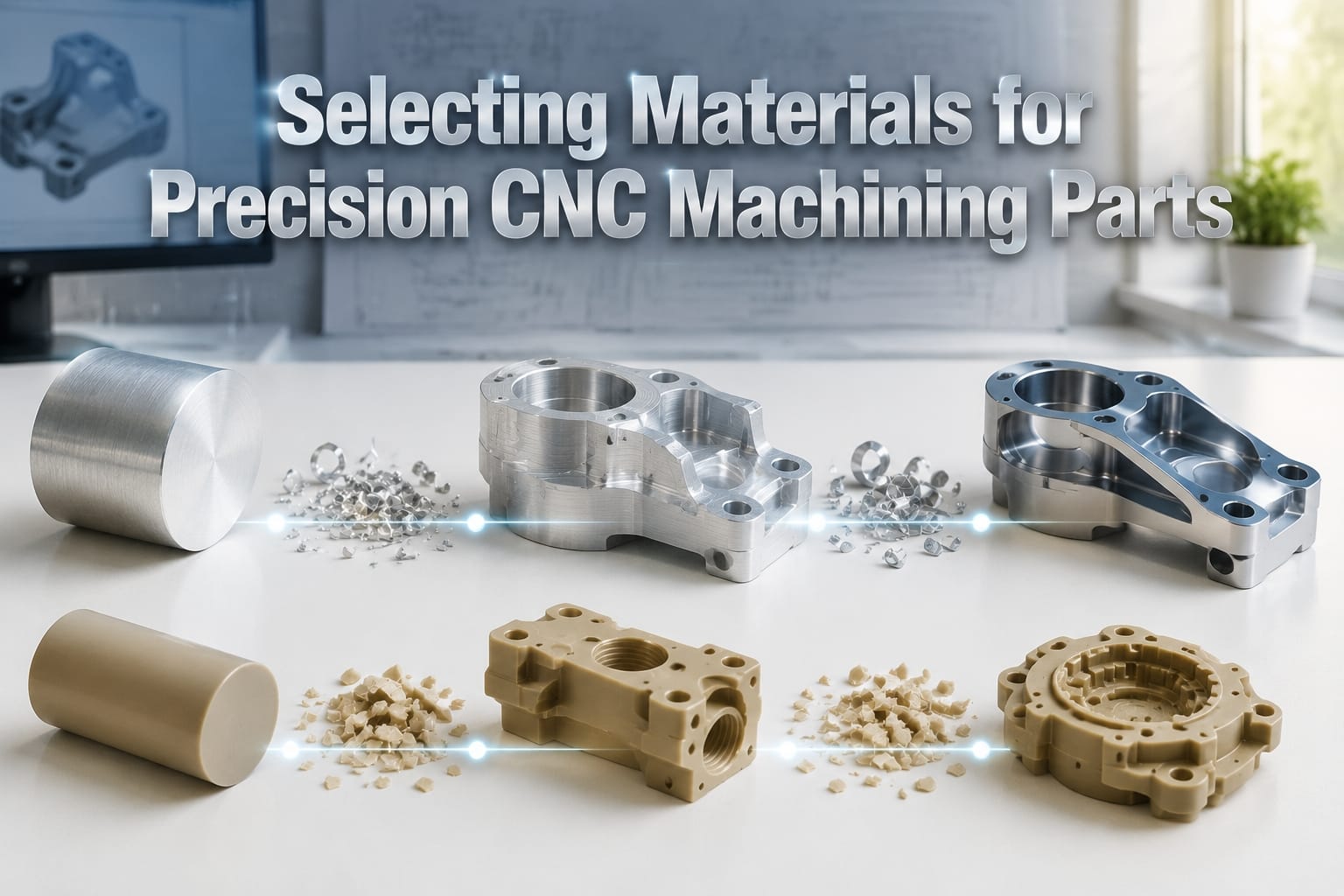
Engineering durable mechanical systems requires a rigorous evaluation of how raw materials behave under static, dynamic, and thermal loads. The operational lifespan of precision CNC machining parts depends heavily on matching material stress yield points and fatigue limits with operational environmental conditions. Sourcing managers and mechanical design engineers must balance core mechanical characteristics against manufacturing complexity to avoid specifying over-engineered or failure-prone stock.
When producing high precision metal components, the primary mechanical parameters to consider include:
- Yield Strength and Tensile Strength: Yield strength determines the maximum stress a material can withstand without permanent plastic deformation. Tensile strength indicates ultimate structural failure limits. High yield-strength alloys withstand higher functional loads but impose severe cutting forces on cutting tools during manufacturing.
- Hardness and Fatigue Resistance: Hardness (measured via Rockwell C or Vickers scales) correlates directly with wear and abrasion resistance. However, excessive hardness often decreases fracture toughness, making components susceptible to cyclic fatigue cracks under repeated loads.
- Thermal Expansion and Conductivity: The Coefficient of Thermal Expansion ($\alpha$) dictates dimensional drift as operating temperatures fluctuate. In multi-axis turning and milling, metals with high thermal expansion (such as certain aluminum series) require strict thermal control during machining to maintain geometric true positions.
During heavy material removal on a 5-axis raw material selection criteria workflow, localized friction generates significant heat. If the workpiece material exhibits low thermal conductivity (such as Ti-6Al-4V titanium), heat accumulates at the tool-workpiece interface rather than dissipating through swarf. This thermal concentrating effect speeds up cutter wear and can induce residual tensile stresses within the part substrate, compromising long-term dimensional stability.
Furthermore, work hardening during the production of precision CNC machining parts presents operational challenges. Austenitic stainless steels, for example, undergo phase transformations when exposed to shear strain during cutting. Machinists must maintain constant feed rates and aggressive depths of cut to ensure tool edges bite underneath the work-hardened outer layer, preventing chatter and surface micro-cracks.
2. Selecting Alloys vs. Polymers for Custom CNC Machining Components
The choice between metallic alloys and engineering plastics defines the thermal envelope, weight profile, and wear limits of the final component. Modern cnc precision machining utilizes both material categories to achieve optimal performance across aerospace, automotive, electronics, and industrial automation equipment.
Aluminum alloys remain the industry benchmark for lightweight structural sub-assemblies. Aluminum 6061-T6 offers high corrosion resistance and exceptional machinability, making it cost-effective for enclosures, brackets, and structural frames. For high-stress applications requiring superior strength-to-weight ratios, Aluminum 7075-T7351 delivers yield strengths approaching structural steel while maintaining low mass density.
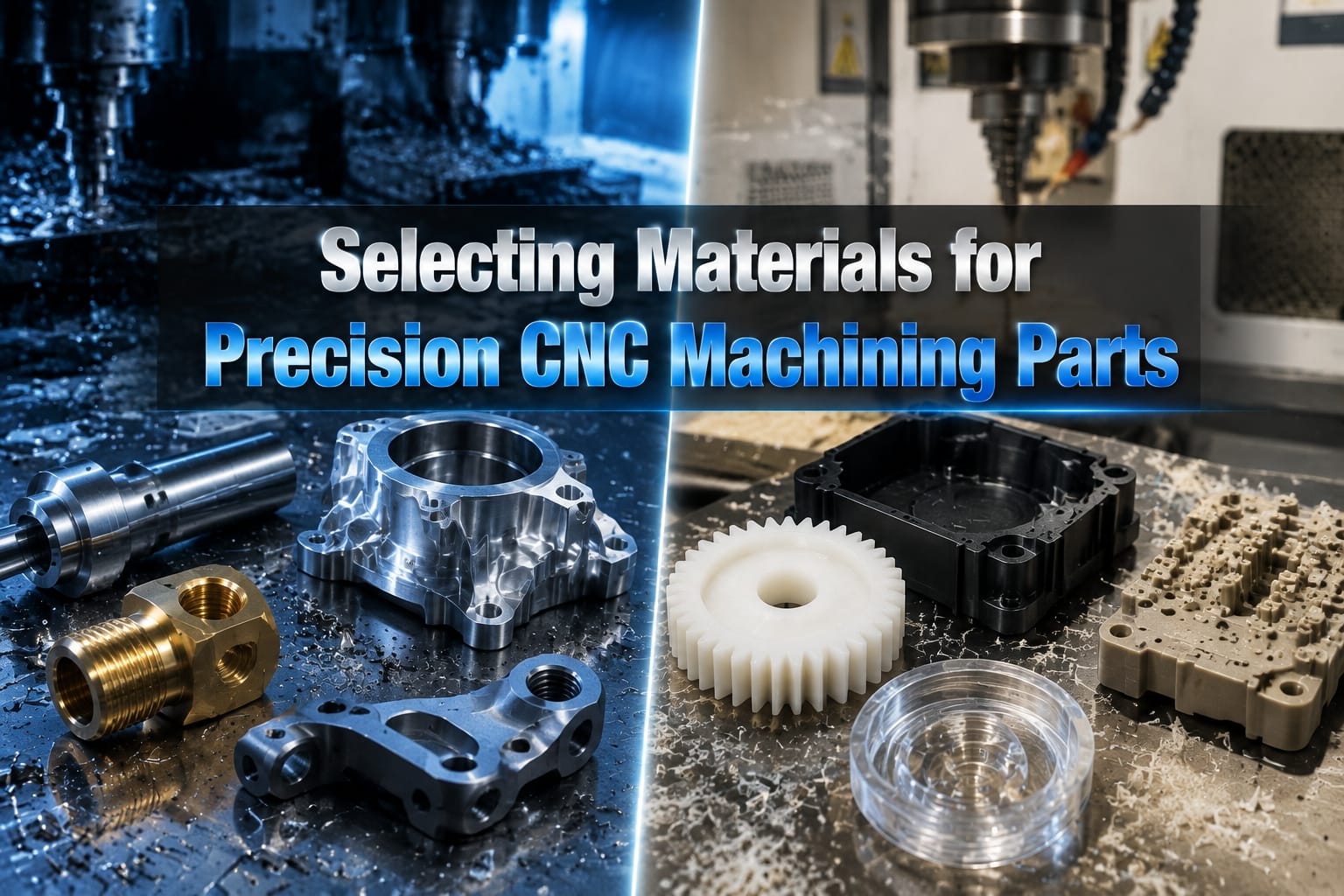
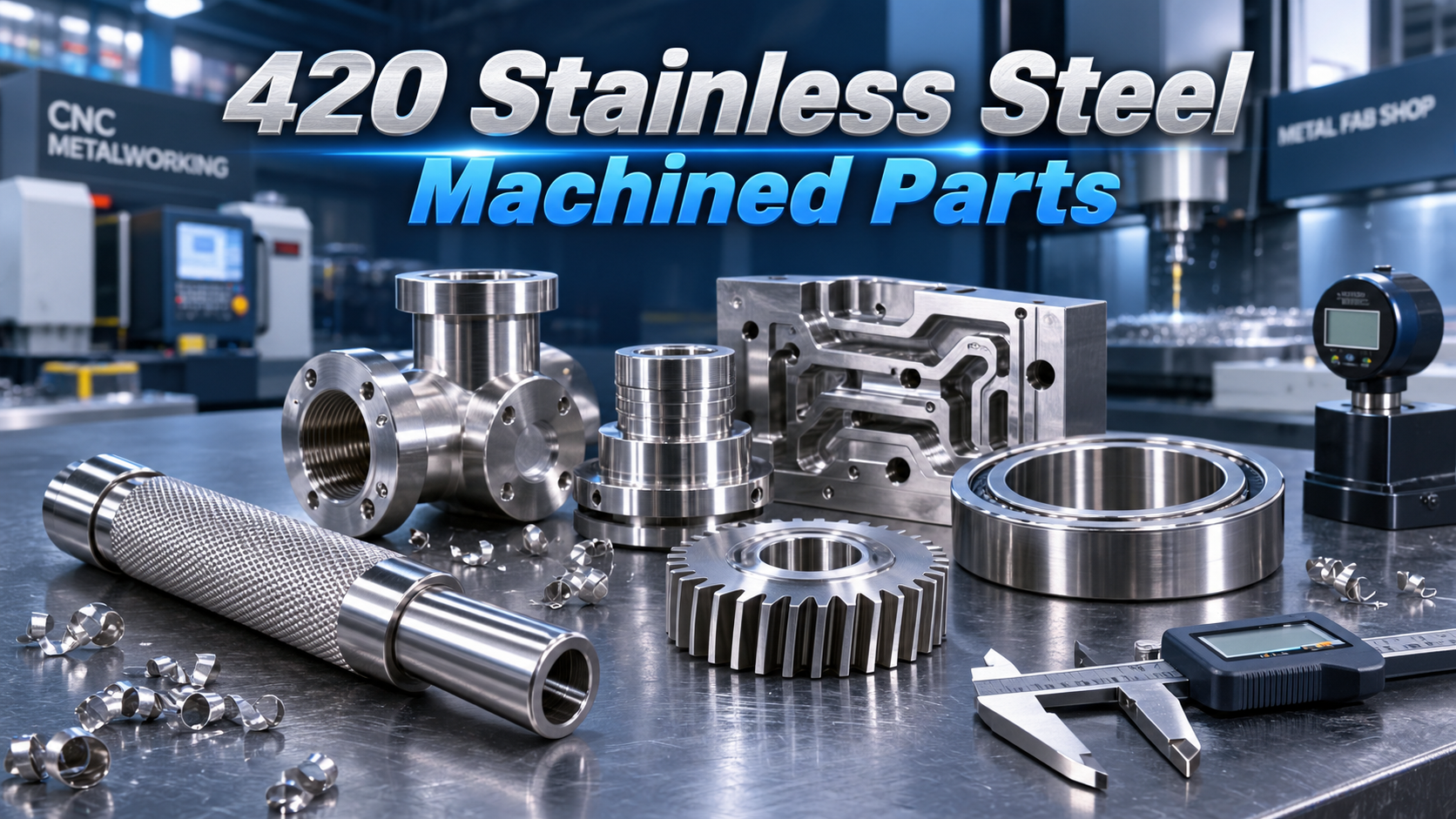
When application environments involve corrosive chemicals, extreme humidity, or high mechanical pressures, stainless steels become necessary. 316L Stainless Steel contains molybdenum, providing resistance against chloride pitting. For load-bearing shafts and valve manifolds needing high hardness, precipitation-hardening grades like 17-4 PH Stainless Steel provide excellent mechanical yield limits after post-machining heat treatment.
For applications demanding maximum weight reduction along with high temperature limits, titanium alloys are ideal. Titanium Grade 5 (Ti-6Al-4V) is widely specified in aerospace precision machining specifications due to its exceptional strength-to-weight ratio and corrosion resistance, despite posing challenging machinability dynamics.
The Machinability Rating quantifies a material’s ease of cutting relative to AISI 1212 steel (benchmarked at 100%). Higher percentage values indicate lower cutting resistance, reduced cutting tool wear, superior chip breakability, and cleaner achievable surface finishes ($R_a$) at higher surface feet per minute (SFM).
Non-metallic materials are also critical in modern precision mechanical parts. High-performance engineering plastics such as Polyoxymethylene (POM / Delrin) and Polyether ether ketone (PEEK) offer dimensional stability, low coefficients of friction, and electrical insulation properties. PEEK maintains structural integrity at continuous operating temperatures exceeding 240°C, making it a viable alternative to metals in weight-sensitive fluid handling and electronic insulator assemblies.
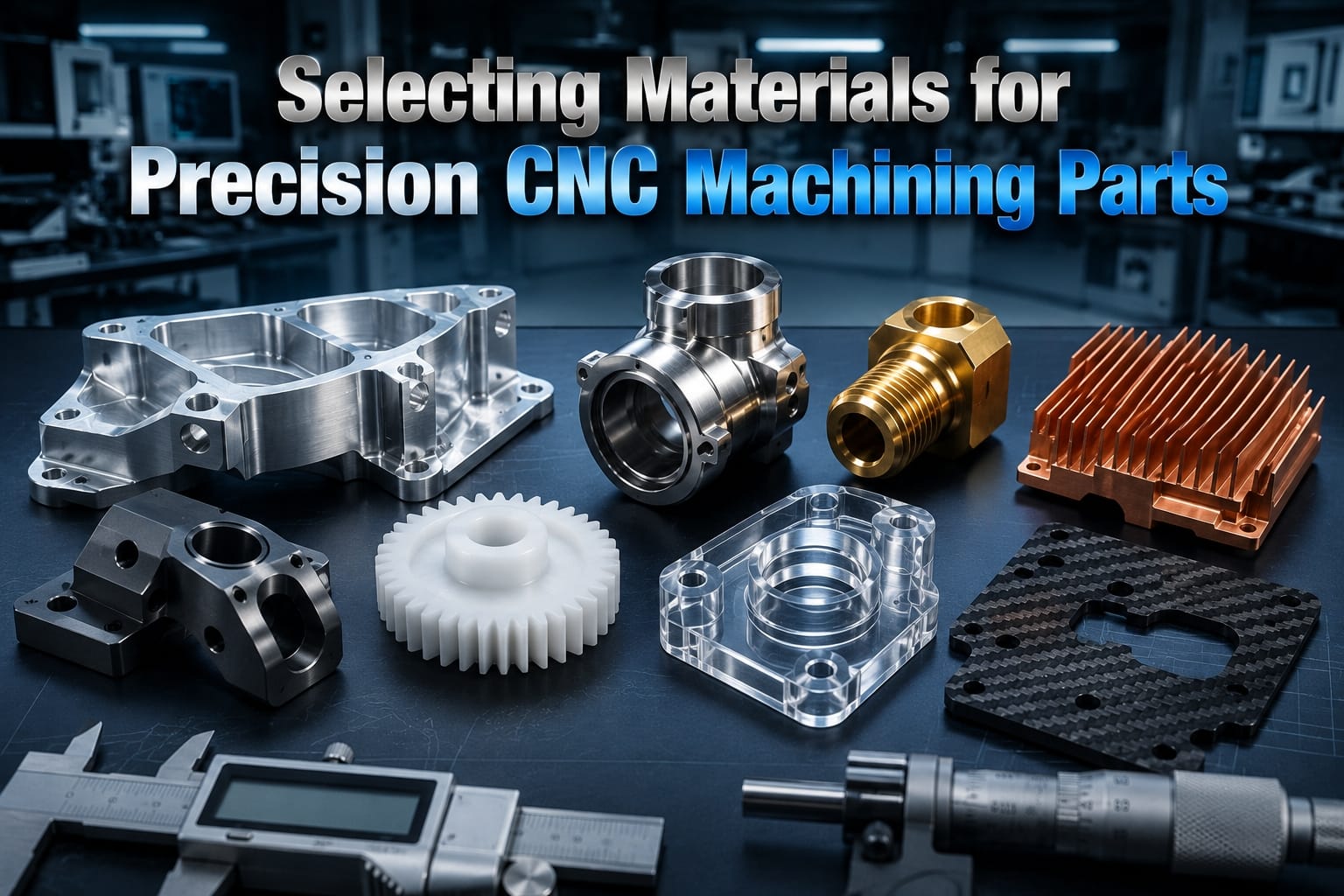
Consulting detailed material datasheets ensures engineers balance raw stock cost against long-term fatigue performance, particularly when evaluating aluminum alloy machining options for high-volume manufacturing runs.
Material Properties Comparison for Precision CNC Machining Parts
| Material Grade | Yield Strength (MPa) | Tensile Strength (MPa) | Machinability Rating (%) | Achievable Tolerance (mm) | Standard Surface Finish ($R_a$ µm) |
|---|---|---|---|---|---|
| Aluminum 6061-T6 | 276 | 310 | 90% | ±0.008 | 0.8 – 1.6 |
| Aluminum 7075-T6 | 503 | 572 | 70% | ±0.005 | 0.4 – 0.8 |
| Stainless Steel 304 | 215 | 505 | 45% | ±0.010 | 0.8 – 1.6 |
| Stainless Steel 17-4 PH | 1170 | 1310 | 45% | ±0.008 | 0.4 – 0.8 |
| Titanium Grade 5 (Ti-6Al-4V) | 880 | 950 | 22% | ±0.010 | 0.8 – 1.6 |
| POM (Delrin) Plastic | 65 | 70 | 120% | ±0.012 | 0.8 – 3.2 |
To verify material performance under real-world operating loads, engineering teams regularly reference published standards provided by ASTM International material standards.
3. Optimizing Machining Processes: Milling, Turning, and Multi-Axis Machining
Selecting the ideal raw alloy is only half the equation; matching material characteristics to the correct manufacturing process dictates whether custom cnc machining achieves specified geometric tolerances. Different geometries require distinct kinematics, cutting tool paths, and clamping strategies to prevent part deflection during machining.
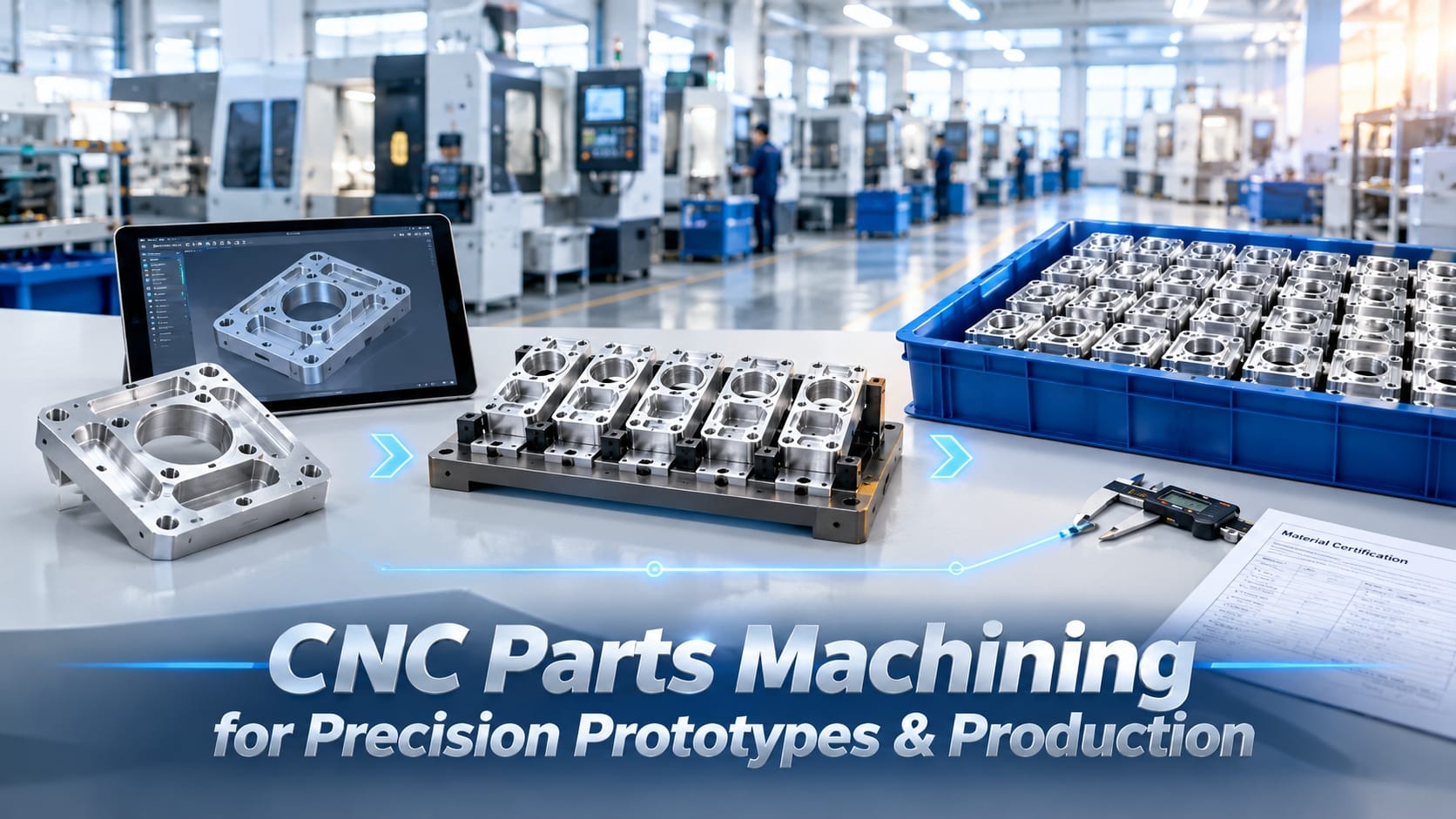
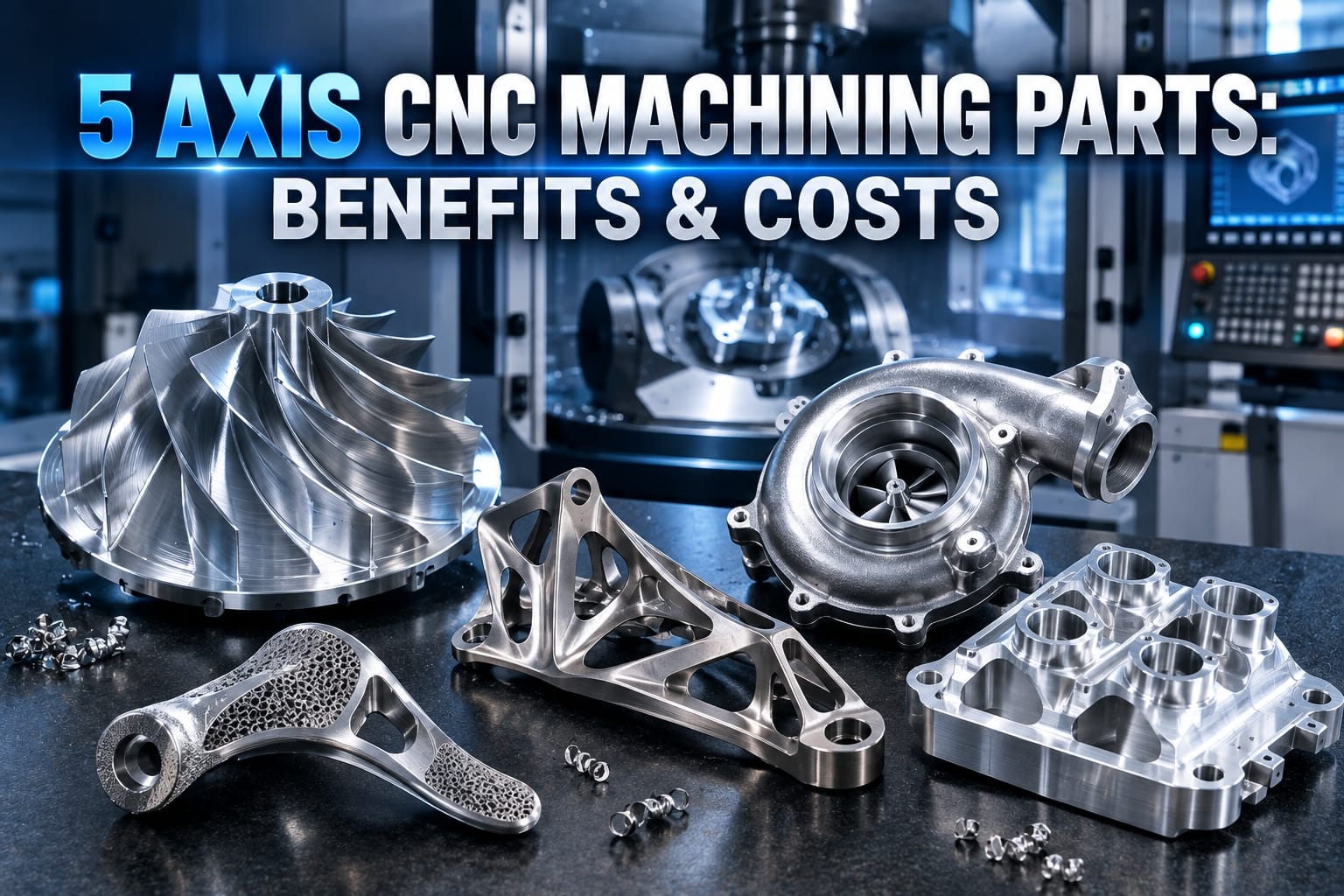
Prismatic components with complex surface contours, bores, and pockets are typically assigned to a multi-axis cnc machining center. Utilizing 3-axis and 4-axis milling machines allows rapid stock removal across planar features. However, complex geometries with compound angles or internal undercuts benefit significantly from 5-axis precision cnc machining. By manipulating the cutting tool along five axes simultaneously, machines maintain optimal tool-to-workpiece orientation, minimizing cutter deflection, eliminating multiple fixture re-alignments, and preserving tight geometric positions across intersecting features.
Rotational components, such as stepped shafts, precision bushings, and threaded couplings, require specialized multi-axis CNC milling services and turning centers. Advanced CNC turning centers equipped with live tooling integrate milling, cross-drilling, and off-center tapping operations into a single continuous setup. This single-setup approach eliminates cumulative concentricity errors caused by relocating parts between separate machines.
Managing Geometric Dimensioning and Tolerancing (GD&T) requires careful control over the physical variables encountered during metal cutting:
- Tool Deflection: Extended tool reach increases tool flex, inducing dimensional taper on deep vertical walls. Machinists compensate by utilizing solid carbide tools with high core rigidity or applying high-feed milling strategies.
- Clamping Distortion: Thin-walled precision cnc machining parts can deform under traditional hydraulic vise pressures. Utilizing customized soft jaws, vacuum tables, or specialized workholding fixtures distributes clamping forces evenly, avoiding permanent part distortion after release.
- Residual Stress Relief: Cold-rolled raw bar stock contains internal stress gradients. Rough machining unleashes these stresses, leading to warping. Performing intermediate stress-relief heat treatments prior to final finish passes restores geometric stability on tight-tolerance components.
4. Post-Processing, Surface Finishing, and Fatigue Resistance
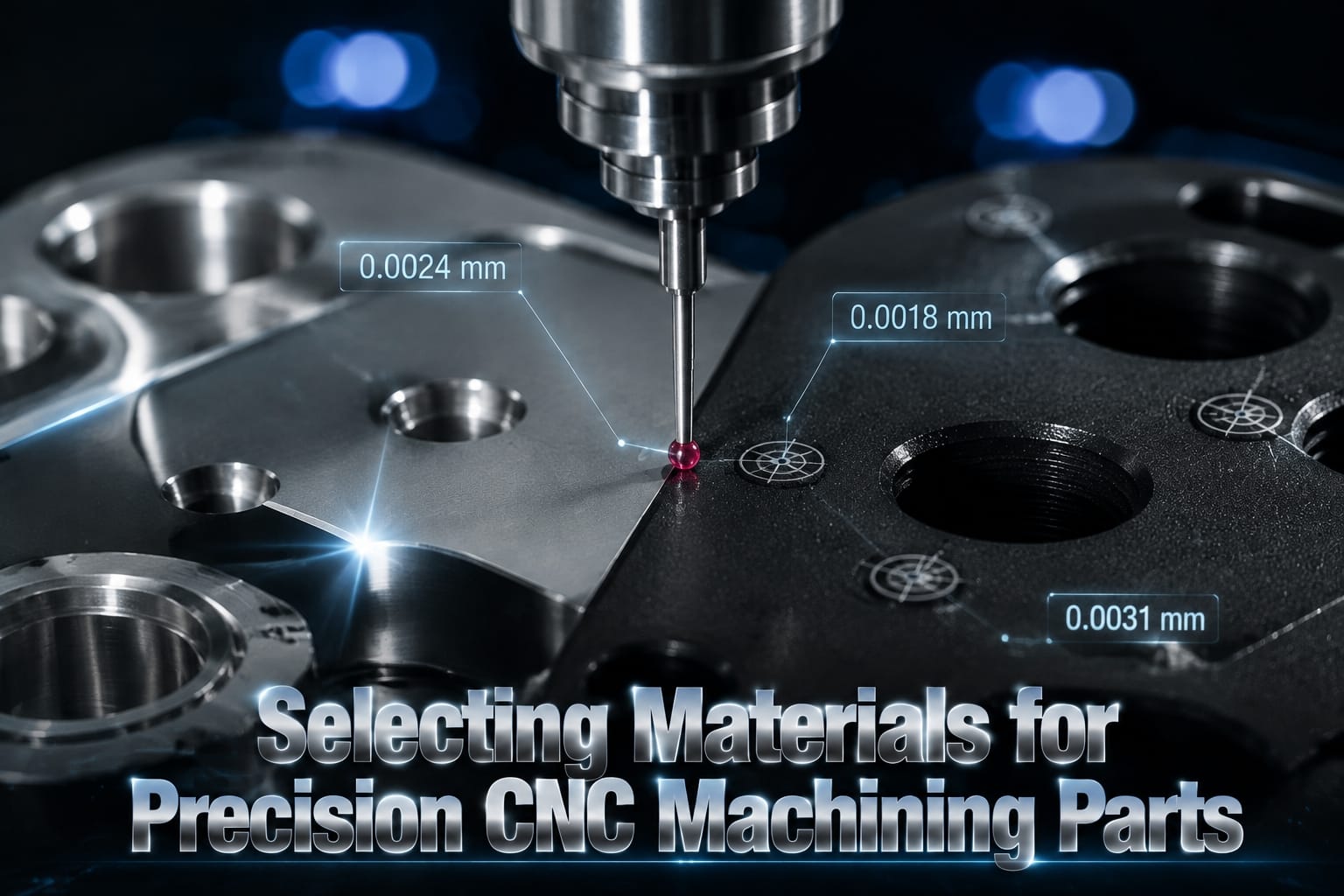
The operational durability of high precision cnc machining parts extends beyond raw milling and turning accuracy. As-machined surfaces feature microscopic peak-and-valley profiles left by cutter step-overs. These surface irregularities act as stress concentrators where cyclic fatigue cracks can initiate under mechanical load. Applying tailored finishing processes improves wear resistance, fatigue life, and environmental corrosion protection.
Post-processing requirements vary based on substrate alloy and field application environment:
Anodizing (Type II and Type III Hardcoat): Applied to aluminum cnc machining parts, anodizing converts the outer metallic layer into an integral aluminum oxide ceramic skin. Type III Hardcoat anodizing builds a dense coating layer (up to 50 µm thickness) with hardness values reaching 60 Rockwell C, delivering wear resistance and dielectric isolation.
Passivation and Electroless Nickel Plating: Passivation removes free iron contamination from stainless steel surfaces using nitric or citric acid solutions, accelerating the natural formation of a protective passive chromium oxide layer. For uniform coverage on complex internal cavities, electroless nickel plating deposits an even nickel-phosphorus alloy coating, protecting structural carbon steel and copper components against corrosive environments.
Selecting appropriate post-processing and surface finishing services allows engineers to optimize functional surface roughness ($R_a$). Reducing surface roughness from a standard as-machined $R_a$ 3.2 µm down to a polished $R_a$ 0.4 µm increases fatigue cycle life in rotating shafts, dynamic seals, and load-bearing aerospace sub-assemblies.
5. Sourcing Strategy: Evaluating China CNC Machining Suppliers for Critical Sourcing Projects
Navigating global supply chains requires rigorous supplier auditing to guarantee component precision, material traceability, and reliable delivery schedules. When evaluating offshore manufacturing partners, procurement teams must verify technical capabilities beyond surface-level marketing claims.
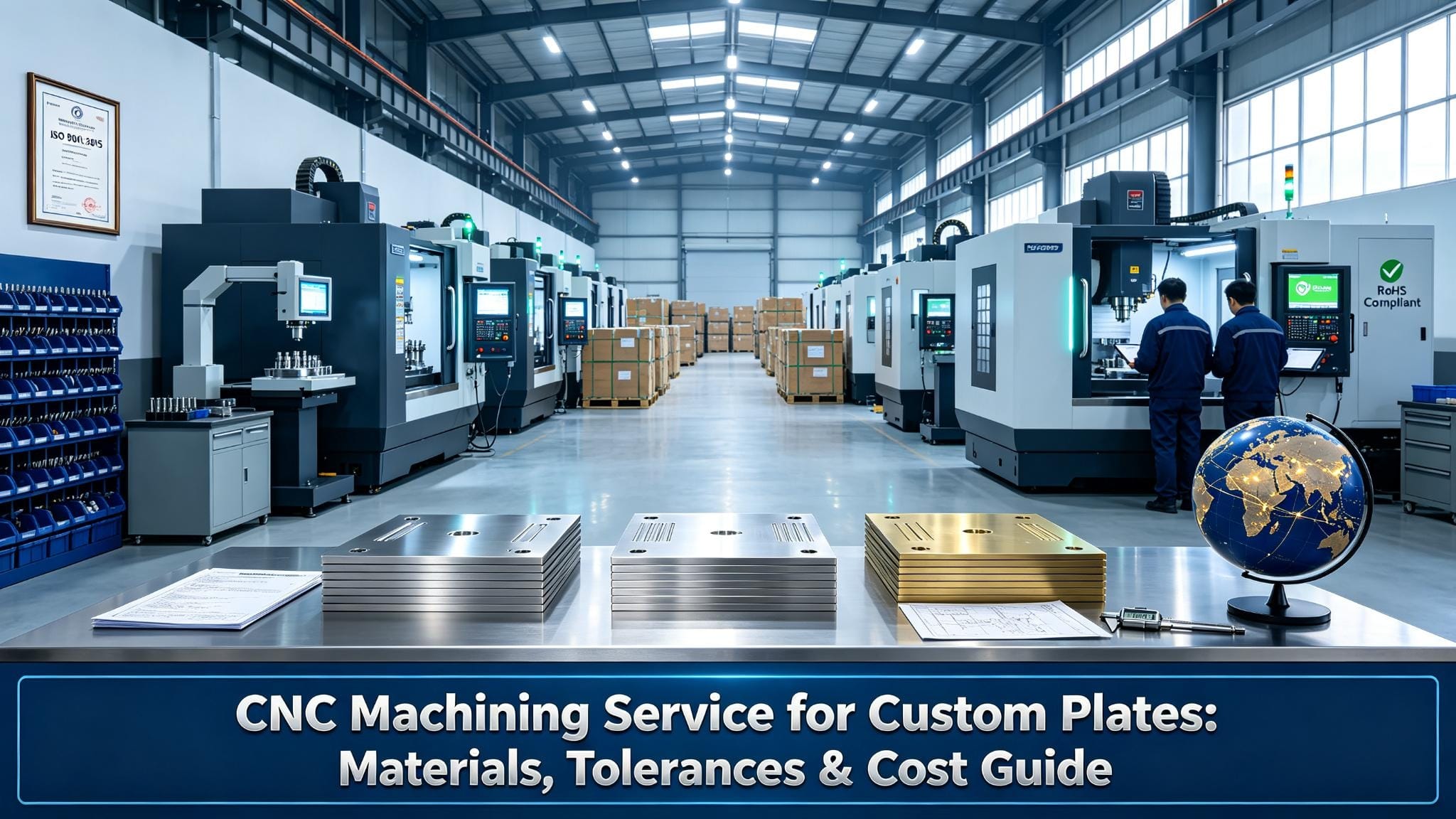
Leading china cnc machining suppliers distinguish themselves through verified quality management systems, cutting-edge machine parks, and robust quality control protocols. Partnering with a vetted china cnc machining facility provides direct access to high-precision 4-axis and 5-axis machining equipment, advanced CMM inspection setups, and competitive manufacturing rates for low-volume prototypes through mass production runs.
Key technical criteria when auditing a potential cnc machining china supplier include:
- Quality Assurance & Metrology: Verify the supplier operates temperature-controlled inspection labs equipped with Coordinate Measuring Machines (CMM), optical comparators, surface profilometers, and thread gauge sets. Ensure full-dimension inspection reports accompany production shipments.
- Material Traceability: Require official Material Test Reports (MTRs) for raw stock heats to confirm chemical and mechanical compliance prior to spindle start.
- DFM Engineering Capability: A qualified china machining partner should deliver actionable Design for Manufacturability (DFM) feedback, highlighting risky thin walls, impossible tool clearances, or unnecessarily tight tolerances before production begins.
Facilities like Boraco Machining in Dongguan, China operate a 2,000 sqm state-of-the-art manufacturing plant equipped for complex machining across aluminum, stainless steel, titanium, and engineering plastics. Certified under ISO 9001:2015 standards, engineering teams handle projects from rapid prototyping through full-scale production runs.
Proactive procurement teams streamline global project execution by consulting experienced technical specialists early in the component design phase. Contact our engineering team for an instant quote to evaluate your 3D CAD models and material specifications.
For additional details regarding international quality assurance frameworks, review the established ISO 9001:2015 Quality Assurance Standards.
Conclusion
Achieving long-term durability in precision CNC machining parts requires balancing material yield strength, machinability ratings, thermal properties, and post-processing treatments. By aligning part geometry with optimal multi-axis milling processes and partnering with certified manufacturing specialists, engineering teams can eliminate field failures and optimize unit manufacturing costs. Request a custom quote from Boraco Machining today to turn your high-precision engineering designs into reliable, quality-inspected metal components.
Frequently Asked Questions (FAQ)
Ready to start your next manufacturing project? Submit your STEP files for a DFM evaluation and receive a complete production quote within 24 hours.