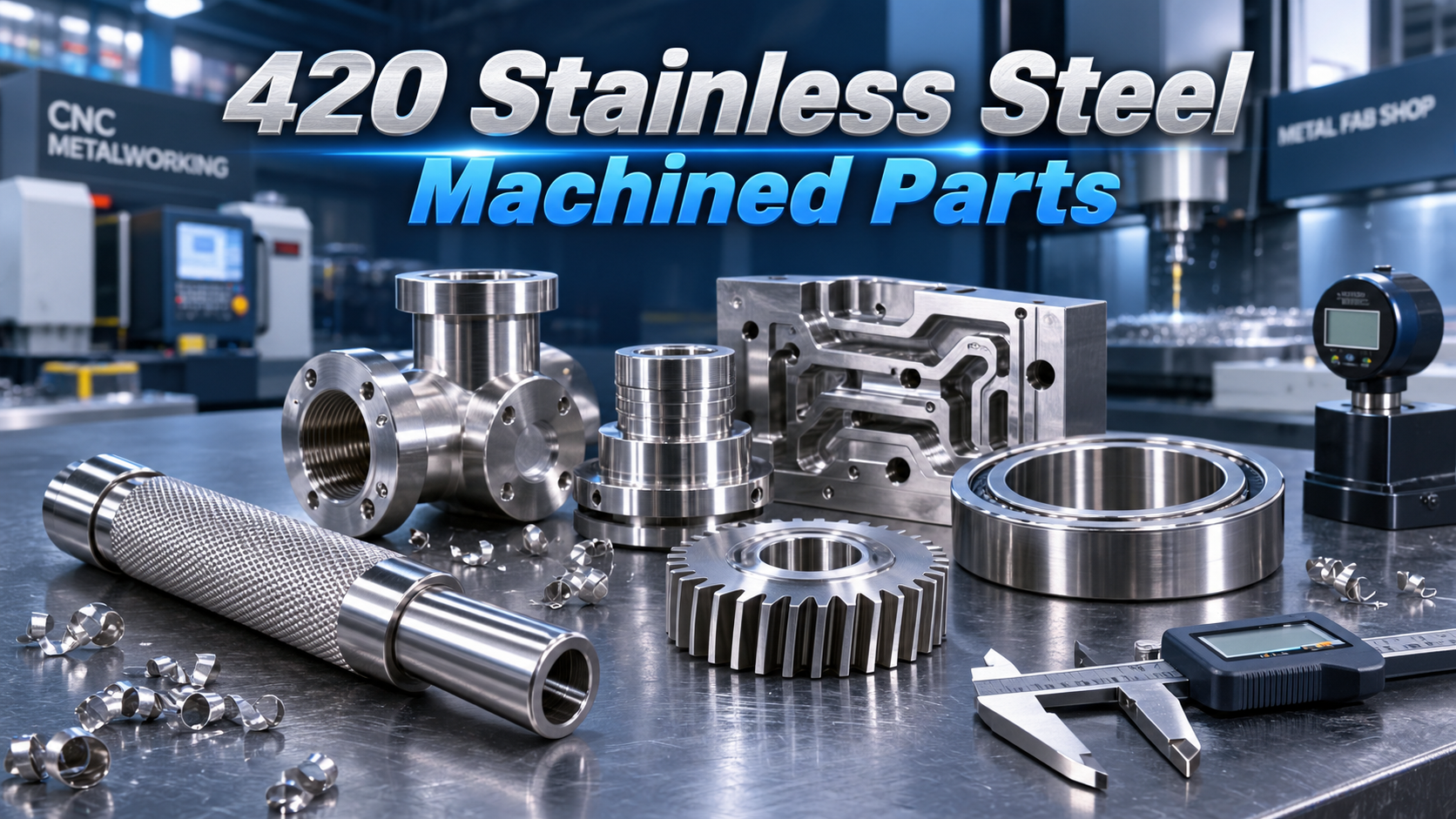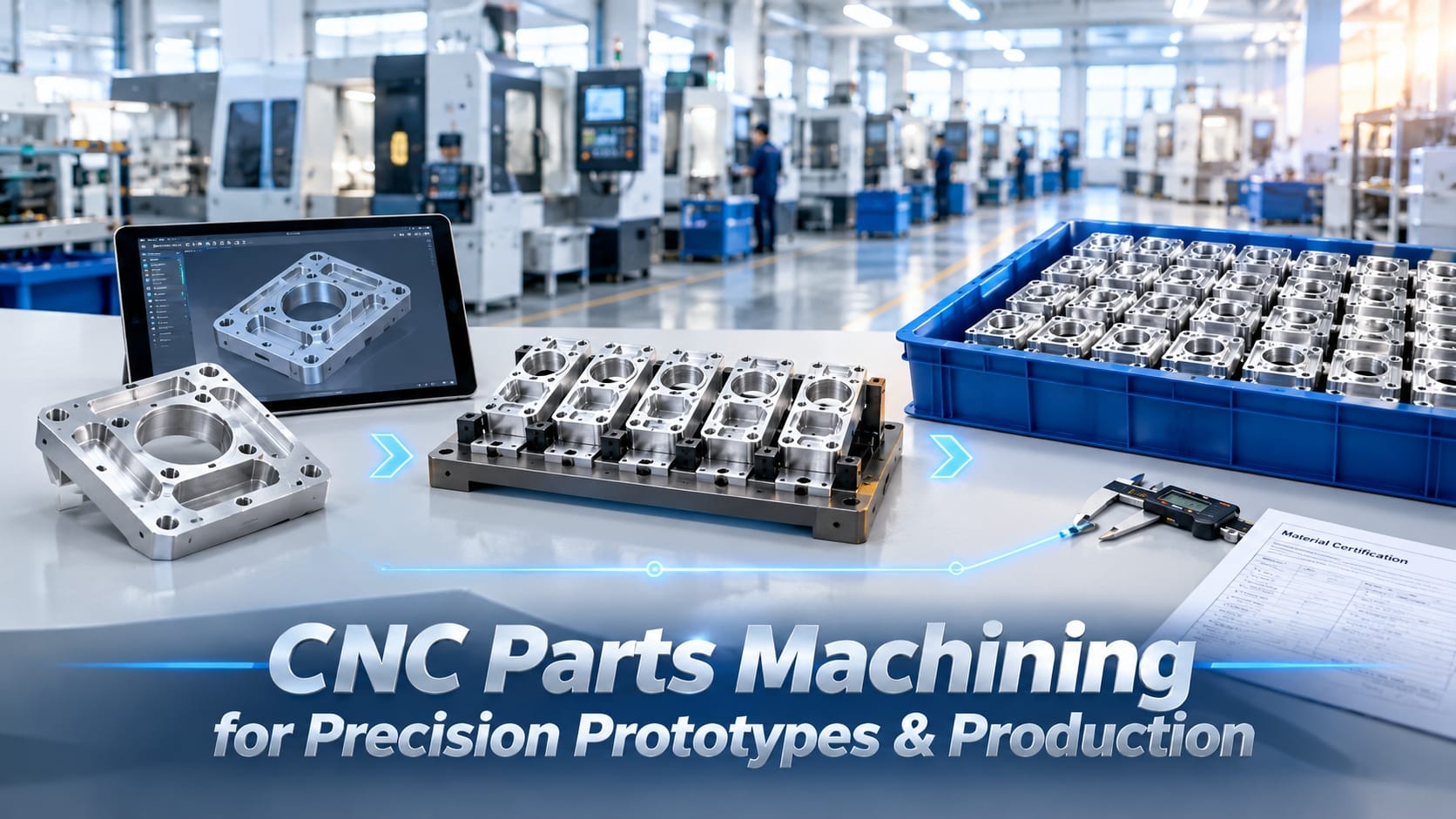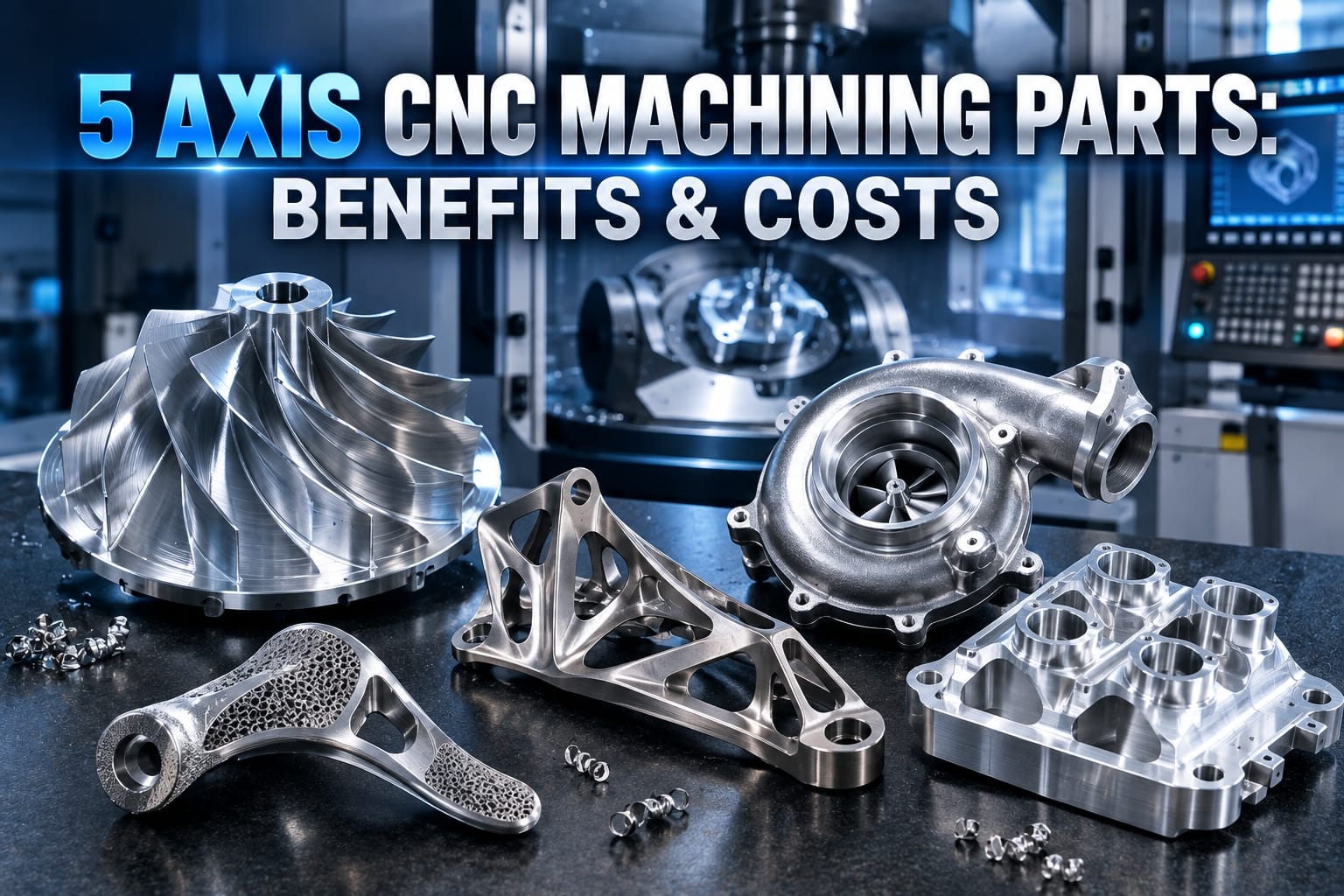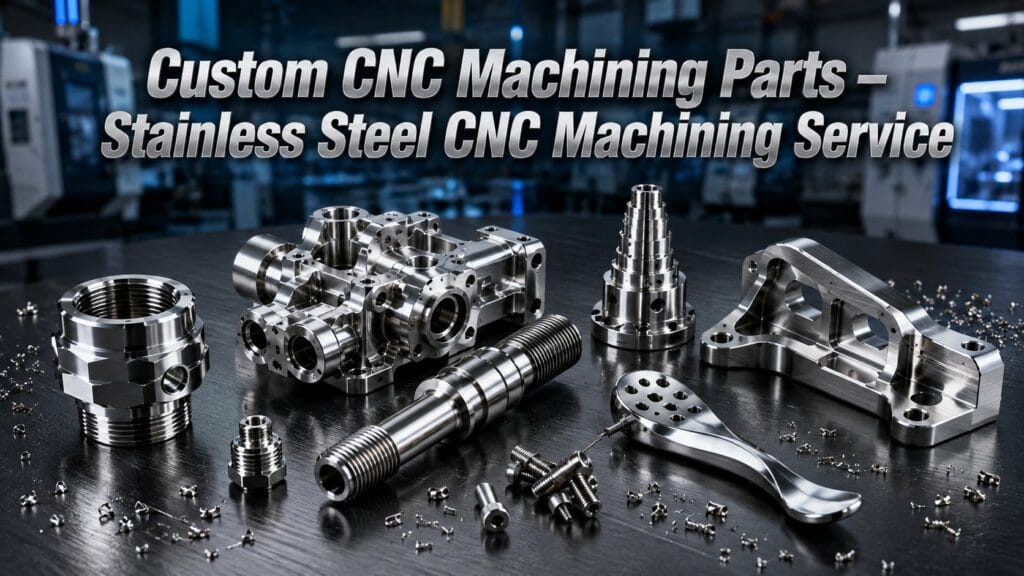
custom cnc machining parts stainless steel cnc machining service
Sourcing precision custom CNC machining parts requires balancing tight dimensional tolerances, material work-hardening, and unit costs. This guide details stainless steel machining parameters, tool control, and supplier evaluation strategies to optimize your procurement workflow.
Engineers and sourcing managers face persistent challenges when transitioning complex hardware designs from early-stage CAD modeling to scaled physical execution. Stainless steel alloys—celebrated for their superior mechanical strength, corrosion resistance, and thermal endurance—are notoriously difficult to cut. Low machinability ratings, high work-hardening propensity, and thermal expansion during cutting can trigger tool chatter, dimensional drift, and scrap rates if process parameters are not precisely calibrated. Choosing a capable CNC machining manufacturer with established metallurgical expertise is essential to ensuring tight geometric tolerances and reproducible production runs.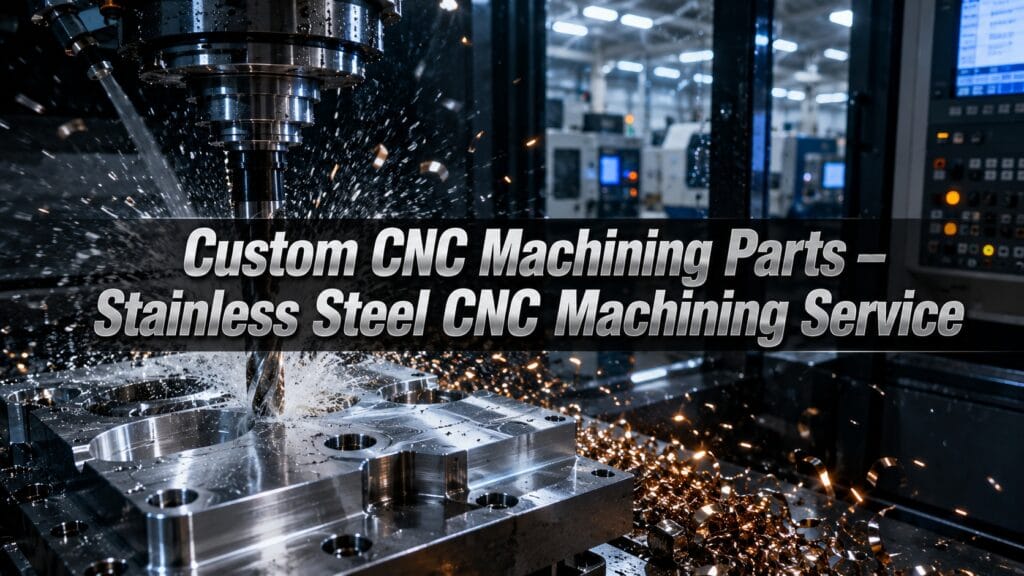
Technical Challenges in Stainless Steel CNC Machining
Precision manufacturing with austenitic, martensitic, and duplex stainless steels demands a granular understanding of material science and tool-workpiece interaction mechanics. Unlike free-cutting aluminum or soft yellow metals, stainless steel alloys retain elevated yield strength at high temperatures, creating significant physical shear stress along the cutting edge. Selecting the correct processing strategy—whether utilizing high-speed CNC milling services or precision single-point turning—directly influences dimensional stability and surface integrity.
The principal technical obstacle encountered during a stainless steel CNC machining service is extreme work-hardening. When a cutting insert passes over an austenitic grade like SS304 or SS316, plastic deformation alters the crystalline grain structure ahead of the tool tip, instantly hardening the sub-surface layer. If the feed rate is too light or the cutting tool dwells inside the cut, the next cutting tooth contacts hardened material, accelerating tool wear, causing chipping, and spoiling surface finishes.
Thermal dissipation represents another major bottleneck. Stainless steels exhibit remarkably low thermal conductivity compared to carbon steels or brass. Instead of heat exiting cleanly through the evacuated chip, thermal energy builds up inside the tool-chip interface and transfers back into the workpiece. Without high-pressure coolant delivery and tailored edge geometry, thermal growth causes microscopic variations in part dimensions across a production batch.
Technical Definition: What is Work-Hardening (Strain Hardening)?
Work-hardening (or strain hardening) is the strengthening of a metal alloy through plastic deformation. As the material undergoes mechanical force during cutting, microscopic dislocations within the crystal structure accumulate and entangle, preventing further slip. In stainless steel CNC turning and milling operations, unoptimized feeds and speeds lead to localized hardening, causing rapid tool deterioration, vibration, and dimensional inaccuracy across critical part features.
To eliminate these defects, an experienced CNC machining supplier implements rigid machine tool setups, constant chip-load maintenance, and specialized tool coatings such as Titanium Aluminum Nitride (TiAlN) or Aluminum Chromium Nitride (AlCrN). Maintaining consistent engagement prevents micro-chattering and ensures that every pass cuts cleanly beneath the work-hardened zone.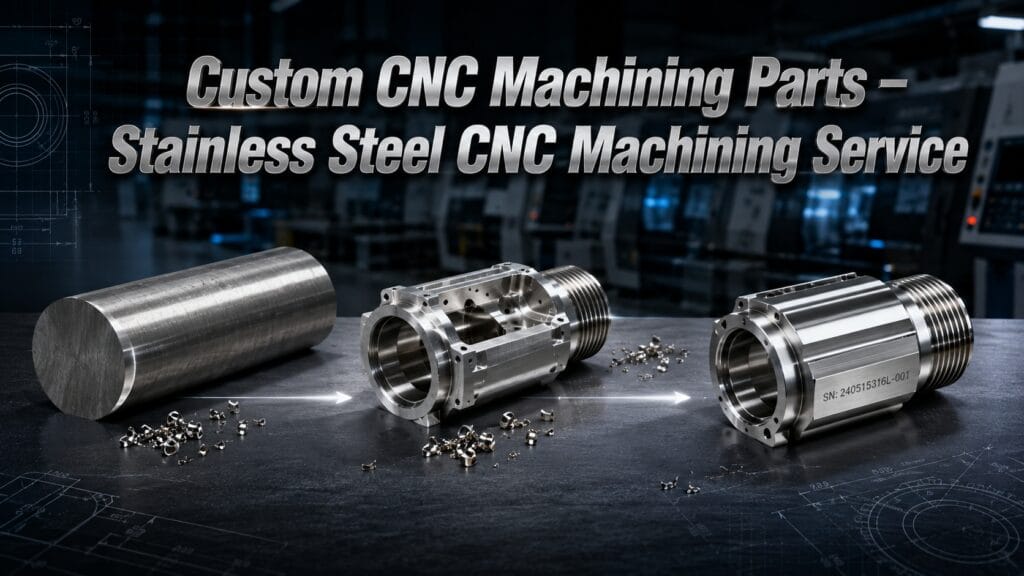
For custom engineering projects requiring high precision across complex geometries, partnering with a proven China CNC machining partner ensures access to multi-axis equipment, specialized tooling setups, and optimized cutting parameter libraries.
Material Selection Guide for Precision Machined Parts
Selecting the optimal alloy requires matching functional end-use requirements—such as yield strength, corrosion resistance, and operating temperature—with raw material machinability indices. The table below outlines key engineering properties for popular metals used in custom CNC machining materials processing.
| Material Grade | Machinability Rating (%) | Tensile Strength (MPa) | Yield Strength (MPa) | Common Applications |
|---|---|---|---|---|
| SS 303 (UNS S30300) | 75% | 620 | 240 | Fittings, gears, shafts, fasteners, valve trims |
| SS 304 (UNS S30400) | 45% | 515 | 205 | Food processing, manifolds, architectural hardware |
| SS 316L (UNS S31603) | 36% | 485 | 170 | Medical implants, marine housings, chemical fluidic blocks |
| 17-4 PH (H900) | 45% (annealed) | 1310 | 1170 | Aerospace structural components, high-load drive shafts |
| Aluminum 6061-T6 | 270% | 310 | 276 | Enclosures, heat sinks, aerospace structural brackets |
Grade 303 contains added sulfur, rendering it the most easily machinable austenitic stainless steel. It is optimal for high-volume rotational components produced on Swiss-type equipment or via specialized CNC turning services. However, the addition of sulfur reduces its weldability and corrosion resistance compared to Grade 304.
When maximum corrosion resistance is mandatory—such as in chemical fluid handling or medical device enclosures—Grade 316L is specified. Its lower carbon content prevents carbide precipitation during thermal operations, while added molybdenum protects against pitting in chloride environments. Sourcing teams should verify that their preferred stainless steel machining factory enforces strict material traceability protocols, including raw material Mill Test Certificates (MTC) conforming to EN 10204 3.1 standards.
Manufacturing Processes: Prototyping to Low Volume Production
Hardware development cycles require tailored manufacturing pathways at each phase of maturity. Transitioning seamlessly from functional testing to full-scale deployment demands a manufacturing partner capable of adapting process controls to match batch volume metrics.
- CNC Prototype Machining: Focuses on validating physical form, fit, and mechanical function. Utilizing high-speed 3-axis and 5-axis machining centers, single-digit prototype batches can be produced directly from native CAD files without expensive hard tooling. This allows engineering teams to refine tolerance stacks and resolve interference issues before locking in final design revisions.
- Low Volume CNC Machining: Typically bridging 10 to 1,000 units, low-volume production allows hardware companies to launch initial commercial batches, perform field testing, or satisfy low-demand market niches. Process engineers optimize fixtures using modular tombstone setups and soft jaws, reducing non-cutting setup times and unit costs.
- Mass Production: Scales output to tens of thousands of custom CNC machining parts using dedicated horizontal machining centers (HMC), multi-spindle lathes, and robotic part loading automation. Fixed tooling costs are amortized over high quantities, driving down unit prices while maintaining process capability indices ($C_{pk} \ge 1.33$).
By leveraging flexible setups, a qualified CNC machining factory in China can scale production seamlessly from single-piece prototypes to high-volume manufacturing without sacrificing quality control or geometric accuracy.
Quality Assurance, Tolerances, and Post-Processing Options
Delivering high-precision parts requires multi-stage quality control integrated into the production line. Advanced inspection protocols ensure every physical dimension aligns with target engineering drawings, geometric dimensioning, and tolerancing (GD&T) callouts.
Standard commercial machining tolerances typically hover at ±0.05 mm (±0.002 in). However, specialized applications—such as high-pressure hydraulic manifolds or precision internal combustion components—demand tight tolerances down to ±0.005 mm (±0.0002 in). Achieving this level of precision requires climate-controlled inspection labs equipped with calibrated Coordinate Measuring Machines (CMM), optical comparators, and surface roughness testers.
According to research published in the ISO 2768 standard for general manufacturing tolerances, establishing standardized tolerance classes prevents over-engineering and keeps machining costs manageable while maintaining functional assembly integrity.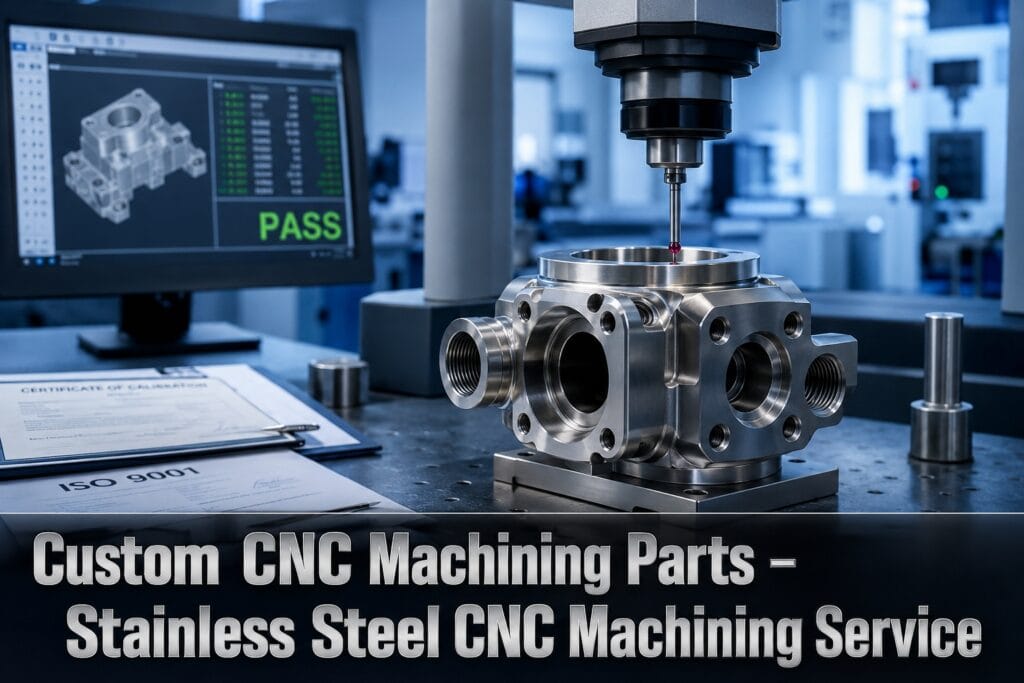
Post-processing and surface treatments enhance corrosion resistance, wear performance, and aesthetic appearance across stainless steel components:
- Passivation (ASTM A967): Chemical treatment with citric or nitric acid solutions to remove free iron deposits from machined surfaces, promoting the formation of a continuous, protective chromium oxide passive layer.
- Electropolishing (ASTM B912): An electrochemical process that removes microscopic peak roughness from metal surfaces, resulting in a mirror-like finish (Ra < 0.2 µm) while reducing bacterial adhesion in food and medical applications.
- Bead Blasting & Satin Finishing: Creates a uniform, non-reflective matte finish that eliminates tool marks and surface blemishes across visible exterior components.
To evaluate comprehensive surface finishing and secondary processing capabilities, explore our integrated finishing services options.
Supplier Evaluation Checklist for Overseas Manufacturing
Selecting a offshore precision CNC machining partner requires verifying technical capabilities, quality management certifications, and communication workflows. Sourcing managers should evaluate prospective suppliers against a structured audit checklist prior to issuing purchase orders.
| Evaluation Criteria | Key Requirements to Verify | Risk Mitigation Impact |
|---|---|---|
| Quality Management System | ISO 9001:2015 certification, ISO 13485 (medical), or IATF 16949 (automotive). | Ensures standardized process controls, traceable documentation, and low defective rate targets. |
| In-House Equipment Profile | Multi-axis CNC mills (4-axis/5-axis), Swiss lathes, CMM inspection tools. | Eliminates subcontracting delays and guarantees geometric feature controls under one roof. |
| Material Verification | X-ray fluorescence (XRF) spectrographic alloy analysis and mill test reports. | Prevents material substitution and ensures compliance with RoHS and REACH standards. |
| Engineering Support | Dedicated DFM (Design for Manufacturability) review prior to cutting metal. | Identifies deep pockets, sharp internal corners, and tight features that increase production costs. |
Working with an established supplier that holds complete certification systems eliminates procurement bottlenecks and ensures consistent component quality across global supply chains.
Frequently Asked Questions
What custom CNC machining parts tolerances can a qualified supplier hold for stainless steel?
A standard precision CNC machining factory in China can comfortably hold linear tolerances of ±0.013 mm (±0.0005 inches). With controlled thermal environments, specialized tooling, and advanced grinding or 5-axis finishing, tolerances down to ±0.005 mm are achievable for critical components.
Which stainless steel grade is best suited for CNC milling and turning?
Stainless Steel 304 offers excellent corrosion resistance and weldability for general structural parts. However, for maximum machinability, Grade 303 (with added sulfur) is preferred. For extreme marine or chemical environments, Grade 316L is recommended despite its higher work-hardening tendency.
How does low volume CNC machining reduce sourcing risk for new hardware projects?
Low volume CNC machining (typically 10 to 1,000 units) bridges the gap between CNC prototype machining and full mass production. It allows engineers to validate physical fit, form, and mechanical function under real operating stress without committing to expensive injection molding or die casting tooling.
What factors influence the cost of a precision CNC machining service in China?
Key cost drivers include raw material selection, total machine cycle time, setup complexity (number of axes required), geometric tolerances, special surface finishing requirements, and batch volume scale.
Partnering for Precision Component Production
Navigating the complexities of stainless steel manufacturing demands tight machining parameters, advanced tool paths, and rigorous quality control. Boraco Machining combines over a decade of hands-on process engineering experience with state-of-the-art multi-axis CNC equipment to manufacture high-precision custom components tailored to your exact specifications. Contact our engineering team today to upload your STEP files and receive a comprehensive DFM review alongside an instant manufacturing quote.