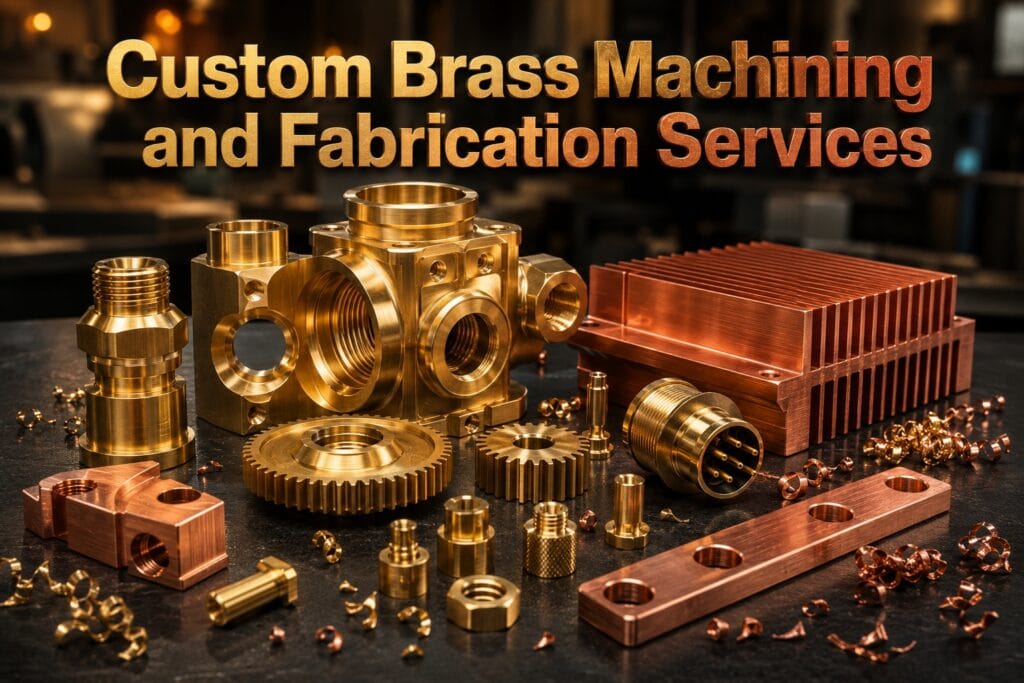

Balancing tight tolerances and material costs in high-volume production is a chronic challenge for procurement managers. This guide breaks down the technical parameters, processes, and sourcing strategies to optimize your Brass & Copper CNC Machining projects for maximum precision, repeatability, and long-term cost-efficiency.
Material Fundamentals: Brass & Copper CNC Machining
When engineering components for the electronics, industrial, and aerospace sectors, selecting the right material is the foundational step. Brass and copper CNC machining represents a significant portion of precision manufacturing due to the unique thermal, electrical, and mechanical properties of these alloys. As seasoned process engineers, we understand that not all brass grades behave identically under a cutting tool.
Brass is fundamentally an alloy of copper and zinc. The industry gold standard for machinability is C36000 (Free-Machining Brass), which contains a small percentage of lead (typically 2.5% to 3.7%). This lead content acts as an internal microscopic lubricant, allowing chips to fracture easily rather than forming long, continuous stringers that tangle around tooling. This characteristic makes high-speed brass CNC operations highly efficient, reducing cycle times and minimizing tool wear. In contrast, pure copper (like C10100) is notoriously “gummy,” requiring highly positive rake angles and generous high-pressure coolant to prevent built-up edge (BUE) on the cutting inserts.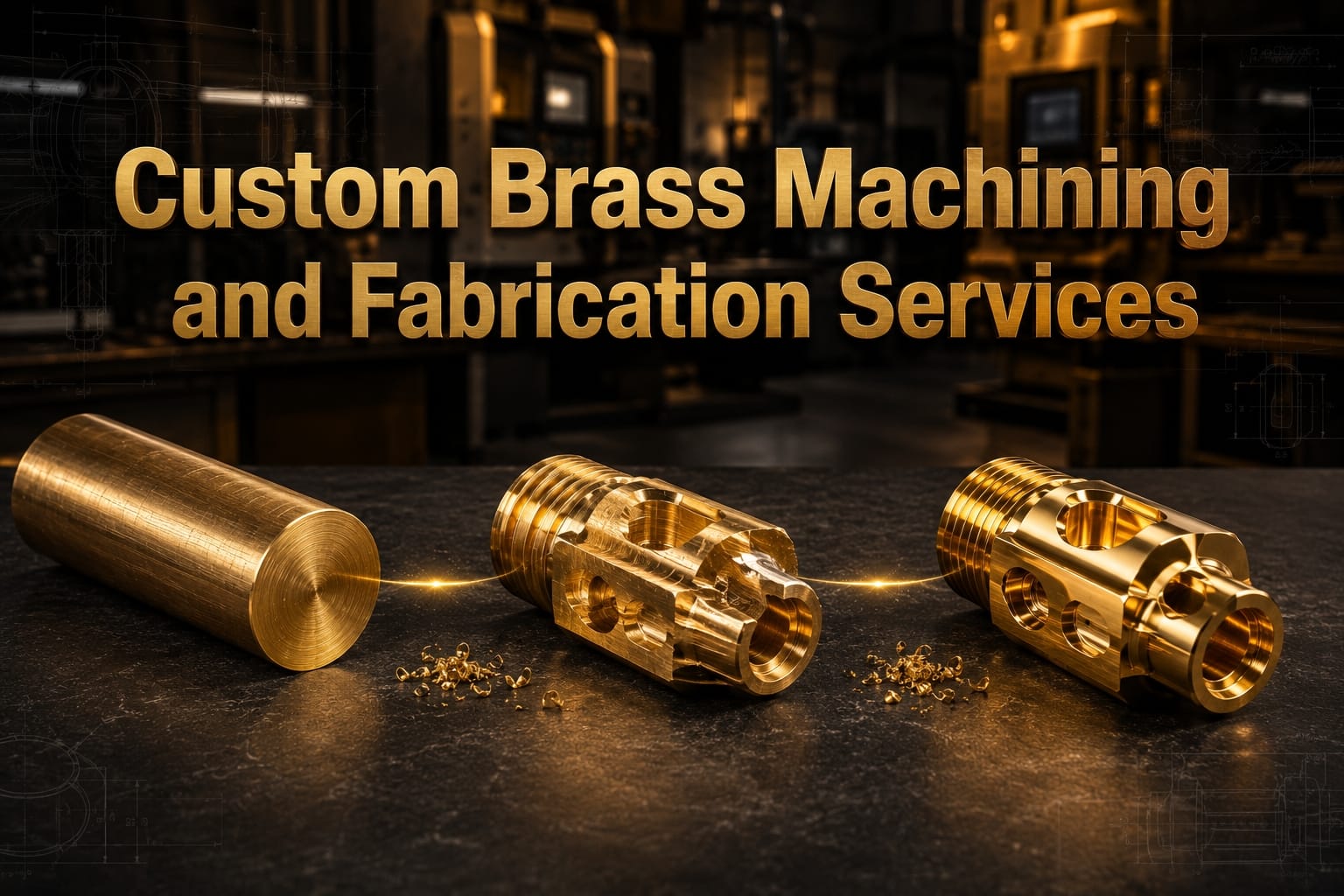
Engineers often ask: is aluminum softer than brass? The answer depends entirely on the specific alloy and temper. Pure aluminum is indeed softer and more ductile than most brasses. However, when comparing structural alloys, 6061-T6 aluminum has a Brinell hardness of around 95, while C36000 brass sits between 78 and 114 depending on its temper. Furthermore, specialty alloys like alu brass (aluminum brass, such as C68700) incorporate aluminum into the copper-zinc matrix to vastly improve corrosion resistance, particularly in marine and harsh chemical environments. Understanding these nuances is critical when specifying materials for custom brass machining.
| Material / Alloy | Machinability Rating | Tensile Strength (MPa) | Primary CNC Application |
|---|---|---|---|
| C36000 Free-Machining Brass | 100% (Baseline) | 338 – 469 | Gears, pinions, precision screw machine parts |
| C31600 Leaded Commercial Bronze | 80% | 255 – 414 | Electrical connectors, fasteners |
| C11000 Electrolytic Tough Pitch Copper | 20% | 220 – 310 | High-conductivity electrical terminals |
| C68700 Aluminum Brass (Alu Brass) | 30% | 415 – 550 | Heat exchangers, marine hardware |
Precision Processes: Brass Milling and Turning Services
The core of precision brass machining relies on matching the right CNC technology to the geometry of the part. In a state-of-the-art 2,000 sqm manufacturing plant, capabilities must span from simple 2-axis lathes to advanced 5-axis milling centers to accommodate complex geometries in a single setup.
Brass turning services are highly sought after for creating cylindrical components like threaded inserts, hose fittings, and custom standoffs. Swiss-type CNC lathes are particularly effective for producing micro-precision brass CNC turned parts. Because brass chips break so cleanly, Swiss turning centers can run unattended for hours, making high-volume production incredibly cost-effective. We routinely achieve tolerances of ±0.005 mm on brass precision turned components by rigorously controlling thermal expansion during the machining cycle.
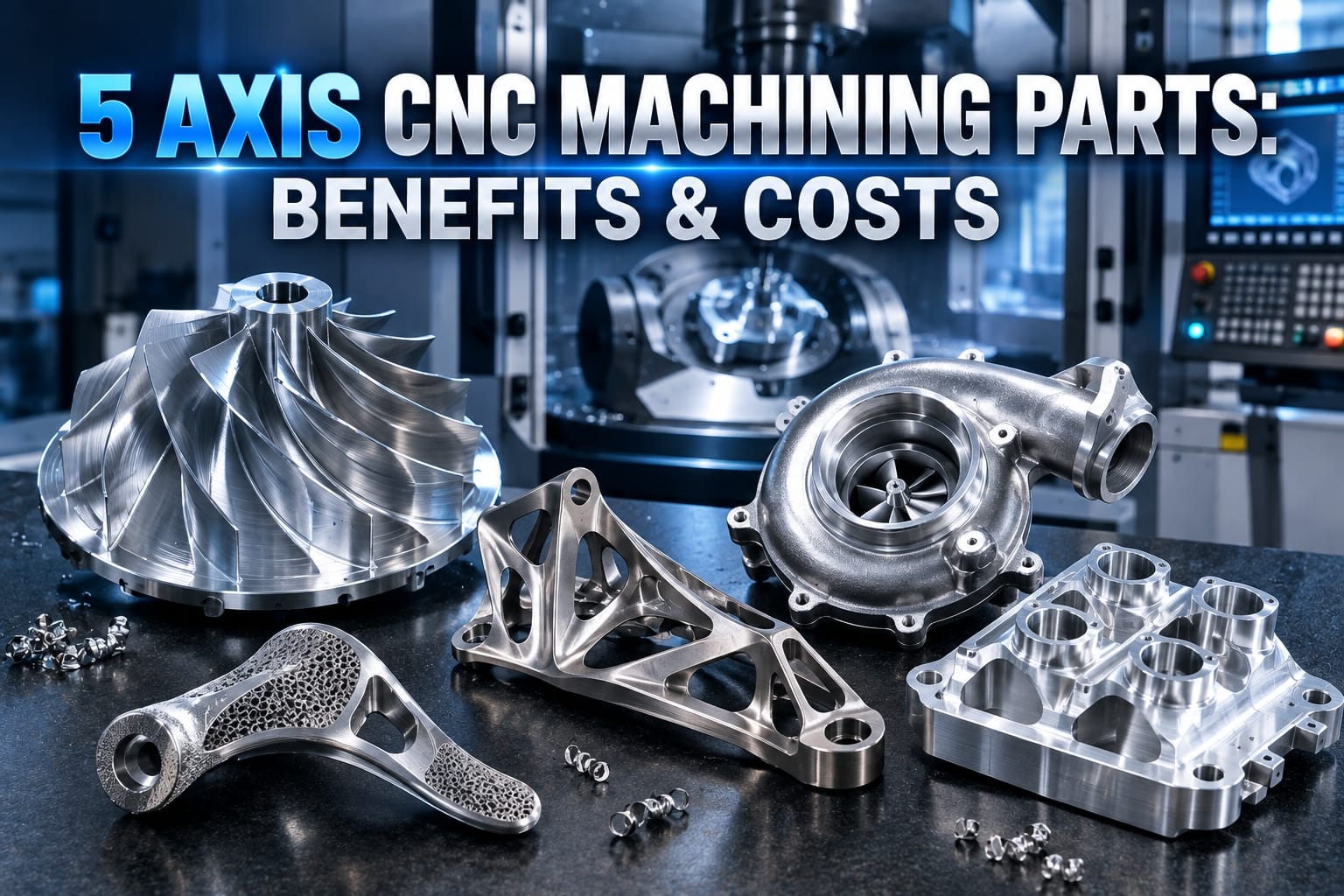
For non-cylindrical features, brass milling takes over. Utilizing 4-axis and 5-axis CNC machining centers allows for the creation of intricate brass machined parts such as customized manifolds, electronic enclosures, and complex heatsinks. The multi-axis approach reduces the number of times a workpiece must be manually repositioned, drastically mitigating tolerance stacking errors. Whether you need rapid prototyping or mass production, matching the component design to the correct CNC machining services is paramount for success.
The Machinability Index is an empirical rating system used by manufacturing engineers to quantify how easily a metal can be cut. It evaluates factors like tool life, cutting speed, power consumption, and resulting surface finish. C36000 Free-Machining Brass is universally assigned a rating of 100%, serving as the benchmark against which all other metals are measured. A material with a rating of 50% will generally require slower speeds, heavier feeds, or more frequent tool changes than the baseline brass.
Overcoming Common Brass Fabrication Challenges
Despite its excellent machinability, brass fabrication presents unique challenges that require an experienced manufacturing partner. One of the primary concerns is tool geometry. If a machinist uses standard inserts designed for steel or aluminum, the cutting tool may “grab” or dig into the softer brass workpiece, causing chatter, poor surface finish, or catastrophic part failure. To counteract this, expert machinists use cutting tools with zero or slightly negative rake angles when machining brass, ensuring a stable, controlled cut.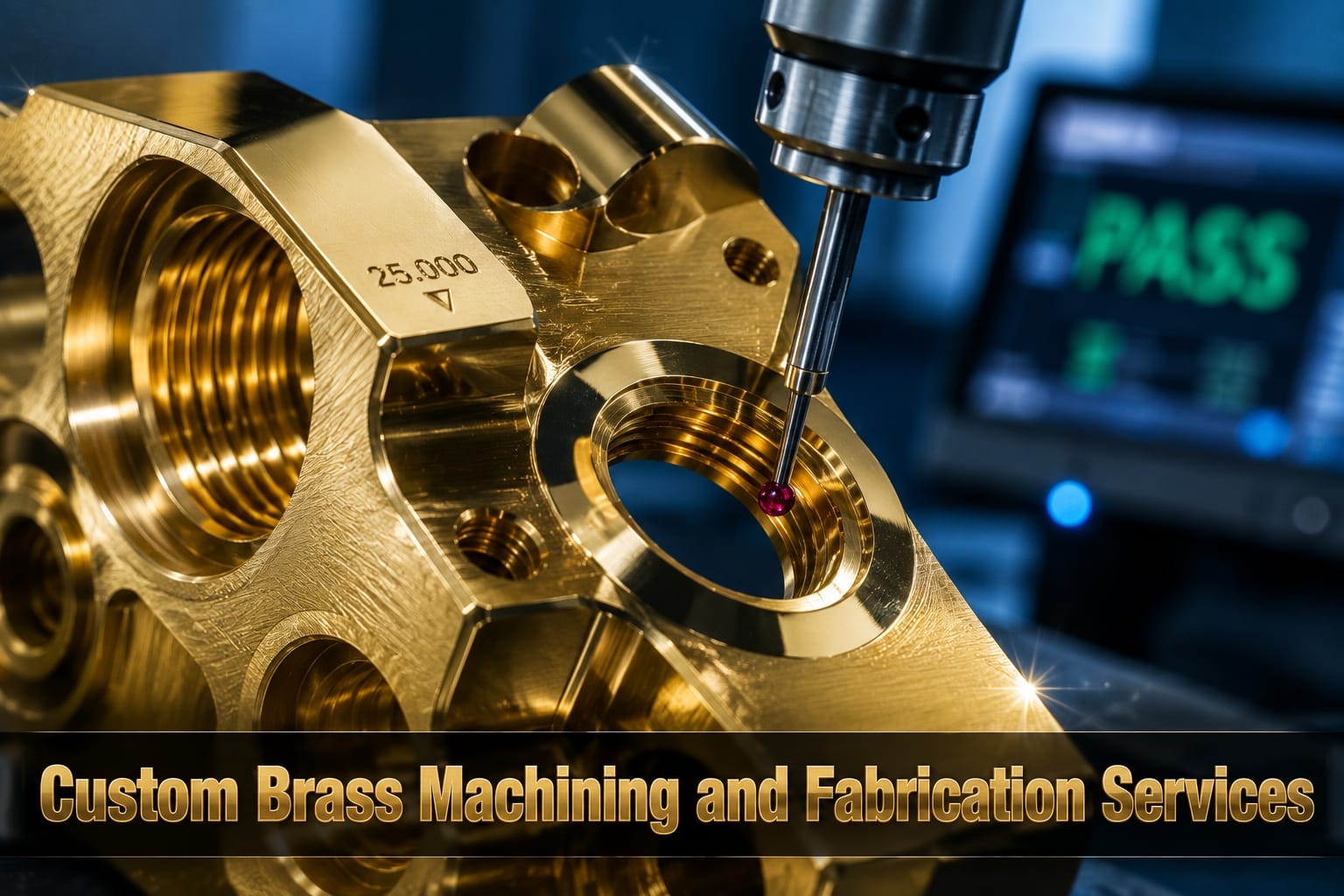
Another major challenge in brass custom metal fabrication is managing brass oxidation. Brass naturally reacts with oxygen and moisture in the environment, forming a dark patina over time. While this is desirable in some architectural applications, it is strictly forbidden in precision electronics and aerospace components where surface conductivity and dimensional stability are critical. To prevent oxidation post-machining, parts must be thoroughly cleaned of all water-soluble coolants and immediately treated. Common mitigation strategies include clear chromate conversion coatings, nickel plating, or vacuum sealing the custom brass fabrication parts for transit.
Burr control is also vital. Because brass is highly malleable, dull tooling can push the material rather than cutting it, leaving microscopic burrs on internal threads and intersecting cross-holes. Advanced deburring techniques, such as thermal energy methods or precision tumbling, must be integrated into the brass fabrication services workflow to guarantee that every component meets rigorous quality standards.
Surface Finishes and Quality Control for Brass Components
The final stage of any custom cnc project is surface finishing and quality assurance. A superior surface finish not only enhances the aesthetic appeal of brass cnc turned components but also improves mechanical function, particularly in mating parts requiring dynamic seals. Thanks to its density and grain structure, brass takes exceptionally well to a variety of secondary finishing operations.
In standard brass cnc machining, an “as-machined” finish generally yields a surface roughness (Ra) of 1.6 to 3.2 micrometers. However, utilizing high-speed finishing passes with polished carbide inserts can drop that Ra value down to 0.4 micrometers straight off the machine. When parts require enhanced wear resistance or electrical conductivity, secondary plating is applied. Electroless nickel plating and gold flashing are incredibly common for electronic contacts sourced through our custom brass machined parts portfolio.
Quality control must be embedded at every stage. For critical aerospace and medical components, standard caliper checks are insufficient. Advanced Coordinate Measuring Machines (CMM), optical comparators, and surface profilometers are required to verify tight Geometric Dimensioning and Tolerancing (GD&T) callouts. Every batch should be backed by comprehensive inspection reports, ensuring full traceability from raw material to finished product.
Strategic Sourcing: Evaluating China CNC Machining Suppliers
For B2B procurement professionals, identifying reliable china cnc machining suppliers is the key to maintaining a competitive edge. The landscape of china machining has evolved dramatically; today, it is driven by cutting-edge technology, rigorous international certifications, and uncompromising quality control.
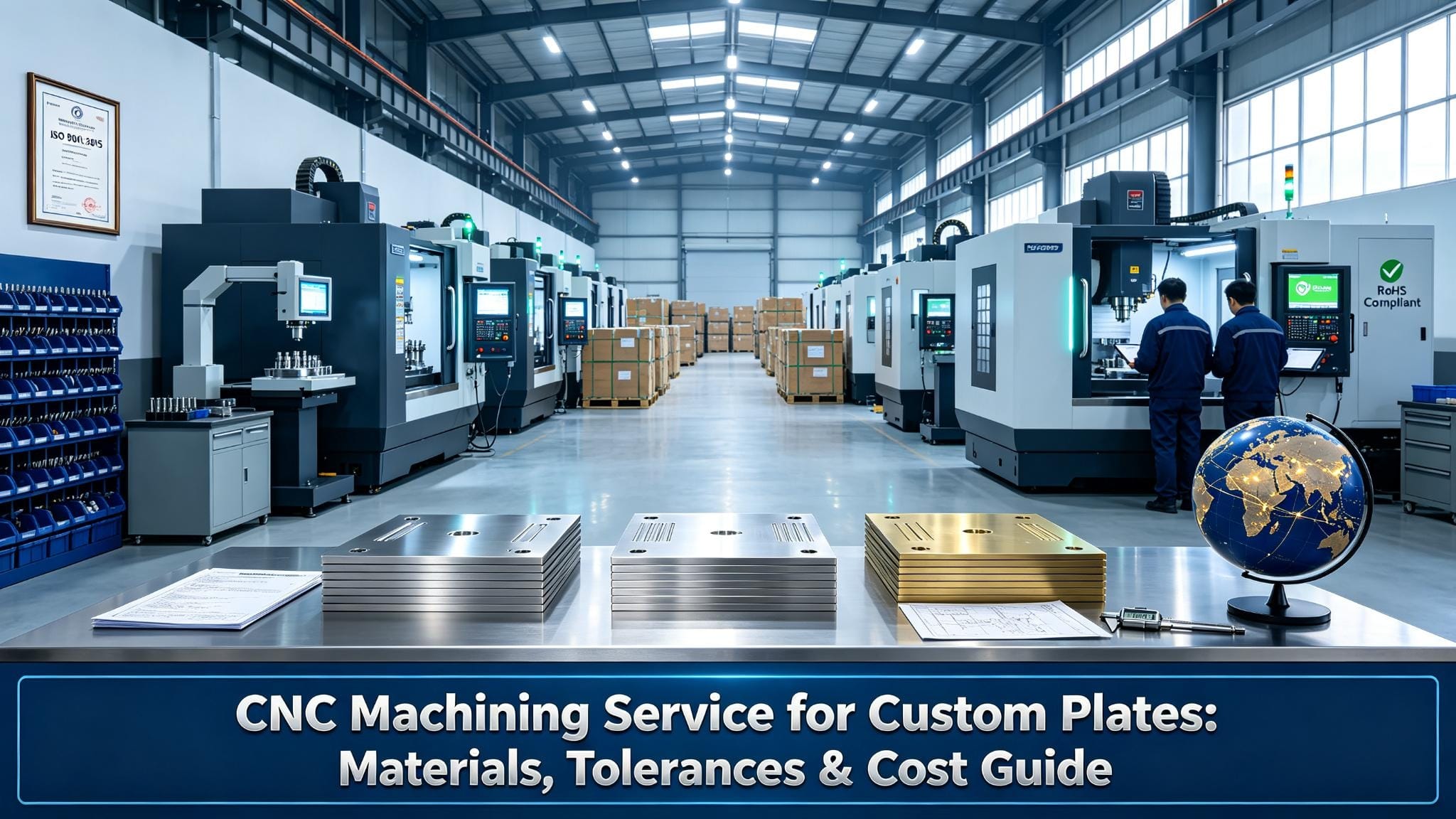
When auditing potential suppliers for your brass cnc machining services, focus on their quality management systems and comprehensive capabilities. A world-class facility should hold an ISO 9001:2015 certification, guaranteeing standardized processes and continuous improvement. For the European market, CE and RoHS compliance is non-negotiable, particularly ensuring that materials like C36000 brass fall within acceptable lead concentration limits.
Partnering with a facility that offers end-to-end solutions—from rapid prototyping and low-volume production to mass production and assembly—reduces supply chain friction. By consolidating your vendor list and working directly with Boraco Machining, an established precision manufacturing facility based in Dongguan, you ensure that every part adheres to the principle of “Precision Manufacturing, Quality First.”
For more insights on international material standards, engineering professionals can consult industry resources such as the Copper Development Association (CDA) or standardized specifications via ISO.org.
Conclusion: Mastering the intricacies of brass and copper CNC machining requires deep metallurgical knowledge, advanced multi-axis equipment, and uncompromising quality control. By leveraging optimized tool paths and strict environmental controls, procurement teams can drastically reduce cycle times while maintaining microscopic tolerances on complex parts.
Frequently Asked Questions
Why is brass considered the easiest metal to machine?
Brass, particularly C36000, contains a small percentage of lead which acts as an internal lubricant. This allows the material to chip away cleanly during machining, preventing tool wear, reducing heat generation, and enabling significantly faster feed rates compared to steel or aluminum.
How do you prevent brass oxidation on machined parts?
To prevent oxidation and tarnishing, machined brass parts must be thoroughly washed to remove coolant residues immediately after production. They are then often subjected to secondary treatments like clear chromate conversion, nickel plating, or packaged in vacuum-sealed bags with desiccants.
What is the difference between brass milling and brass turning?
Brass turning involves rotating the brass workpiece on a lathe against a stationary cutting tool, making it ideal for cylindrical parts like pins and fittings. Brass milling secures the workpiece in place while rotating multi-axis cutting tools shape it, which is necessary for complex, non-cylindrical components like heatsinks and enclosures.
Are custom brass parts RoHS compliant?
Yes, provided the chosen brass alloy contains less than the maximum allowable limits for restricted substances (like lead). While standard C36000 contains lead, there are specific eco-brass alloys (like C46400 or lead-free silicon brasses) that CNC machining suppliers use to guarantee full RoHS compliance.